Selecting a reliable filter vessel manufacturer is often a critical pivot point for industrial plants dealing with corrosive media. While stainless steel has long been the default, the shift toward advanced composites is driven by the need to eliminate oxidation and reduce lifecycle maintenance costs in harsh chemical environments.
The engineering challenge lies in balancing structural integrity—especially for pressure-rated systems—with the chemical resistance required for aggressive acids or alkaline solutions. A specialized manufacturer must provide more than just a tank; they must offer a calibrated solution that accounts for fluid dynamics and material degradation.
In this analysis, we explore the technical transition toward FRP (Fiberglass Reinforced Plastic) pressure vessels and the specific evaluation metrics procurement teams should use to ensure operational safety and longevity.

Material Science Behind Modern Filter Vessels

The fundamental shift in filtration housing is the movement from metallic alloys to GRP/FRP (Glass Reinforced Plastic). Unlike steel, which relies on coatings or expensive alloys to fight rust, composite materials are inherently non-corrosive, making them ideal for immersion in both salt and fresh water.
A professional filter vessel manufacturer utilizes a combination of high-strength glass fibers and specialized resins to create a structure that absorbs impacts without permanent deformation. This elasticity ensures that the vessel can withstand pressure fluctuations that might otherwise cause stress cracks in rigid metallic alternatives.
Furthermore, the non-conductive nature of FRP removes the risk of electrical conductivity, adding a layer of worker safety in facilities where electromagnetic interference or electrical hazards are present.
Critical Performance Drivers for Composite Vessels
Performance in pressure vessels is measured by the ratio of strength to weight and the stability of the material under UV exposure. High-quality FRP vessels are engineered to be UV stable, ensuring they do not degrade or deform when installed in outdoor environments.
One of the primary technical advantages is the ease of fabrication. Because these materials do not require "hot works" or specialized welding equipment for on-site adjustments, installation time is significantly reduced compared to traditional steel tanks.
Moreover, the flame-spread index of premium composites—often rated at 25 or less per ASTM E-84 standards—ensures that safety requirements are met even in high-risk industrial zones.
High-Corrosion Industrial Application Scenarios
FRP filter vessels are indispensable in environments where traditional metals fail rapidly. In offshore oil and gas platforms, the combination of salt spray and chemical processing creates a lethal environment for carbon steel, making corrosion-resistant composites the only viable long-term choice.
In water treatment plants, these vessels are used for reverse osmosis pre-filtration and chemical dosing. Their ability to resist harsh corrosive environments allows for a wider range of cleaning agents to be used without risking the structural integrity of the vessel.
Additionally, in the chemical processing industry, FRP vessels are deployed for the filtration of aggressive acids and bases, where they serve as a safe alternative to expensive exotic alloys like titanium or Hastelloy.
Evaluating Vessel Efficiency and Life-Cycle Data
When comparing a composite solution to a metal one, the most telling metric is the maintenance interval. Metal vessels often require periodic coating reapplications and internal inspections for pitting corrosion, which leads to frequent scheduled shutdowns.
Composite vessels, by contrast, are virtually maintenance-free. The data indicates a significant divergence in operational availability when moving from galvanized steel to FRP, particularly in high-humidity or saline environments.
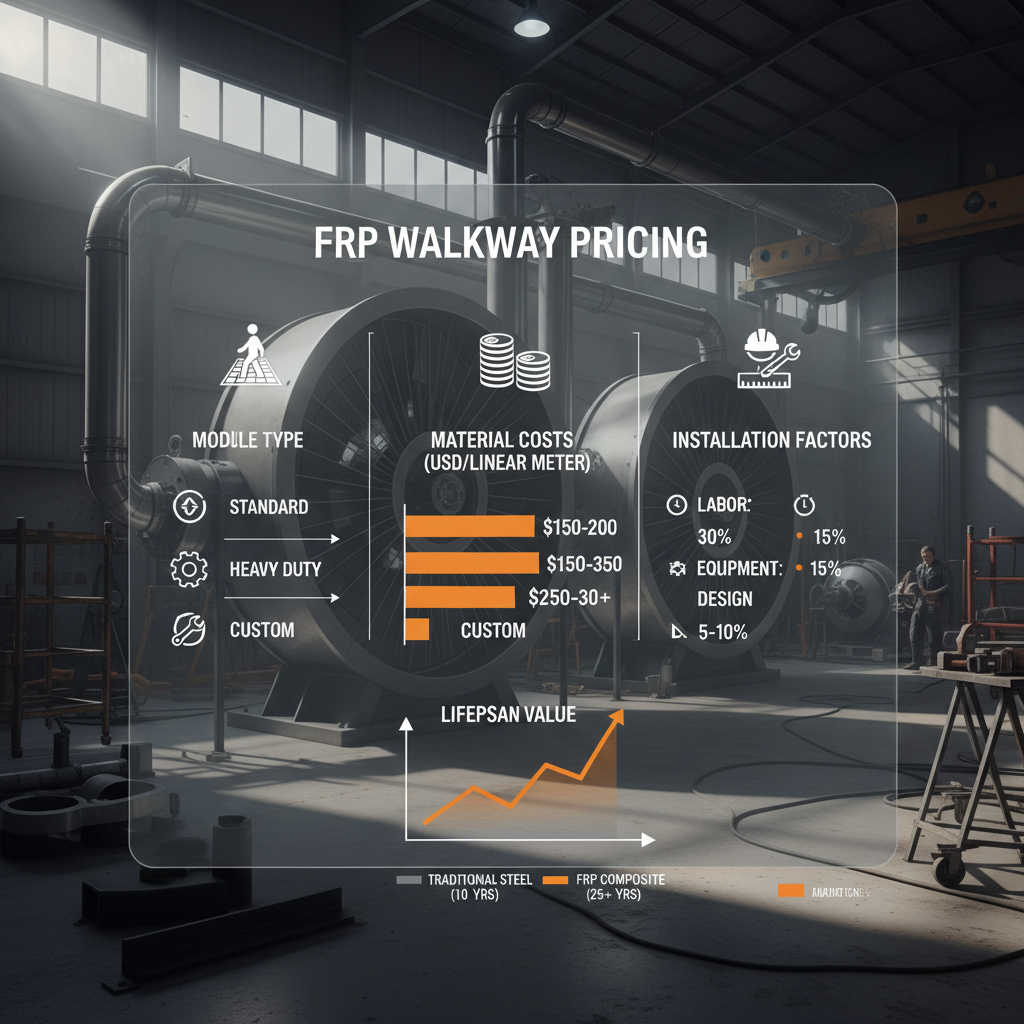
filter vessel manufacturer Performance Metrics
As illustrated, the longevity and reduced maintenance requirements of composite systems lead to a lower total cost of ownership (TCO) over a ten-year period, despite the specialized nature of the initial material selection.
Procurement Framework for Pressure Vessel Selection
Procuring an industrial filter vessel requires a shift from "lowest bid" thinking to "lifecycle value" analysis. The first step is defining the chemical compatibility of the resin used in the FRP layup to ensure it can withstand the specific pH and temperature of the medium.
Buyers should evaluate the manufacturer's ability to provide customized OEM and ODM services, as standard sizes rarely fit the complex piping layouts of existing industrial plants. The ability to perform in-house technical data testing is a marker of a high-tier supplier.
Finally, consider the logistical advantage: FRP structures are significantly lighter than steel, reducing transport costs and the need for heavy lifting equipment during installation.
Future Trends in Composite Filtration Technology
The industry is likely to move toward "smart vessels" that integrate fiber-optic sensors within the composite layers to monitor structural stress and resin degradation in real-time. This would transition maintenance from a scheduled basis to a condition-based model.
We may also see an increase in the adoption of bio-based resins to reduce the carbon footprint of the manufacturing process, without sacrificing the corrosion resistance that makes FRP superior to metal.
Furthermore, the integration of additive manufacturing for internal vessel components could allow for more complex flow geometries, reducing pressure drops and increasing the efficiency of the filtration media.
Comparing Material Solutions for Filter Housing
When deciding between material types, the choice usually depends on the balance between initial capital expenditure (CAPEX) and long-term operational expenditure (OPEX). While stainless steel offers high temperature resistance, it cannot compete with FRP in corrosive salinity.
The following table outlines the trade-offs between common materials used by a filter vessel manufacturer to help engineers make an informed decision based on the operating environment.
| Material Type | Corrosion Resistance | Maintenance Need | Best Use Case |
|---|---|---|---|
| Carbon Steel | Low | High (Painting) | Low-corrosion fluids |
| Stainless Steel | Medium | Medium (Cleaning) | Food/Pharma grade |
| Standard FRP | High | Very Low | General Chemical/Water |
| Premium GRP | Very High | Minimal | Offshore/Acidic Media |
| Galvanized Steel | Medium-Low | High (Zinc repair) | Outdoor non-critical |
| Specialty Alloys | Very High | Low | Extreme Temperature/Pressure |
Ultimately, for the vast majority of wastewater and chemical applications, the longevity and safety profile of FRP make it the most rational choice for modern industrial infrastructure.
Frequently Asked Questions
Conclusion
The transition from metallic to composite filter vessels is not merely a trend but a technical necessity for industries facing aggressive corrosive challenges. By prioritizing material stability and lifecycle costs over initial purchase price, operators can achieve significantly higher uptime and worker safety.
For those evaluating their current filtration infrastructure or planning a new installation, reviewing the technical capabilities and product ranges available through www.zjcomposites.com can provide the necessary insights to optimize system longevity.