Understanding the 1054 frp vessel price requires a deep dive into the material science of Fiberglass Reinforced Plastic (FRP) and the specific engineering requirements of industrial pressure vessels. These vessels are engineered to withstand corrosive environments where traditional metals fail, making the cost a reflection of longevity and safety rather than just initial procurement.
In the non-metallic mineral products industry, particularly within glass-fiber reinforced plastics, the shift toward FRP vessels is driven by the need to eliminate rust, rot, and chemical degradation. Procurement teams often struggle to balance the upfront investment against the total cost of ownership, especially when comparing specialized FRP grades to standard industrial options.
This article provides a comprehensive analysis of the factors influencing FRP vessel pricing, technical advantages over steel and aluminum, and a guide to selecting the right specifications to ensure operational efficiency and long-term structural integrity for your project.

1Fundamentals of FRP Vessel Engineering

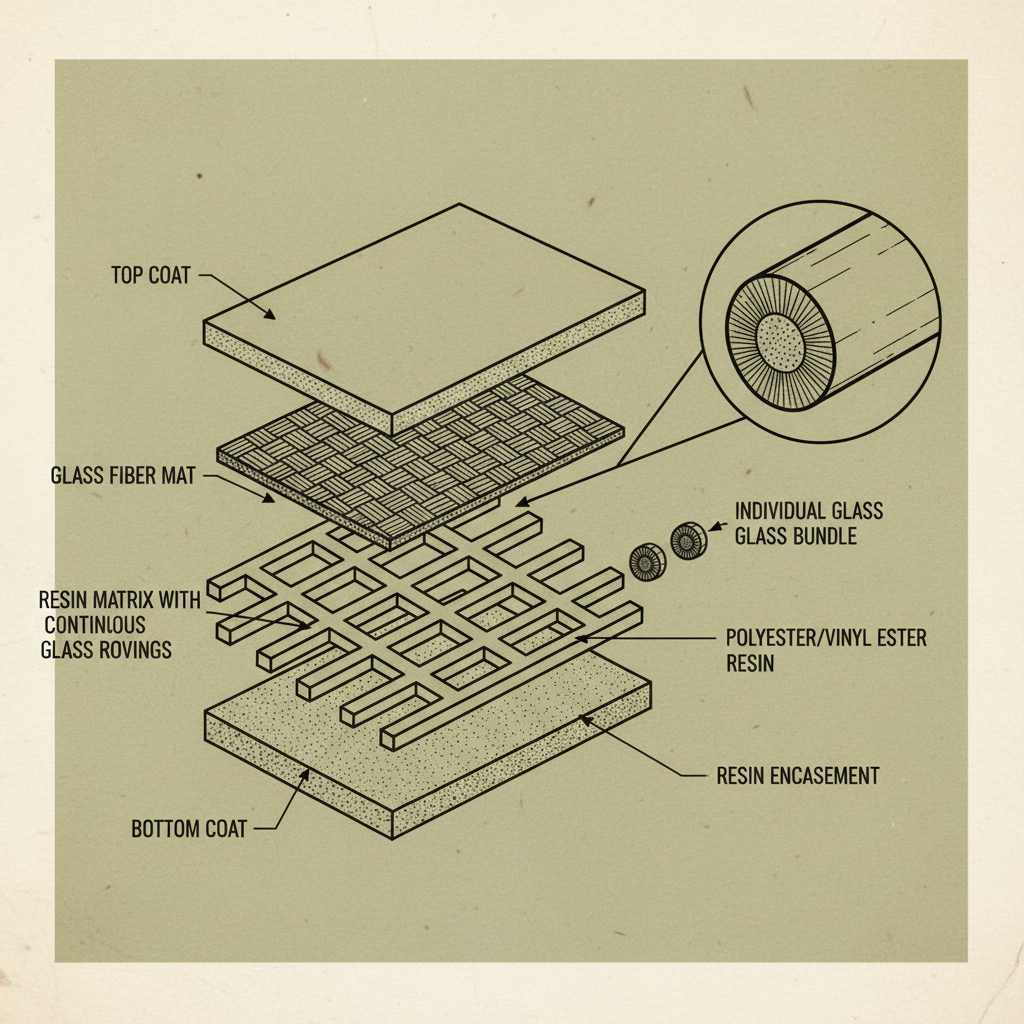
FRP (Fiberglass Reinforced Plastic) vessels are composite structures consisting of a polymer matrix reinforced with glass fibers. This combination creates a material that is exceptionally strong yet lightweight. The engineering of these vessels focuses on the orientation of the fibers to handle internal pressure and external loads, ensuring that the vessel does not deform under stress.
The pricing of these vessels is heavily influenced by the resin type used (such as vinyl ester or epoxy) and the wall thickness required for the specific pressure rating. Higher-grade resins provide better chemical resistance but increase the overall production cost.
From a manufacturing perspective, the process involves precise pultrusion or filament winding techniques. ZJ Composites utilizes standardized management to ensure that every vessel meets strict inspection criteria, reducing the risk of structural failure during deployment.
2Core Technical Advantages of FRP
The primary technical driver for choosing FRP over metal is its inherent corrosion resistance. Unlike steel, which requires expensive coatings and frequent painting to prevent oxidation, FRP is naturally resistant to harsh corrosive environments, including salt water and various industrial chemicals.
Weight reduction is another critical advantage. Because FRP is significantly lighter than aluminum or steel, the costs associated with transportation and installation are drastically reduced. No heavy lifting machinery or "hot works" (welding) are required for on-site fabrication.
Furthermore, the stability of FRP under UV exposure ensures that the material does not crack or degrade when installed outdoors, maintaining its original shape and structural integrity over a decades-long lifecycle.
3Application Scenarios and Suitability
FRP vessels and related components like pultrusion profiles and gratings are widely used in water treatment plants, chemical processing facilities, and offshore oil platforms. In these environments, the presence of moisture and acids makes metallic structures a liability.
Specifically, for drainage gutters, cable ducts, and mezzanine floors, the use of Micro Mesh or Mini Mesh FRP grating provides the necessary strength-to-weight ratio while ensuring worker safety through non-slip surfaces.
In the case of FRP pressure vessels, they are frequently employed in storage for aggressive chemicals or as water tanks in areas where stainless steel would be cost-prohibitive or insufficiently resistant to specific chemical agents.
4Performance Metrics and Cost Analysis
When evaluating the 1054 frp vessel price, one must look at the Life-Cycle Cost (LCC) rather than the initial purchase price. While the upfront cost of a composite vessel might be higher than a low-grade steel tank, the elimination of ongoing maintenance saves thousands of dollars over time.
Performance metrics typically focus on the absorption of impacts. Unlike aluminum, which permanently deforms upon impact, FRP has the ability to absorb energy and retain its original shape, reducing the need for frequent replacements.
1054 frp vessel price Performance Metrics
The data indicates that the operational efficiency of FRP systems—measured by installation speed and maintenance intervals—far exceeds that of traditional materials, justifying the investment for long-term infrastructure projects.
5Procurement and Selection Criteria
Selecting the right FRP vessel involves more than comparing prices. Procurement teams must evaluate the resin-to-glass ratio, the specific surface treatment (such as gritted or concave for gratings), and the pressure rating for vessels.
Customization is a key factor. Since every project has unique spatial and chemical requirements, working with a supplier that offers OEM and ODM services is essential to ensure the vessel fits perfectly into the existing production line.
Lastly, verify the certification of the manufacturer. A commitment to scientific and standardized management ensures that the final product has undergone strict inspection, which is critical for pressure-bearing equipment.
6Industry Trends in Composite Vessels
The industry is moving toward "Smarter Composites," where additives are mixed into the resin to provide enhanced fire retardancy or antimicrobial properties. This allows FRP vessels to be used in pharmaceutical and food-grade applications where hygiene is paramount.
There is also a significant trend toward integrating FRP with other composite materials, such as SMC water tanks, to create hybrid storage systems that maximize strength while minimizing weight and cost.
As global environmental regulations tighten, the low-emission nature of FRP fabrication compared to the energy-intensive smelting of steel makes composites a more sustainable choice for the next generation of industrial infrastructure.
7FRP vs Traditional Materials Comparison
To make an informed decision, a side-by-side comparison of FRP against steel and aluminum is necessary. The choice depends on the specific environmental exposure and the intended lifespan of the equipment.
While metals offer higher absolute strength in some narrow categories, FRP provides a superior strength-to-weight ratio and unmatched resistance to chemical corrosion.
| Material | Corrosion Resistance | Maintenance Needs | Life-cycle Cost |
|---|---|---|---|
| FRP / Composite | Excellent | Virtually None | Very Low |
| Carbon Steel | Poor (Rusts) | High (Painting) | High |
| Stainless Steel | Good | Moderate | Medium |
| Aluminum | Moderate | Moderate | Medium |
| Galvanized Steel | Moderate | Moderate | Medium |
| Plastic / PVC | Excellent | Low | Low-Medium |
Ultimately, for projects involving salt water or aggressive acids, FRP is the only viable option that prevents premature structural failure and reduces the total expenditure over the asset's life.
Frequently Asked Questions
Conclusion
Investing in an FRP vessel is a strategic decision to prioritize long-term operational stability over short-term procurement savings. By eliminating the risks of corrosion and reducing maintenance overhead, companies can achieve a significantly lower total cost of ownership while improving site safety.
For procurement teams and engineers evaluating suitable composite solutions for their next project, detailed technical specifications and product information can be reviewed at www.zjcomposites.com to ensure the optimal choice for your specific industry needs.