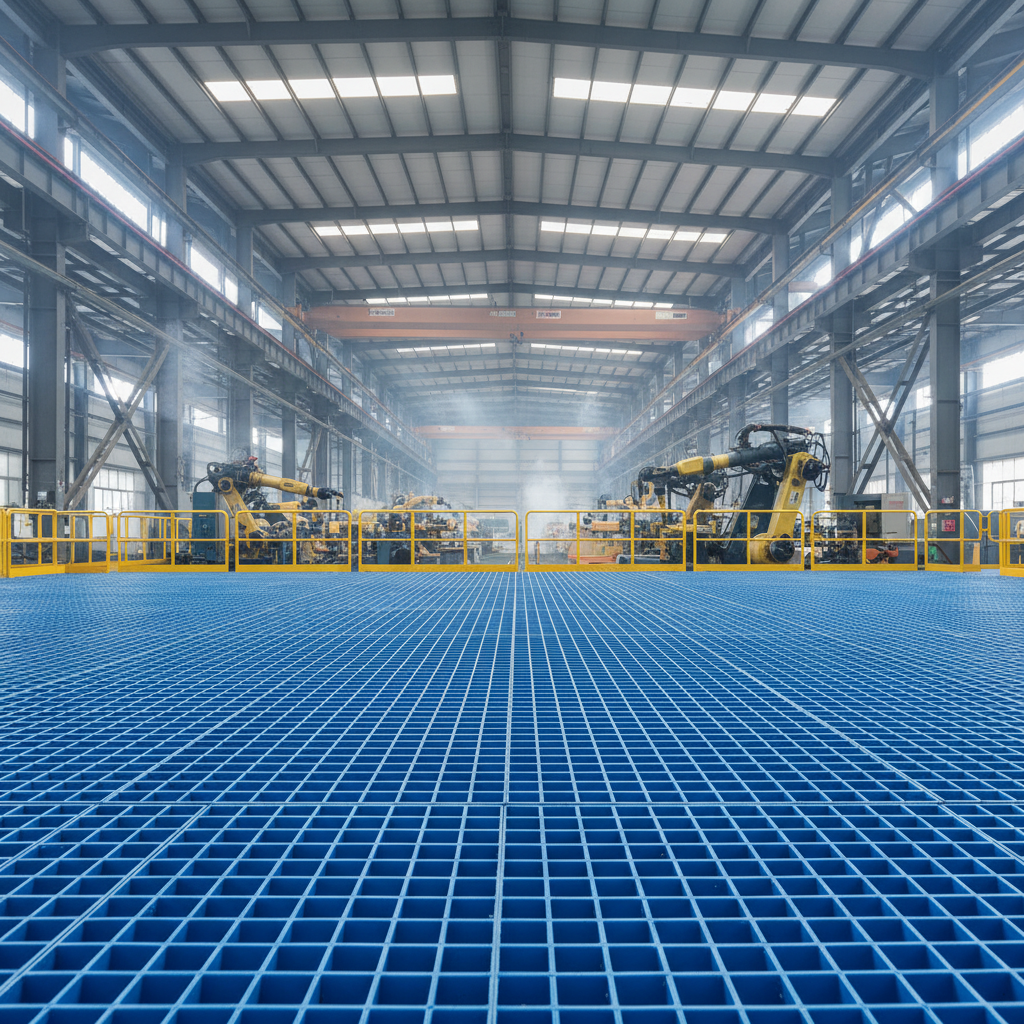
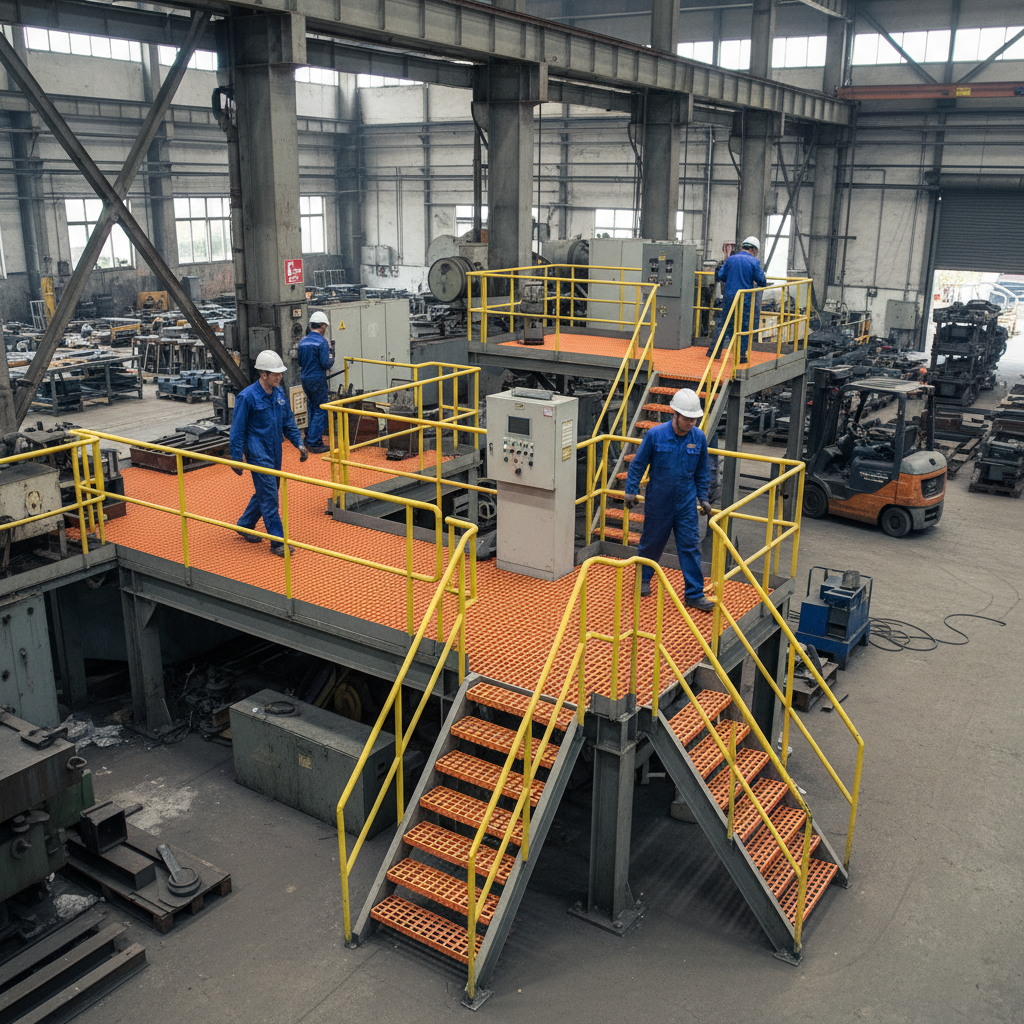
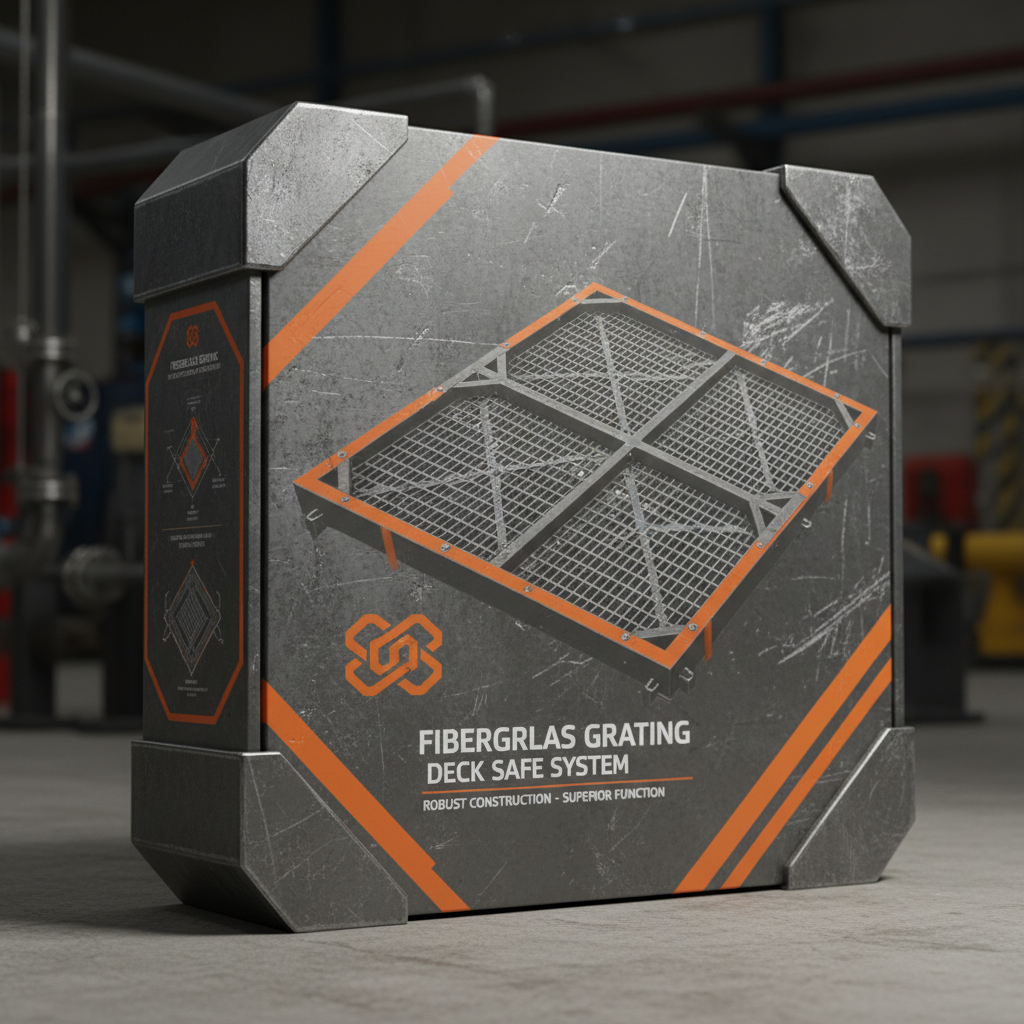
In the demanding landscapes of modern industrial infrastructure, the search for materials that balance structural integrity with extreme environmental resistance has led to the widespread adoption of grp mesh flooring. This advanced composite solution has redefined how engineers approach walkways, platforms, and drainage covers in corrosive environments where traditional steel would fail within months. By leveraging the synergistic properties of glass-reinforced plastic, industries can now implement flooring that is not only lightweight but virtually immune to chemical degradation.
The global shift toward sustainable and low-maintenance infrastructure is driving the demand for grp mesh flooring across the chemical, oil and gas, and wastewater treatment sectors. As international safety standards like ISO and OSHA become more stringent regarding slip resistance and structural load-bearing capacities, the flexibility of GRP composites allows for customized mesh patterns that meet specific safety requirements without adding excessive weight to the support structures.
Understanding the technical nuances of this material is critical for procurement managers and project engineers who aim to reduce the Total Cost of Ownership (TCO). While the initial investment in grp mesh flooring may differ from conventional grating, the elimination of painting, galvanizing, and frequent corrosion-related replacements provides a compelling economic advantage that ensures long-term operational continuity and personnel safety.
Global Relevance and Industrial Context of GRP Mesh Flooring
On a global scale, the industrialization of emerging economies and the upgrading of aging infrastructure in developed nations have placed a spotlight on grp mesh flooring. With the rise of mega-plants in the chemical and pharmaceutical sectors, the need for non-conductive, non-corrosive flooring has shifted from a "premium option" to a critical safety requirement. Statistics from global infrastructure reports indicate that corrosion costs worldwide amount to trillions of dollars annually, a problem that GRP technology directly mitigates.
The challenge has always been the trade-off between strength and longevity. Conventional steel grating, while strong, requires constant maintenance in saline or acidic environments. grp mesh flooring solves this by integrating high-strength glass fibers with a specialized resin matrix, ensuring that the flooring maintains its structural integrity even when exposed to harsh UV rays and aggressive chemicals.
Defining GRP Mesh Flooring in Modern Engineering
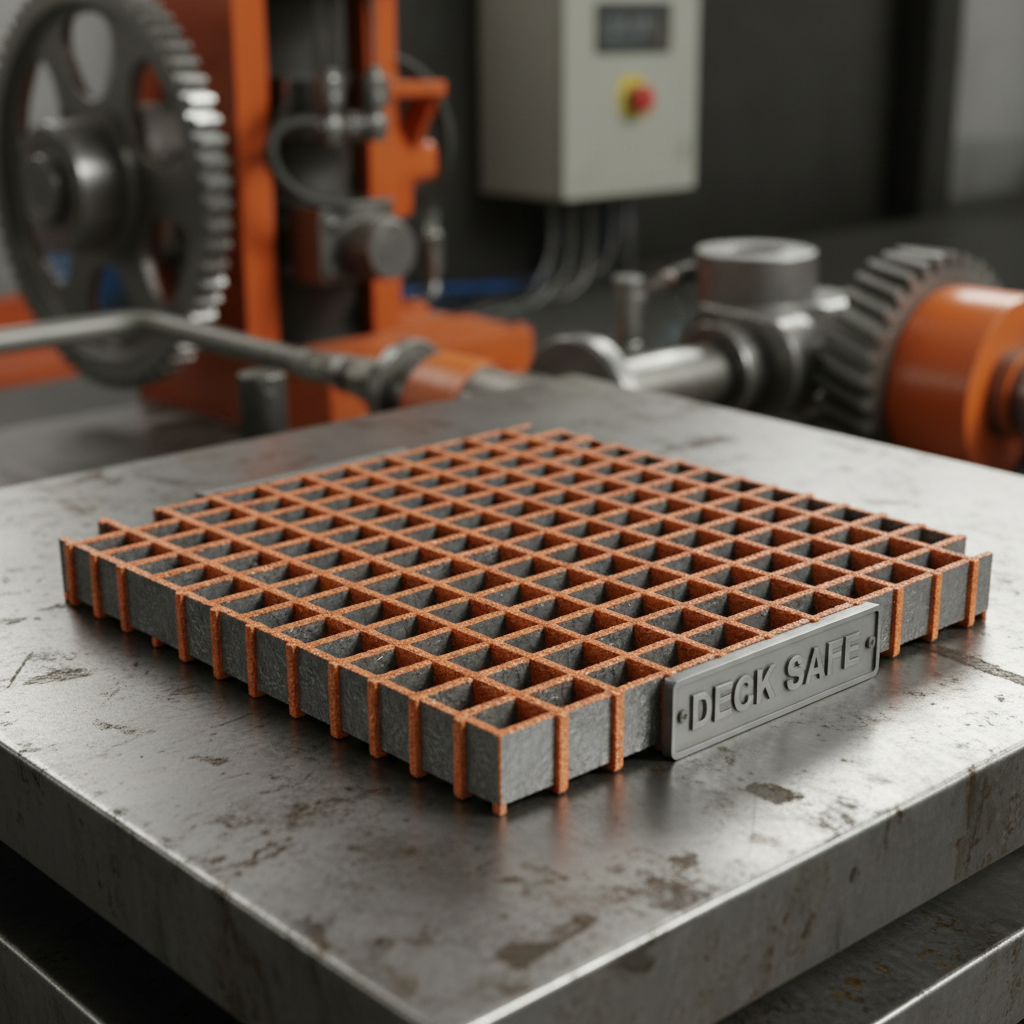
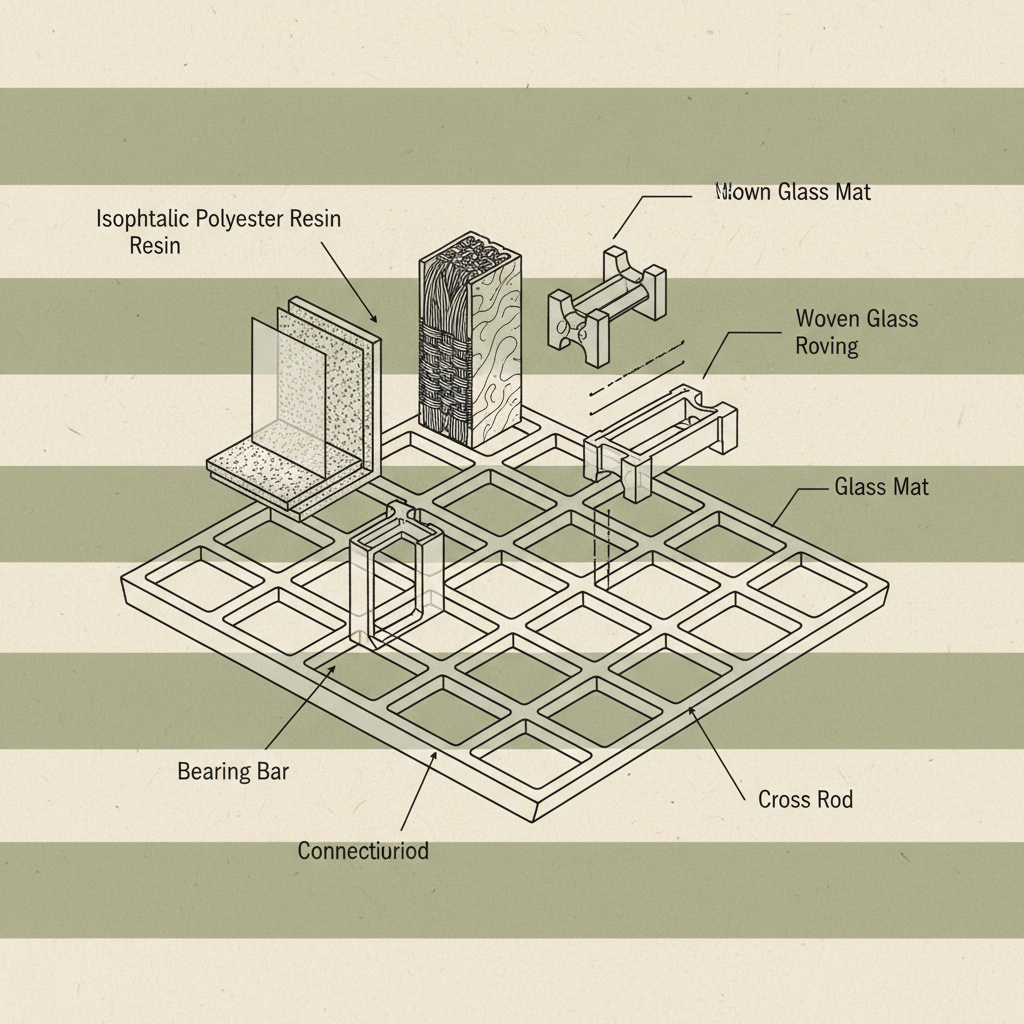
At its core, grp mesh flooring is a composite structural material manufactured through a process of pultrusion or molding, where glass fibers are reinforced with a polymer resin (typically polyester, vinylester, or epoxy). The "mesh" refers to the open-grid geometry that allows for the passage of liquids, air, and light, making it an ideal choice for drainage platforms and mezzanine floors in industrial settings.
Unlike traditional solid flooring, the mesh structure provides a high strength-to-weight ratio, which reduces the dead load on supporting beams and simplifies the installation process. This makes it an essential component in modern humanitarian and industrial needs, such as the rapid deployment of temporary walkways in disaster-hit areas or the construction of offshore oil rigs where every kilogram of weight is meticulously calculated.
The versatility of grp mesh flooring extends to its adaptability; it can be engineered with various grit finishes for anti-slip properties or infused with fire-retardant additives to comply with stringent building codes. This synergy of chemistry and mechanical engineering ensures that the flooring serves as a reliable interface between the workforce and the harsh industrial environment.
Core Components and Material Advantages
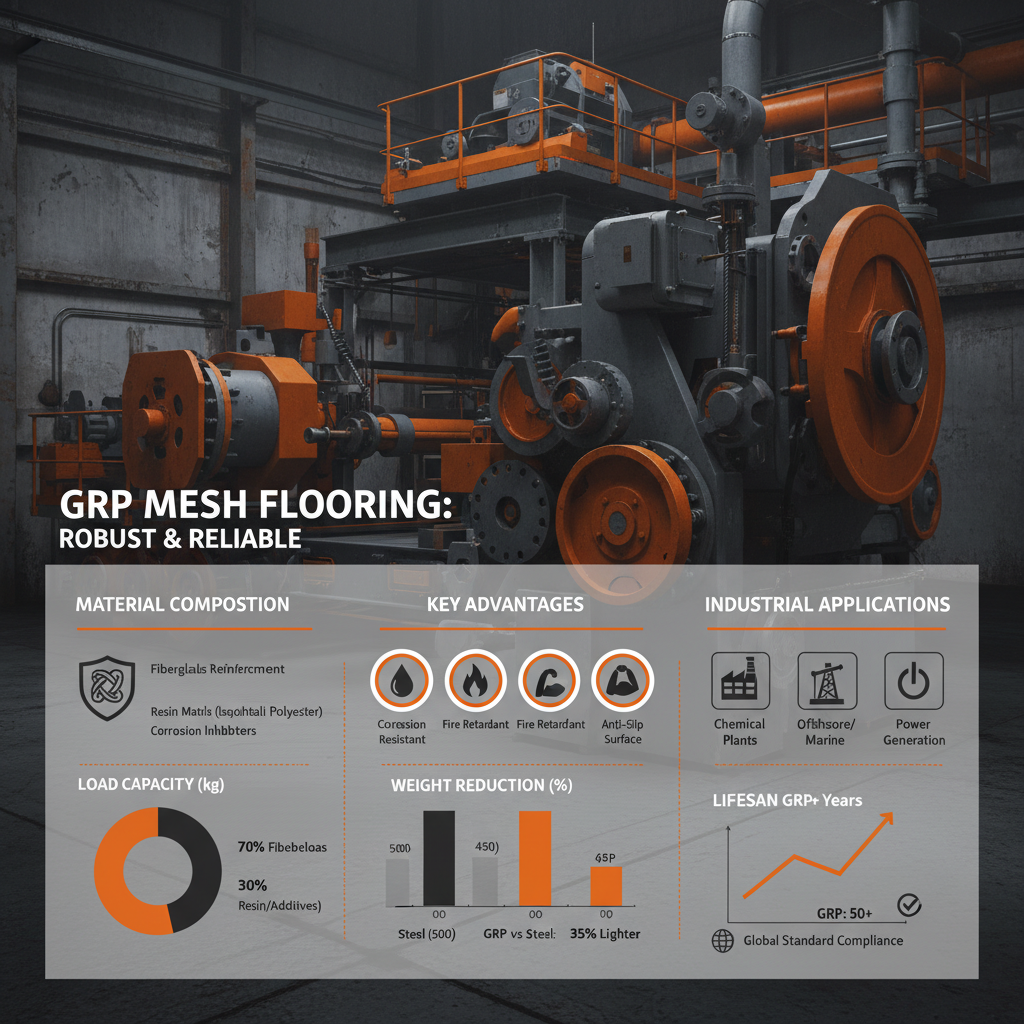
The superior performance of grp mesh flooring is derived from its two primary components: the reinforcement fibers and the resin matrix. The glass fibers provide the tensile strength and rigidity, while the resin acts as the binder and provides the chemical resistance. Depending on the application, vinylester resins are often chosen for their exceptional resistance to acids and alkalis, making the flooring nearly impervious to the most aggressive industrial solvents.
Durability is the hallmark of grp mesh flooring. Because it does not rust, rot, or corrode, the lifecycle of a GRP installation can be three to four times longer than that of galvanized steel. This longevity is complemented by a high level of scalability, as panels can be easily cut and fitted on-site using standard tools, significantly reducing labor costs during the construction phase.
Beyond physical strength, cost-efficiency is realized through the reduction of operational downtime. When grp mesh flooring is installed, the need for periodic repainting or chemical coating is entirely eliminated. This means that plants can operate longer without shutting down sections of the facility for flooring maintenance, translating directly into higher productivity and lower overhead costs.
Performance Metrics and Comparative Analysis
When evaluating the efficacy of grp mesh flooring, it is essential to look at quantitative data regarding load capacity, slip resistance, and chemical stability. Compared to aluminum or steel, GRP provides a unique balance: it is lighter than steel but more rigid than many plastics, allowing it to support heavy machinery and foot traffic while remaining non-conductive, which is a critical safety feature in electrical substations.
The following data illustrates how different configurations of grp mesh flooring perform across key industrial KPIs. By selecting the appropriate resin and fiber density, engineers can optimize the flooring for either maximum load-bearing or maximum chemical resistance.
Comparative Performance Rating of GRP Mesh Flooring Types
Global Applications and Real-World Use Cases
The application of grp mesh flooring spans across diverse geographical and industrial landscapes. In the coastal regions of Southeast Asia and the Middle East, where saltwater corrosion is a constant threat, GRP flooring is used extensively for piers, jetties, and offshore oil platforms. Its ability to withstand high humidity and salinity without degrading makes it the only viable long-term solution for maritime infrastructure.
In the industrial heartlands of Europe and North America, grp mesh flooring is the standard for chemical processing plants and wastewater treatment facilities. For instance, in a typical acid-scrubbing unit, the flooring must resist sulfuric acid spills while providing a secure, non-slip surface for operators. The implementation of GRP in these zones has significantly reduced workplace accidents and eliminated the costly "replace-every-two-years" cycle associated with metal gratings.
Long-Term Value and Sustainability Impact
From a financial perspective, the value of grp mesh flooring is realized through the lens of Life Cycle Costing (LCC). While the upfront cost may be higher than basic carbon steel, the absence of maintenance requirements—such as sanding, priming, and painting—creates a break-even point usually within the first three to five years of service. This reliability fosters a sense of trust and safety among the workforce, knowing that the ground beneath them is structurally sound regardless of the chemical exposure.
Sustainability is another pivotal advantage. The production of grp mesh flooring is increasingly moving toward the use of bio-resins and recycled glass fibers, reducing the carbon footprint of the manufacturing process. Furthermore, the extreme longevity of GRP means fewer replacement cycles, which reduces the volume of industrial waste sent to landfills and lowers the total energy consumption associated with the production and transport of replacement materials.
Ultimately, the adoption of these composite systems represents a shift toward "intelligent" infrastructure. By prioritizing materials that harmonize with their environment rather than fighting against it, companies can ensure a higher degree of operational resilience and align their physical assets with global ESG (Environmental, Social, and Governance) goals.
Future Trends and Technical Innovations in GRP
The evolution of grp mesh flooring is now entering a phase of digital and material integration. We are seeing the emergence of "smart" composites, where fiber-optic sensors are embedded within the GRP matrix during the pultrusion process. This allows for real-time structural health monitoring, enabling facility managers to detect stress fractures or overload conditions before they become safety hazards.
Additionally, the integration of nano-materials, such as graphene or carbon nanotubes, is being explored to further enhance the load-bearing capacity and thermal stability of the flooring. These innovations will allow grp mesh flooring to be used in even more extreme temperatures and higher-pressure environments, potentially replacing heavy-duty steel in heavy manufacturing zones.
As automation and 3D printing continue to advance, we expect to see the rise of additive manufacturing for customized GRP components. This will allow for the creation of complex, organic mesh geometries that are optimized for specific load paths, reducing material waste and further enhancing the strength-to-weight ratio of industrial flooring systems.
Technical Analysis and Specification Comparison of GRP Mesh Flooring
| Resin Type |
Chemical Resistance |
Load Bearing Capacity |
Typical Lifespan (Years) |
| Orthophthalic |
Moderate |
Standard |
10-15 |
| Isophthalic |
High |
Enhanced |
15-20 |
| Vinylester |
Very High |
High |
20-30 |
| Epoxy |
Extreme |
Superior |
30+ |
| Phenolic |
High (Fire Resistant) |
Standard |
15-25 |
| Hybrid Bio-Resin |
Moderate-High |
Moderate |
10-20 |
FAQS
The primary advantage is the complete elimination of corrosion. While galvanized steel is protected by a zinc layer, that layer eventually wears off, leading to rust. GRP mesh flooring is inherently non-corrosive throughout its entire thickness. Additionally, it is significantly lighter, non-conductive, and offers better slip resistance through integrated grit surfaces, reducing both maintenance costs and workplace injury risks.
Selection depends on the chemical environment. For general purpose and mild moisture, Orthophthalic resin is sufficient. For harsher industrial chemicals and better water resistance, Isophthalic is recommended. For extreme acid or alkali exposure, Vinylester is the industry standard. If the application requires maximum structural strength and thermal stability, Epoxy resins are the best choice. Always consult a technical datasheet for specific chemical compatibility.
Yes, but it depends on the resin. Most GRP composites can handle operational temperatures up to 80-100°C. For higher temperature requirements, specialized resins like phenolic or high-Tg epoxies are used to prevent softening (the Glass Transition Temperature). It is important to specify the maximum operating temperature during the ordering process to ensure the correct resin formulation is used.
Absolutely. One of the greatest practical benefits of GRP is its ease of installation. It can be cut using standard power tools, such as circular saws with diamond-tipped or carbide blades. Because it doesn't require welding or specialized joining equipment, installation is significantly faster than steel. We recommend wearing a mask during cutting to avoid inhaling glass fiber dust.
Depending on the environment and resin choice, a typical GRP installation lasts between 15 to 30+ years. In highly corrosive environments where steel might last only 2-5 years, GRP offers a massive leap in longevity. Its resistance to UV degradation (when provided with a quality surfacing veil) and chemical attacks ensures that it retains its structural properties for decades.
Yes, primarily through the reduction of lifecycle waste. Because it requires no toxic anti-corrosion paints and lasts significantly longer than metal, it reduces the frequency of replacement and the energy consumption associated with manufacturing. The industry is also moving toward bio-based resins and recycled glass, further enhancing its sustainability profile compared to traditional heavy metals.
Conclusion
In summary, grp mesh flooring represents a critical evolution in industrial materials, bridging the gap between extreme durability and operational efficiency. By combining the strength of glass fibers with the chemical resilience of polymer resins, it eliminates the perpetual cycle of corrosion and maintenance that plagues traditional metal gratings. From improving worker safety through superior slip resistance to reducing the total cost of ownership through longevity, the advantages of GRP are evident across every industrial metric.
Looking forward, the integration of smart sensing and sustainable bio-resins will only further solidify the role of composite flooring in the global infrastructure landscape. For enterprises seeking to future-proof their facilities, transitioning to GRP is not just a material upgrade, but a strategic investment in safety and sustainability. We invite you to explore the full range of our composite solutions to find the perfect fit for your specific environment. Visit our website: www.zjcomposites.com