In the modern landscape of industrial infrastructure, the demand for materials that can withstand extreme environments without succumbing to corrosion is higher than ever. composite grating has emerged as a revolutionary alternative to traditional steel and aluminum, providing a lightweight yet incredibly strong solution for flooring and walkways in chemical plants, wastewater treatment facilities, and marine environments.
The global shift toward sustainable and low-maintenance engineering has propelled the adoption of Fiber Reinforced Polymer (FRP) technology. By integrating high-strength glass fibers with specialized polymer resins, composite grating eliminates the perpetual cycle of painting, scraping, and replacing rusted metal, thereby reducing the total cost of ownership for facility managers worldwide.
Understanding the technical nuances and application-specific benefits of these materials is essential for engineers and procurement specialists. From ensuring worker safety with non-slip surfaces to meeting stringent ISO standards for chemical resistance, choosing the right composite grating is a strategic decision that impacts both operational efficiency and long-term structural integrity.
The Global Relevance of Composite Grating
Across the globe, the industrial sector is grappling with the escalating costs of infrastructure degradation. Traditional metal gratings, while strong, are prone to oxidation and corrosion, particularly in coastal regions or chemical processing zones. According to global industry trends, the shift toward non-corrosive materials has become a priority for organizations adhering to ISO safety standards to prevent structural failures and workplace accidents.
The introduction of composite grating addresses these challenges by offering a material that is chemically inert and structurally resilient. By replacing carbon steel with FRP composites, industries are seeing a drastic reduction in downtime and maintenance expenditure, allowing for a more seamless transition toward automated and sustainable industrial operations.
Defining Composite Grating in Modern Engineering
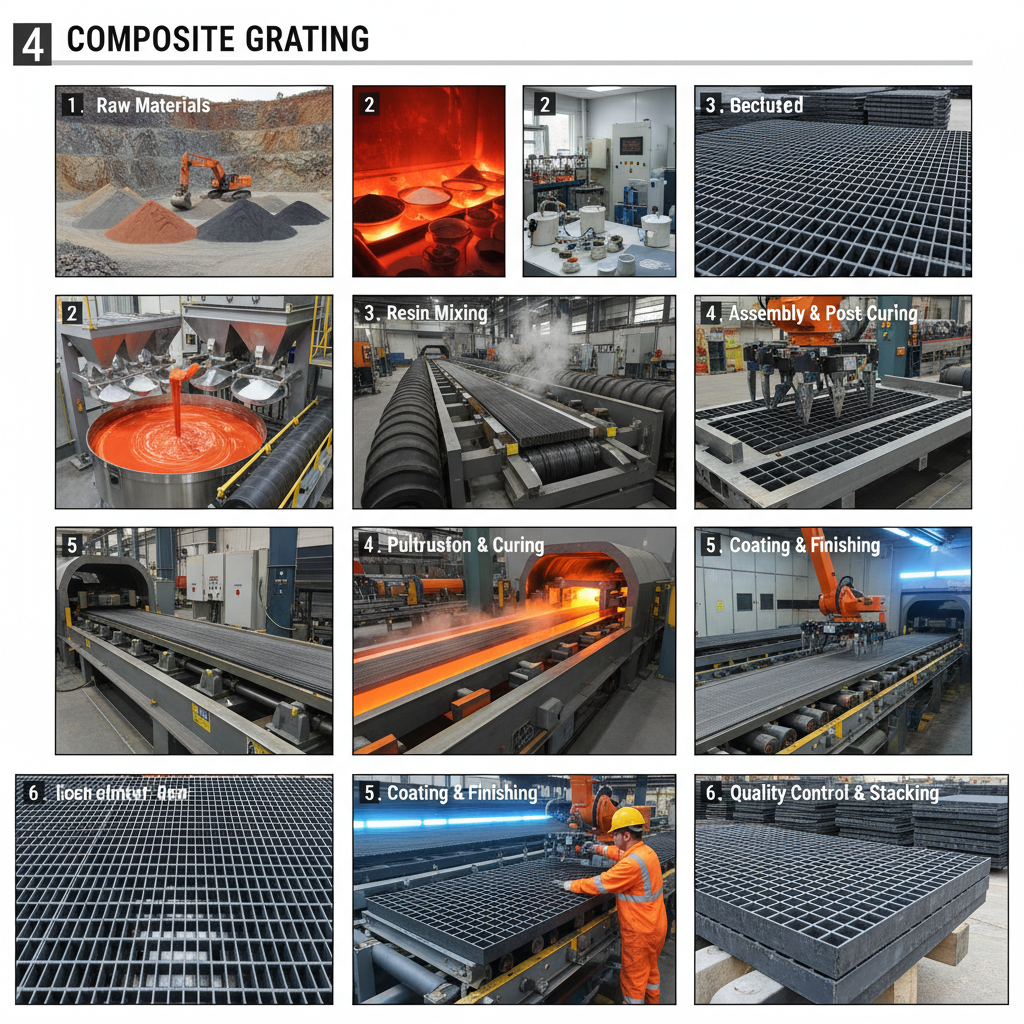
At its core, composite grating is a high-performance structural material manufactured through a process known as pultrusion. This process involves pulling continuous glass fibers through a resin bath and a heated die, resulting in a composite that combines the tensile strength of glass with the environmental resistance of polymers. Unlike monolithic materials, these composites are engineered to handle specific loads while remaining lightweight.
In the context of modern humanitarian and industrial needs, this material serves as more than just a floor; it is a critical safety component. Whether it is used in emergency bridge decking or as a platform in a water treatment plant, it provides a stable, non-conductive, and non-magnetic surface that ensures the safety of personnel in high-risk zones.
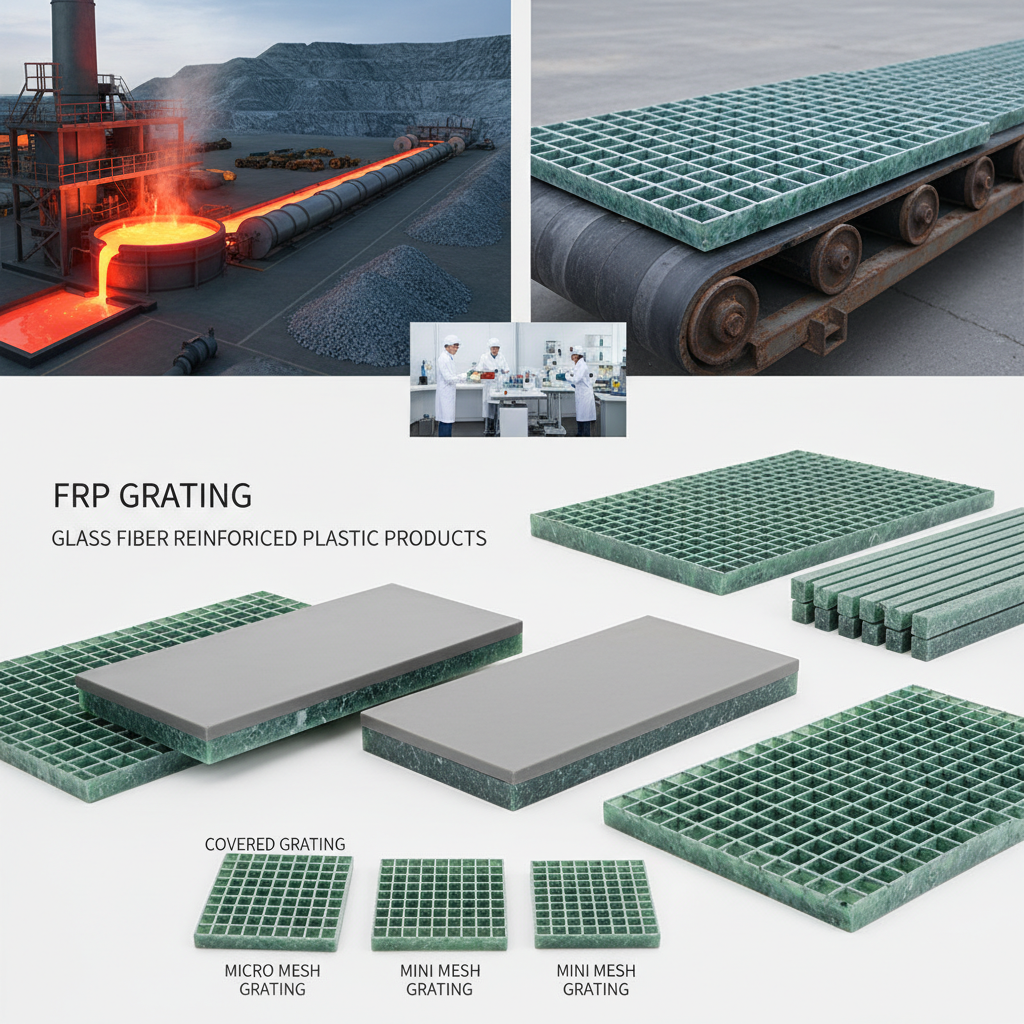
The versatility of composite grating allows it to be customized in terms of mesh size, resin type (such as vinyl ester for high chemical resistance), and surface grit. This adaptability ensures that whether the requirement is for a heavy-duty industrial walkway or a lightweight decorative cover, the material can be tailored to the exact technical specifications of the project.
Core Components of Composite Grating Performance
The durability of composite grating is primarily driven by its fiber-to-resin ratio. The glass fibers provide the load-bearing capacity, while the resin acts as the protective matrix that shields the fibers from moisture and chemicals. This synergy allows the grating to maintain its structural integrity in environments where steel would fail within months.
Another critical factor is the surface treatment. To prevent slips and falls—a leading cause of industrial injuries—composite grating often incorporates an integrated grit top or a concave surface. This ensures a high coefficient of friction even when the surface is contaminated with oil, water, or chemical spills.
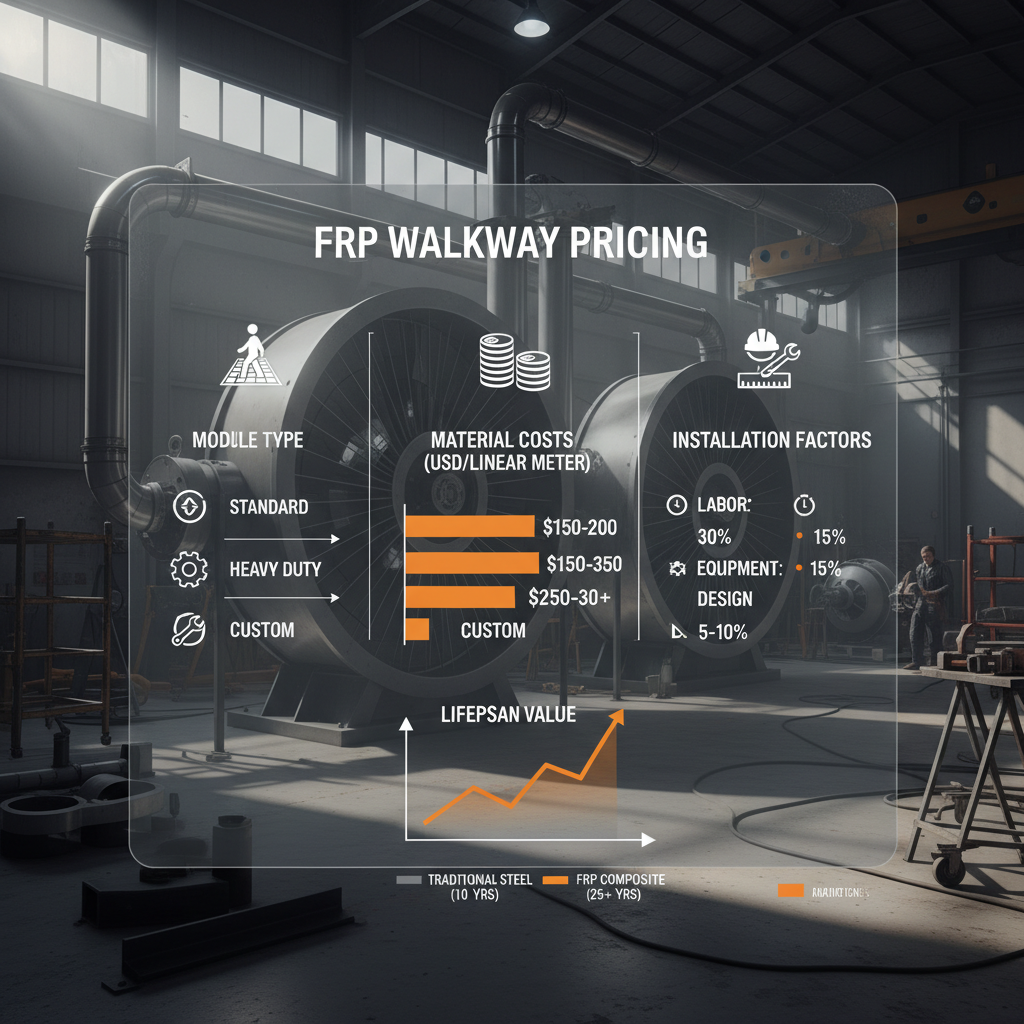
Finally, cost-efficiency is realized through the reduction of lifecycle expenses. While the initial procurement cost might be higher than basic mild steel, the absence of need for galvanization, painting, and frequent replacement makes it the most economical choice over a 20-year operational horizon.
Strategic Global Applications and Use Cases
In real-world applications, composite grating is indispensable in the oil and gas sector, where salt-spray and hydrocarbons create a highly corrosive atmosphere. From offshore drilling platforms in the North Sea to refineries in the Middle East, these materials ensure that walkways remain safe and structurally sound without the risk of rust-induced collapse.
Furthermore, in remote industrial zones and post-disaster relief operations, the lightweight nature of composite grating allows for rapid deployment. It can be transported more easily than concrete or steel and installed with basic tools, making it ideal for temporary flooring in emergency shelters or makeshift medical clinics.
Comparative Performance of Grating Materials
Long-Term Value and Sustainability Advantages
The tangible benefits of composite grating extend beyond simple physics to encompass environmental sustainability. Unlike metal production, which is carbon-intensive and requires frequent chemical treatments for rust prevention, FRP production has a lower overall environmental footprint over its lifecycle due to its extreme longevity.
From a psychological and social perspective, the use of high-quality composites signals a commitment to innovation and safety. Workers feel more secure on a surface that does not slip, does not spark, and does not degrade, fostering a culture of trust and reliability within the industrial workspace.
Future Innovations in Composite Materials
The future of composite grating is being shaped by the integration of "smart materials." We are seeing the development of gratings embedded with sensors that can detect structural fatigue or chemical leaks in real-time, effectively turning a simple walkway into a diagnostic tool for the entire facility.
Sustainability is also driving the shift toward bio-resins and recycled carbon fibers. These next-generation composites aim to maintain the legendary strength of composite grating while reducing reliance on petroleum-based polymers, aligning industrial growth with global green energy goals.
Furthermore, additive manufacturing (3D printing) is beginning to allow for the creation of complex, non-linear grating geometries that were previously impossible with pultrusion. This will enable bespoke architectural solutions where strength and aesthetics must coexist in harmony.
Overcoming Technical Challenges in Installation
Despite its advantages, the installation of composite grating requires a different approach than steel. Because FRP is a composite, it can be susceptible to "creep" or deflection if not properly supported. The solution lies in rigorous engineering calculations and the use of appropriate support spans to ensure stability under peak loads.
Another common challenge is the cutting and drilling of the material, which can cause fraying of the glass fibers if incorrect tools are used. Expert installers utilize diamond-tipped blades and specific RPM settings to ensure clean edges, which are then sealed with resin to prevent moisture ingress into the core.
By combining precision engineering with a deep understanding of material properties, these challenges are easily managed. The transition from traditional materials to composite grating is ultimately a move toward a more resilient, safer, and more sustainable industrial future.
Analysis of Composite Grating Implementation Factors
| Material Grade |
Chemical Resistance |
Load Capacity |
Service Life (Yrs) |
| Standard Polyester |
Moderate |
Medium |
10-15 |
| Isophthalic Polyester |
High |
Medium-High |
15-20 |
| Vinyl Ester (Premium) |
Exceptional |
High |
25+ |
| Phenolic (Fire Retardant) |
Moderate |
High |
20+ |
| Carbon Fiber Hybrid |
High |
Ultra-High |
30+ |
| Epoxy Coated |
Very High |
Medium |
15-20 |
FAQS
In corrosive environments, composite grating far outperforms galvanized steel. While steel begins to oxidize once the zinc coating is breached, FRP is inherently resistant to corrosion. In chemical plants, a composite solution can last 20-30 years without maintenance, whereas steel may require replacement every 5-10 years.
Yes, provided the correct grade is selected. Pultruded composite grating is engineered for high load-bearing capacity. By adjusting the bar thickness and support spacing, it can be designed to support heavy equipment and vehicular traffic, matching the structural performance of traditional metals.
Absolutely. Most industrial composite grating comes with a grit-top surface—integrated quartz or alumina particles—that provides a superior non-slip grip. This makes it significantly safer than smooth metal plates in environments where oils, lubricants, or water are frequently present.
It is actually easier. Because it is lightweight, it requires less heavy machinery for lifting and positioning. It can be cut on-site with standard power tools (using diamond blades), reducing the need for precise pre-fabrication and expensive welding on-site.
FRP is designed to remain stable across a wide temperature range. While not for use in furnaces, it handles extreme cold (preventing brittle fractures) and high ambient heat much better than many plastics, maintaining its shape and strength in most outdoor and industrial climates.
Yes. Its sustainability stems from its longevity. By eliminating the need for toxic anti-corrosion paints and reducing the frequency of replacement, the overall carbon footprint of the facility's infrastructure is lowered. Many manufacturers are also moving toward recyclable resins.
Conclusion
The adoption of composite grating represents a fundamental shift in industrial design, moving away from the "replace and repair" cycle of the steel age toward a "set and forget" philosophy of durability. By combining the strength of glass fibers with the resilience of advanced polymers, this material solves the most persistent problems of corrosion, safety, and maintenance costs in the most demanding environments on earth.
As we look toward the future of smart infrastructure and green building, the role of composite materials will only expand. We recommend that facility managers and engineers conduct a lifecycle cost analysis rather than focusing solely on initial price, as the long-term dividends in safety, reliability, and environmental impact make composite grating the only logical choice for modern industry. Visit our website: www.zjcomposites.com