In the demanding environments of modern industrial infrastructure, the choice of flooring and platform materials can dictate the long-term safety and operational efficiency of a facility. fiberglass grate panels have emerged as a superior alternative to traditional steel and aluminum, offering an unparalleled combination of corrosion resistance and structural strength. By leveraging advanced composite technology, these panels ensure that walkways and drainage systems remain intact even when exposed to the harshest chemical agents.
The global shift toward sustainable and low-maintenance materials is driving the adoption of Fiber Reinforced Polymer (FRP) solutions across multiple sectors. From wastewater treatment plants to offshore oil rigs, the implementation of fiberglass grate panels reduces the total cost of ownership by eliminating the need for frequent painting, galvanizing, or replacement due to rust. This transition is not merely about material substitution but about enhancing the safety of personnel who rely on non-slip, non-conductive surfaces.
Understanding the technical nuances of these composite systems allows engineers and procurement managers to optimize their infrastructure for longevity. Whether addressing the challenges of saline coastal air or the aggressive acidity of chemical processing plants, fiberglass grate panels provide a versatile engineering solution. This guide explores the depth of their application, the science behind their durability, and why they are becoming the industry standard for high-performance grating.
The Industrial Evolution of Fiberglass Grate Panels
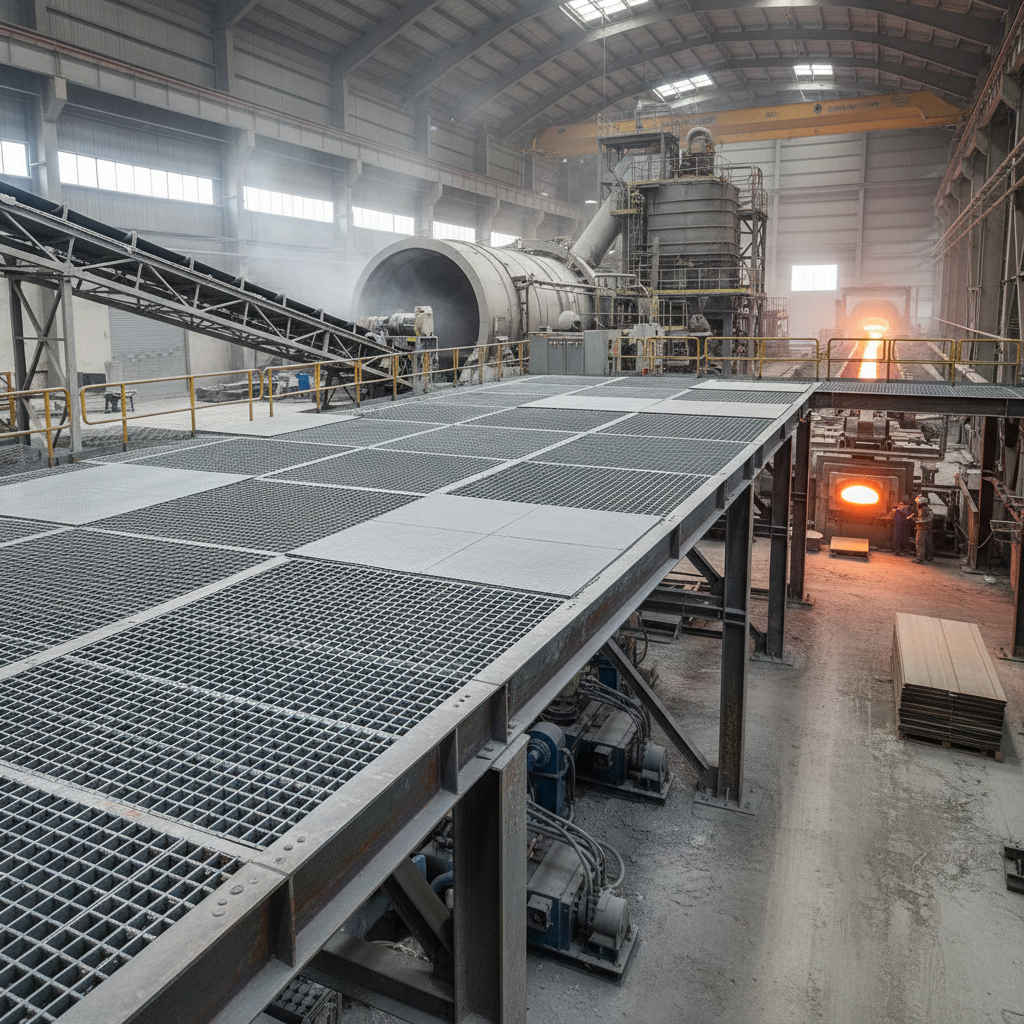
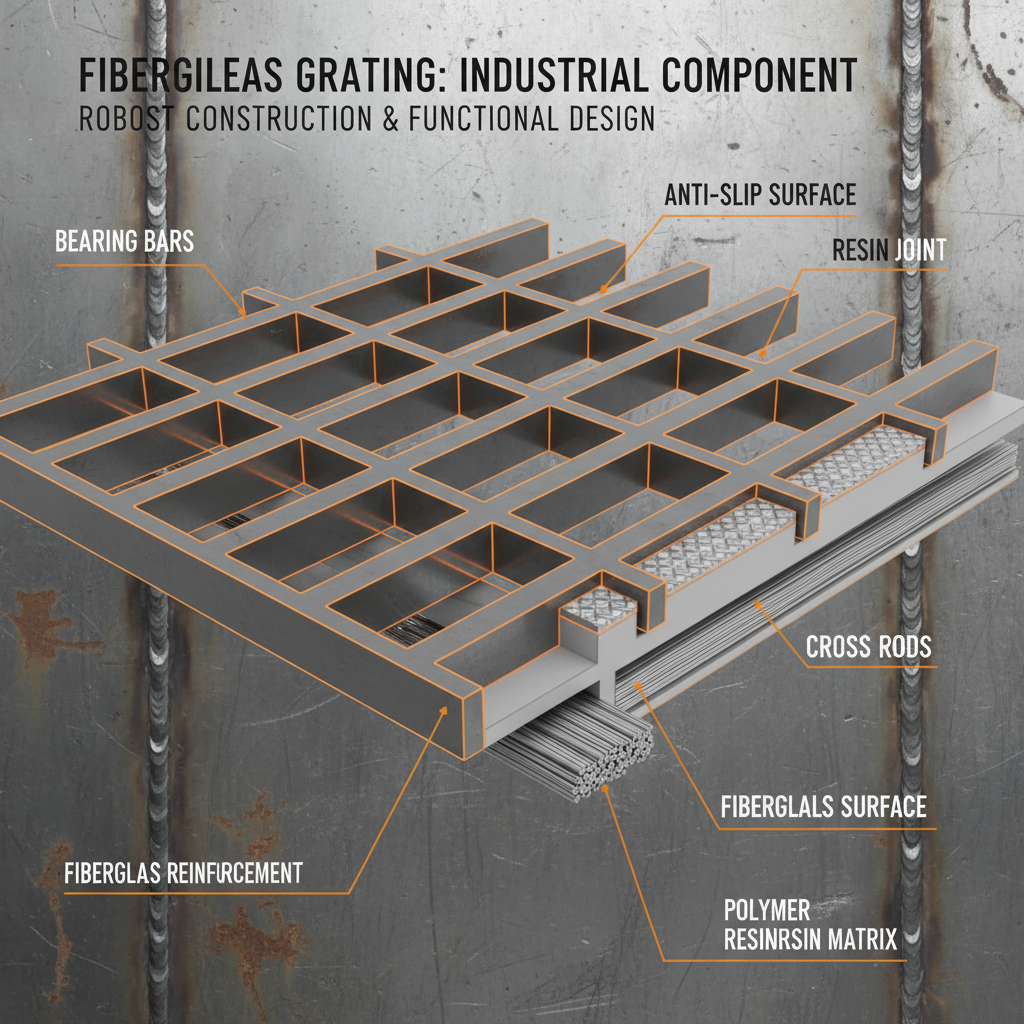
Historically, industrial grating was dominated by carbon steel, which, while strong, suffered from rapid oxidation in humid or chemically active environments. The introduction of fiberglass grate panels marked a paradigm shift in material engineering. By combining high-strength glass fibers with a polymer resin matrix, manufacturers created a product that possesses the load-bearing capabilities of metal without the inherent vulnerability to rust and corrosion.
Today, the adoption of these panels is aligned with ISO standards for safety and environmental management. In sectors where downtime is measured in thousands of dollars per hour, the transition to fiberglass composites ensures that critical access paths remain secure without the need for constant maintenance cycles, fundamentally changing how industrial plants approach their facility lifecycle management.
Core Material Science and Composition
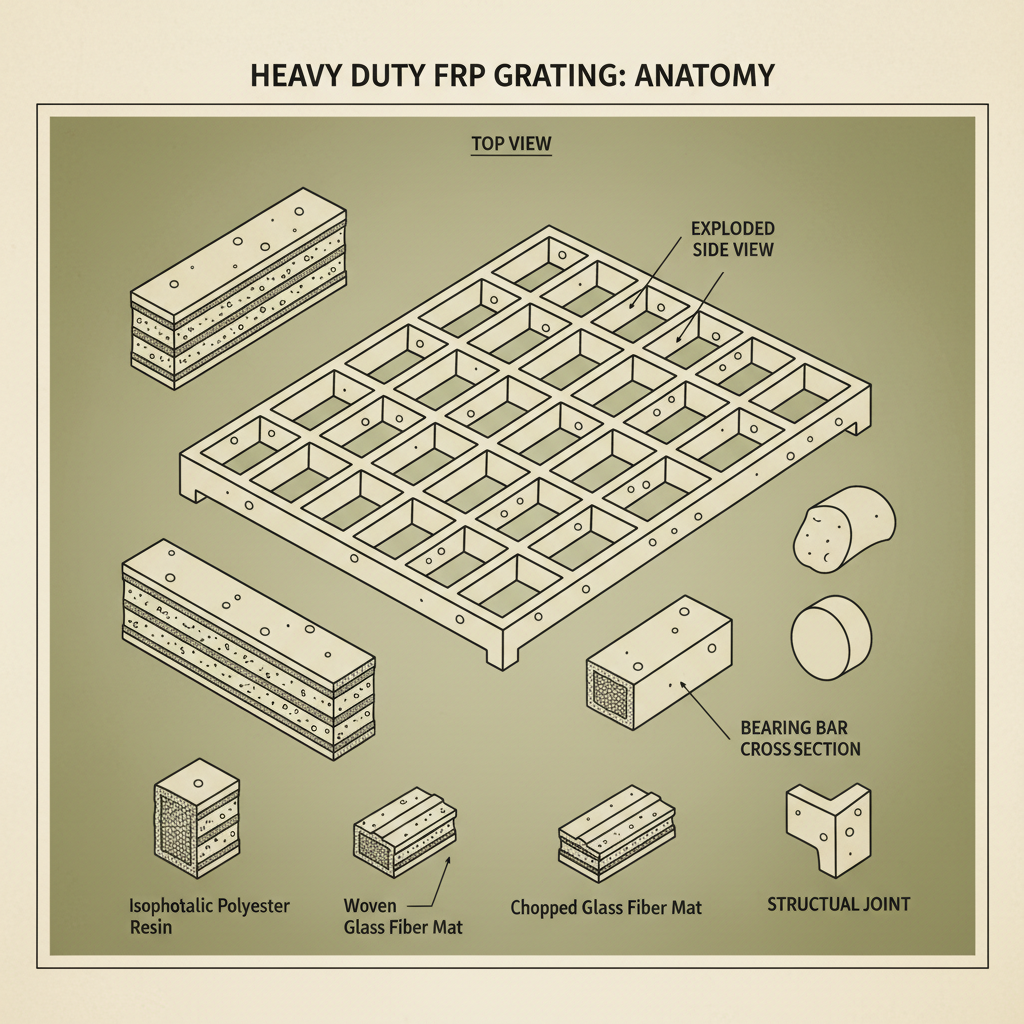
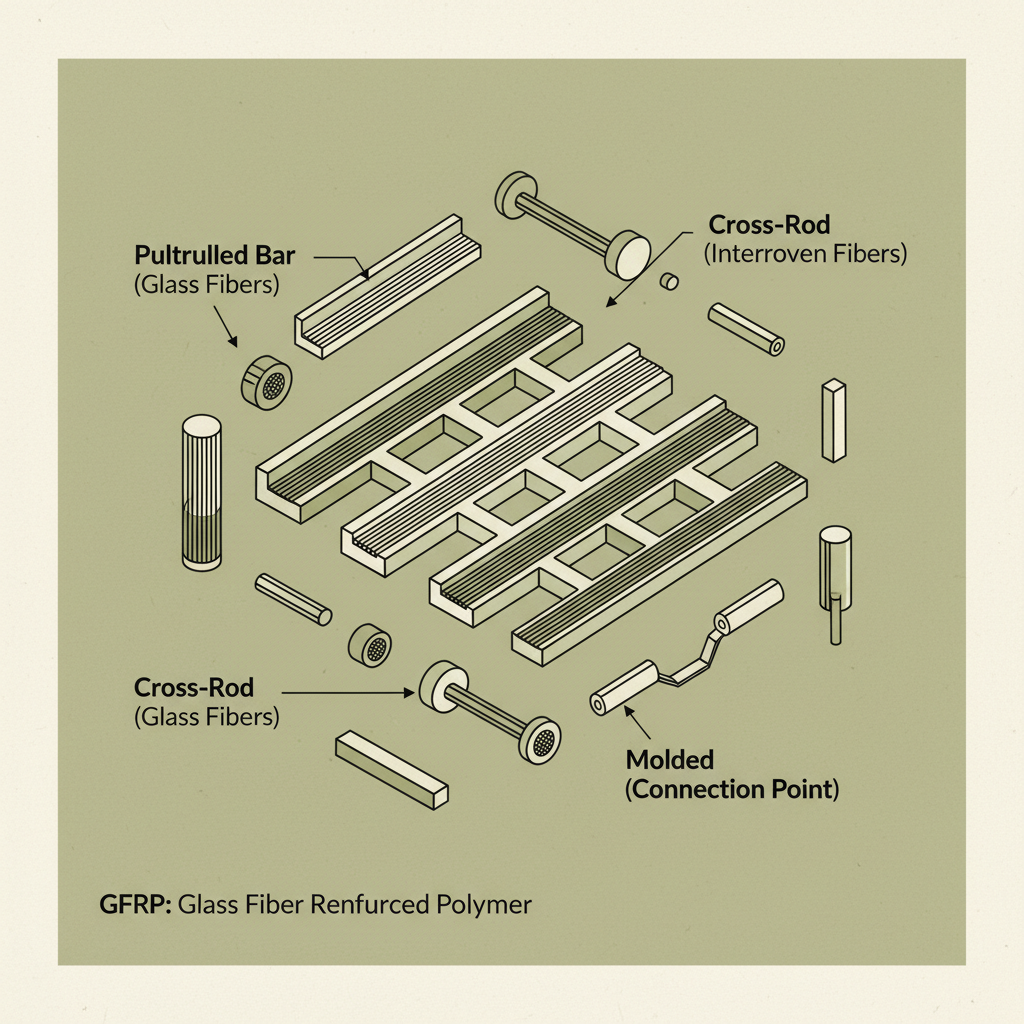
The exceptional properties of fiberglass grate panels stem from their composite nature. They are primarily composed of high-strength E-glass fibers that provide the structural skeleton, embedded within a thermosetting resin—typically polyester, vinyl ester, or epoxy. This synergy creates a material that is lightweight yet remarkably stiff, allowing for easy installation while supporting significant heavy-duty loads.
Resin selection is critical depending on the environment. For instance, vinyl ester resins are often employed in high-acid environments due to their superior chemical resistance compared to standard orthophthalic polyesters. This customization allows the grating to be tailored to specific industrial stressors, ensuring that the chemical bonds within the panel do not degrade when exposed to aggressive solvents or extreme temperature fluctuations.
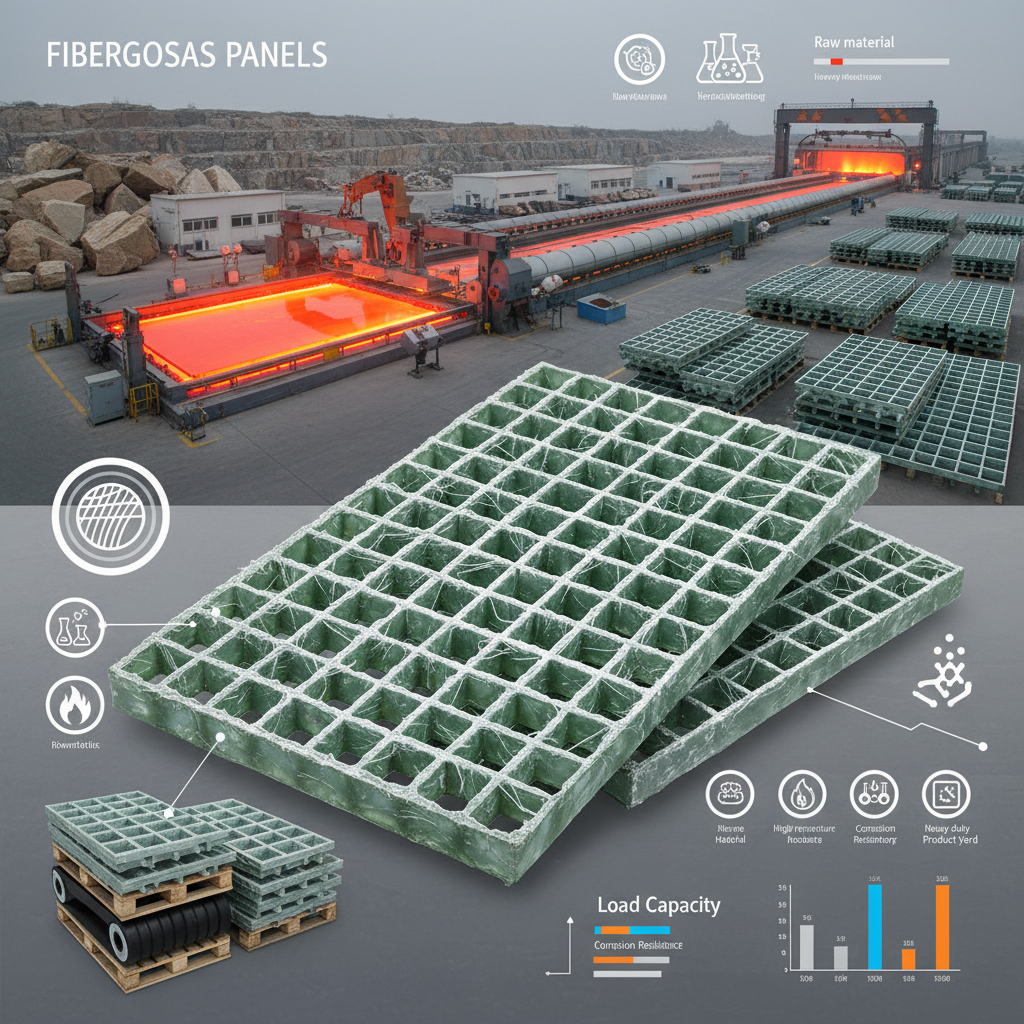
Furthermore, the manufacturing process—often pultrusion or molding—ensures a consistent distribution of fibers. This uniformity prevents weak points in the panel, ensuring that the load-bearing capacity is consistent across the entire surface area. When integrated with UV inhibitors, these panels also resist the degradation caused by prolonged sunlight exposure, making them ideal for outdoor installations.
Key Performance Factors for Durability
One of the primary factors determining the efficacy of fiberglass grate panels is their inherent corrosion resistance. Unlike metal, which reacts with oxygen and moisture, FRP composites are chemically inert to most acids, alkalis, and salts. This makes them indispensable in desalination plants and chemical refineries where metal gratings would fail within months.
Weight-to-strength ratio is another critical metric. fiberglass grate panels are significantly lighter than steel, which reduces the dead load on supporting structures and simplifies the logistics of transport and installation. This lightness does not come at the cost of safety; the panels are engineered to meet rigorous load-bearing specifications, ensuring stability under heavy foot traffic or equipment movement.
Finally, the non-conductive and non-magnetic nature of these panels adds a layer of safety in electrical environments. In power plants or electronic manufacturing facilities, using fiberglass grate panels eliminates the risk of electrical conductivity, protecting workers from potential shocks and preventing interference with sensitive magnetic equipment.
Global Application Standards and Use Cases
Across the globe, fiberglass grate panels are utilized in diverse sectors. In the oil and gas industry, they are the preferred choice for offshore platforms where the salty sea spray would destroy galvanized steel. Similarly, in municipal wastewater treatment plants, these panels provide a slip-resistant surface that resists the corrosive effects of hydrogen sulfide and other biogas byproducts.
In more specialized contexts, such as food and beverage processing, these panels are used because they do not flake or rust, ensuring that no metallic contaminants enter the production line. The ability to produce these panels in high-visibility colors also assists in safety zoning, marking hazardous areas or emergency exit paths clearly for personnel.
Performance Comparison of Grating Material Types
Long-Term Economic and Safety Value
When evaluating the cost of fiberglass grate panels, it is essential to look beyond the initial purchase price. While the upfront cost may occasionally be higher than basic carbon steel, the "Life Cycle Cost" (LCC) is significantly lower. The elimination of painting and anti-corrosion treatments, combined with a lifespan that often doubles or triples that of metal in harsh areas, results in substantial long-term savings.
From a safety perspective, the value is immeasurable. These panels are typically engineered with grit-top surfaces to prevent slips and falls, which are among the most common industrial accidents. The psychological peace of mind provided to workers—knowing they are walking on a surface that will not buckle due to hidden corrosion—enhances workplace morale and operational trust.
Future Trends in Composite Grating Tech
The future of fiberglass grate panels is leaning heavily toward "smart materials" and sustainability. We are seeing the integration of recycled glass fibers and bio-based resins to reduce the carbon footprint of production. This aligns with global ESG (Environmental, Social, and Governance) goals, making FRP a greener choice for the next generation of industrial builds.
Additionally, the integration of embedded sensors within the composite matrix is an emerging trend. These sensors can monitor structural health in real-time, alerting facility managers to excessive loading or structural fatigue before a failure occurs. This shift toward "predictive maintenance" ensures that safety is managed through data rather than just scheduled inspections.
Automation in the pultrusion process is also increasing precision. This allows for the creation of more complex geometries and tighter tolerances, enabling these panels to be integrated into modular construction systems that can be deployed rapidly in remote locations or disaster-relief zones.
Implementation Challenges and Expert Solutions
Despite their advantages, some engineers express concerns regarding the UV degradation of fiberglass grate panels. Over decades of intense sunlight, some resins can "bloom" or fade. The expert solution is the application of high-grade synthetic veils and UV-stable pigments during the manufacturing process, which creates a protective barrier that shields the glass fibers from the elements.
Another challenge is the calculation of span and deflection, as composites behave differently than steel under load. To solve this, manufacturers provide detailed load-deflection tables and engineering software. By accurately matching the panel thickness and resin type to the specific load requirements, engineers can avoid over-specifying materials while ensuring total structural integrity.
Finally, the installation of FRP requires different cutting tools than steel to avoid fraying the fibers. Using diamond-tipped blades and proper PPE to manage composite dust ensures a clean, professional finish. When these technical hurdles are managed with expert guidance, the results are an infrastructure that is virtually maintenance-free.
Comparative Analysis of Grating Material Specifications
| Material Type |
Corrosion Resistance |
Installation Speed |
Maintenance Need |
| Molded FRP Panels |
Excellent (10/10) |
Very Fast |
Minimal |
| Pultruded FRP Panels |
High (9/10) |
Fast |
Low |
| Galvanized Steel |
Moderate (5/10) |
Slow (Heavy) |
High (Painting) |
| Aluminum Grating |
Good (7/10) |
Fast |
Moderate |
| Stainless Steel |
High (8/10) |
Slow |
Low |
| Plastic Grating |
High (8/10) |
Very Fast |
Moderate |
FAQS
While steel has a higher absolute modulus of elasticity, fiberglass grate panels are engineered to meet specific load requirements for industrial use. Pultruded FRP, in particular, offers exceptional unidirectional strength that can support heavy machinery and foot traffic. The key difference is that FRP maintains this strength without the risk of structural compromise due to corrosion, which often weakens steel gratings over time.
Yes, but the temperature limit depends on the resin used. Standard polyester resins are suitable for moderate temperatures, while high-performance vinyl ester or phenolic resins are designed for elevated thermal environments. It is important to consult the technical data sheet to ensure the glass transition temperature (Tg) of the resin exceeds the operating temperature of your facility to prevent softening.
Absolutely. One of the main advantages of composite materials is the ability to choose the resin matrix. For instance, if your facility handles strong acids, a vinyl ester resin is recommended. For general purpose use, orthophthalic polyester is cost-effective. We can also add specialized additives to the resin to increase fire retardancy or enhance UV stability based on your site's specific needs.
Maintenance is minimal compared to metal. Most panels can be cleaned with standard industrial detergents and water. Because they do not rust, there is no need for scraping or repainting. For deep cleans in chemical plants, pressure washing is typically effective. We recommend periodic inspections to ensure that mounting clips remain tight and that no physical impact damage has occurred.
Yes, most industrial fiberglass grate panels are manufactured with an integrated grit top (typically silica sand or aluminum oxide). This creates a high-friction surface that is far more effective than smooth metal in the presence of oils, water, or chemicals. This significantly reduces the risk of slip-and-fall accidents in hazardous work zones.
FRP is increasingly seen as an eco-friendly choice because of its longevity. By lasting 3-4 times longer than steel in corrosive environments, it reduces the consumption of raw materials and energy associated with frequent replacements. Furthermore, the shift toward bio-resins and recycled glass fibers is further reducing the ecological footprint of the manufacturing process.
Conclusion
In summary, fiberglass grate panels represent a sophisticated evolution in industrial surfacing, merging the strength of glass reinforcement with the resilience of advanced polymers. By solving the perennial problem of corrosion and reducing the burden of maintenance, these composite systems provide a safer, more durable, and more cost-effective solution for modern infrastructure. From chemical plants to maritime platforms, the shift toward FRP is a move toward operational excellence and long-term reliability.
Looking ahead, the integration of sustainable resins and smart monitoring technologies will only further solidify the role of composite grating in the global market. For any facility manager or engineer looking to optimize their asset lifecycle and enhance worker safety, investing in high-quality fiberglass solutions is no longer just an option—it is a strategic necessity. To explore our full range of high-performance grating solutions, visit our website: www.zjcomposites.com