

News
-
When it comes to secure and durable perimeter protection, GRP mesh fencing stands out as a modern and effective solution. Offering superior strength, corrosion resistance, and a lightweight design, GRP (Glass Reinforced Polymer) mesh fencing is increasingly popular across various industries. This article provides an in-depth look at the benefits, applications, installation, and factors to consider when choosing GRP mesh fencing for your property. It’s a long-term investment providing security and peace of mind. GRP mesh fencing is constructed using a matrix of glass fibers held together by a resin, creating a composite material that’s remarkably strong yet surprisingly lightweight. Unlike traditional metal fencing, GRP does not rust, corrode, or require painting, leading to significantly reduced maintenance costs over its lifespan. The open mesh design offers excellent visibility and allows for airflow, making it a practical choice for a variety of applications.Read more
-
GRP (Glass Reinforced Plastic) palisade fencing offers a robust, secure, and aesthetically pleasing perimeter solution for a wide range of applications. Unlike traditional steel palisade, GRP provides corrosion resistance, low maintenance, and enhanced safety features. This article will delve into the benefits, applications, installation, and considerations when choosing a GRP palisade fence. Understanding the features and advantages of GRP can help you make an informed decision for your security needs. GRP palisade fencing is constructed from glass fibers reinforced with a resin matrix, creating a durable and lightweight material. This composition provides exceptional strength and resistance to corrosion, weathering, and impact. The pales, typically pointed or rounded, are securely fixed to horizontal rails and posts, forming a robust barrier. Because it is non-conductive, GRP palisade is a safe choice for locations near electrical installations.Read more
-
When choosing materials for walkways, platforms, or drainage systems, fiberglass reinforced plastic (FRP) grating offers a durable and corrosion-resistant alternative to traditional materials like steel. Specifically, 25mm FRP grating is a popular choice due to its optimal balance of strength, weight, and cost-effectiveness. This article will delve into the properties, applications, benefits, and considerations for using 25mm FRP grating. We'll explore why it’s becoming a preferred solution across various industries. 25mm FRP grating, also known as 25mm GRP (Glass Reinforced Polymer) grating, refers to a type of grating constructed from fiberglass strands embedded in a resin matrix. The '25mm' denotes the height of the grating’s profile. This height provides excellent load-bearing capacity. The FRP material is inherently resistant to corrosion, making it ideal for harsh environments. It’s manufactured using a pultrusion process, resulting in a consistent and strong grid structure. The combination of glass fibers and resin creates a lightweight yet incredibly strong material suitable for a wide range of industrial applications.Read more
-
Looking for a robust, low-maintenance, and aesthetically pleasing fencing solution? GRP (Glass Reinforced Polymer) fencing offers a compelling alternative to traditional materials like wood, metal, and concrete. This article will delve into the benefits of GRP fencing, its applications, installation considerations, and why ZJ Composites is a leading provider of high-quality GRP fencing solutions. Choosing the right fencing can significantly enhance the security, aesthetic appeal, and longevity of your property. GRP fencing, also known as fiberglass fencing, is a composite material made from glass fibers held together by a resin matrix. This combination results in a material that is remarkably strong, lightweight, and corrosion-resistant. Unlike traditional fencing materials, GRP doesn’t rot, rust, or require painting, significantly reducing long-term maintenance costs. It’s an excellent choice for harsh environments, including coastal areas, industrial sites, and agricultural settings.Read more
-
Fiber Reinforced Polymer (FRP), commonly known as Glass Reinforced Plastic (GRP), platforms are increasingly popular across various industries for their durability, corrosion resistance, and lightweight properties. Choosing the right GRP platform solution involves understanding the essential steps in design, fabrication, and installation. This article details these GRP platform steps, ensuring a safe and efficient implementation. Properly designed and installed GRP platforms offer a long-term, cost-effective solution for access and working areas. The initial stage involves a thorough assessment of the platform's intended use. Consider factors such as load capacity (static and dynamic), environmental conditions (temperature, humidity, exposure to chemicals), and accessibility requirements. Accurate load calculations are paramount for ensuring structural integrity. Determine the dimensions of the platform, the number of access points, and any specific features like handrails or toe boards. Detailed specifications should be documented, serving as a blueprint for the subsequent phases.Read more
-
Efficient cooling is vital for many industrial processes, and cooling towers play a critical role in maintaining optimal temperatures. FRP (Fiber Reinforced Polymer) louvers are increasingly becoming the preferred choice for cooling tower air intake due to their exceptional performance characteristics and durability. This article explores the benefits of FRP louvers, their applications, material properties, and why Zhejiang Composites is a leading provider of high-quality cooling tower louvers. Traditional materials like wood and metal are susceptible to corrosion, rot, and require frequent maintenance. FRP louvers overcome these limitations, offering significant advantages. These include exceptional corrosion resistance, even in harsh chemical environments; a lightweight design that simplifies installation and reduces structural load; and high strength-to-weight ratio for long-lasting durability. Furthermore, FRP louvers are non-conductive, reducing the risk of electrical hazards. The ability to customize louvers to specific cooling tower requirements is another key benefit, optimizing airflow and performance. Investing in FRP louvers translates to lower lifecycle costs and improved operational efficiency.Read more
-
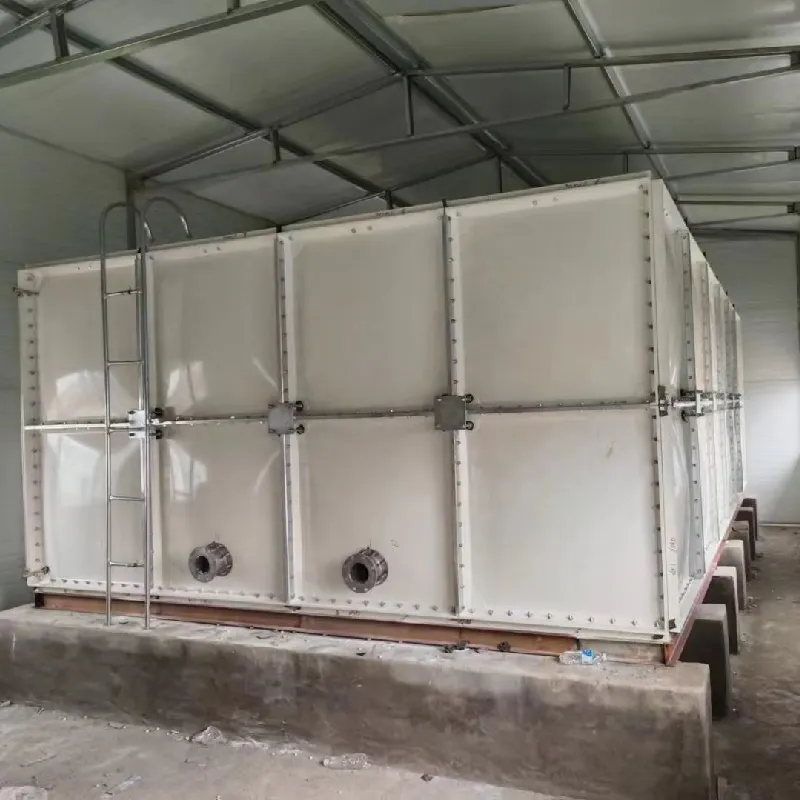 Discover durable and hygienic SMC FRP water storage solutions. Advanced corrosion resistance and modular design ensure long-lasting performance. Explore Zhaojia Composites Co., Ltd quality assurance: https://www.zjcomposites.comRead more
 -
Fiber Reinforced Polymer (FRP) louvers are increasingly popular in various architectural and industrial applications due to their exceptional durability, corrosion resistance, and lightweight properties. This article provides a detailed overview of FRP louvers, covering their benefits, applications, design considerations, and why choosing a reliable supplier like ZJ Composites is crucial for a successful project. We’ll explore how FRP louvers outperform traditional materials and contribute to long-term cost savings. FRP louvers are constructed from a composite material consisting of reinforcing fibers (typically fiberglass) embedded in a polymer matrix (like polyester, vinyl ester, or epoxy). This combination creates a material that is significantly stronger and more durable than traditional materials like wood or aluminum, while being much lighter. The inherent corrosion resistance of FRP makes it ideal for harsh environments, eliminating the need for frequent painting and maintenance.Read more
-
When considering liquid storage solutions, HDG pressed steel tanks represent a robust and reliable option for a diverse range of industries. These tanks, constructed from high-grade steel and finished with hot-dip galvanization, offer exceptional durability and corrosion resistance. This article will provide an in-depth look at the benefits, applications, construction, and considerations when choosing an HDG pressed steel tank. Choosing the right storage tank is crucial for ensuring the safe and efficient containment of various liquids, and we'll explore why HDG pressed steel tanks are a trusted solution for many businesses. HDG (Hot-Dip Galvanized) pressed steel tanks are manufactured by pressing steel plates into the desired shape and then galvanizing them. The hot-dip galvanization process involves coating the steel with a layer of zinc, providing superior corrosion protection.Read more
-
When it comes to water storage solutions, selecting the right tank is crucial for a wide range of applications, from agriculture and industrial processes to rainwater harvesting and emergency water supplies. Large square water tanks from ZJ Composites offer a robust, efficient, and cost-effective solution. This article provides an in-depth look at the benefits, applications, and considerations when choosing a large square water tank, helping you make an informed decision for your specific needs. Ensuring a reliable water source is vital for many operations, and the right tank can make all the difference. Compared to traditional round water tanks, large square water tanks offer several significant advantages. Their efficient shape maximizes space utilization, making them ideal for locations where space is limited. They fit neatly into corners and against walls, optimizing layout and minimizing wasted area.Read more
-
Square water tanks with cages are increasingly popular solutions for safe and reliable water storage across various industries, including agriculture, construction, and emergency response. These tanks offer a robust and secure way to contain water, protecting it from contamination and damage. At ZJ Composites, we specialize in manufacturing high-quality, durable square water tanks designed to meet diverse needs. This article will delve into the benefits, applications, construction, and factors to consider when choosing a square water tank with a cage. Ensuring a consistent water supply is critical, and the right storage solution can make all the difference. Compared to traditional cylindrical tanks, square water tanks offer several key advantages. Their rectangular shape maximizes space utilization, making them ideal for areas with limited footprint. The cage provides crucial structural support and protection against external impacts, enhancing the tank’s durability.Read more
-
Square poly water tanks are becoming increasingly popular for a wide range of applications, from agricultural water storage to industrial processes. Their durable construction, cost-effectiveness, and convenient shape make them a preferred choice over traditional materials. This article will delve into the benefits, applications, and considerations when choosing a square poly water tank, providing valuable insights for potential buyers. Investing in the right water storage solution is vital for efficiency and sustainability. Square poly water tanks offer several advantages over round tanks or other storage options. Their space-efficient design maximizes storage capacity in limited areas, making them ideal for urban or industrial settings. They are lightweight yet incredibly durable, constructed from high-density polyethylene (HDPE) that resists corrosion, UV degradation, and impact. The flat sides also simplify installation and connection to piping systems.Read more