
loading...
- No. 9, Xingyuan South Street, Dongwaihuan Road, Zaoqiang County, Hengshui, Hebei, China
- admin@zjcomposites.com
- +86 15097380338
- Welcome to visit our website!

Comprehensive Guide to Durable Square Poly Water Tanks and Their Applications
Understanding Square Poly Water Tanks: A Comprehensive Guide
Square poly water tanks are becoming increasingly popular for a wide range of applications, from agricultural water storage to industrial processes. Their durable construction, cost-effectiveness, and convenient shape make them a preferred choice over traditional materials. This article will delve into the benefits, applications, and considerations when choosing a square poly water tank, providing valuable insights for potential buyers. Investing in the right water storage solution is vital for efficiency and sustainability.
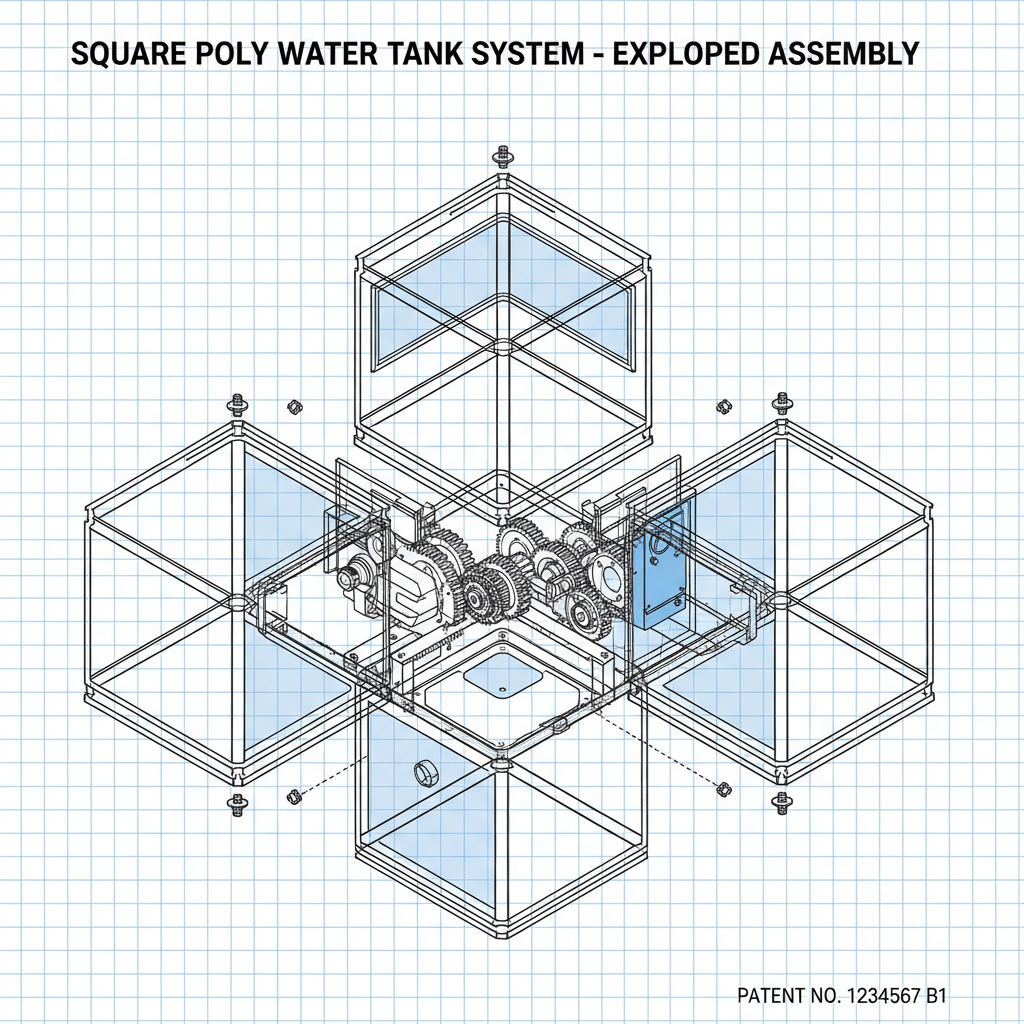
Key Benefits of Square Poly Water Tanks
Square poly water tanks offer several advantages over round tanks or other storage options. Their space-efficient design maximizes storage capacity in limited areas, making them ideal for urban or industrial settings. They are lightweight yet incredibly durable, constructed from high-density polyethylene (HDPE) that resists corrosion, UV degradation, and impact. The flat sides also simplify installation and connection to piping systems. Moreover, poly water tanks require minimal maintenance and are a cost-effective long-term solution.
Key Highlights: Space-efficient design, durable HDPE construction, easy installation, minimal maintenance, and cost-effectiveness.
Common Applications of Square Poly Water Tanks
The versatility of square poly water tanks makes them suitable for a diverse range of applications. In agriculture, they store irrigation water, rainwater harvesting, and liquid fertilizers. Industrial facilities use them for process water, chemical storage (compatible chemicals only), and fire suppression. Residential applications include rainwater collection for garden use and potable water storage (with appropriate filtration). They are also commonly found in emergency water supplies, construction sites, and even aquaponics systems. ZJ Composites offers solutions tailored to these various needs.
Application Examples:
• Agricultural Irrigation
• Industrial Process Water
• Rainwater Harvesting
• Emergency Water Storage
Square Poly Water Tanks: Key Specifications & Comparison
When selecting a square poly water tank, it's essential to consider capacity, dimensions, and material specifications. Tanks are available in a variety of sizes, ranging from small 100-gallon tanks to large 10,000-gallon or larger options. HDPE material grade is also crucial – look for tanks made from food-grade, UV-stabilized HDPE. Here's a comparison of common tank sizes and their typical applications:
Factors to Consider When Choosing a Square Poly Water Tank
Beyond capacity, several factors influence the best choice. Consider the intended use of the water. If storing potable water, ensure the tank is certified for drinking water applications. Also, evaluate the climate. In regions with extreme temperatures, look for tanks with enhanced UV protection and insulation. Access for cleaning and maintenance is another important factor. Finally, consider the tank’s outlet size and location for compatibility with your existing plumbing system. ZJ Composites can help you navigate these considerations.
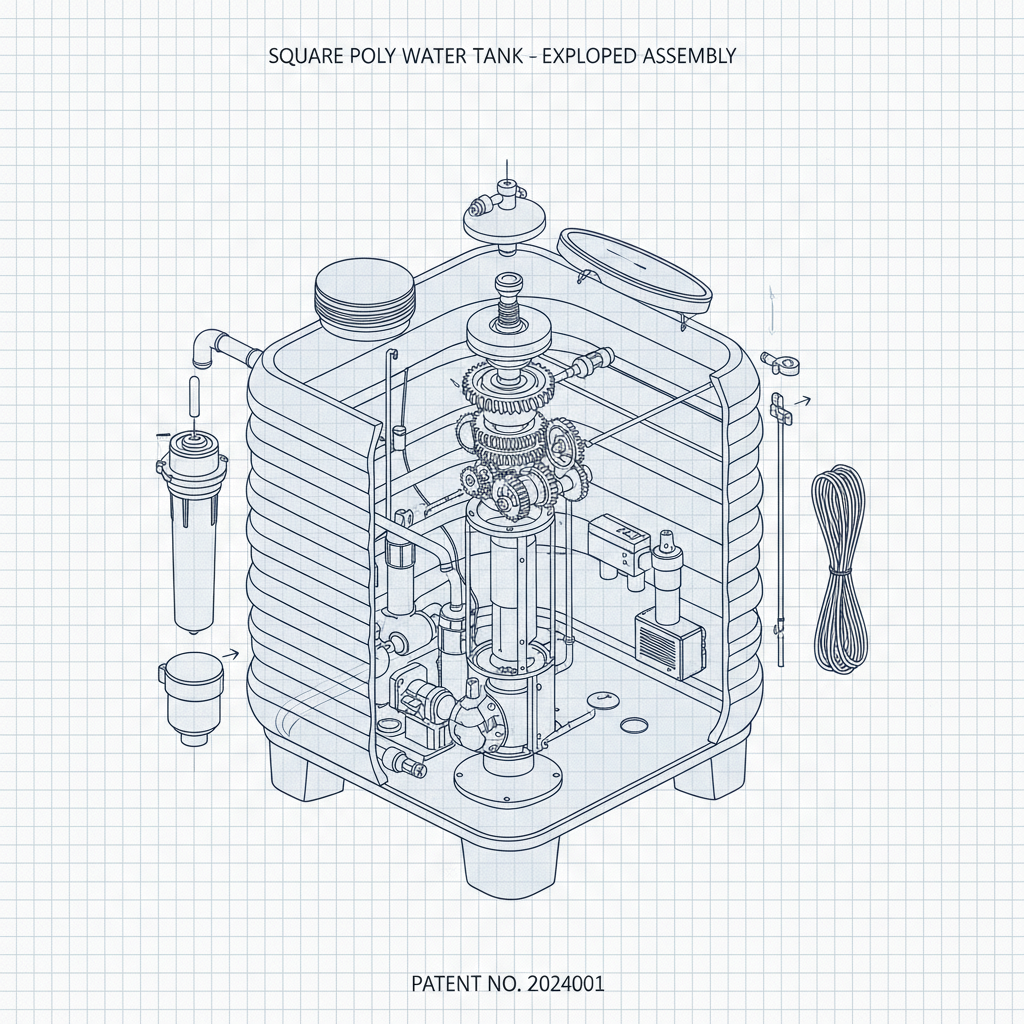
Long-Term Maintenance and Care
Square poly water tanks are relatively low-maintenance, but regular inspection is crucial. Check for cracks, leaks, or damage to the tank's surface. Clean the tank periodically to prevent algae growth and maintain water quality. Avoid harsh chemicals or abrasive cleaners. Proper winterization is also essential in colder climates to prevent freezing and potential damage. Following these simple maintenance steps will ensure a long lifespan for your investment.
Conclusion: A Reliable Water Storage Solution
Square poly water tanks offer a durable, cost-effective, and versatile solution for a wide array of water storage needs. By carefully considering your specific requirements and choosing a reputable supplier like ZJ Composites, you can ensure a reliable and long-lasting water storage solution.
Frequently Asked Questions (FAQs)
What is the lifespan of a square poly water tank?
With proper care and maintenance, a high-quality square poly water tank can last for 15-20 years or even longer. Factors affecting lifespan include UV exposure, temperature fluctuations, and the quality of the HDPE material. Regularly inspecting for cracks or damage and protecting the tank from extreme weather conditions will maximize its longevity. It’s also important to consider the type of liquid stored, as certain chemicals can degrade the plastic over time.
Are square poly water tanks safe for drinking water?
Yes, but only if the tank is specifically manufactured from food-grade, BPA-free HDPE. Look for tanks that meet NSF/ANSI 61 standards for drinking water system components. These tanks are designed to prevent leaching of harmful chemicals into the water supply. It's also recommended to use a filtration system to ensure the water meets your local drinking water standards.
Can square poly water tanks withstand freezing temperatures?
Square poly water tanks can withstand some freezing, but it’s important to take precautions. Water expands when it freezes, which can put stress on the tank walls. It’s best to drain the tank completely during periods of prolonged freezing temperatures. Alternatively, you can leave a small amount of water in the tank to allow for expansion without causing damage. Insulating the tank can also help to prevent freezing.
What is the best way to clean a square poly water tank?
Regular cleaning is essential to maintain water quality. Drain the tank completely and use a mild detergent and water solution. Avoid abrasive cleaners or harsh chemicals, as these can damage the plastic. Use a soft brush or sponge to scrub the interior surfaces. Rinse thoroughly with clean water and allow the tank to air dry before refilling. For heavily soiled tanks, a diluted bleach solution (follow manufacturer’s instructions carefully) can be used, but ensure thorough rinsing afterwards.
-
High Quality Fiberglass Rods for Electric Fence Insulation GuideNewsApr.16,2026
-
Benefits and Guide of Installing a White Fiberglass FenceNewsApr.09,2026
-
Choosing the Right Fibreglass Fence for Property Enhancement and LongevityNewsApr.07,2026
-
Comprehensive Guide to Durable Fiberglass Fence Rods and Their ApplicationsNewsMar.31,2026
-
Comprehensive Guide to Durable Fiberglass Fence Post Solutions for Various ApplicationsNewsMar.28,2026
-
Comprehensive Guide to Fiberglass Fencing Benefits and ApplicationsNewsMar.26,2026
-
Comprehensive Guide to Choosing the Right Safety Guard System for Industrial ProtectionNewsMar.24,2026