
loading...
- No. 9, Xingyuan South Street, Dongwaihuan Road, Zaoqiang County, Hengshui, Hebei, China
- admin@zjcomposites.com
- +86 15097380338
- Welcome to visit our website!

Comprehensive Guide to HDG Pressed Steel Tank Solutions and Applications
HDG Pressed Steel Tank: A Comprehensive Guide
When considering liquid storage solutions, HDG pressed steel tanks represent a robust and reliable option for a diverse range of industries. These tanks, constructed from high-grade steel and finished with hot-dip galvanization, offer exceptional durability and corrosion resistance. This article will provide an in-depth look at the benefits, applications, construction, and considerations when choosing an HDG pressed steel tank. Choosing the right storage tank is crucial for ensuring the safe and efficient containment of various liquids, and we'll explore why HDG pressed steel tanks are a trusted solution for many businesses.
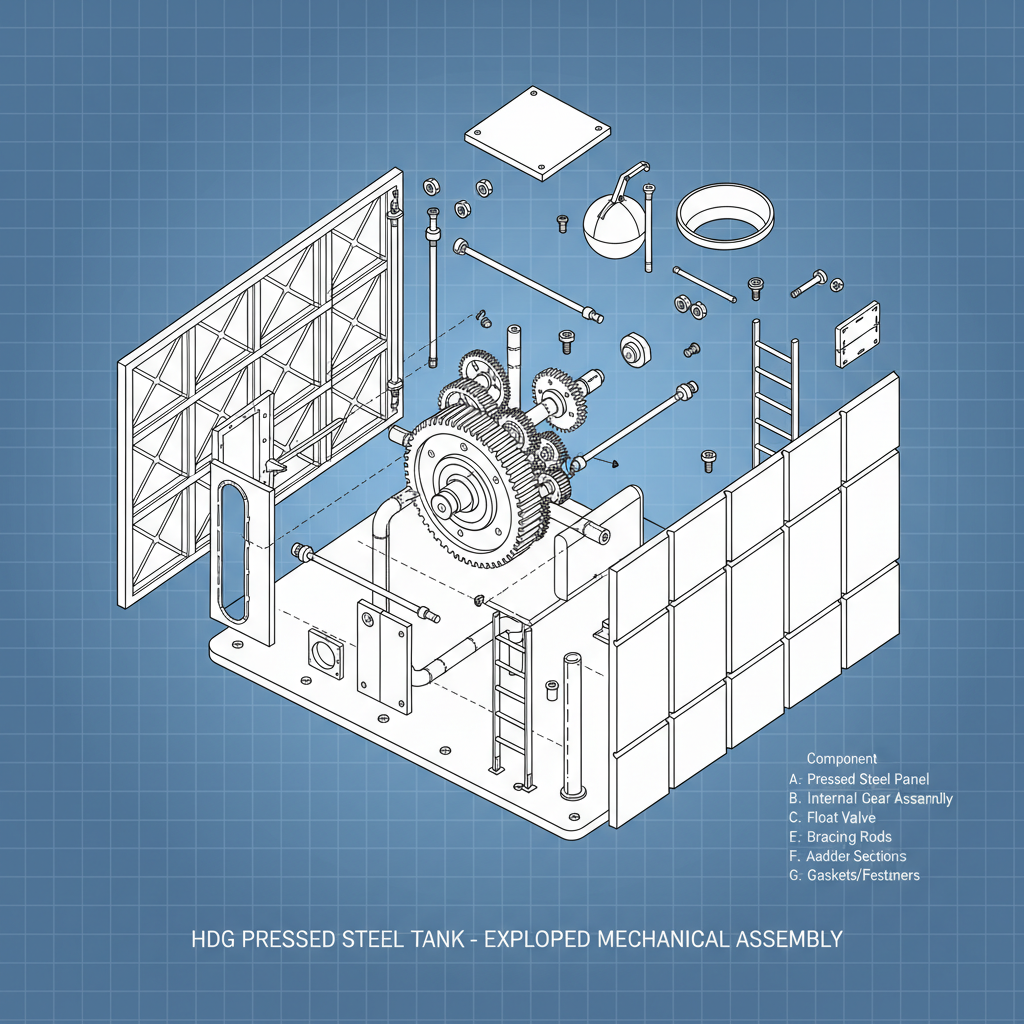
Understanding HDG Pressed Steel Tanks
HDG (Hot-Dip Galvanized) pressed steel tanks are manufactured by pressing steel plates into the desired shape and then galvanizing them. The hot-dip galvanization process involves coating the steel with a layer of zinc, providing superior corrosion protection. This is particularly important for tanks intended for outdoor use or for storing corrosive liquids. The pressed steel construction allows for efficient manufacturing, resulting in cost-effective solutions. These tanks are often chosen for their strength, longevity, and ability to withstand harsh environmental conditions. Their modular design also allows for flexibility in sizing and customization to meet specific storage needs.
Key Highlights: Superior corrosion resistance through hot-dip galvanization, cost-effective manufacturing process, robust construction for long-term durability, and flexible sizing options.
Applications of HDG Pressed Steel Tanks
HDG pressed steel tanks find applications across numerous industries, including agriculture (water and fertilizer storage), fire protection (water storage for sprinkler systems), chemical processing (storage of non-aggressive chemicals), and wastewater treatment (storage of treated effluent). Their versatility and durability make them suitable for a wide range of liquids, from potable water to industrial fluids. The tanks can also be customized with various fittings, access points, and other features to meet specific application requirements. Furthermore, their relatively simple installation process and low maintenance requirements contribute to their overall cost-effectiveness.
Common Applications:
• Agricultural Water Storage
• Fire Protection Water Supply
• Wastewater Treatment
• Chemical Storage (Non-Aggressive)
HDG Pressed Steel Tank vs. Other Tank Materials
Compared to other tank materials like polyethylene or fiberglass, HDG pressed steel offers several advantages. While polyethylene tanks are lightweight and corrosion-resistant, they lack the structural strength of steel. Fiberglass tanks are strong and corrosion-resistant but can be more expensive. HDG pressed steel tanks strike a balance between cost, strength, and durability. They are more resistant to impact damage than polyethylene and typically less expensive than fiberglass. The galvanization process provides excellent corrosion protection, rivaling that of fiberglass, and is less prone to degradation from UV exposure.
Selecting the Right HDG Pressed Steel Tank: Key Considerations
When choosing an HDG pressed steel tank, several factors should be considered. First, determine the required tank volume based on your storage needs. Next, consider the liquid being stored and ensure the tank is compatible. The tank's location (indoor or outdoor) will influence the need for additional protective coatings or features. Finally, check for compliance with relevant industry standards and regulations. Zhejiang Composites offers expert guidance to help you select the optimal tank for your specific application.
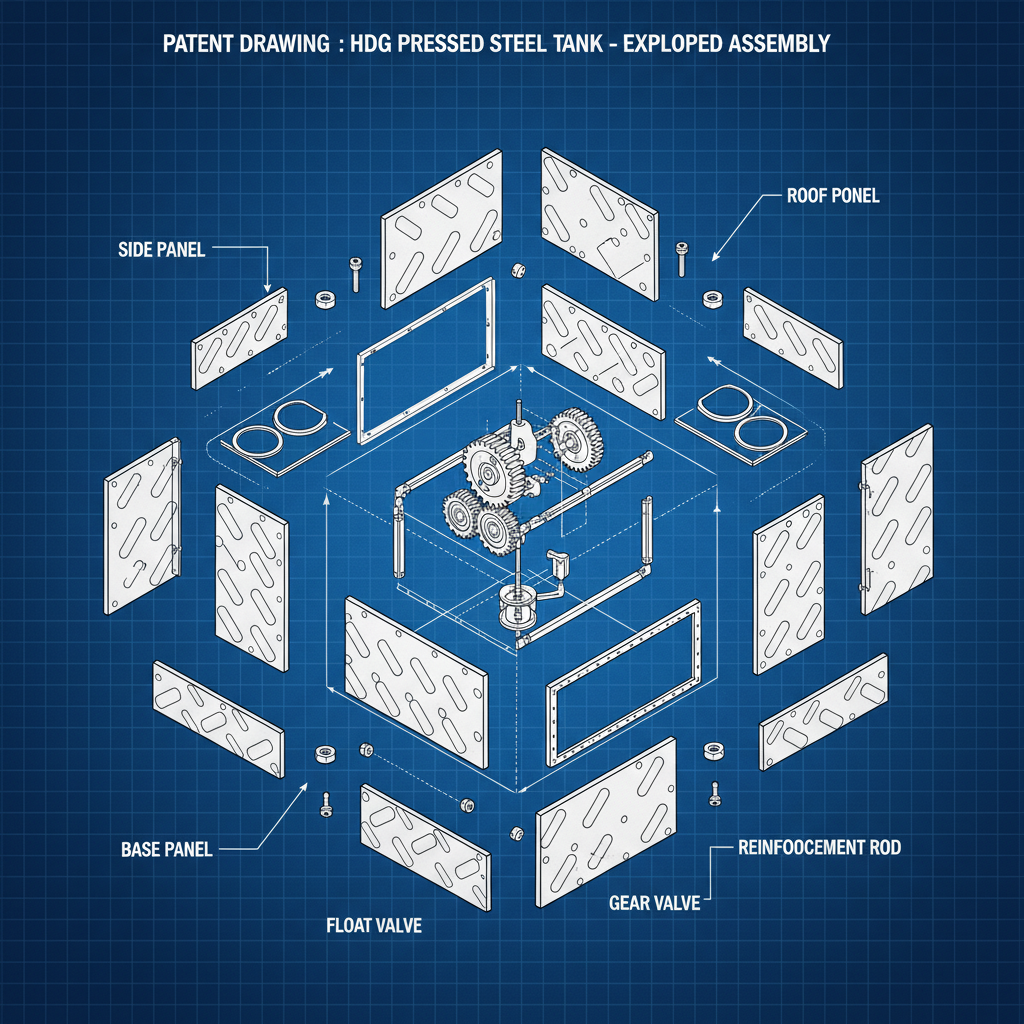
Product Specifications & Sizes
We offer a range of HDG pressed steel tanks in various sizes and configurations. Below is a table outlining common specifications:
Conclusion: Durable and Reliable Liquid Storage
Investing in an HDG pressed steel tank from Zhejiang Composites ensures a long-lasting and dependable solution for your liquid storage needs. Their robust construction, corrosion resistance, and versatility make them an ideal choice for a wide range of applications. Contact us today to discuss your specific requirements and receive a tailored quote.
Frequently Asked Questions (FAQs)
What liquids are compatible with HDG pressed steel tanks?
HDG pressed steel tanks are suitable for storing a variety of liquids, including water, non-aggressive chemicals, fertilizers, and treated wastewater. However, it's crucial to verify compatibility with highly corrosive substances, as prolonged exposure can compromise the galvanization. We recommend consulting with our team to ensure the tank material is appropriate for your intended application. We can provide guidance on material compatibility and recommend any necessary protective coatings.
What is the typical lifespan of an HDG pressed steel tank?
With proper maintenance and under normal operating conditions, an HDG pressed steel tank can last for 20-30 years or even longer. The hot-dip galvanization provides excellent corrosion protection, extending the tank’s service life. Regular inspections for damage and timely repairs are essential to maintain its integrity. Environmental factors, such as exposure to harsh chemicals or saltwater, can influence lifespan.
Do you offer custom tank sizes and configurations?
Yes, Zhejiang Composites specializes in providing custom tank solutions. We can tailor the tank's size, shape, fittings, and accessories to meet your specific requirements. Our engineering team will work closely with you to develop a design that optimizes performance and efficiency. Contact us with your specifications for a personalized quote.
-
High Quality Fiberglass Rods for Electric Fence Insulation GuideNewsApr.16,2026
-
Benefits and Guide of Installing a White Fiberglass FenceNewsApr.09,2026
-
Choosing the Right Fibreglass Fence for Property Enhancement and LongevityNewsApr.07,2026
-
Comprehensive Guide to Durable Fiberglass Fence Rods and Their ApplicationsNewsMar.31,2026
-
Comprehensive Guide to Durable Fiberglass Fence Post Solutions for Various ApplicationsNewsMar.28,2026
-
Comprehensive Guide to Fiberglass Fencing Benefits and ApplicationsNewsMar.26,2026
-
Comprehensive Guide to Choosing the Right Safety Guard System for Industrial ProtectionNewsMar.24,2026