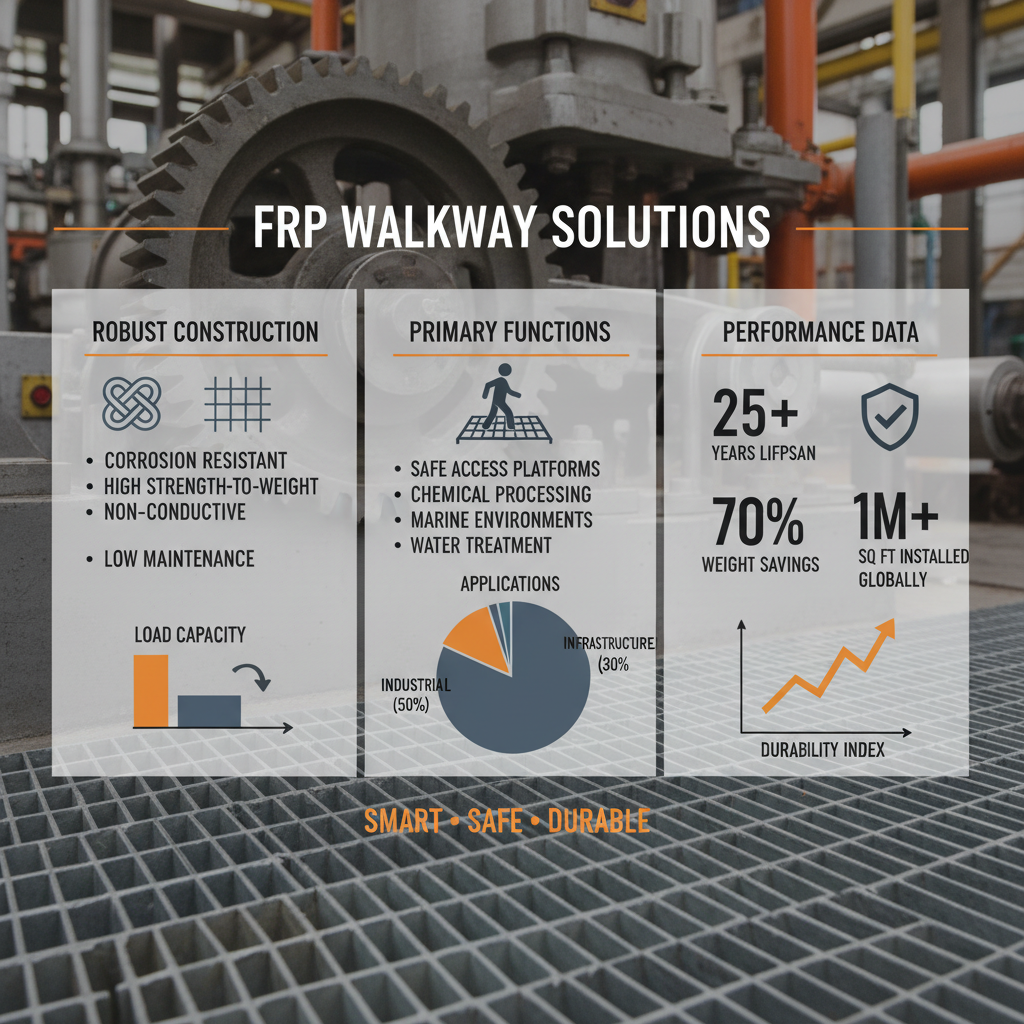
Honestly, these days everyone’s talking about lightweight, high-strength materials. It’s not just a buzzword anymore; contractors are demanding it. Been seeing a ton of interest in frp grating panels, and for good reason. We used to be stuck with steel, heavy, rust-prone… good stuff, sure, but a real headache. Now, this FRP stuff… it’s different. You walk onto a site and you immediately feel the weight difference. It’s a game changer, really.
Have you noticed how many older plants are trying to upgrade their walkways? Corrosion is a killer. A slow one, but a killer. And replacement costs… don’t even get me started. FRP grating panels are ideal for those environments. I was at a chemical processing facility in Texas last month, and they were replacing miles of steel grating. It’s a messy, expensive process. They’re switching to FRP, and they’re thrilled.
But it's not all sunshine and roses, you know? People get hung up on the initial cost. It’s higher than steel, upfront. They don't factor in the long-term savings on maintenance, the reduced downtime, the safety improvements… Anyway, I think they’ll figure it out eventually.
Understanding the Rising Demand for FRP Grating Panels
Strangely, I’ve noticed this isn't just about new construction. A lot of it is retrofitting. Old factories, wastewater treatment plants… they're all looking to replace failing infrastructure. They can’t afford the downtime to shut everything down for major steel repairs, so FRP is increasingly becoming the answer. It's lighter, easier to install, and doesn’t require welding.
And it's not just corrosion resistance. Electrical conductivity is a big deal. Steel is conductive, which can be a safety hazard in certain environments. FRP is non-conductive, which is a huge plus. Plus, with stricter safety regulations coming down the pipe… well, you gotta stay ahead of the curve.
Common Design Pitfalls and How to Avoid Them
Look, I’ve seen guys try to spec FRP grating panels like they’re spec’ing steel. Big mistake. It doesn't behave the same way under load. You need to account for deflection, especially over longer spans. I encountered this at a power plant in Ohio last time - they underestimated the deflection and had to add extra support. A costly error.
Another thing: panel thickness. Going too thin saves money upfront, but you lose strength and durability. Always consult with a qualified engineer and get a proper load analysis. Don’t skimp on this part. It’s not worth the risk.
And the fasteners! Don't use just any old bolt. You need fasteners specifically designed for FRP to prevent galvanic corrosion and ensure a secure connection. It seems small, but it's crucial.
Material Composition: Beyond Just 'FRP'
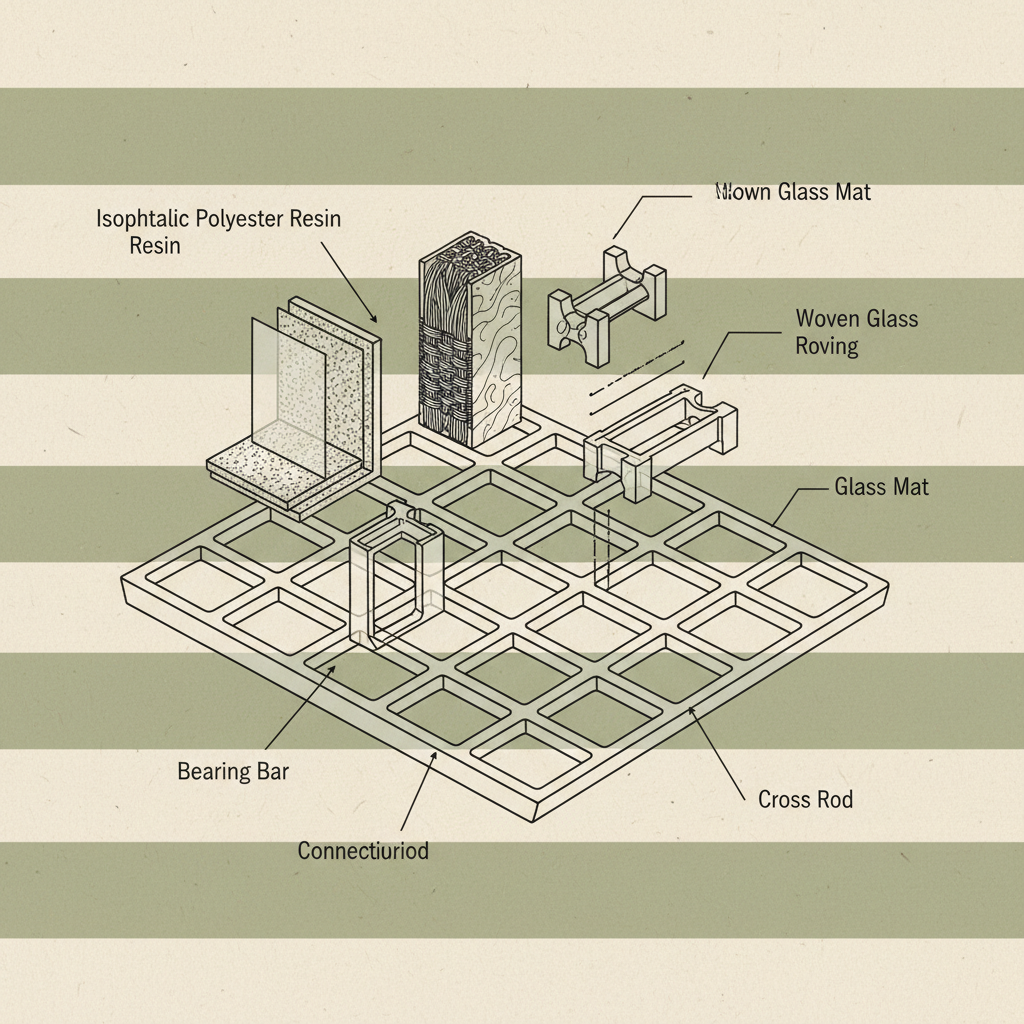
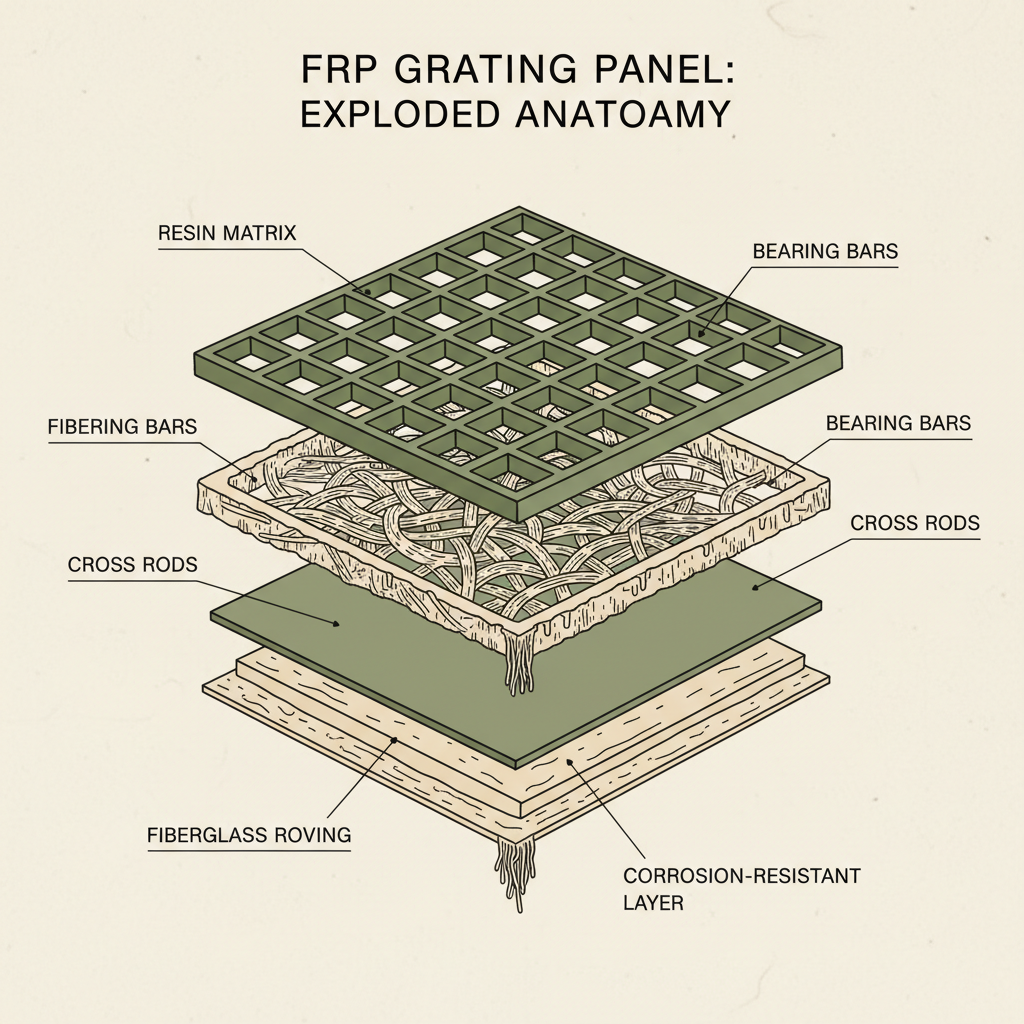
People say “FRP” like it's one thing. It’s not. It’s a family of materials. You’ve got fiberglass, carbon fiber, polyester, vinyl ester, epoxy… Each one has different properties, different strengths, different costs. The resin system is key. Epoxy is generally the strongest, but it’s also the most expensive. Vinyl ester is a good compromise, offering good strength and corrosion resistance at a more reasonable price.
I'll tell you what I noticed working with them on site. The smell! Polyester resins have a strong, distinct odor. Carbon fiber panels feel different. They're stiffer, more rigid. You can tell the quality just by handling them. And fiberglass… well, it’s a little itchy, let’s be honest. Proper PPE is a must, of course.
The reinforcement fibers matter too. The direction and density of the fibers determine the grating’s strength in different directions. You need to consider the load direction when selecting the right grating. It's not always about the most fibers, it’s about where those fibers are placed.
Real-World Testing: What Holds Up On-Site?
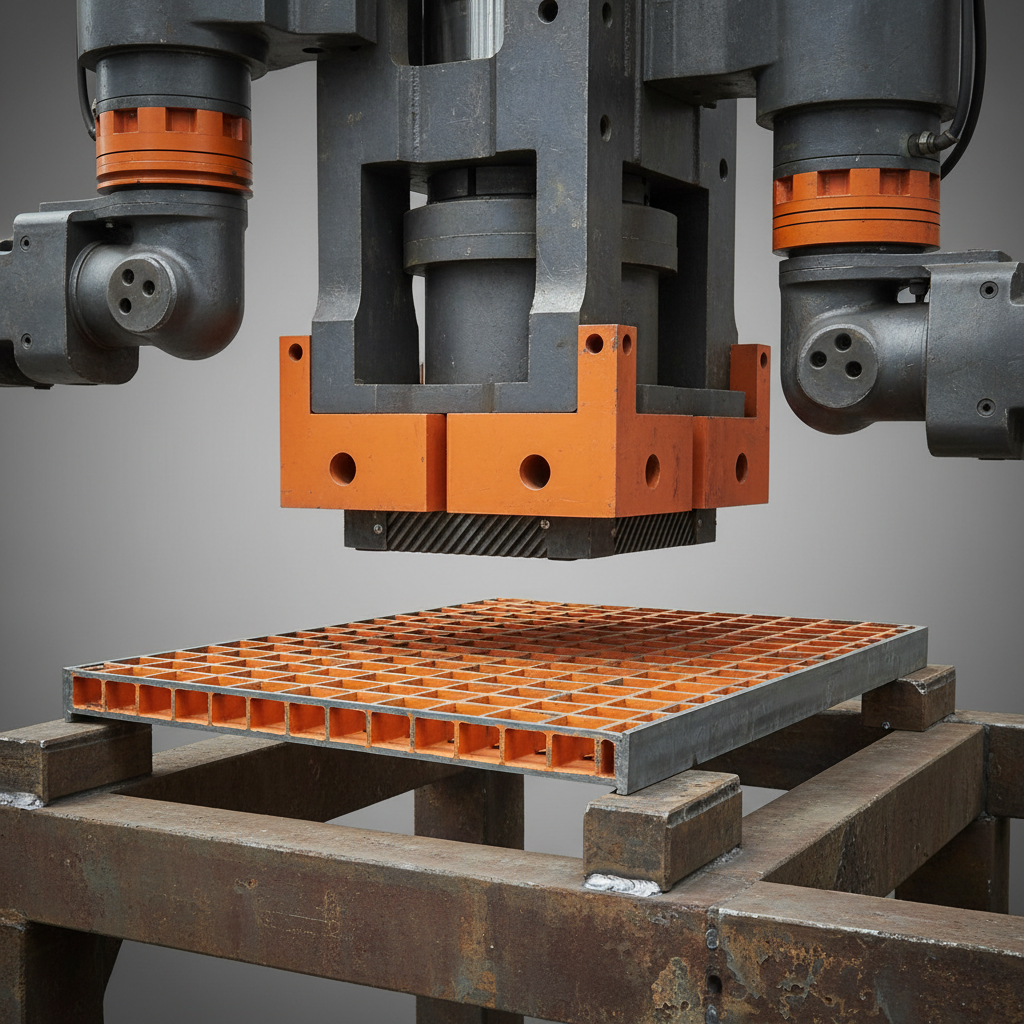
Lab tests are fine, but I trust a good old-fashioned on-site test. We've had situations where the lab report looked great, but the panels buckled under a heavy load during installation. We've started doing our own pull tests, simulating real-world conditions. It's a bit more work, but it's worth the peace of mind.
We also test for UV resistance. Sunlight can degrade the resin over time, so it's important to make sure the panels can withstand prolonged exposure. We leave samples out in the sun for months and then check for cracking and discoloration.
FRP Grating Panel Performance Metrics
Unexpected Uses & User Behaviors
You wouldn't believe some of the things people use this stuff for. I had a guy building a custom fish tank – insisted on FRP for the stand. Said it wouldn’t react with the water. I wasn’t about to argue. People get creative.
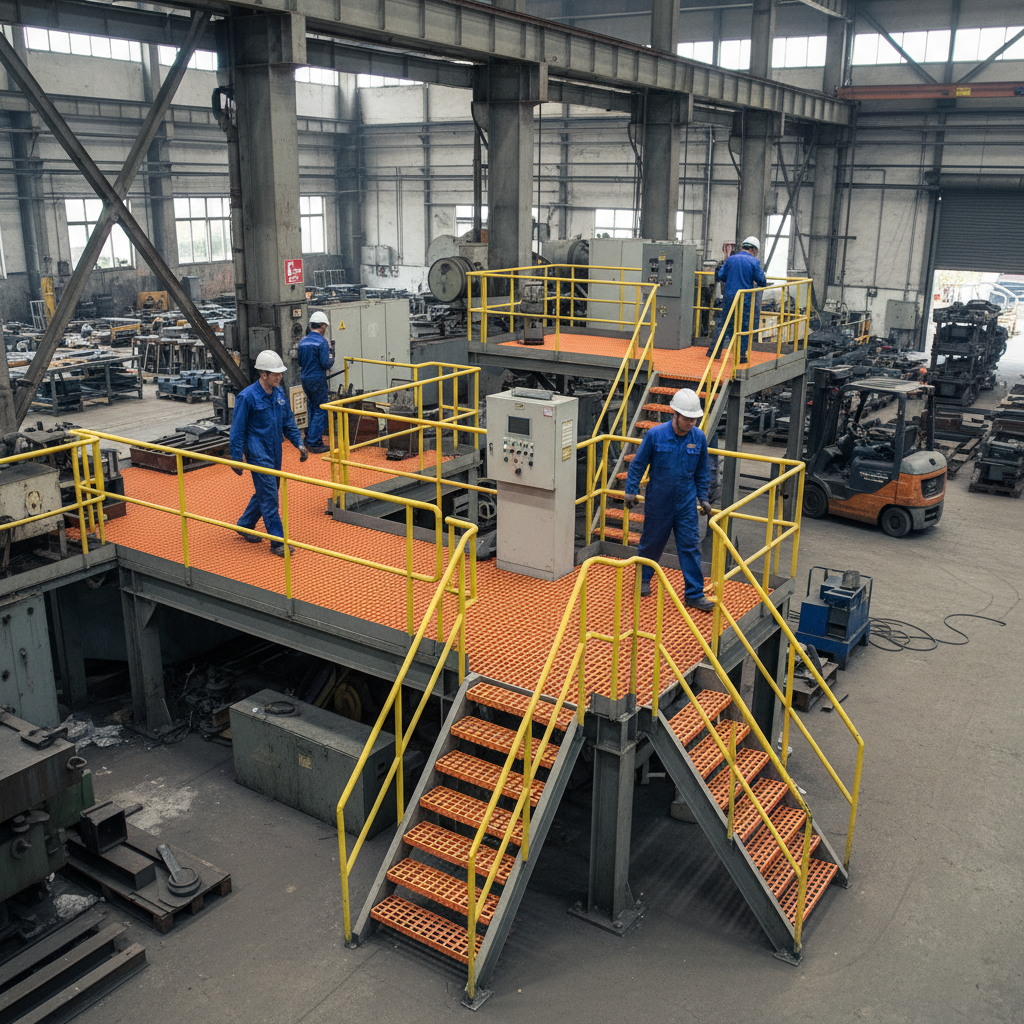
I've also seen it used for elevated walkways in food processing plants. Easy to clean, non-slip, and won’t contaminate the product. That's a big deal in that industry.
The Upsides (and the Downsides, Let's Be Real)
The benefits are clear: lightweight, corrosion-resistant, non-conductive, low maintenance. It’s a huge improvement over steel in many applications. But it's not magic. It’s more brittle than steel, so it can be more susceptible to impact damage. And it can be more difficult to modify on-site. You can’t just weld it.
And the cost! I mentioned it before, but it bears repeating. It's a significant investment upfront. You have to justify it with long-term savings and safety benefits.
Customization Capabilities: A Shenzhen Story
It's surprisingly customizable. Last month, that small boss in Shenzhen who makes smart home devices insisted on changing the interface to on a big order of grating for a new factory build. Said he wanted it to "look more modern." It was a pain to arrange, added weeks to the lead time, and frankly, it didn't make a lot of practical sense. But, hey, he was the customer. We made it happen.
You can get different mesh sizes, different resin systems, different colors, even flame-retardant formulations. It just depends on your budget and how specific your requirements are.
And surprisingly, they can embed things into the grating during manufacturing. I saw one installation where they had embedded cable trays directly into the panels. Clean, efficient, and saved a ton of installation time.
Summary of FRP Grating Panel Customization Options
| Customization Category |
Available Options |
Typical Cost Impact |
Lead Time Impact |
| Mesh Size |
1", 1.5", 2", Custom |
Low |
Minimal |
| Resin System |
Polyester, Vinyl Ester, Epoxy |
Low to High |
Low to Moderate |
| Color |
Standard colors, custom matching |
Low to Moderate |
Moderate |
| Flame Retardancy |
Additives for specific flame ratings |
Moderate |
Moderate |
| Embedded Components |
Cable trays, mounting brackets |
High |
High |
| Panel Dimensions |
Custom lengths and widths |
Low to Moderate |
Moderate |
FAQS
It really depends on the specific environment, but generally, FRP grating panels will last significantly longer than steel in corrosive conditions. We’ve seen installations lasting 20+ years with minimal degradation. The type of resin used is a major factor; vinyl ester and epoxy are more resistant to harsh chemicals than polyester. Regular inspections are still recommended to identify any potential issues early on.
Yes, but you need the right tools. Standard metal-cutting saws will dull quickly. Use a carbide-tipped blade or a circular saw specifically designed for composite materials. Wear a dust mask, as cutting FRP generates fine particles. It's better to pre-cut panels to the exact size if possible to avoid creating a mess on-site and potentially damaging the material.
FRP grating panels can often handle comparable or even higher loads than steel, given the correct design and material selection. The key is to account for the different deflection characteristics. Steel is more elastic, while FRP is more rigid. A proper engineering analysis is crucial to ensure the grating can safely support the intended load. Don't just assume it's a one-to-one replacement.
That’s a good question. They can be, depending on the surface texture. Most manufacturers offer grating panels with a textured surface to improve slip resistance, even when wet. We always recommend specifying a non-slip surface, especially in areas prone to moisture or spills. Look for panels that meet or exceed relevant safety standards for slip resistance.
Very little, honestly. Unlike steel, they don't require painting or coating to prevent corrosion. Regular cleaning with soap and water is usually sufficient. Inspect periodically for any signs of damage, such as cracks or delamination, and replace damaged panels promptly. It’s a lot less hassle than dealing with rusted steel.
Generally, FRP grating panels have a limited temperature range. The resin system is the limiting factor. Polyester resins typically have a maximum service temperature of around 120°F (49°C). Vinyl ester and epoxy can handle higher temperatures, but it’s important to check the manufacturer’s specifications. Prolonged exposure to high temperatures can cause the resin to soften and degrade.
Conclusion
So, we’ve covered a lot. FRP grating panels aren’t a perfect solution, but they offer a compelling combination of benefits: lightweight, corrosion resistance, safety, and long-term cost savings. They’re changing the game in a lot of industries, and the demand is only going to keep growing. You just have to be smart about how you spec and install them.
Ultimately, whether this thing works or not, the worker will know the moment he tightens the screw. That’s the truth of it. And if you want to avoid headaches, start with quality materials and a solid design. Check us out at www.zjcomposites.com to get started.