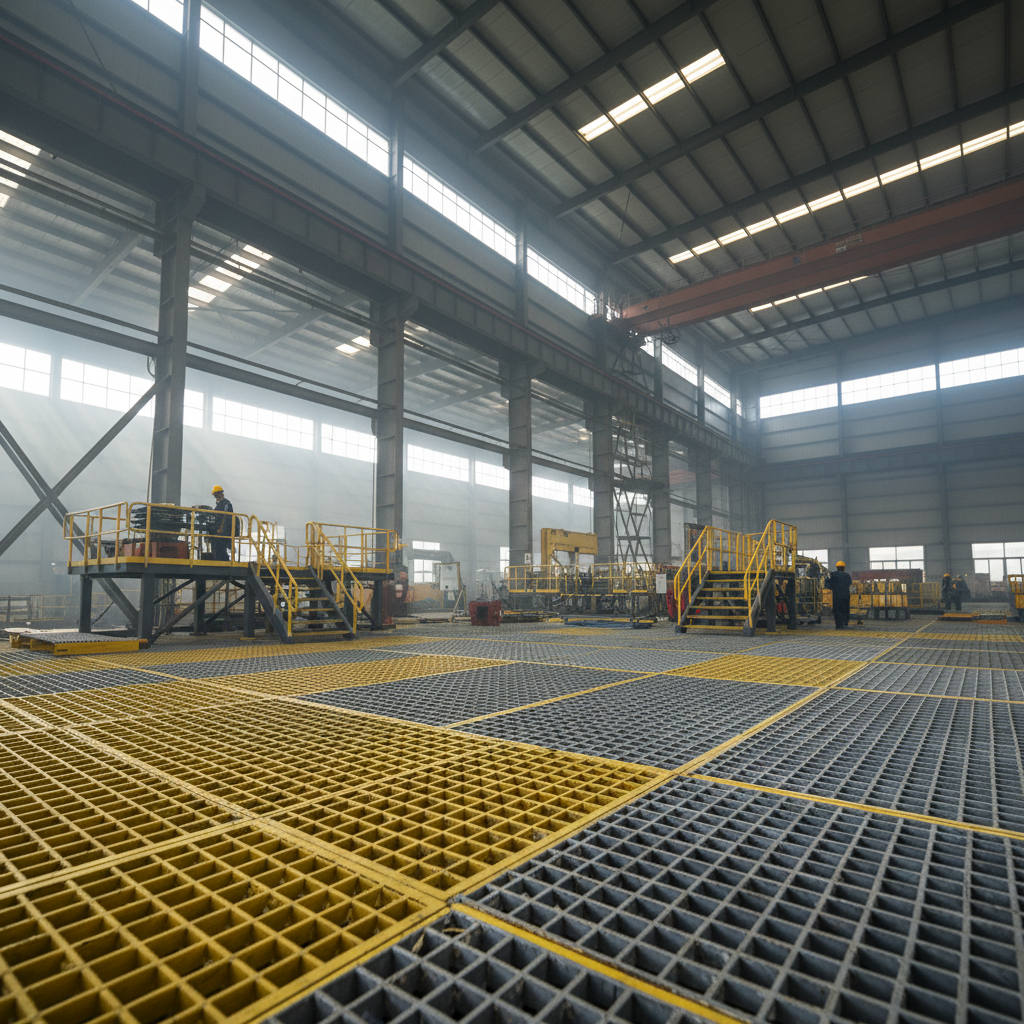
frp grating installation is rapidly becoming a cornerstone of modern infrastructure, offering a durable, lightweight, and corrosion-resistant alternative to traditional materials like steel and aluminum. Its increasing adoption stems from the need for robust and long-lasting solutions in challenging environments, ranging from industrial plants and wastewater treatment facilities to marine applications and pedestrian walkways. Understanding the nuances of frp grating installation is crucial for engineers, contractors, and facility managers seeking to maximize the lifespan and performance of their investments.
The global demand for frp grating installation is fueled by infrastructure development, particularly in emerging economies, and a growing awareness of the lifecycle costs associated with material selection. Factors like rising maintenance expenses for traditional materials and stringent safety regulations contribute to this trend. According to a report by Grand View Research, the global fiber reinforced polymer (FRP) market was valued at USD 26.48 billion in 2022 and is expected to grow at a compound annual growth rate (CAGR) of 10.5% from 2023 to 2030, with grating representing a significant segment. This underscores the increasing preference for durable, low-maintenance solutions.
The key challenge frp grating installation addresses is the need for materials that can withstand harsh conditions – chemical exposure, extreme temperatures, and constant moisture – without compromising structural integrity. Traditional materials often require frequent repairs and replacements, leading to significant downtime and cost overruns. frp grating installation provides a sustainable and cost-effective solution, minimizing maintenance and extending the service life of critical infrastructure, enhancing safety and operational efficiency.
Introduction to frp grating installation
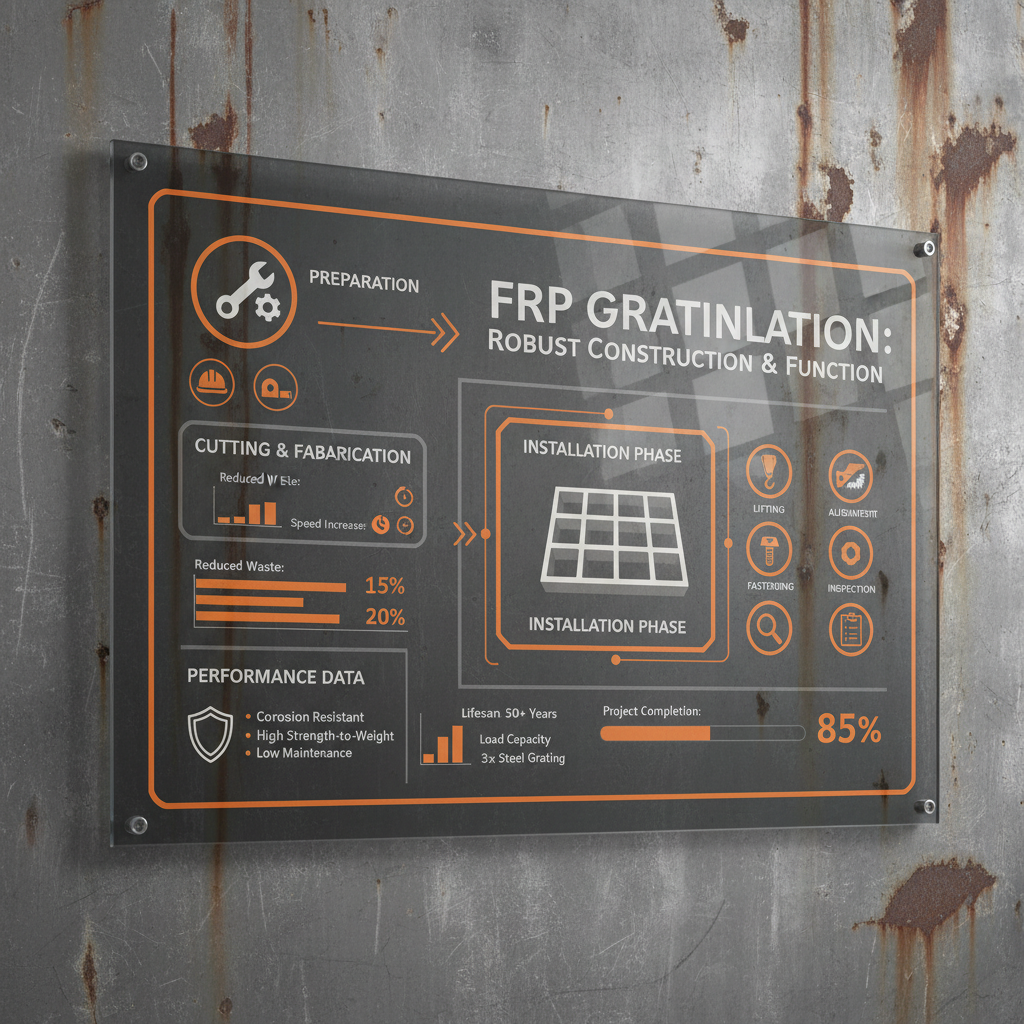
frp grating installation extends far beyond simply laying down a new surface. It's a comprehensive process that involves meticulous planning, precise cutting, secure fastening, and ensuring long-term structural integrity. It differs significantly from traditional metal grating installations due to the unique properties of fiber-reinforced polymers, requiring specialized tools and techniques to avoid compromising the material's strength and lifespan. Proper installation is paramount to achieving the promised benefits of corrosion resistance, lightweight construction, and reduced maintenance.
The importance of qualified installers cannot be overstated. Improper techniques, such as overtightening fasteners or using incompatible cutting tools, can lead to delamination, fiber damage, and ultimately, structural failure. Consequently, investing in skilled labor and adhering to manufacturer's guidelines are fundamental to a successful frp grating installation, maximizing return on investment and ensuring workplace safety. frp grating installation is a crucial component of maintaining long-term asset health.
Defining frp grating installation
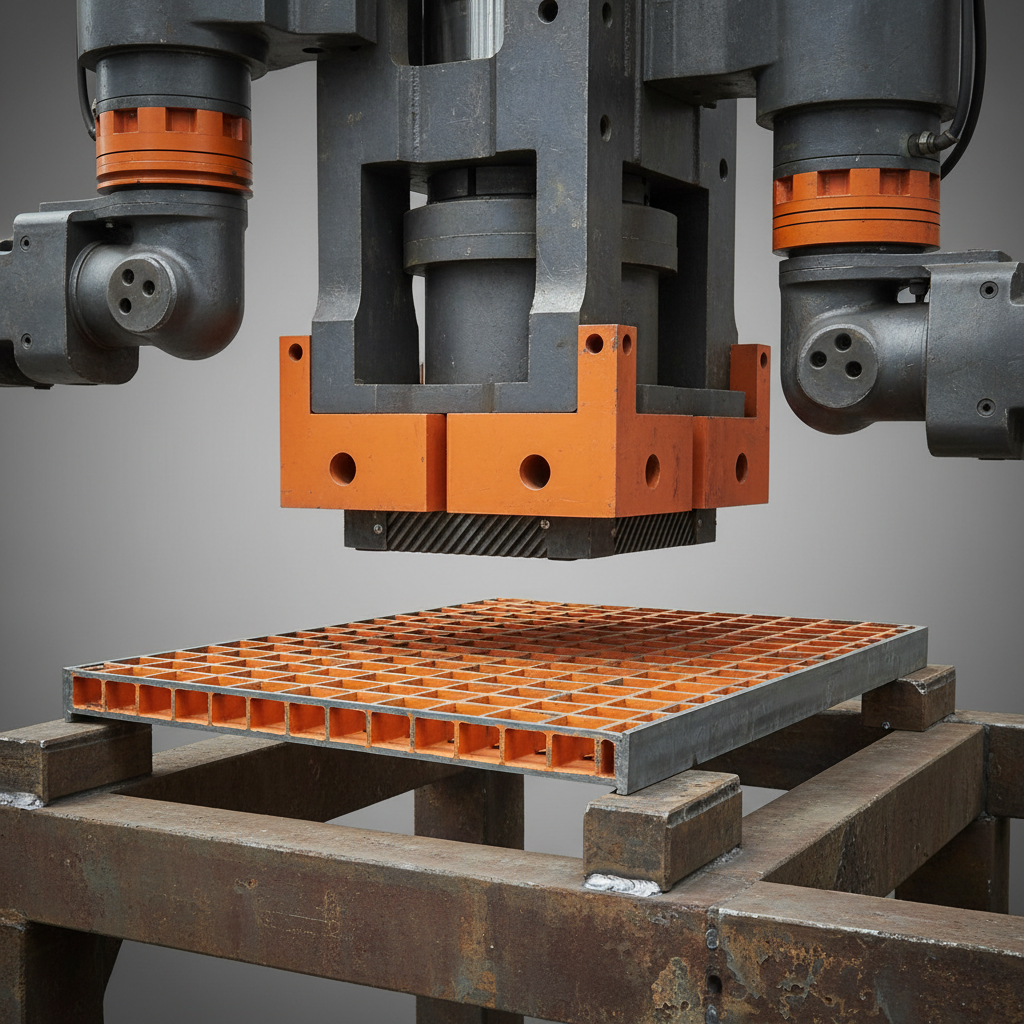
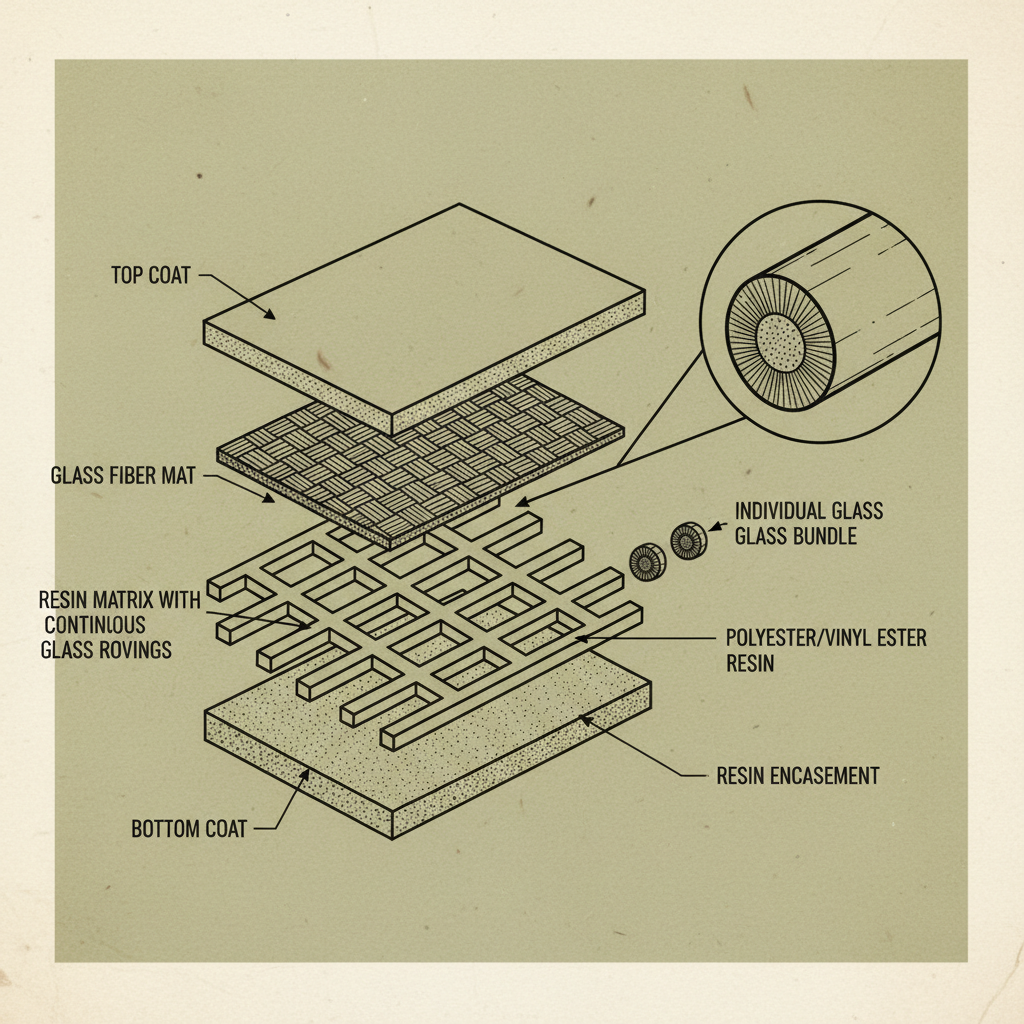
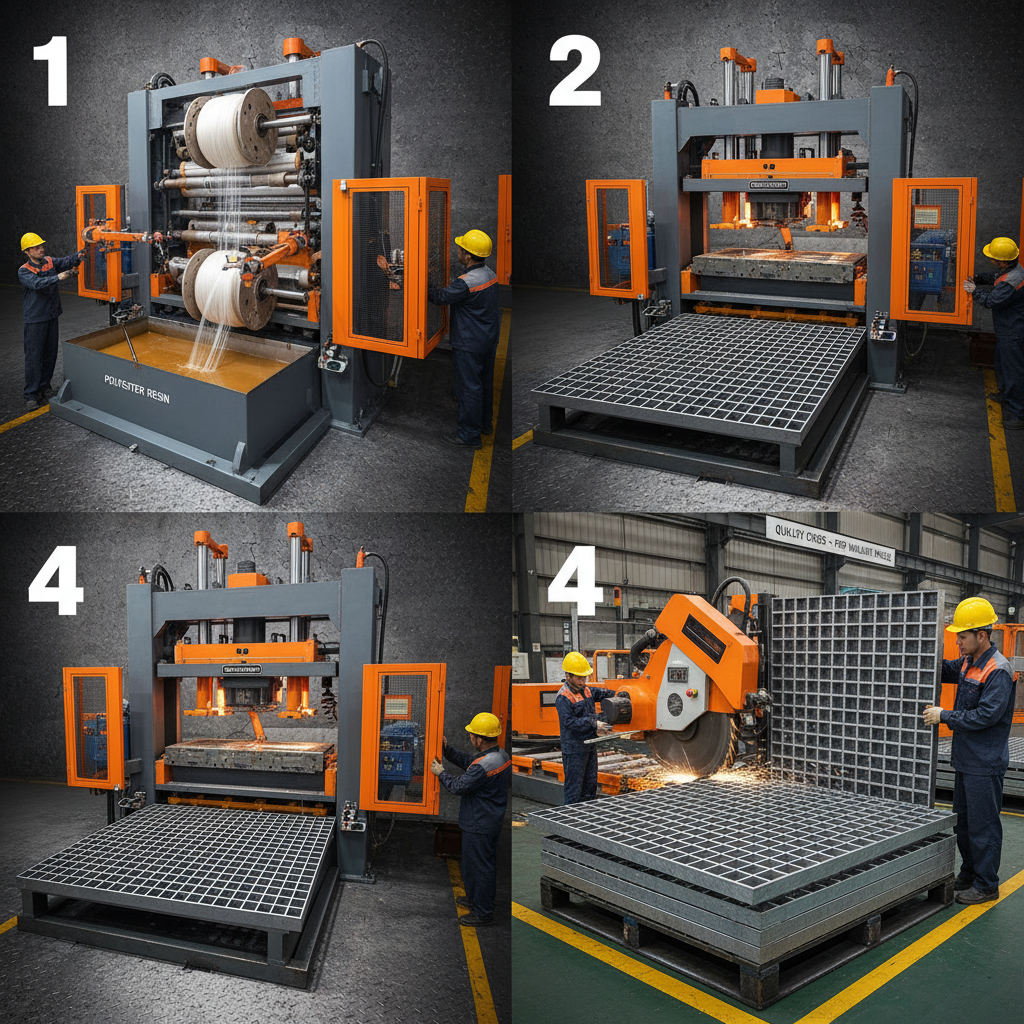
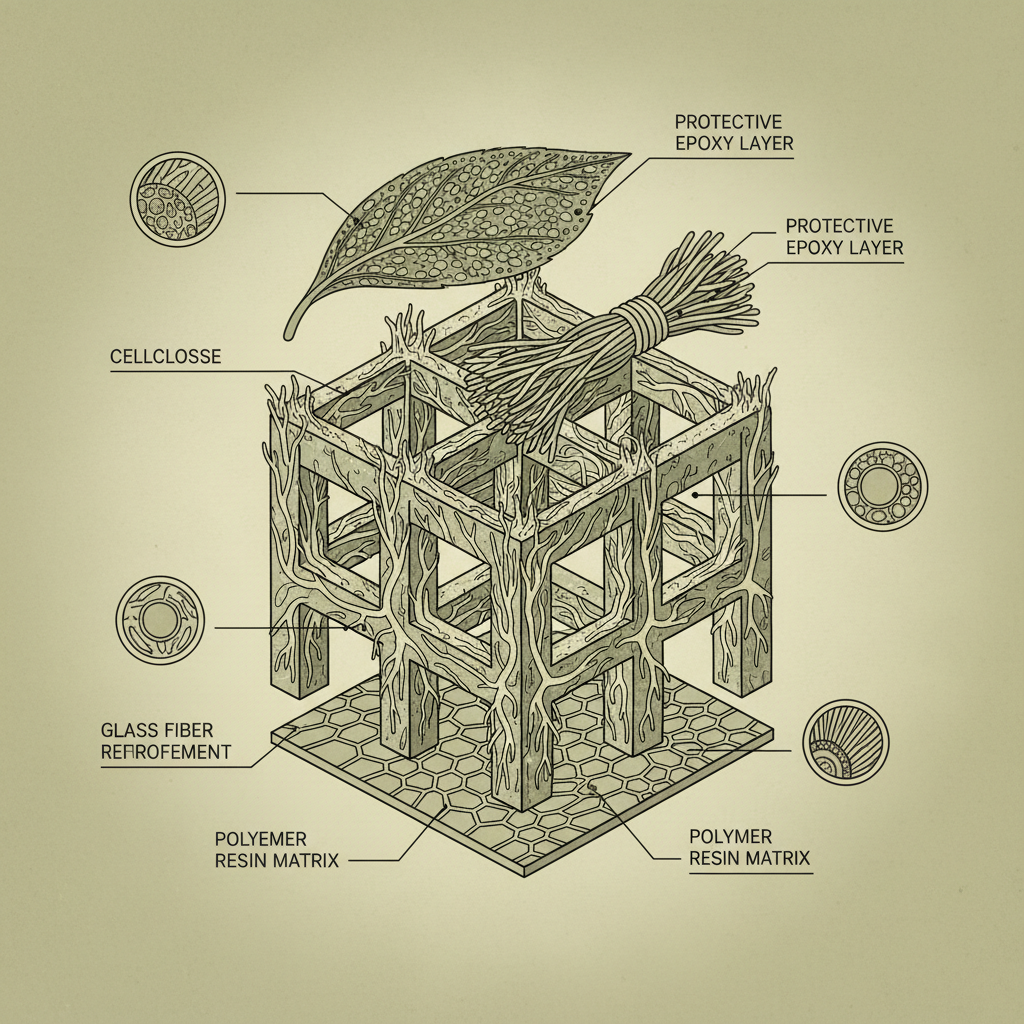
frp grating installation refers to the process of securely fixing Fiber Reinforced Polymer (FRP) gratings to a supporting structure. FRP gratings are composite materials manufactured by impregnating reinforcing fibers (such as fiberglass, carbon fiber, or basalt fiber) with a resin matrix (typically polyester, vinyl ester, or epoxy). This creates a lightweight, high-strength material resistant to corrosion, chemicals, and harsh weather conditions. The installation process involves precise cutting to fit the designated area, followed by fastening the grating panels using appropriate clips, fasteners, or adhesives, ensuring a stable and safe walking or working surface.
The connection to modern industry is readily apparent. Industries like chemical processing, oil and gas, water and wastewater treatment, and power generation all rely heavily on materials that can withstand corrosive environments. frp grating installation provides a cost-effective and long-lasting alternative to traditional materials in these sectors, reducing maintenance costs and improving operational safety. It’s becoming increasingly essential in infrastructure projects designed for durability and longevity.
Furthermore, frp grating installation plays a critical role in humanitarian needs by providing safe and reliable flooring in temporary shelters, refugee camps, and disaster relief operations. The lightweight nature of the material simplifies transportation and deployment, while its resistance to moisture and decay ensures a hygienic and durable living environment for those in need.
Key Factors of frp grating installation
Durability is arguably the most significant factor in frp grating installation. Unlike steel, which is susceptible to rust and corrosion, FRP materials exhibit exceptional resistance to a wide range of chemicals, solvents, and environmental factors. This translates to a significantly longer service life and reduced maintenance requirements, making it a highly cost-effective solution in the long run. Careful consideration must be given to the specific chemical exposure the grating will endure to select the appropriate resin type and fiber reinforcement.
Load Capacity is another critical factor. FRP gratings are engineered to withstand specific load requirements, and proper installation ensures that these capacities are met. Factors like panel span, support spacing, and the type of load (static vs. dynamic) all influence the overall load-bearing capacity of the installed grating. Engineers must carefully calculate these parameters to ensure safe and reliable performance.
Weight-to-Strength Ratio is a defining characteristic of frp grating installation. FRP gratings are significantly lighter than steel gratings while maintaining comparable or even superior strength. This makes them easier to handle, transport, and install, reducing labor costs and simplifying construction processes. This attribute is especially beneficial in projects where weight restrictions are a concern.
Global Applications of frp grating installation
frp grating installation is ubiquitous across a broad spectrum of industries. In the Chemical Processing industry, it’s used extensively for walkways, platforms, and drainage systems due to its exceptional resistance to corrosive chemicals. The Oil & Gas sector utilizes it for offshore platforms, pipelines, and storage facilities, where seawater and harsh weather conditions demand highly durable materials.
Wastewater Treatment plants rely on frp grating installation for flooring, handrails, and covers, as it withstands constant exposure to corrosive wastewater and minimizes maintenance needs. Similarly, the Power Generation industry employs it in power plants and substations for walkways and platforms. In the Marine sector, its resistance to saltwater makes it ideal for docks, piers, and boat ramps.
Geographically, the demand for frp grating installation is highest in regions with significant industrial activity and challenging environmental conditions. North America and Europe lead in adoption, driven by stringent safety regulations and a focus on sustainable infrastructure. However, Asia-Pacific is experiencing rapid growth, fueled by infrastructure development in countries like China and India, and a growing awareness of the benefits of FRP materials.
Comparative Analysis of frp grating installation Methods
Advantages and Long-Term Value
The cost savings associated with frp grating installation are substantial. While the initial material cost might be slightly higher than traditional steel, the significantly reduced maintenance requirements and extended service life result in lower lifecycle costs. Eliminating the need for frequent repairs, repainting, and replacements translates to significant savings in labor and materials over the long term.
Sustainability is another key advantage. FRP materials are lightweight, reducing transportation costs and fuel consumption. They also require less energy to manufacture compared to steel, contributing to a lower carbon footprint. Furthermore, the long service life minimizes waste generation, aligning with circular economy principles.
From a safety perspective, frp grating installation offers a non-slip surface, even when wet, reducing the risk of accidents and injuries. Its non-conductive properties provide an added layer of safety in electrical environments, minimizing the risk of electrocution. The lightweight nature of the material also simplifies handling and installation, reducing the risk of strain and injury for workers.
Future Trends in frp grating installation
The integration of smart technologies into frp grating installation is an emerging trend. Embedding sensors within the grating panels allows for real-time monitoring of stress, strain, and corrosion levels, providing valuable data for predictive maintenance and structural health monitoring. This proactive approach can help prevent unexpected failures and optimize asset management.
Advances in resin chemistry and fiber reinforcement are continuously improving the performance characteristics of FRP materials. The development of bio-based resins and recycled fibers is further enhancing the sustainability of frp grating installation, reducing reliance on fossil fuels and minimizing environmental impact. The focus is also shifting towards developing more customized FRP grating solutions tailored to specific application requirements.
Challenges and Solutions in frp grating installation
One of the primary challenges in frp grating installation is the lack of standardized installation procedures and training. This can lead to inconsistencies in quality and performance. Addressing this requires the development of comprehensive training programs and certification processes for installers, ensuring adherence to best practices and manufacturer's guidelines.
Another challenge is the perception that FRP materials are more difficult to cut and fasten compared to traditional metals. This can be overcome by utilizing specialized tools and techniques specifically designed for FRP materials, such as diamond-tipped cutting blades and appropriate fastening systems. Investing in the right equipment and providing adequate training to installers can significantly improve installation efficiency and quality.
Finally, ensuring long-term compatibility between FRP grating and existing support structures can be a challenge. Careful consideration must be given to the materials used for the support structure and the potential for galvanic corrosion. Using compatible materials or applying protective coatings can prevent corrosion and ensure the longevity of the entire system.
Summary of Challenges and Solutions in frp grating installation
| Challenge |
Impact on Installation |
Proposed Solution |
Implementation Cost (1-10) |
| Lack of Standardized Procedures |
Inconsistent Quality and Performance |
Develop Certification Programs |
6 |
| Difficulties in Cutting/Fastening |
Reduced Installation Efficiency |
Utilize Specialized Tools |
7 |
| Galvanic Corrosion Potential |
Reduced Support Structure Lifespan |
Use Compatible Materials |
5 |
| Limited Design Expertise |
Suboptimal Grating Selection |
Engage Qualified FRP Engineers |
8 |
| Material Cost Perception |
Initial Budget Concerns |
Lifecycle Cost Analysis |
4 |
| Insufficient On-Site Training |
Improper Installation Techniques |
Mandatory On-Site Training |
6 |
FAQS
The typical lifespan of an FRP grating installation far exceeds that of traditional materials like steel. Under normal operating conditions, an FRP grating installation can easily last 25-30 years or even longer, with minimal maintenance. This long lifespan is due to the inherent corrosion resistance of FRP materials, eliminating the need for frequent repairs and replacements. It’s important to choose a quality product and ensure proper installation to achieve the maximum lifespan.
Absolutely. FRP grating installation is exceptionally well-suited for highly corrosive environments, such as chemical processing plants, wastewater treatment facilities, and marine applications. The resin matrix and reinforcing fibers used in FRP gratings are highly resistant to a wide range of chemicals, solvents, and acids, preventing corrosion and ensuring long-term structural integrity. Selecting the appropriate resin type is crucial for optimal performance.
The installation process differs primarily due to the unique properties of FRP. FRP requires specialized cutting tools (diamond-tipped blades are recommended) to avoid delamination. Fastening methods also differ, often involving specialized clips or adhesives designed for FRP materials. Steel grating can often be welded, which is not feasible with FRP. Proper training and adherence to manufacturer’s guidelines are crucial for a successful FRP grating installation.
FRP grating has excellent strength-to-weight ratios, but load capacity still depends on several factors, including panel span, support spacing, and the type of load. FRP gratings are engineered to withstand specific loads, and engineers must perform load calculations to ensure safe and reliable performance. Different FRP grating types have varying load capacities, so selecting the appropriate grating for the application is critical. Consult with an FRP expert for load capacity specifications.
Yes, frp grating installation is considered a sustainable choice. FRP materials are lightweight, reducing transportation costs and fuel consumption. They also require less energy to manufacture than steel and have a significantly longer lifespan, minimizing waste generation. The increasing availability of bio-based resins and recycled fibers further enhances the sustainability of FRP grating installation, contributing to a smaller environmental footprint.
One of the primary advantages of frp grating installation is its minimal maintenance requirements. Unlike steel, FRP does not rust or corrode, eliminating the need for frequent repainting or repairs. Periodic inspections to check for loose fasteners or damage are recommended, but generally, FRP grating requires very little ongoing maintenance, resulting in significant cost savings over its lifespan.
Conclusion
In conclusion, frp grating installation represents a significant advancement in materials technology, offering a durable, lightweight, corrosion-resistant, and cost-effective solution for a wide range of applications. Its superior performance characteristics, coupled with its long service life and minimal maintenance requirements, make it an increasingly attractive alternative to traditional materials like steel and aluminum. The benefits extend beyond economic considerations, encompassing enhanced safety, sustainability, and improved operational efficiency.
Looking ahead, the future of frp grating installation is bright. Continued innovation in materials science, coupled with the integration of smart technologies and a growing awareness of sustainability, will drive further adoption and unlock new possibilities. By embracing these advancements and prioritizing proper installation practices, we can harness the full potential of FRP grating to build more resilient, sustainable, and safe infrastructure for generations to come. For more information on optimal frp grating installation solutions, visit our website: www.zjcomposites.com.