0%

Table of Contents

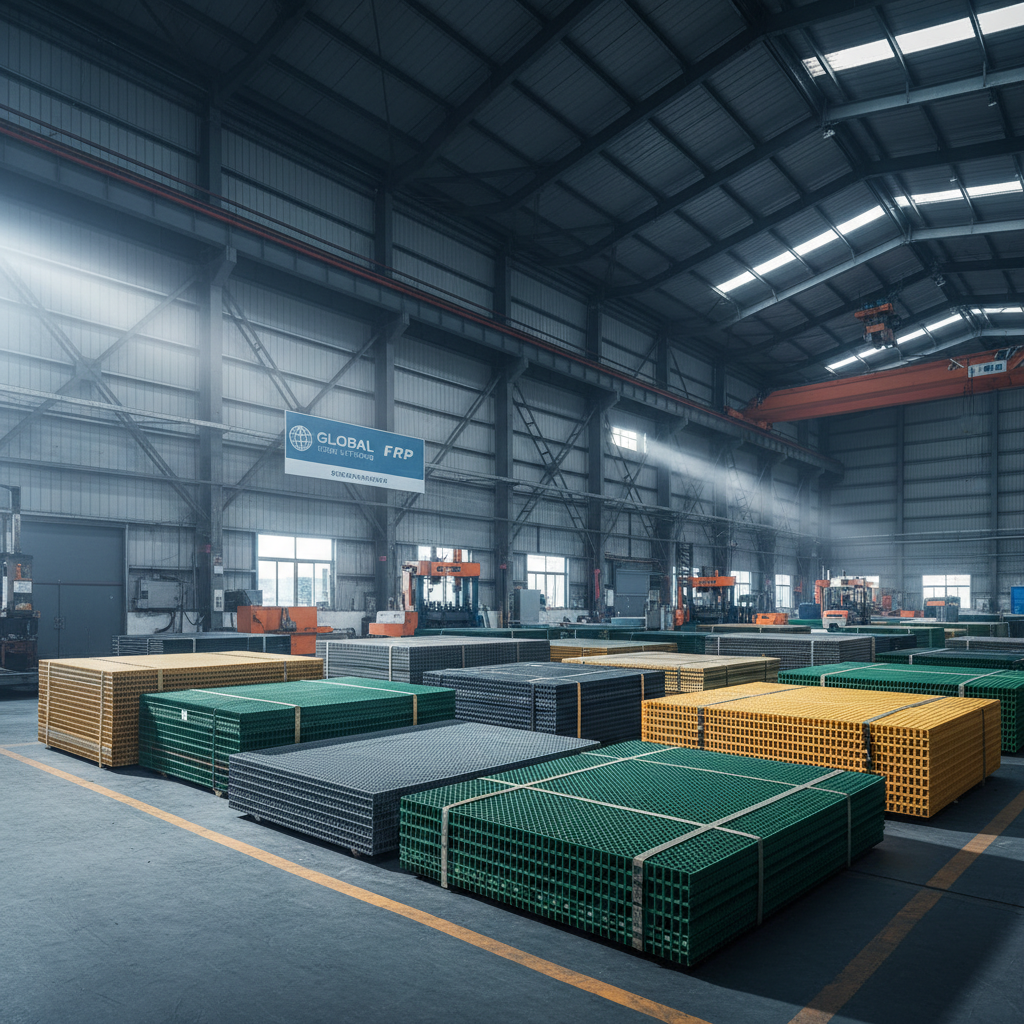
Look, I’ve been running around construction sites for fifteen years now. You see a lot, smell a lot, and frankly, get pretty tired of seeing the same mistakes repeated. Lately, it’s all about lightweighting, right? Everyone wants stronger, lighter, cheaper. FRP grating – heavy duty frp grating – is right in the sweet spot. Seems simple, but there's a ton under the hood.

To be honest, the biggest trend I’m seeing is everyone jumping on the fiberglass bandwagon without really understanding it. They think, “Oh, it’s plastic, it’ll be fine!” It's not that simple. Resin choice, fiber orientation… it all matters. It really does. Have you noticed how many companies are suddenly offering "high-performance" grating? Most of it's just marketing fluff.

And let me tell you, dealing with this stuff on-site is…an experience. It’s not like steel. You can't just eyeball it. You gotta know what you’re doing.
Understanding Heavy Duty FRP Grating Applications and Design Considerations

What's the Buzz About FRP Grating?

Understanding Heavy Duty FRP Grating Applications and Design Considerations

Honestly, it's corrosion resistance. That's the big one. Steel rusts. FRP doesn’t. Simple as that. Especially in wastewater treatment plants, chemical processing, or coastal environments... it’s a lifesaver. And it's lighter, so installation is easier. Less strain on the structure. Seems like everyone is switching over.

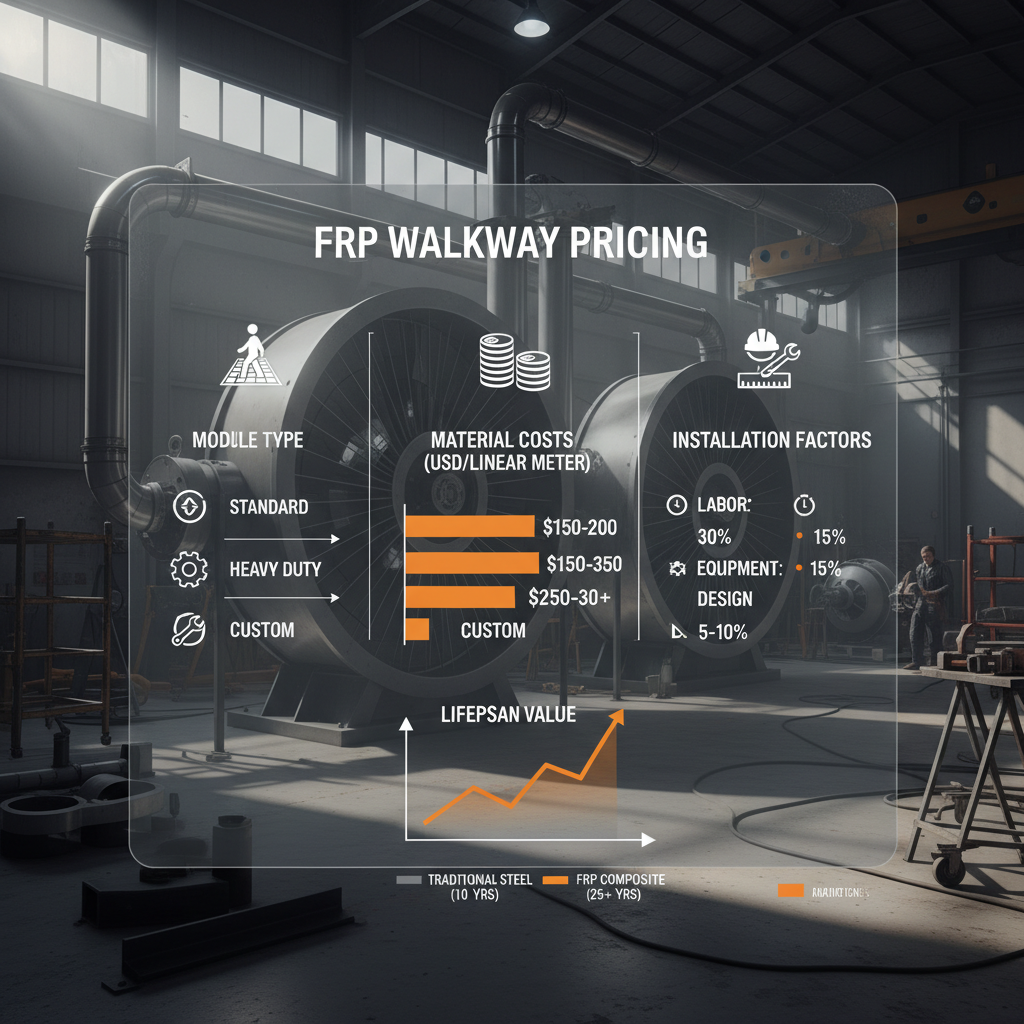
Strangely, a lot of people still don’t realize the long-term cost savings. Yeah, the upfront cost is higher than steel, but you’re not replacing it every ten years. I encountered this at a paper mill in Georgia last time - they were still battling corrosion issues with their old steel grating. It was a mess.

The Devil's in the Details: Design Pitfalls

Okay, here’s where it gets tricky. People try to substitute FRP for steel one-to-one. Big mistake. It doesn’t behave the same way. Deflection is a huge issue. If you don’t design for the right load and span, it'll sag. You gotta factor in the modulus of elasticity – it’s different than steel.

And don’t even get me started on the fastening systems. Using the wrong bolts or improperly torquing them will lead to problems. I've seen systems fail because someone used stainless steel bolts with aluminum frames – galvanic corrosion!

Another thing – UV resistance. Some resins degrade in sunlight. You need to specify a UV-stabilized resin if it's going to be exposed to the elements. It's a small detail, but it can save you a lot of headaches later.

Materials and the On-Site Experience

The core stuff is fiberglass reinforced polyester – the most common. Smells a little… chemical-y when you cut it, kind of sweet, if you can believe that. Vinyl ester is tougher, more chemical resistant, but pricier. Epoxy is even tougher, but it's really only needed for extreme environments.

Handling it is different than steel. You can cut it with a circular saw, but you gotta wear a respirator – the dust is not friendly. It’s also slippery when wet, so be careful walking on it during installation. I remember one crew nearly taking a tumble on a rainy day.

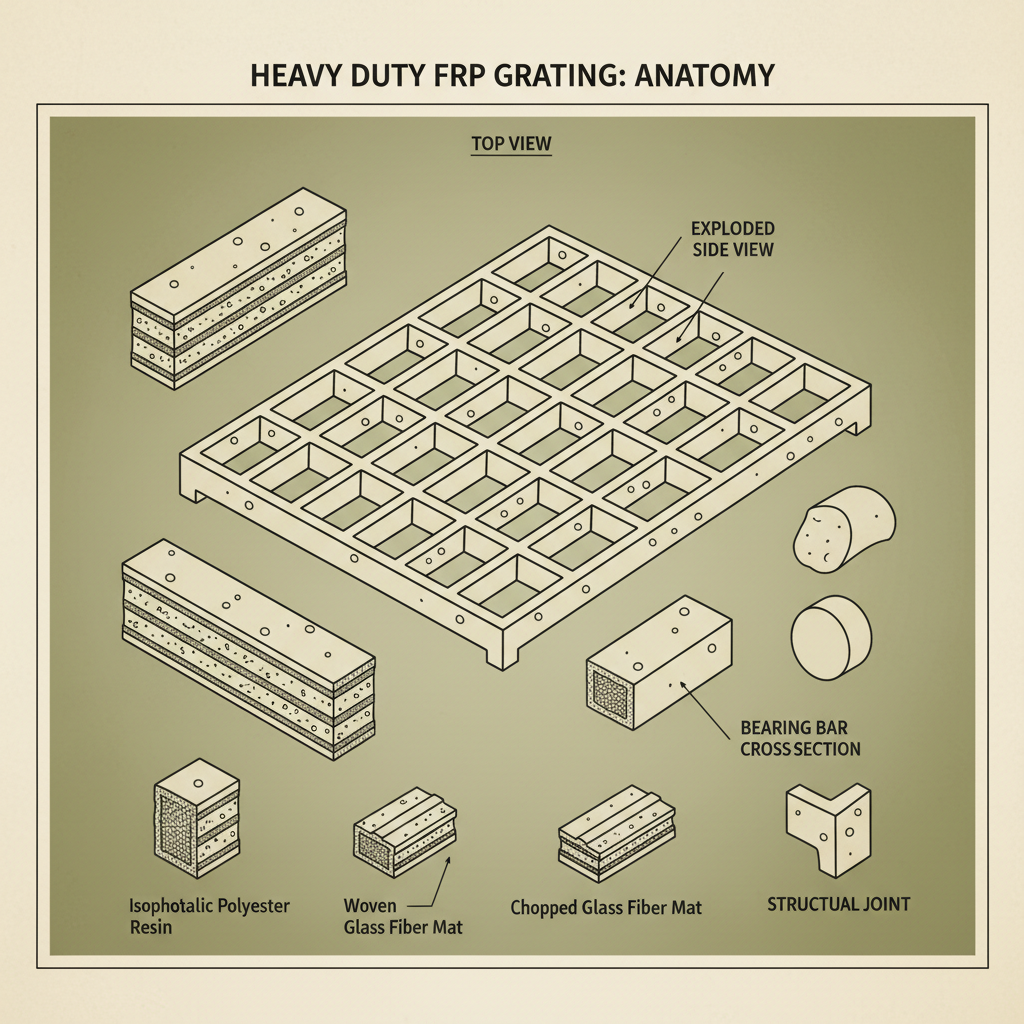
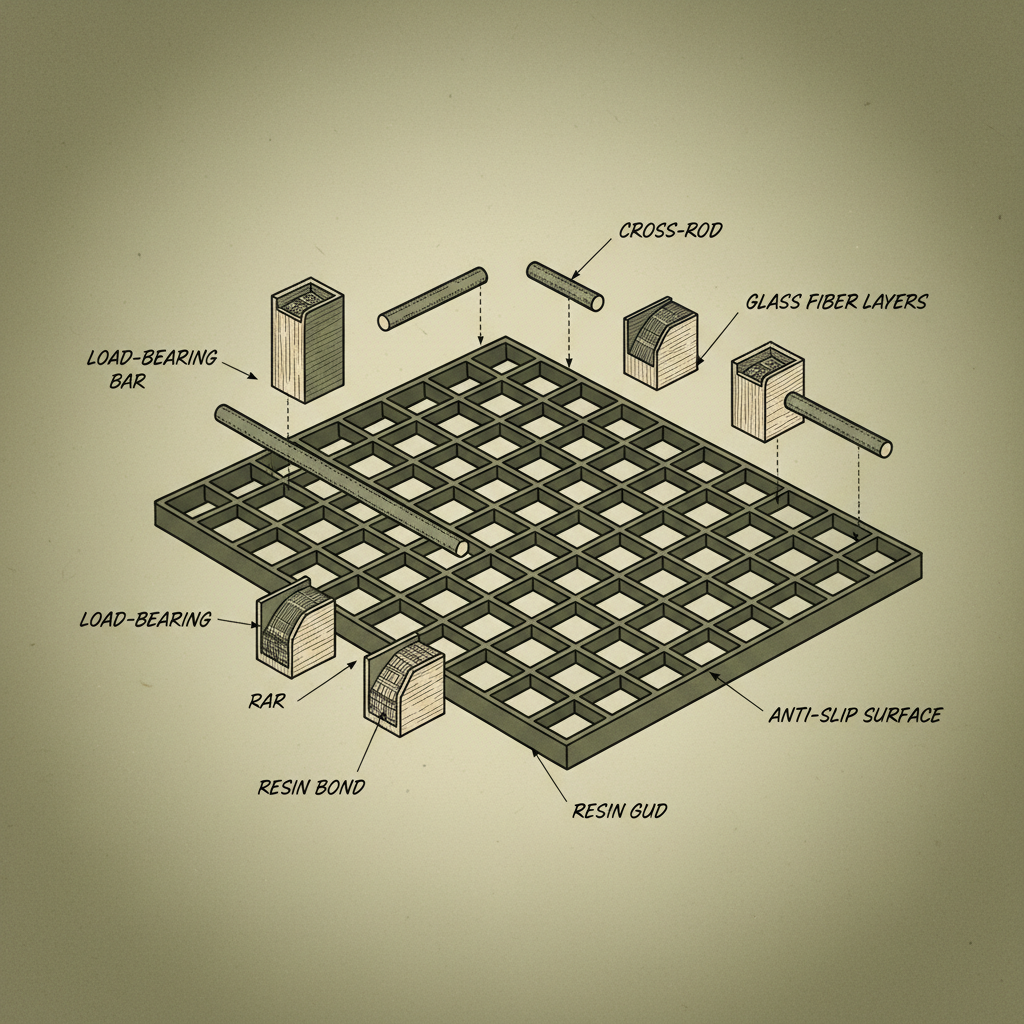
The resin matrix – that's what holds everything together. It's the key to corrosion resistance. But different resins react differently to different chemicals. You gotta know what your environment is and choose the right resin. It's not always obvious.

Real-World Testing: Beyond the Lab

Lab tests are fine, but they don't tell the whole story. I want to see how it holds up to real abuse. I’ve seen some manufacturers do drop tests with cinder blocks – that’s a good start. Impact resistance is critical.

But the best test is to put it in service and see what happens. We did a long-term trial at a chemical plant – they exposed different types of grating to various acids and solvents. It was brutal. You learn a lot from those kinds of tests.

FRP Grating Performance Comparison


How it's Actually Used (and Misused)

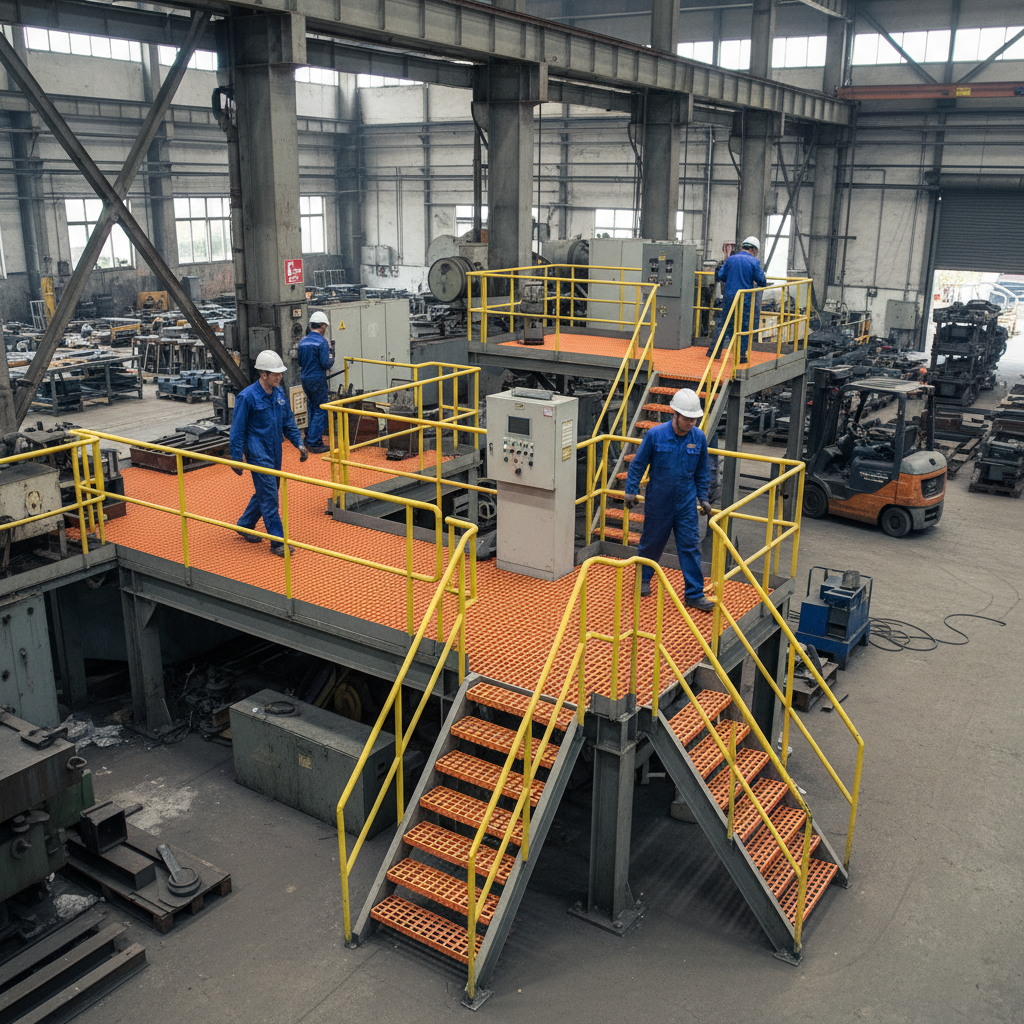
You’d think it's always for walkways and platforms, right? And it is, mostly. But I’ve seen it used for all sorts of stuff. Ladder rungs, handrails, even entire bridge decks. It’s surprisingly versatile.

But people also misuse it. I saw a guy trying to use it as a temporary support for heavy machinery. Absolutely not! It's not designed for that kind of dynamic load. Luckily, it didn’t collapse, but it was a close call. Anyway, I think people underestimate the importance of proper installation and ongoing inspection.

The Good, the Bad, and the Customizable

The good: corrosion resistance, lightweight, low maintenance. The bad: upfront cost, potential for deflection, and it’s not as strong as steel in some applications. But the customization is where it really shines.

Last month, that small boss in Shenzhen who makes smart home devices insisted on changing the interface to , and the result was a three-week delay and a lot of frustrated engineers. It's the same with FRP grating – you can tweak the resin, the fiber orientation, the panel thickness, even the surface texture to meet specific needs. You can even embed conductive materials for static dissipation. It's pretty cool, when done right.

A Quick Look at Common FRP Grating Specs

Look, everyone asks for a spec sheet. Here's a rough idea, scribbled down from years of experience. Don't take it as gospel, always check with the manufacturer.

Ultimately, whether this thing works or not, the worker will know the moment he tightens the screw.

Common FRP Grating Specifications

Grating Type Resin System Load Capacity (lbs/sq ft) Typical Applications
Molded Grating Polyester 600 Walkways, Platforms
Pultruded Grating Vinyl Ester 800 Chemical Plants, Wastewater
Cover Grating Polyester 400 Trench Covers, Cable Trays
Stair Treads Vinyl Ester 700 Outdoor Stairways
Safety Stair Treads Epoxy 900 Oil Rigs, Hazardous Areas
Specialty Grating Custom Resin Blend Variable Unique Environments

FAQS

What's the lifespan of heavy duty frp grating compared to steel?

Generally, heavy duty frp grating significantly outlasts steel in corrosive environments. While steel might need replacement every 10-20 years due to rust, FRP can easily last 25-30 years, sometimes even longer, with minimal maintenance. It depends on the specific resin system and exposure conditions, of course. But, the initial cost of FRP is usually higher.

Can heavy duty frp grating be used in extreme temperatures?

It depends on the resin. Polyester resins have a limited temperature range, typically around -40°C to 82°C. Vinyl ester and epoxy resins can handle higher temperatures, up to 120°C or even higher, depending on the formulation. Long-term exposure to extreme temperatures can degrade the resin, so it’s vital to check the manufacturer’s specifications.

Is heavy duty frp grating slippery when wet?

Yes, it can be. Smooth FRP surfaces can become slippery when wet. That's why most manufacturers offer surfaces with a grit top or other textured finishes to improve traction. It's crucial to select the right surface for the intended application, especially in areas prone to moisture. You wouldn’t want someone slipping and falling!

How easy is it to cut and modify heavy duty frp grating on-site?

FRP grating can be cut with standard power tools like circular saws or angle grinders. However, you must use a carbide-tipped blade and wear a respirator to protect yourself from the dust. Drilling is also possible, but again, use the right tools and safety precautions. It's easier to work with than steel, but you still need to be careful.

What kind of fire resistance does heavy duty frp grating have?

FRP isn’t inherently fire-resistant, but many manufacturers offer fire-retardant resins that meet specific fire safety standards. The level of fire resistance depends on the resin type and the additives used. Always check the fire rating for your specific application and local building codes. It's a critical safety consideration.

How does heavy duty frp grating perform in terms of electrical conductivity?

FRP is generally non-conductive, which is a significant advantage in certain applications where electrical isolation is required. However, some FRP grating can accumulate static electricity, so it’s important to use conductive grating in environments where static discharge is a concern. This often involves embedding carbon fibers in the grating matrix.

Conclusion

So, there you have it. heavy duty frp grating isn't a silver bullet, but it's a damn good solution for a lot of problems, especially when you're dealing with corrosion, weight, or the need for long-term durability. It’s not always the cheapest option upfront, but the lifecycle cost is often lower, and that’s what really matters.

Look, the industry is moving this way, whether everyone likes it or not. Focus on choosing the right materials, understanding the design requirements, and proper installation. And always, always listen to the guys on the ground – they'll tell you what works and what doesn’t. Ultimately, whether this thing works or not, the worker will know the moment he tightens the screw.
Marcus Ryland

Marcus Ryland

Marcus Ryland is the Regional Sales Manager for the Eastern US at ZJ Composites. Having spent 8 years in technical sales, Marcus excels at translating complex product benefits into clear value for clients. He’s passionate about showcasing the advantages of ZJ Composites' fiberglass pressure vessels and water tanks, particularly their
Previous Exploring the Advantages and Challenges of Gfrp Grating Applications
Next The Growing Demand for FRP Micro Mesh Grating in Modern Construction