
loading...
- No. 9, Xingyuan South Street, Dongwaihuan Road, Zaoqiang County, Hengshui, Hebei, China
- admin@zjcomposites.com
- +86 15097380338
- Welcome to visit our website!

High Quality Fiberglass Rods for Electric Fence Insulation Guide
The Ultimate Guide to Fiberglass Rods for Electric Fence Applications
Maintaining a secure perimeter for livestock or restricted areas requires materials that combine strength with safety. When it comes to insulation and structural support, fiberglass rods for electric fence systems have become the industry standard. Unlike metal posts, fiberglass provides the critical non-conductive properties needed to prevent power leakage, ensuring the energizer's efficiency is maximized. In this comprehensive guide, we will explore why composite materials are superior for fencing, their technical advantages, and how to choose the right specifications for your specific agricultural or industrial needs.
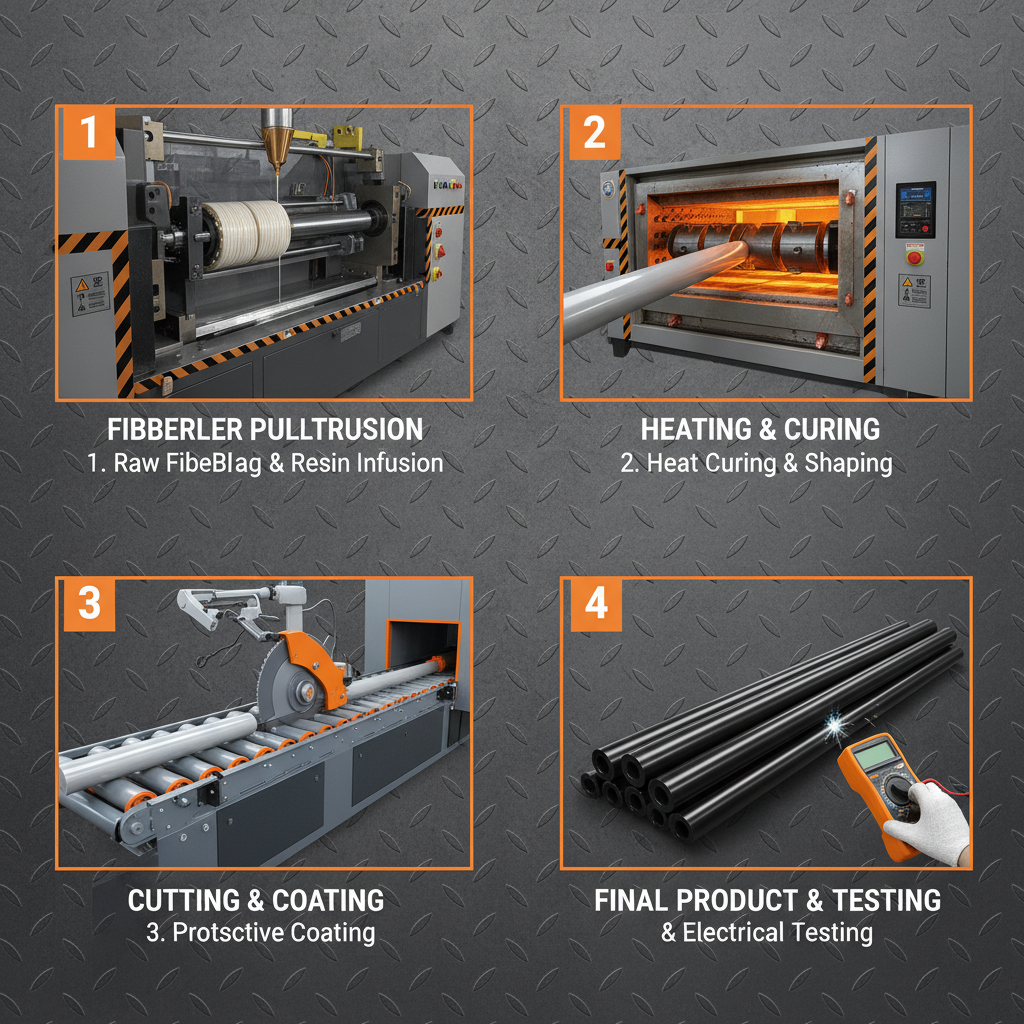
Why Choose Fiberglass Rods for Electric Fence Systems?
The primary challenge of any electric fence is voltage leakage. If the support posts conduct electricity, the energy drains into the ground, rendering the fence ineffective. Fiberglass rods for electric fence act as perfect insulators, ensuring that the current stays in the wire and delivers a powerful shock to intruders or livestock. Beyond electrical properties, these rods are incredibly lightweight, making installation significantly faster and reducing labor costs over large acreages.
Core Advantage: Fiberglass composites offer a high strength-to-weight ratio, meaning they can withstand the tension of electric wires and the impact of animals without bending or breaking permanently.
Comparing Fiberglass vs. Traditional Fencing Materials
When deciding between wood, steel, and composites, the long-term ROI becomes clear. Steel is conductive and prone to rust, while wood rots and requires chemical treatments that can harm the environment. High-quality fiberglass rods for electric fence installation provides a maintenance-free alternative. They do not corrode in salty air or degrade in humid soil, making them the most sustainable choice for diverse climates.
Durability and Weather Resistance of Fiberglass Rods
One of the most significant benefits of using fiberglass rods for electric fence is their resilience against extreme weather. UV-stabilized resins are typically used to prevent the fiberglass from becoming brittle under intense sunlight. Whether you are dealing with freezing winters in the north or tropical humidity, these rods maintain their structural integrity. They are impervious to soil chemicals, salts, and moisture, which means you won't have to replace fence posts every few seasons due to environmental decay.
Installation Tips for Fiberglass Rods for Electric Fence
To get the most out of your investment, proper installation is key. When placing fiberglass rods for electric fence, ensure they are driven deep enough into the ground to resist the lateral pressure of leaning livestock. Using a driver tool can prevent the top of the rod from splitting. We recommend spacing posts based on the tension of your wire; however, the flexibility of fiberglass allows for slightly wider spacing than wood without risking a total collapse of the line.
Pro Installation Checklist:
• Verify UV-protection coating on all rods
• Use non-conductive fasteners for wire attachment
• Ensure soil is cleared of large rocks to prevent rod snapping
• Test voltage output after installation to confirm zero leakage
Technical Specifications and Product Range
Depending on the livestock—from sheep to cattle—the required diameter and length of the rods will vary. Standard fiberglass rods for electric fence are engineered to balance flexibility with load-bearing capacity. Below are the common specifications available for different fencing tiers to help you make an informed purchase.
Maximizing Efficiency: Energy Savings with Composite Rods
One often overlooked benefit of fiberglass rods for electric fence is the reduction in electricity costs. In a traditional fence, every wooden post that becomes damp acts as a resistor, slowly bleeding energy from the system. By switching to 100% non-conductive fiberglass, you ensure that the full power of your energizer reaches the wire. This not only improves the effectiveness of the fence but also extends the battery life of solar-powered energizers, reducing the frequency of maintenance trips to remote parts of the property.
Conclusion: Future-Proofing Your Fencing with Fiberglass
Choosing fiberglass rods for electric fence is more than just a material upgrade; it is a strategic decision to lower costs and increase security. With their unmatched insulation properties, weather resistance, and ease of installation, composite rods outperform traditional materials in every measurable category. By investing in high-grade fiberglass, you ensure a reliable, long-lasting perimeter that protects your livestock and your investment. Upgrade to the modern standard of fencing today.
Frequently Asked Questions (FAQs)
Do fiberglass rods really prevent electricity leakage?
Yes, absolutely. Fiberglass is an inherent electrical insulator, meaning it does not allow electric current to flow through it. In contrast, metal posts are conductive, and wooden posts can become conductive when they absorb moisture from rain or soil. By using fiberglass rods for electric fence, you eliminate the "grounding" effect that often weakens electric fences, ensuring the maximum voltage is delivered to the animal or intruder, which significantly increases the deterrent effect of the system.
Will fiberglass rods break under the pressure of large animals?
Fiberglass is designed with a unique balance of strength and flexibility. Unlike steel, which bends and stays bent, or wood, which snaps, fiberglass rods are designed to flex under pressure and return to their original shape. For larger animals like cattle or horses, we recommend our Heavy Duty range (20mm+ diameter). These are specifically engineered to handle higher tension and impact forces, providing a robust barrier that can withstand the lean of a heavy animal without failing.
How do I protect the rods from UV degradation over time?
UV degradation is a common issue with low-quality plastics, but professional-grade fiberglass rods for electric fence are treated with UV-stabilized resins during the manufacturing process. This creates a protective barrier that prevents the sun's rays from breaking down the polymer chains. To ensure maximum longevity, always verify that your supplier uses UV-resistant coatings. When properly treated, these rods can last for decades in direct sunlight without losing their structural integrity or color.
Are fiberglass rods environmentally friendly compared to treated wood?
Yes, they are a much greener alternative. Wooden posts are often treated with CCA (Chromated Copper Arsenate) or other toxic chemicals to prevent rot and insect infestation. These chemicals can leach into the soil and groundwater over time. Fiberglass is inert and does not require toxic preservatives to survive in the ground. Additionally, because they have a significantly longer lifespan, fewer materials are consumed over time, reducing the overall environmental footprint of your farm's infrastructure.
-
Benefits and Guide of Installing a White Fiberglass FenceNewsApr.09,2026
-
Choosing the Right Fibreglass Fence for Property Enhancement and LongevityNewsApr.07,2026
-
Comprehensive Guide to Durable Fiberglass Fence Rods and Their ApplicationsNewsMar.31,2026
-
Comprehensive Guide to Durable Fiberglass Fence Post Solutions for Various ApplicationsNewsMar.28,2026
-
Comprehensive Guide to Fiberglass Fencing Benefits and ApplicationsNewsMar.26,2026
-
Comprehensive Guide to Choosing the Right Safety Guard System for Industrial ProtectionNewsMar.24,2026
-
Comprehensive Guide to Machine Guarding Systems for Workplace SafetyNewsMar.21,2026