
loading...
- No. 9, Xingyuan South Street, Dongwaihuan Road, Zaoqiang County, Hengshui, Hebei, China
- admin@zjcomposites.com
- +86 15097380338
- Welcome to visit our website!

Comprehensive Guide to Machine Guarding Systems for Workplace Safety
Comprehensive Guide to Machine Guarding Systems
Protecting personnel and equipment is paramount in any industrial setting. Machine guarding systems are critical components of workplace safety, designed to minimize the risk of injury from hazards associated with moving machinery. This article provides an in-depth exploration of these systems, covering types, applications, materials, and considerations for implementation. Effective machine guarding enhances safety, reduces downtime, and ensures compliance with industry regulations. Let’s delve into the world of machine safety and understand how to choose the right guarding solution for your needs.
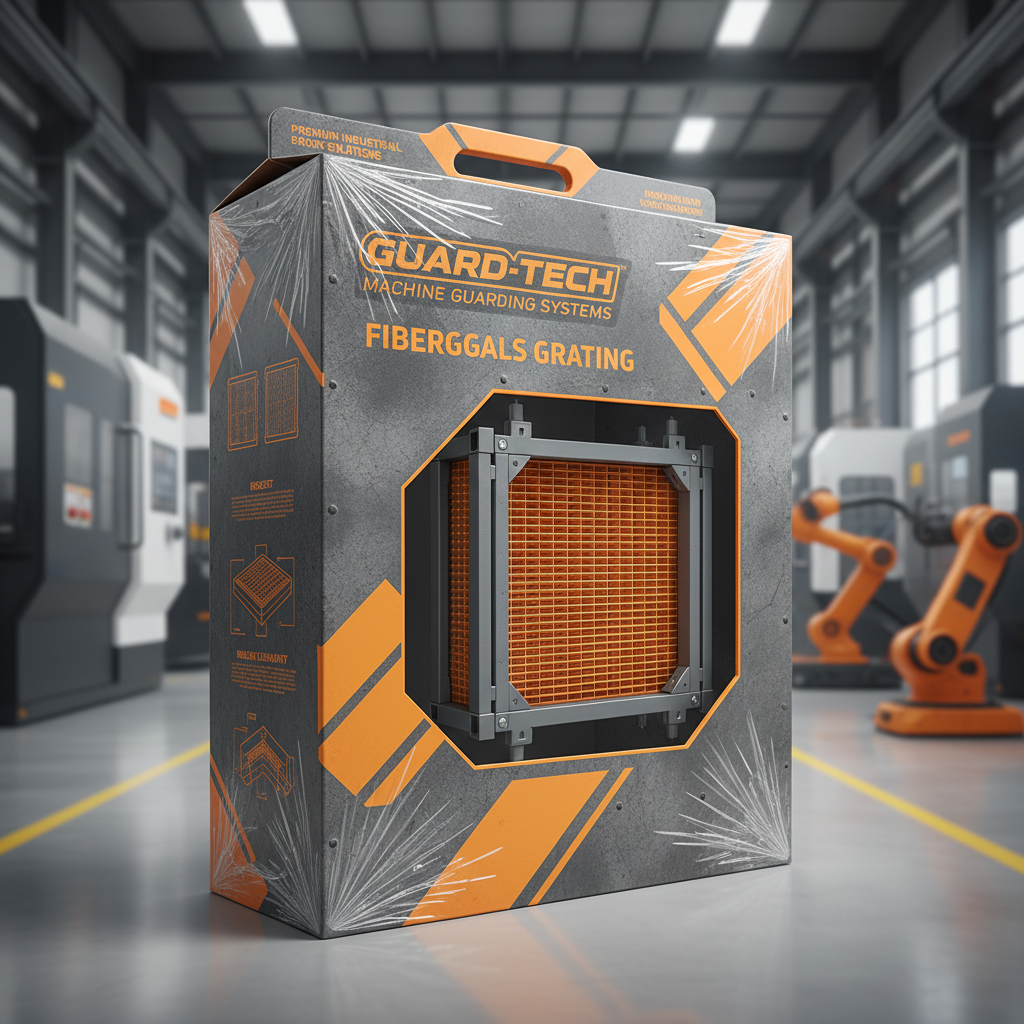
Understanding the Core Principles of Machine Guarding
The primary goal of machine guarding is to prevent contact between workers and moving parts of machinery. This can be achieved through various methods, including physical barriers, light curtains, interlocks, and presence-sensing devices. A well-designed system must be strong enough to withstand accidental impact, prevent unauthorized access, and not interfere with the machine's functionality. Furthermore, the system should be easy to maintain and inspect. The Occupational Safety and Health Administration (OSHA) provides specific guidelines and regulations regarding machine guarding, which must be adhered to in order to maintain a safe working environment. Proper risk assessment is the first step in determining the most appropriate guarding solution.
Key Considerations: Risk assessment, regulatory compliance (OSHA), ease of maintenance, minimal interference with machine operation.
Types of Machine Guarding Systems
There’s a wide variety of machine guarding systems available, each suited to different applications. Fixed guards, the most common type, are permanently attached to the machine and provide a physical barrier. Interlocked guards automatically shut down the machine when the guard is opened. Adjustable guards allow for flexibility in accommodating different workpieces. Light curtains use infrared beams to detect intrusions and stop the machine. Presence-sensing devices utilize sensors to detect when a worker enters the hazardous area. Selecting the right type depends on the specific hazard, the frequency of access required, and the overall layout of the workspace. Understanding these options is crucial for effective safety implementation.
Machine Guarding Types:
• Fixed Guards
• Interlocked Guards
• Adjustable Guards
• Light Curtains
• Presence-Sensing Devices
Material Selection for Machine Guards
The choice of material for machine guards is critical, influenced by the application, the type of hazard, and environmental conditions. Common materials include steel, aluminum, polycarbonate, and reinforced composites. Steel provides high strength and durability, ideal for high-impact applications. Aluminum is lightweight and corrosion-resistant. Polycarbonate offers excellent visibility and impact resistance. Composite materials offer a combination of strength, lightweight properties, and corrosion resistance. The selection must consider factors like temperature, chemical exposure, and potential for electrical hazards. Often, a combination of materials is used to create the most effective guarding solution.
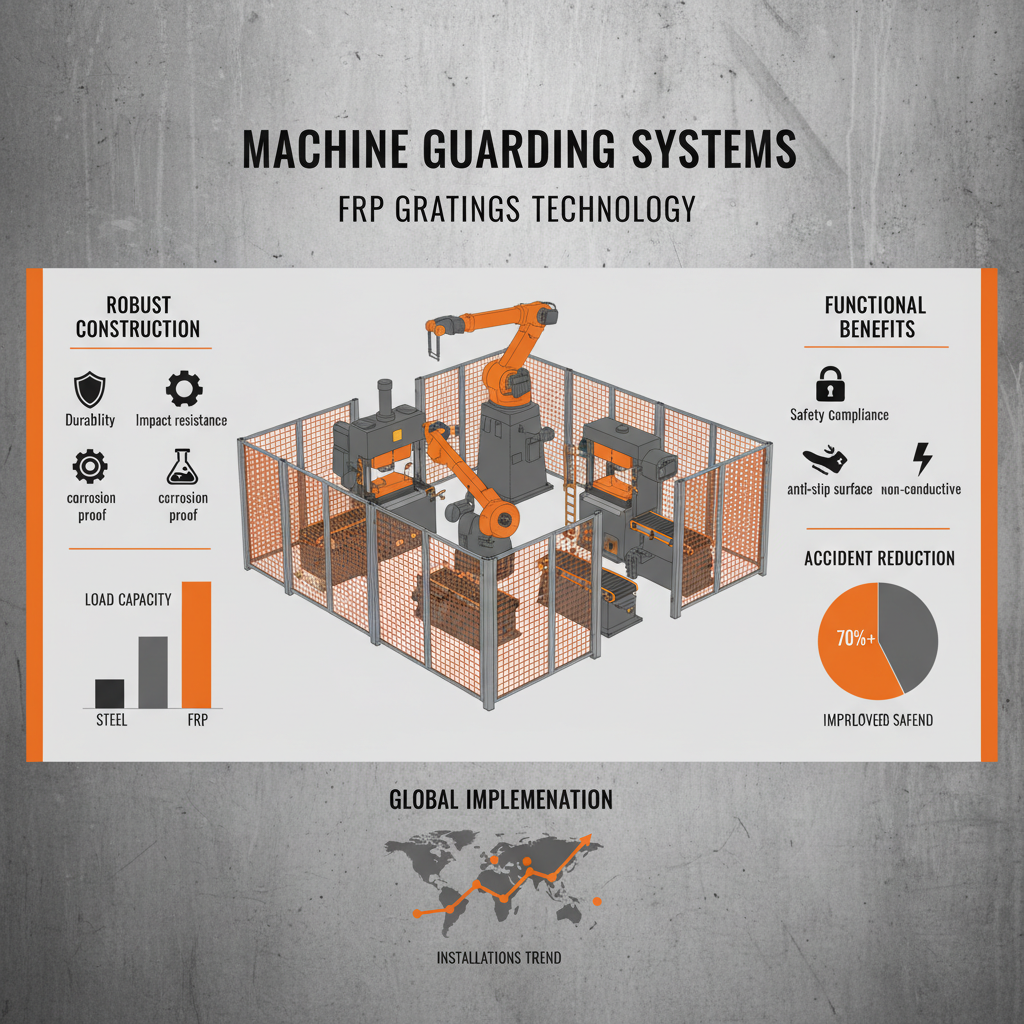
Machine Guarding Systems: A Comparative Analysis
Different machine guarding systems offer varying levels of protection, cost, and complexity. Here’s a comparison of some common options:
Implementing and Maintaining Machine Guarding Systems
Effective machine guarding is an ongoing process. It starts with a thorough risk assessment to identify potential hazards. Next, select the appropriate guarding system based on the specific risks. Proper installation is critical to ensure the system functions as intended. Regular inspections and maintenance are essential to identify and address any issues. Employee training is also vital, ensuring that workers understand the purpose of the guards and how to use them correctly. Documentation of risk assessments, inspections, and maintenance activities is crucial for demonstrating compliance and continuous improvement. ZJ Composites offers a comprehensive range of services to assist with machine guarding implementation and maintenance.
Conclusion: Prioritizing Safety with Robust Machine Guarding
Investing in robust machine guarding systems isn't just a matter of compliance; it’s a commitment to the safety and well-being of your workforce. By carefully assessing risks, selecting appropriate materials and systems, and implementing a comprehensive maintenance program, you can significantly reduce the potential for workplace injuries and create a safer, more productive environment. Don’t compromise on safety – choose a partner dedicated to providing reliable and effective machine guarding solutions.
Frequently Asked Questions (FAQs)
What are the key OSHA requirements for machine guarding?
OSHA mandates that all machines with moving parts that pose a hazard to employees must be adequately guarded. This includes point of operation guarding, moving parts guarding, and protection against ejected material. The specific requirements vary depending on the type of machine, but the overarching principle is to prevent employee contact with hazardous areas. OSHA provides detailed guidance on acceptable guarding methods and regularly inspects workplaces to ensure compliance. Failure to comply can result in significant penalties.
How often should machine guards be inspected?
Machine guards should be inspected regularly – at least annually, and more frequently if the machine is heavily used or exposed to harsh conditions. Inspections should verify that the guards are securely attached, undamaged, and functioning properly. Any deficiencies should be addressed immediately. It’s crucial to maintain detailed records of all inspections and repairs. Regular preventative maintenance can help identify potential issues before they become serious safety hazards.
What are the benefits of using composite materials for machine guards?
Composite materials, like those offered by ZJ Composites, offer several advantages over traditional materials. They are lightweight, corrosion-resistant, and provide excellent impact resistance. Composites can also be molded into complex shapes, allowing for customized guarding solutions. Furthermore, they often require less maintenance and have a longer lifespan than metal guards. These benefits contribute to reduced downtime and improved safety.
-
High Quality Fiberglass Rods for Electric Fence Insulation GuideNewsApr.16,2026
-
Benefits and Guide of Installing a White Fiberglass FenceNewsApr.09,2026
-
Choosing the Right Fibreglass Fence for Property Enhancement and LongevityNewsApr.07,2026
-
Comprehensive Guide to Durable Fiberglass Fence Rods and Their ApplicationsNewsMar.31,2026
-
Comprehensive Guide to Durable Fiberglass Fence Post Solutions for Various ApplicationsNewsMar.28,2026
-
Comprehensive Guide to Fiberglass Fencing Benefits and ApplicationsNewsMar.26,2026
-
Comprehensive Guide to Choosing the Right Safety Guard System for Industrial ProtectionNewsMar.24,2026