
loading...
- No. 9, Xingyuan South Street, Dongwaihuan Road, Zaoqiang County, Hengshui, Hebei, China
- admin@zjcomposites.com
- +86 15097380338
- Welcome to visit our website!

Benefits and Guide of Installing a White Fiberglass Fence
Elevate Your Property with a White Fiberglass Fence: The Ultimate Guide
When it comes to blending aesthetic appeal with unmatched durability, the white fiberglass fence has emerged as the gold standard for modern homeowners and commercial developers. Unlike traditional wood or vinyl, fiberglass composites offer a sophisticated look that withstands the harshest weather conditions without warping or rotting. Whether you are looking to enhance your curb appeal or secure your perimeter, understanding the benefits of this advanced material is key to making a long-term investment. In this guide, we will explore why fiberglass is redefining the fencing industry and how it outperforms other common materials.
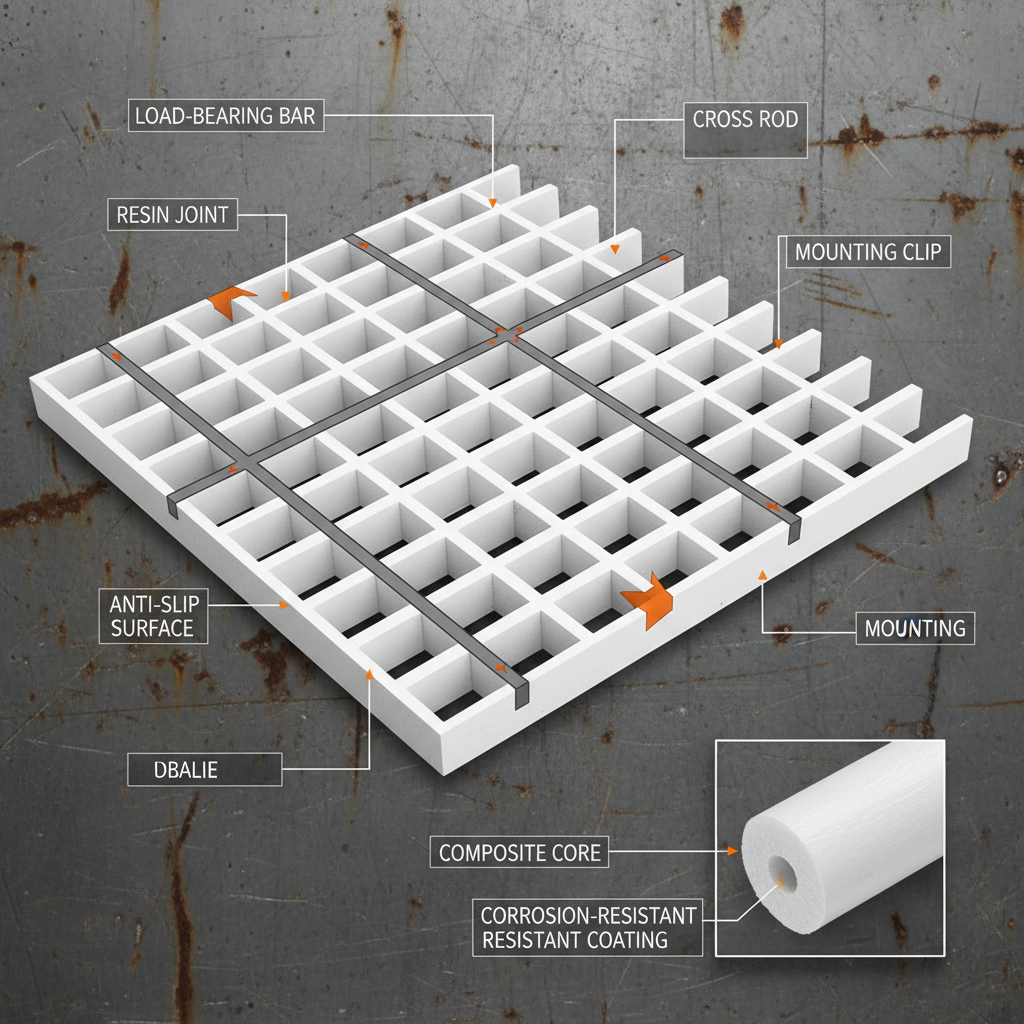
Unmatched Durability of White Fiberglass Fence Systems
The primary reason professionals recommend a white fiberglass fence is its extraordinary structural integrity. Fiberglass is a composite material consisting of strong glass fibers embedded in a resin matrix, creating a product that is significantly stronger than PVC. This means it can withstand high wind loads and heavy impacts without cracking. Furthermore, the white finish is integrated into the material, preventing the peeling or flaking commonly seen with painted wood. For those living in coastal areas, the corrosion-resistant nature of fiberglass makes it an ideal choice, as it remains unaffected by salt spray and humidity.
Pro Tip: Because fiberglass doesn't absorb moisture, it is naturally resistant to mold, mildew, and termite infestations, reducing your long-term maintenance costs to nearly zero.
Low Maintenance and Long-Term Cost Efficiency
One of the most frustrating aspects of owning a traditional fence is the endless cycle of sanding, staining, and painting. A white fiberglass fence eliminates this burden entirely. The non-porous surface repels dirt and grime, meaning a simple rinse with a garden hose is often all that is required to keep it looking brand new. While the initial investment may be higher than basic wood, the total cost of ownership over 20 years is significantly lower due to the absence of replacement parts and chemical treatments. It is a "set it and forget it" solution for property boundaries.
White Fiberglass Fence vs. Other Materials: A Comparison
Choosing the right material requires a clear understanding of how different options perform under pressure. When comparing a white fiberglass fence to PVC, Wood, and Wrought Iron, the advantages in strength-to-weight ratio and longevity become evident. Fiberglass provides the clean look of vinyl but with the strength of metal, without the rust risks associated with iron. The following table breaks down the key differences to help you decide.
Installation Versatility and Aesthetic Appeal
A white fiberglass fence is not just about strength; it is about style. The crisp white color creates a timeless, clean boundary that complements almost any architectural style, from modern minimalist homes to classic colonial estates. Because fiberglass can be molded into various shapes, you can choose from picket styles, privacy panels, or decorative lattices. The installation process is streamlined thanks to lightweight components that do not compromise on rigidity, allowing for a faster setup compared to heavy stone or iron fencing.
Technical Specifications of Fiberglass Fencing
To truly appreciate the engineering behind the white fiberglass fence, one must look at the material specifications. The use of UV-stabilized resins ensures that the white color does not yellow over time, even under intense sunlight. The reinforced internal structure provides the necessary flex to handle wind gusts without snapping. Below is a summary of the standard technical specifications you can expect from high-quality fiberglass fencing.
Conclusion: The Smart Choice for Modern Boundaries
Investing in a white fiberglass fence is more than just a home improvement project; it is a strategic decision to increase property value while eliminating the headaches of maintenance. With its superior strength, weather resistance, and timeless white aesthetic, fiberglass stands far above traditional materials. Whether for residential privacy or commercial security, this composite solution provides peace of mind and lasting beauty. Upgrade your exterior today with the resilience of fiberglass.
Frequently Asked Questions (FAQs)
Does a white fiberglass fence yellow over time?
High-quality fiberglass fences are manufactured with advanced UV-stabilized resins. This means the material is chemically engineered to reflect ultraviolet rays rather than absorb them, which prevents the "yellowing" effect commonly seen in cheap PVC or vinyl fences. While all materials can accumulate surface dust, a quick cleaning with water and mild soap restores the original brilliant white finish, ensuring your property remains vibrant for decades.
How does fiberglass compare to vinyl in terms of strength?
Fiberglass is significantly stronger than vinyl (PVC). While vinyl is essentially a soft plastic that can crack in extreme cold or warp in extreme heat, fiberglass is a composite of glass fibers and resin. This structure gives it much higher tensile strength and rigidity. In practical terms, a white fiberglass fence is far less likely to bend under wind pressure or break upon impact from pets or machinery.
Is fiberglass fencing environmentally friendly?
Yes, fiberglass is a sustainable alternative to wood. By choosing fiberglass, you reduce the demand for timber, helping to prevent deforestation. Additionally, because it does not require the toxic stains, sealants, or paints that wood fences need every few years, you are preventing harmful chemicals from leaching into your soil and groundwater. Many modern composite manufacturers also utilize recycled materials in their production process, further reducing the environmental footprint.
Can I install a fiberglass fence myself?
While DIY installation is possible for those with basic construction experience, professional installation is recommended to ensure the posts are perfectly plumb and the tension is correct. Fiberglass components are designed for easy assembly, often utilizing interlocking systems. However, because the material is so rigid and durable, precise measurements are critical. Contacting a specialist from zjcomposites.com can help you determine the best layout and installation method for your specific terrain.
-
Choosing the Right Fibreglass Fence for Property Enhancement and LongevityNewsApr.07,2026
-
Comprehensive Guide to Durable Fiberglass Fence Rods and Their ApplicationsNewsMar.31,2026
-
Comprehensive Guide to Durable Fiberglass Fence Post Solutions for Various ApplicationsNewsMar.28,2026
-
Comprehensive Guide to Fiberglass Fencing Benefits and ApplicationsNewsMar.26,2026
-
Comprehensive Guide to Choosing the Right Safety Guard System for Industrial ProtectionNewsMar.24,2026
-
Comprehensive Guide to Machine Guarding Systems for Workplace SafetyNewsMar.21,2026
-
Comprehensive Guide to Industrial Guarding Systems for Enhanced SafetyNewsMar.19,2026