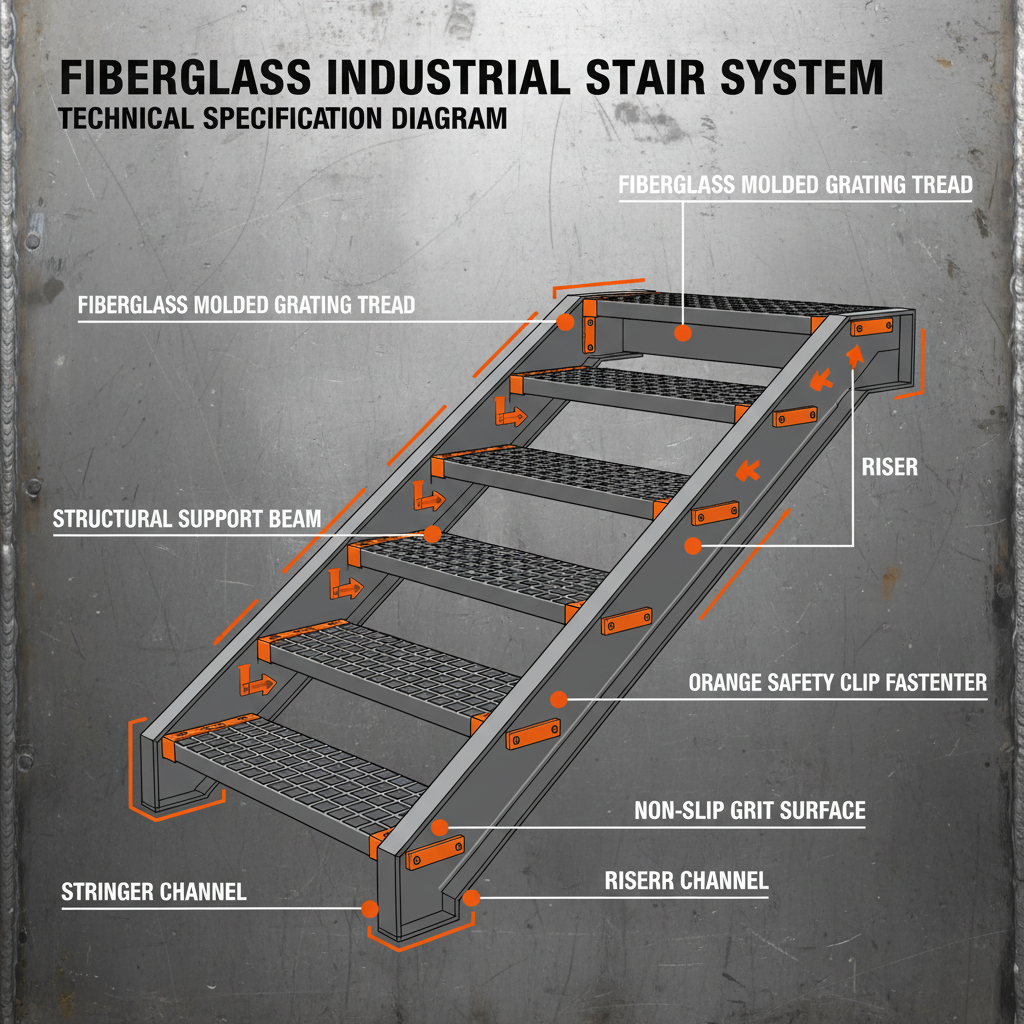
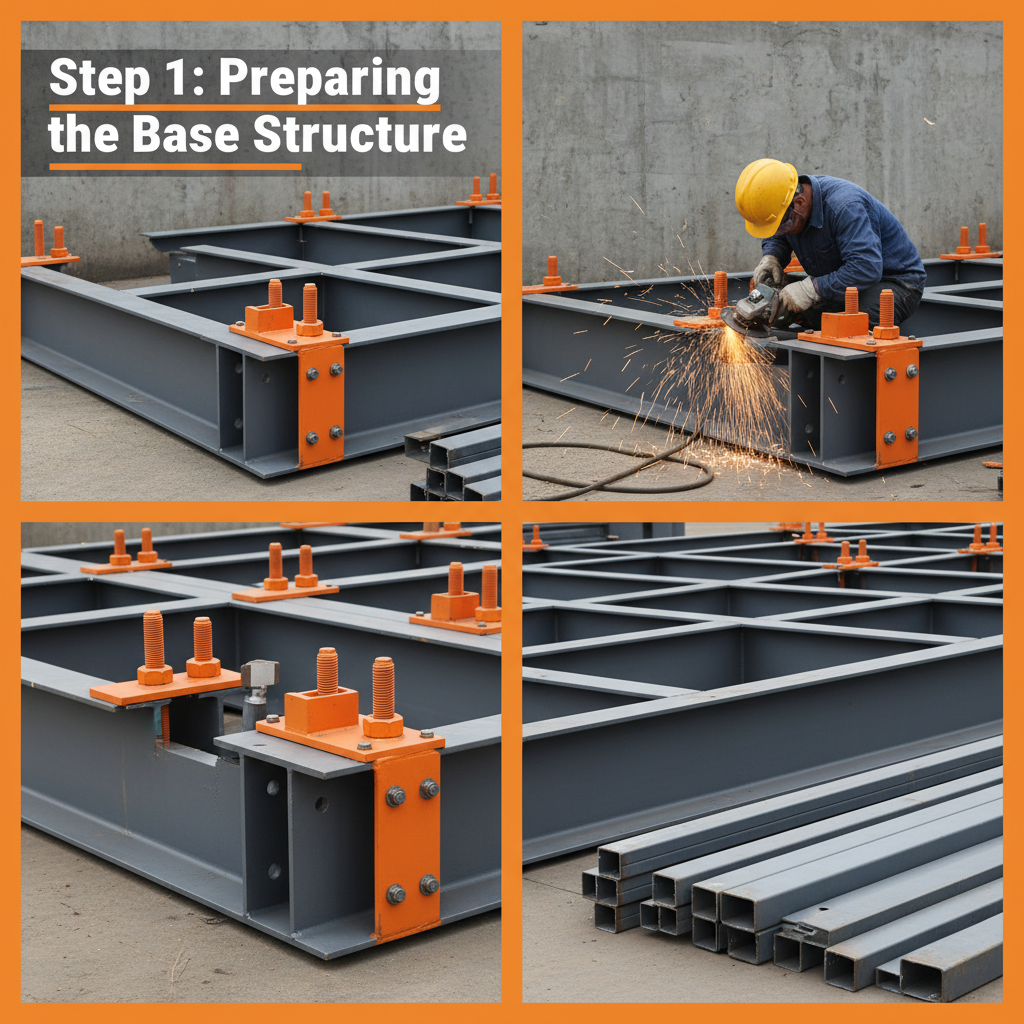
The need for robust and reliable deck surfaces is paramount across a multitude of industries, from marine infrastructure and oil & gas platforms to industrial walkways and public spaces. deck safe solutions are increasingly crucial in mitigating risks associated with corrosion, fatigue, and worker safety, demanding materials and designs that prioritize longevity and performance. These solutions are vital for maintaining operational efficiency and minimizing long-term costs.
Globally, industries are shifting towards lighter, stronger, and more durable materials to address aging infrastructure and meet increasingly stringent safety regulations. The economic impact of deck failures – including downtime, repair costs, and potential accidents – is substantial, driving demand for advanced deck safe solutions. Factors like harsh environmental conditions and the constant exposure to corrosive elements necessitate innovative approaches to deck construction.
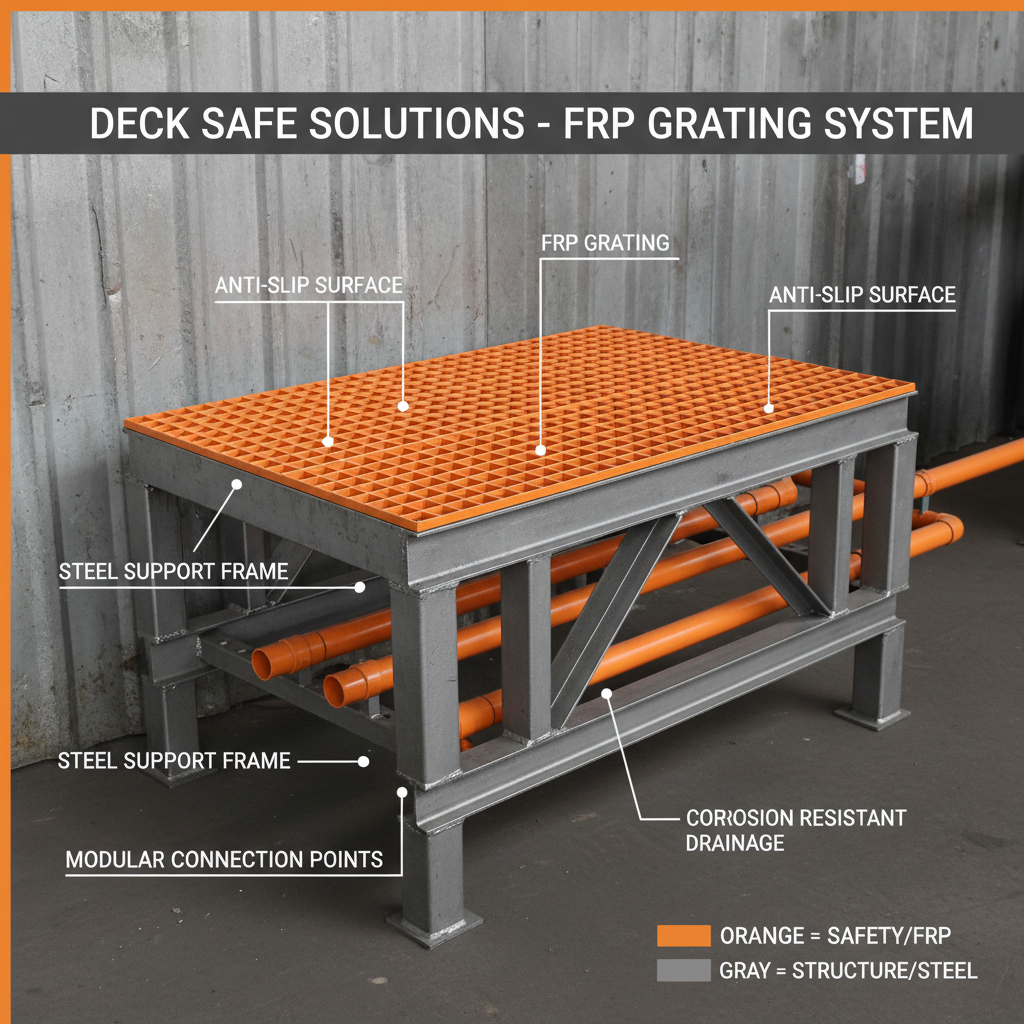
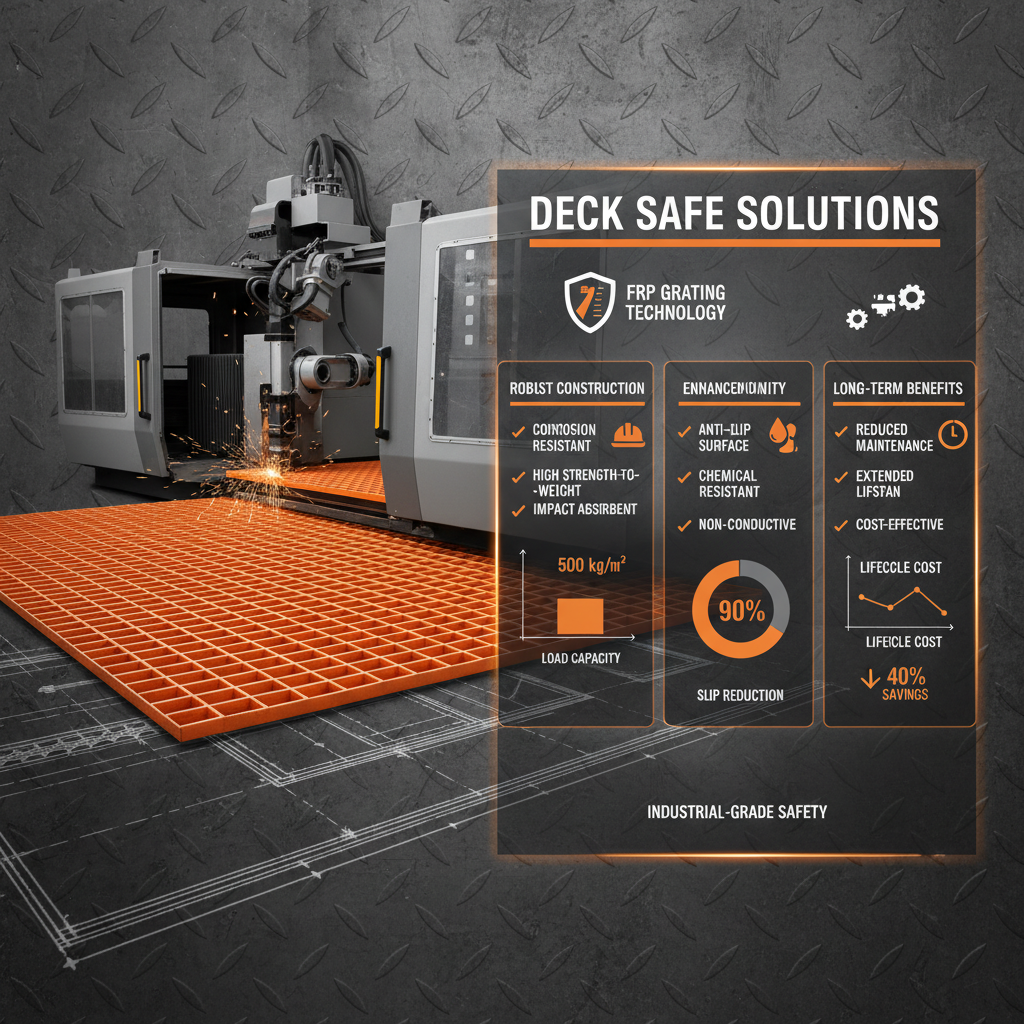
FRP (Fiber Reinforced Polymer) grating and structural profiles, offered by companies like Zhejiang Composites, represent a significant advancement in deck safe solutions. These materials provide a compelling alternative to traditional steel and concrete, offering superior corrosion resistance, high strength-to-weight ratios, and extended service life. This results in reduced maintenance requirements and improved overall safety for workers and assets.
The Importance of Deck Safe Solutions
Ensuring deck safety is not simply a matter of compliance; it’s a critical element of risk management across diverse sectors. Failures can lead to significant financial losses due to downtime, repairs, and potential legal liabilities. Effective deck safe solutions proactively minimize these risks, protecting both personnel and assets.
Beyond financial considerations, prioritizing deck safety reflects a commitment to worker wellbeing and ethical operational practices. Providing a secure working environment boosts morale, increases productivity, and enhances a company’s reputation. This is increasingly important in a world where corporate social responsibility is under intense scrutiny.
Understanding Deck Safe Solutions
Deck safe solutions encompass a comprehensive approach to the design, construction, and maintenance of elevated surfaces. This includes selecting appropriate materials – such as FRP grating, steel, concrete, or timber – and implementing robust safety features like handrails, guardrails, and anti-slip surfaces. The goal is to create a secure and reliable platform for personnel and equipment.
These solutions are deeply connected to modern industrial demands for increased efficiency and reduced operational costs. Lightweight, high-strength materials like FRP allow for easier installation, lower maintenance, and extended service life, directly contributing to improved profitability. The increasing demand for sustainable materials also drives innovation in deck safe solutions, with a focus on eco-friendly manufacturing processes and recyclable materials.
Fundamentally, a comprehensive approach to deck safe solutions involves a thorough assessment of the intended application, environmental conditions, load requirements, and safety regulations. A one-size-fits-all approach is rarely effective; customized solutions tailored to specific needs are crucial for optimal performance and longevity.
Core Components of Effective Deck Safe Solutions
Corrosion Resistance: This is arguably the most critical component, especially in marine or chemically exposed environments. Materials like FRP offer inherent resistance to corrosion, eliminating the need for costly coatings and repairs. A robust corrosion prevention strategy is fundamental to ensuring the long-term integrity of any deck structure.
Load Capacity and Structural Integrity: Deck safe solutions must be engineered to withstand the expected loads, including personnel, equipment, and environmental factors like snow or wind. Rigorous structural analysis and adherence to relevant building codes are essential.
Slip Resistance: Providing a safe walking surface is paramount. Anti-slip surfaces, such as textured grating or specialized coatings, significantly reduce the risk of slips, trips, and falls, particularly in wet or oily conditions. Consistent slip resistance performance over the lifespan of the deck is vital.
Global Applications of Deck Safe Solutions
Deck safe solutions find widespread application in the offshore oil and gas industry, where platforms are constantly exposed to harsh marine environments. FRP grating and structural components are used extensively in walkways, helipads, and equipment supports.
In the wastewater treatment sector, chemical resistance is crucial. FRP decks and covers provide a safe and durable solution for accessing and maintaining treatment facilities. Similarly, in the power generation industry, deck safe solutions are utilized in cooling towers, walkways, and equipment platforms.
Comparative Analysis of Deck Safe Solutions Methods
Advantages and Long-Term Value of Deck Safe Solutions
The adoption of advanced deck safe solutions delivers significant cost savings over the lifecycle of a structure. Reduced maintenance requirements, longer service life, and minimized downtime translate into substantial financial benefits. Furthermore, the enhanced safety profile reduces the risk of costly accidents and legal claims.
From a sustainability perspective, FRP materials offer a lower carbon footprint compared to traditional steel production. The reduced need for repairs and replacements also contributes to a more sustainable lifecycle. Investing in deck safe solutions demonstrates a commitment to environmental responsibility.
Future Trends in Deck Safe Solutions
The integration of smart sensors and monitoring systems into deck structures is an emerging trend. These sensors can detect corrosion, fatigue, and other potential issues, enabling proactive maintenance and preventing catastrophic failures. Real-time data analysis allows for optimized performance and extended service life.
Continued advancements in FRP materials are also on the horizon. Researchers are developing new resin formulations and fiber reinforcements that offer even higher strength, improved durability, and enhanced resistance to extreme environments. The development of self-healing materials could further revolutionize deck safe solutions.
Challenges and Solutions in Implementing Deck Safe Solutions
One significant challenge is the initial cost of FRP materials, which can be higher than traditional steel. However, this cost is often offset by the long-term benefits of reduced maintenance and extended service life. Life cycle cost analysis is crucial for demonstrating the overall value proposition.
Another challenge is the lack of familiarity among some engineers and contractors with FRP materials and installation techniques. Providing comprehensive training and technical support is essential for ensuring proper implementation and maximizing the benefits of deck safe solutions.
Overcoming these challenges requires collaboration between material suppliers, engineers, contractors, and asset owners. Sharing best practices and promoting industry standards will accelerate the adoption of innovative deck safe solutions.
Overview of Comparative Assessment of Deck Safe Solution Implementation
| Material Type |
Initial Cost (USD/sq ft) |
Maintenance Frequency |
Long-Term Durability (Years) |
| Steel |
$10 - $20 |
Annual Coating & Inspection |
15 - 20 |
| Concrete |
$8 - $15 |
Periodic Crack Repair |
20 - 30 |
| Timber |
$5 - $10 |
Annual Treatment & Inspection |
10 - 15 |
| FRP Grating |
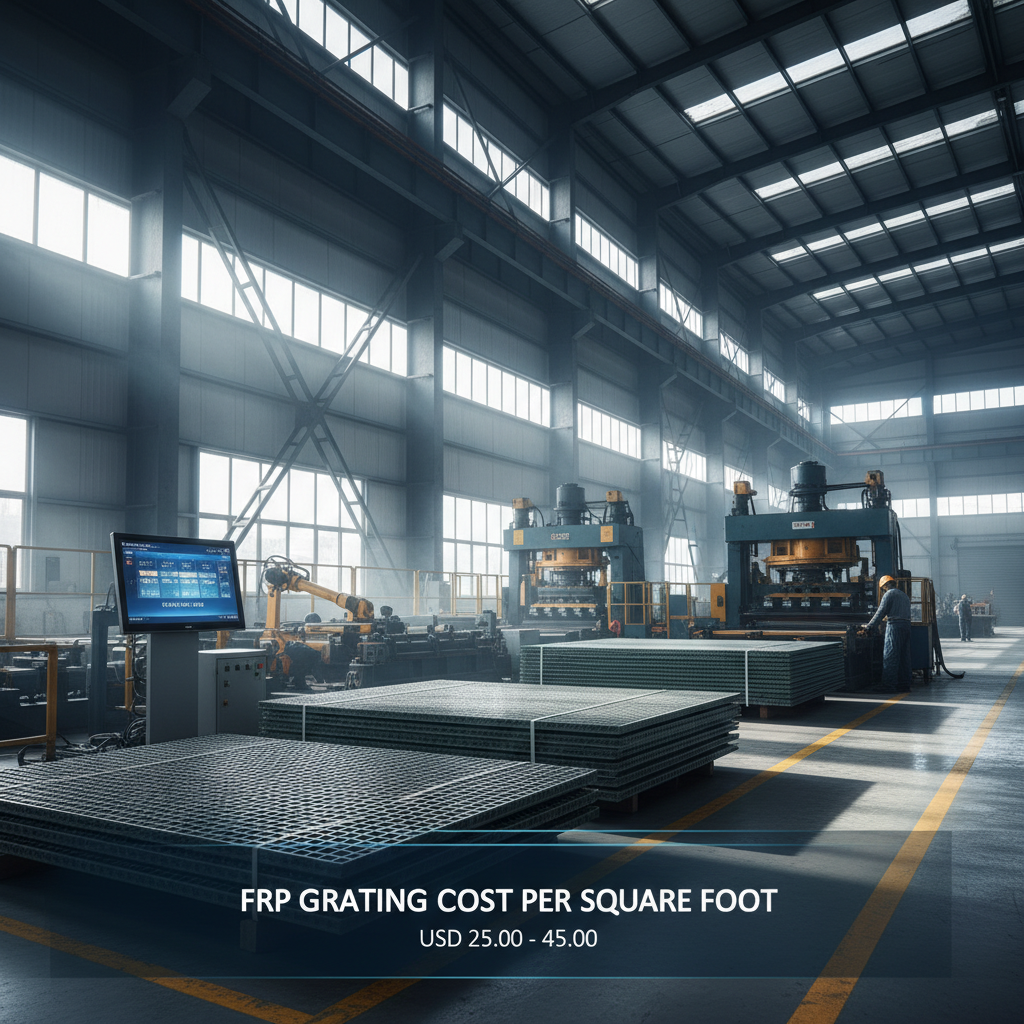
$25 - $40 |
Minimal - Visual Inspection |
50+ |
| FRP Structural Profiles |
$30 - $50 |
Minimal - Visual Inspection |
50+ |
| Stainless Steel |
$35 - $60 |
Periodic Cleaning |
30 - 40 |
FAQS
FRP grating offers superior corrosion resistance, a high strength-to-weight ratio, and requires minimal maintenance. This translates into reduced lifecycle costs, improved safety for personnel, and enhanced operational efficiency. Unlike steel, FRP doesn't rust, eliminating the need for costly painting and repairs. It’s also non-conductive, making it ideal for environments with electrical hazards.
FRP is significantly lighter than steel, making it easier and faster to install. This reduces labor costs and downtime. FRP components often require less specialized equipment for handling and installation compared to heavy steel sections. However, it’s important to use appropriate cutting and fastening techniques specific to FRP materials.
While FRP is not inherently fireproof, flame retardant resins can be incorporated during manufacturing to improve its fire resistance. The performance in a fire depends on the specific resin system and the presence of any fire-retardant additives. It’s crucial to select FRP materials that meet relevant fire safety standards for the intended application.
Yes, FRP is highly resistant to saltwater corrosion, making it an excellent choice for marine environments. Unlike steel, it won't rust or degrade when exposed to saltwater, reducing the need for costly repairs and replacements. The specific resin system used in the FRP construction will influence its long-term performance in harsh environments.
While the initial cost of FRP may be higher, the lifecycle cost is often lower due to reduced maintenance, longer service life, and decreased downtime. The elimination of corrosion-related repairs and replacements contributes significantly to long-term cost savings. A thorough lifecycle cost analysis is recommended to compare different material options.
Yes, various building codes and standards address FRP construction, depending on the region and application. These codes specify requirements for material properties, structural design, and installation. It’s important to consult with a qualified engineer to ensure compliance with all relevant regulations.
Conclusion
In conclusion, deck safe solutions utilizing materials like FRP grating represent a significant advancement in infrastructure safety and longevity. Offering superior corrosion resistance, reduced maintenance, and increased durability, these solutions deliver substantial long-term cost savings and enhanced operational efficiency. They are a crucial investment for industries prioritizing safety, sustainability, and reliability.
Looking ahead, the integration of smart technologies and continued material innovation will further enhance the performance and value of deck safe solutions. By embracing these advancements and working with experienced suppliers and engineers, organizations can ensure the safety and integrity of their structures for decades to come. Visit our website at www.zjcomposites.com to explore our comprehensive range of FRP products and learn how we can help you implement effective deck safe solutions.