loading...
loading...
Selecting the right surface traction system is often a critical safety decision in industrial environments where oil, water, or chemical spills are common. The transition from traditional metal surfaces to advanced composite materials has redefined how facility managers approach slip prevention.
While traditional coatings wear down quickly, the integration of integrated grit and specialized mesh structures provides a long-term solution to workplace accidents. Modern anti slip products are no longer just add-ons but are engineered into the structural core of the flooring.
This analysis examines the technical shift toward Fiberglass Reinforced Plastic (FRP) surfaces, evaluating how specific grating geometries and grit textures influence operational safety and lifecycle costs in harsh environments.


For decades, galvanized steel was the standard for industrial walkways. However, the inherent vulnerability of metal to corrosion—especially in saline or acidic environments—created a paradoxical safety risk: as the metal rusted, the surface texture changed, often becoming slicker or unexpectedly abrasive.
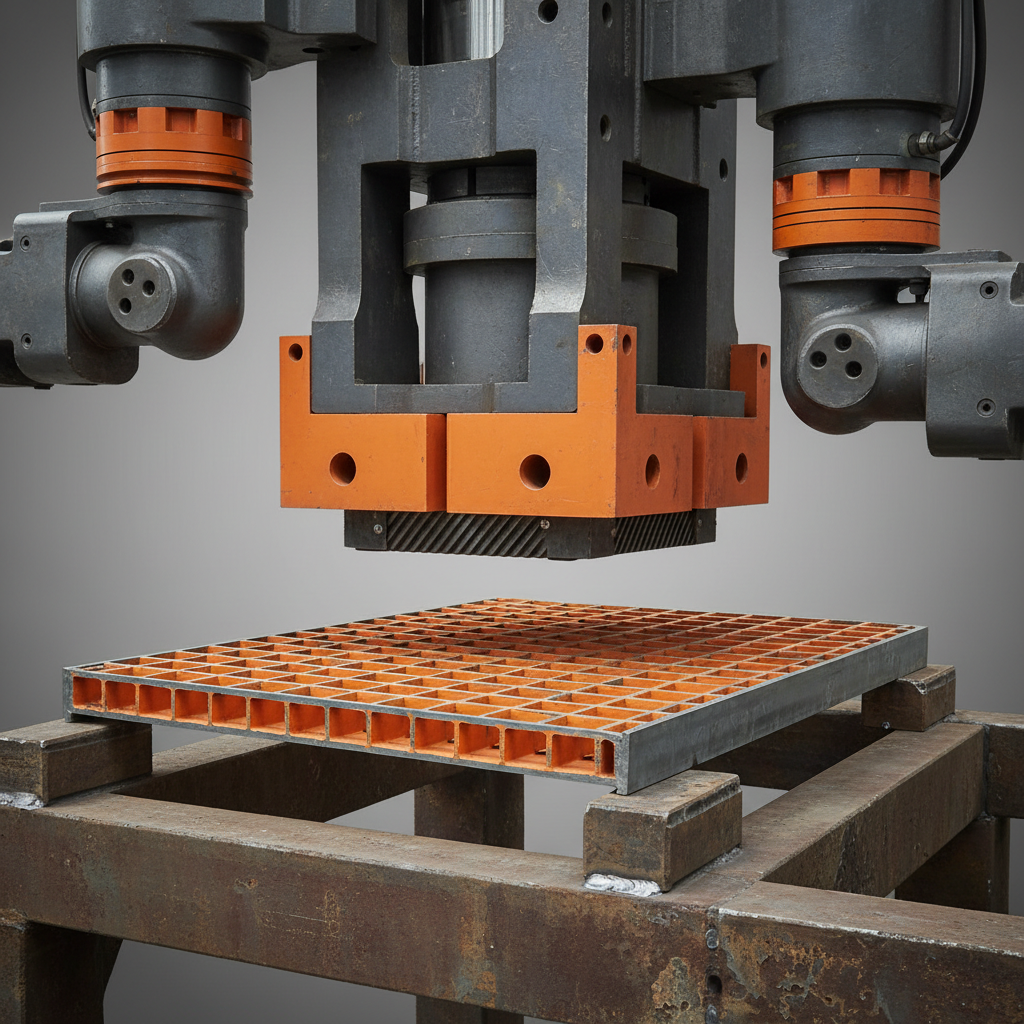
The shift toward FRP (Fiberglass Reinforced Plastic) represented a fundamental change in material science. Rather than applying a coating to a substrate, traction is now integrated during the pultrusion process, ensuring that the anti-slip properties are a permanent part of the material's architecture.
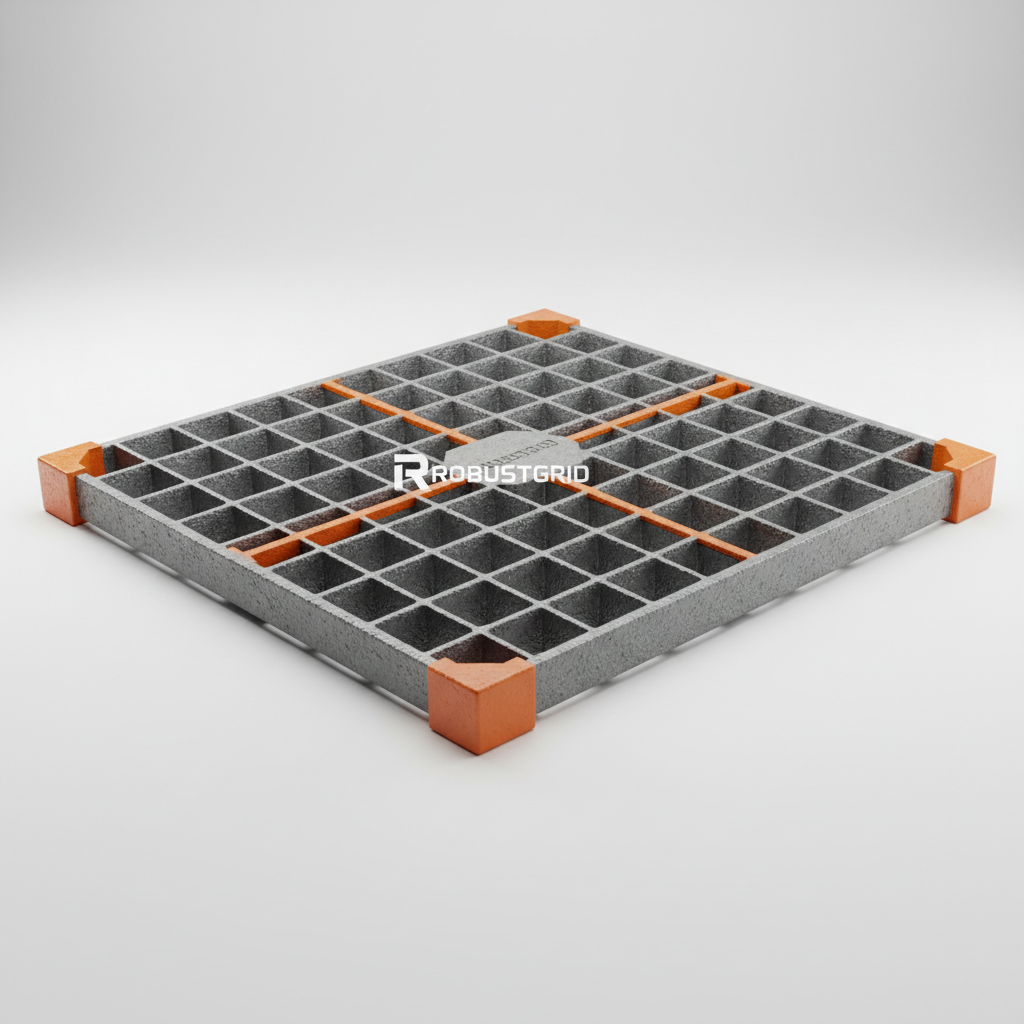
The effectiveness of FRP grating relies on the synergy between the structural geometry and the surface finish. For instance, Micro Mesh Grating prevents small objects from falling through while maintaining an open area for liquid drainage, which is the first line of defense against hydroplaning on industrial floors.
Technical design focuses on the "Coefficient of Friction" (CoF). By utilizing pultrusion profiles and specialized resins, manufacturers can embed silica sand or other grit materials into the top layer of the grating. This creates a multi-directional grip that remains effective even when the surface is submerged in water or coated in lubricants.
Furthermore, the non-conductive nature of these composites eliminates the risks associated with electrical grounding in sensitive areas, making them a safer alternative to aluminum or steel in chemical processing plants and refueling pontoons.
Not all anti-slip surfaces are created equal. The choice between "standard grit" and "fine grit" is usually a trade-off between maximum traction and ergonomic comfort. In heavy industrial zones, aggressive grit is necessary to displace thick oils.
Surface safety is a balance of traction and abrasion; while standard grit provides maximum stability in wet zones, fine grit is optimized for areas requiring high footwear comfort, such as fiberglass docks, without compromising the safety index.
ZJ Composites implements these variations to ensure that the walking surface matches the specific footwear used in a given environment. By tailoring the grit size, the risk of both slips and foot fatigue is minimized, which is essential for workers spending long shifts on grating platforms.
When evaluating different anti slip products, it is helpful to look at a relative performance index across key industrial requirements. The balance between corrosion resistance, traction, and maintenance determines the total cost of ownership.
The following chart illustrates a conceptual comparison of surface types based on their relative suitability for different environmental stressors, where a higher value indicates better performance in that specific category.
In a typical industrial setting, such as a chemical refinery, the priority is corrosion resistance combined with aggressive traction. Here, Pultrusion Grating with a heavy grit finish is the standard choice due to its ability to withstand immersion in salt water or exposure to harsh chemicals without degrading.
Conversely, for pedestrian areas like fiberglass docks or public walkways, the "comfort-safety" balance shifts. A Micro Mesh Grating with a fine grit surface is preferred because it prevents the abrasive wear on footwear while still providing sufficient friction to prevent slips during rain or dew.
The industry is moving toward "smart" composite surfaces that can better signal wear. Currently, the primary challenge is the gradual erosion of grit over decades of heavy use. Future iterations of FRP materials are exploring integrated color-coded wear layers that alert maintenance crews when the traction level has dropped below a safe threshold.
Sustainability is also driving innovation. There is an increasing focus on the lifecycle cost of anti slip products, moving away from disposable coatings toward structural composites that require virtually no maintenance for 20+ years.
Additionally, the adoption of RF transparent materials is becoming crucial for installations near electromagnetic or radio transmission equipment, where steel grating would cause interference.
When deciding between composite and traditional metal grating, the decision framework should prioritize the environmental context. Metal provides high initial stiffness, but the maintenance overhead—painting, galvanizing, and eventual replacement due to rust—often outweighs the initial cost savings.
FRP grating offers a superior strength-to-weight ratio and is completely immune to the electrochemical processes that cause rust. This makes it the ideal choice for submerged environments or high-humidity zones.
The following table provides a technical comparison to assist in the selection process based on common operational requirements.
| Evaluation Factor | FRP Grit Surface | Galvanized Steel | Aluminum Grating |
|---|---|---|---|
| Corrosion Resistance | Excellent (Immune) | Moderate (Coating) | High (Natural Oxide) |
| Traction Longevity | Permanent Integration | Degrades with Rust | Moderate Wear |
| Maintenance Need | Virtually Zero | High (Repainting) | Low to Moderate |
| Weight-to-Strength | Very High | Moderate | High |
| Conductivity | Non-Conductive | Highly Conductive | Highly Conductive |
| Installation Ease | High (Lightweight) | Low (Heavy) | Moderate |
Unlike steel, where anti-slip coatings can peel or rust away over time, FRP grating incorporates the traction grit directly into the resin during the pultrusion process. This creates a permanent, integrated surface that does not corrode or flake, ensuring consistent friction levels even in salt-water or chemical-heavy environments.
The choice depends on the operational environment and footwear. Standard grit is designed for maximum traction in high-risk areas with heavy oil or water presence. Fine grit is intended for areas like fiberglass docks where comfort is a priority and the risk of extreme slippage is lower, providing a safe but less abrasive walking experience.
Micro mesh is ideal for areas where you need to prevent small objects from falling through while still allowing liquids to drain. It is particularly effective for refueling pontoons and precision work areas. However, for extremely heavy-duty load-bearing platforms, standard pultrusion grating may be more appropriate depending on the weight requirements.
One of the key advantages of fiberglass reinforced plastic is its ability to absorb impacts. While steel or aluminum may permanently deform or bend when subjected to a heavy impact, FRP grating is designed to retain its original shape, which preserves the integrity of the anti-slip surface over time.
FRP anti-slip surfaces are virtually maintenance-free. They do not require painting, galvanizing, or rust-proofing. Routine cleaning to remove debris from the mesh is typically the only requirement, which significantly reduces the lifecycle cost compared to traditional metal alternatives.
Yes, professional-grade FRP grating, such as those from ZJ Composites, is engineered to meet strict safety codes. Many products carry a flame-spread index of 25 or less (ASTM E-84) and meet ASTM D-635 extinguishing requirements, ensuring they are safe for use in hazardous industrial zones.
The transition to integrated composite traction systems represents a move toward proactive safety management. By aligning the grit texture and grating geometry with the specific environmental hazards of a site, companies can drastically reduce workplace slip-and-fall incidents while eliminating the corrosive failures common to metal.
Ultimately, the value of these advanced materials lies in their longevity. When the cost of installation is balanced against the near-zero maintenance and extended replacement cycles, composite surfaces emerge as the most sustainable and safe choice for modern industrial infrastructure.