
loading...
- No. 9, Xingyuan South Street, Dongwaihuan Road, Zaoqiang County, Hengshui, Hebei, China
- admin@zjcomposites.com
- +86 15097380338
- Welcome to visit our website!

Exploring FRP Post Solutions Applications Benefits and ZJ Composites Expertise
Understanding FRP Post: Applications, Benefits & ZJ Composites Solutions
Fiber Reinforced Polymer (FRP) posts are revolutionizing various industries due to their superior strength, lightweight nature, and corrosion resistance. These composite structures are increasingly replacing traditional materials like wood, steel, and concrete in applications ranging from construction and marine to electrical and telecommunications. This article explores the key benefits of FRP posts, their diverse applications, and how ZJ Composites provides cutting-edge solutions in this field. Investing in FRP technology can lead to increased longevity, reduced maintenance costs, and improved overall performance.
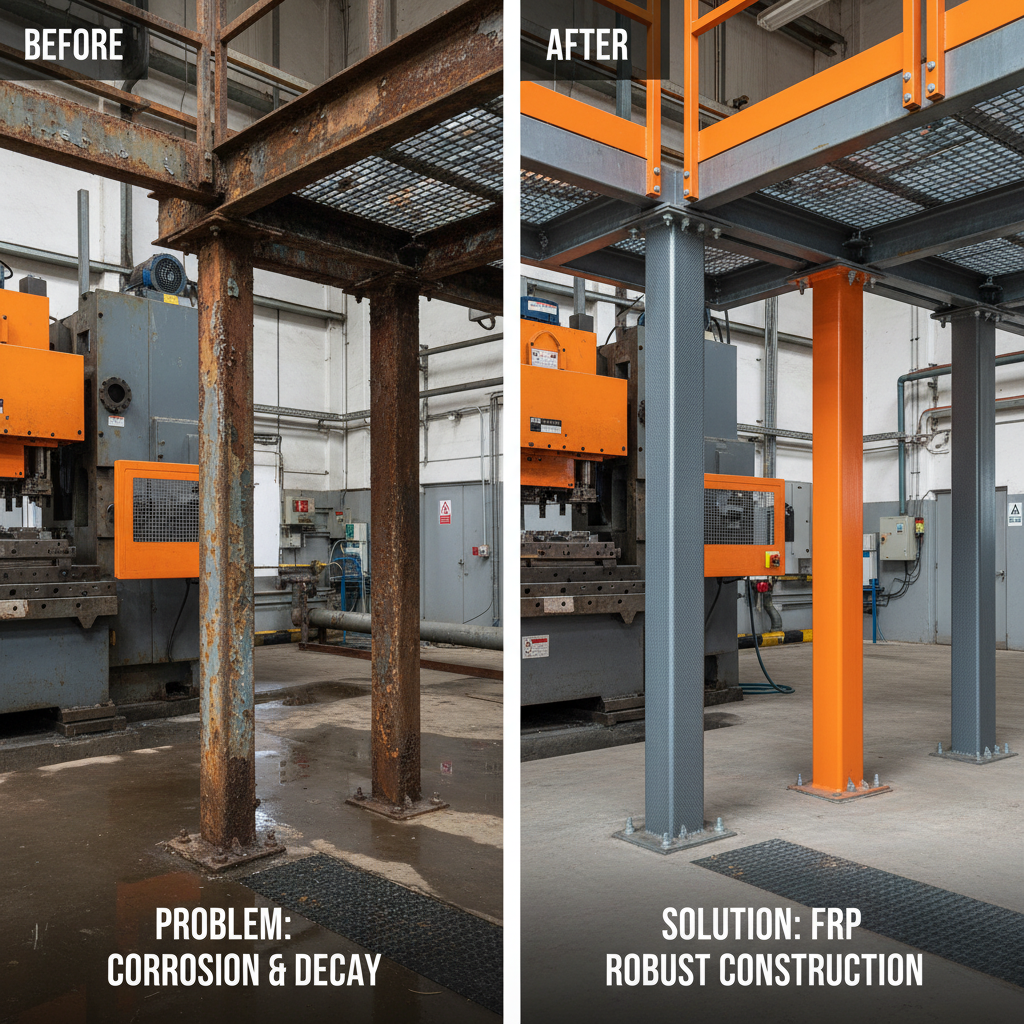
What Are FRP Posts and Why Are They Gaining Popularity?
FRP posts are structural elements created by combining a polymer matrix with reinforcing fibers, such as fiberglass, carbon fiber, or aramid fiber. The polymer matrix binds the fibers together, distributing loads and providing environmental protection. This combination results in a material that is significantly stronger and lighter than traditional materials, while also being highly resistant to corrosion, chemicals, and extreme temperatures. The increasing demand for FRP posts is driven by the need for durable, low-maintenance, and cost-effective solutions in infrastructure projects. The benefits extend beyond performance to include faster installation and a longer service life.
Key Highlights: Superior strength-to-weight ratio, corrosion resistance, and design flexibility make FRP posts a viable alternative to traditional materials.
Diverse Applications of FRP Posts
The versatility of FRP posts allows for application in a wide range of industries. In the construction sector, they are used as piling, structural supports, and bridge components. The marine industry utilizes FRP posts for docks, piers, and fender systems due to their resistance to saltwater corrosion. Electrical and telecommunications companies rely on FRP posts for utility poles, cable supports, and insulators. Additionally, they find application in handrails, guardrails, and other safety structures. ZJ Composites caters to these diverse needs by providing customized FRP post solutions.
Application Benefits:
• Construction: Durable foundations, reduced weight, faster installation
• Marine: Corrosion resistance, long lifespan in saltwater environments
• Utilities: Electrical insulation, lightweight for easy handling
• Safety: High strength, impact resistance for guardrails and handrails
FRP Post vs. Traditional Materials: A Comparative Analysis
Comparing FRP posts to traditional materials reveals significant advantages. While steel offers high strength, it is susceptible to corrosion and requires regular maintenance. Wood is prone to rot, insect infestation, and requires treatment. Concrete is heavy and can crack over time. FRP posts eliminate these drawbacks, offering a lightweight, corrosion-resistant, and durable alternative. The initial cost of FRP may be higher, but the long-term cost savings due to reduced maintenance and increased lifespan often outweigh the initial investment. ZJ Composites provides a cost-benefit analysis to help customers determine the most economical solution.
ZJ Composites: Your Partner for High-Quality FRP Post Solutions
ZJ Composites specializes in the design, manufacturing, and supply of high-performance FRP posts. We offer a wide range of sizes, shapes, and fiber reinforcements to meet specific project requirements. Our team of experienced engineers can provide custom design solutions and technical support. We are committed to delivering durable, reliable, and cost-effective FRP posts that exceed industry standards. We work closely with our clients to ensure they receive the optimal solution for their application.
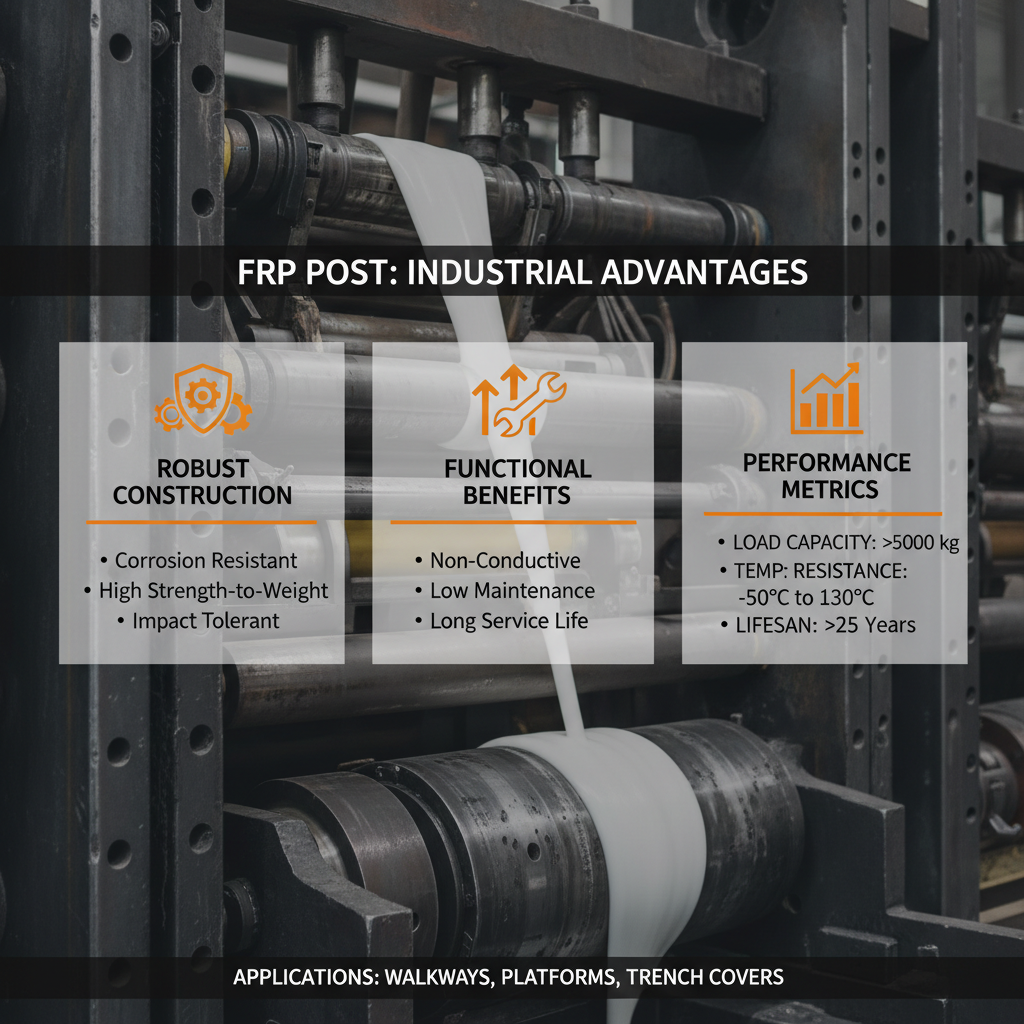
Why Choose ZJ Composites for Your FRP Post Needs?
We prioritize quality, innovation, and customer satisfaction. Our state-of-the-art manufacturing facility ensures consistent product quality and efficient production. We utilize advanced composite materials and manufacturing techniques to create FRP posts that deliver exceptional performance. ZJ Composites is dedicated to providing tailored solutions, prompt delivery, and comprehensive technical support to our clients worldwide.
Conclusion: Embrace the Future with FRP Posts from ZJ Composites
Investing in FRP posts from ZJ Composites is a smart decision for long-term durability, cost savings, and environmental sustainability. We provide innovative solutions tailored to your specific needs. Contact us today to discuss your project and experience the benefits of advanced composite technology.
Frequently Asked Questions (FAQs)
What are the typical applications of FRP posts in the marine industry?
FRP posts are extensively used in the marine industry for constructing docks, piers, fender systems, and boardwalks. Their exceptional resistance to saltwater corrosion makes them ideal for these harsh environments. Compared to traditional wood or steel structures, FRP posts require significantly less maintenance and have a much longer lifespan, reducing life-cycle costs. They can also withstand impacts from boats and debris without significant damage.
Can FRP posts be customized to specific dimensions and load requirements?
Yes, ZJ Composites specializes in providing customized FRP post solutions. We can tailor the dimensions, fiber reinforcement type, and resin system to meet your specific project requirements. Our engineering team will work with you to analyze load capacities, environmental conditions, and other critical factors to ensure the FRP posts are perfectly suited for your application.
What are the advantages of using FRP posts for electrical utility applications?
FRP posts offer several advantages for electrical utility applications, including their non-conductive properties, which enhance safety. They are also lightweight, making installation easier and faster. Furthermore, FRP posts are resistant to corrosion, reducing the need for maintenance and extending the lifespan of the utility infrastructure. This results in lower overall costs and improved reliability.
How does the manufacturing process of FRP posts contribute to sustainability?
The manufacturing process of FRP posts is relatively environmentally friendly compared to traditional materials. FRP posts have a longer lifespan, reducing the need for frequent replacements and minimizing waste. They also require less maintenance, reducing the consumption of resources associated with repair and upkeep. Furthermore, the materials used in FRP manufacturing can often be recycled, contributing to a circular economy.
-
Batch of Fiberglass Reinforced Pressure Tanks Prepared for DeliveryNewsMay.21,2026
-
FRP Stair Treads Gain Popularity in Water Treatment, Marine, and Chemical PlantsNewsMay.19,2026
-
“Innovative FRP channels Manhole Covers Improve Wastewater Systems”NewsMay.14,2026
-
High-Quality Yellow FRP Grating in Full Production for Global OrdersNewsMay.12,2026
-
"Factory Update: New Batch of FRP Rod in ProductionNewsMay.08,2026
-
Neatly Packaged and Stacked: FRP Rectangular Tubes Ready for DispatchNewsMay.06,2026
-
Neatly Loaded FRP Profiles (Rectangular, Square & Angle) Draw Customer Praise Before DispatchNewsFeb.19,2024