
loading...
- No. 9, Xingyuan South Street, Dongwaihuan Road, Zaoqiang County, Hengshui, Hebei, China
- admin@zjcomposites.com
- +86 15097380338
- Welcome to visit our website!

Comprehensive Guide to Versatile and Safe Modular Handrail Systems
Understanding Modular Handrail Systems: A Comprehensive Guide
In modern infrastructure and industrial settings, safety and adaptability are paramount. Modular handrail systems are emerging as a versatile and efficient solution for providing secure pathways and fall protection. This article provides an in-depth look at modular handrails, exploring their benefits, applications, construction, and considerations for choosing the right system. We'll discuss why this type of handrail is increasingly favored over traditional, fixed systems, and how it can enhance safety and operational efficiency across a variety of projects.
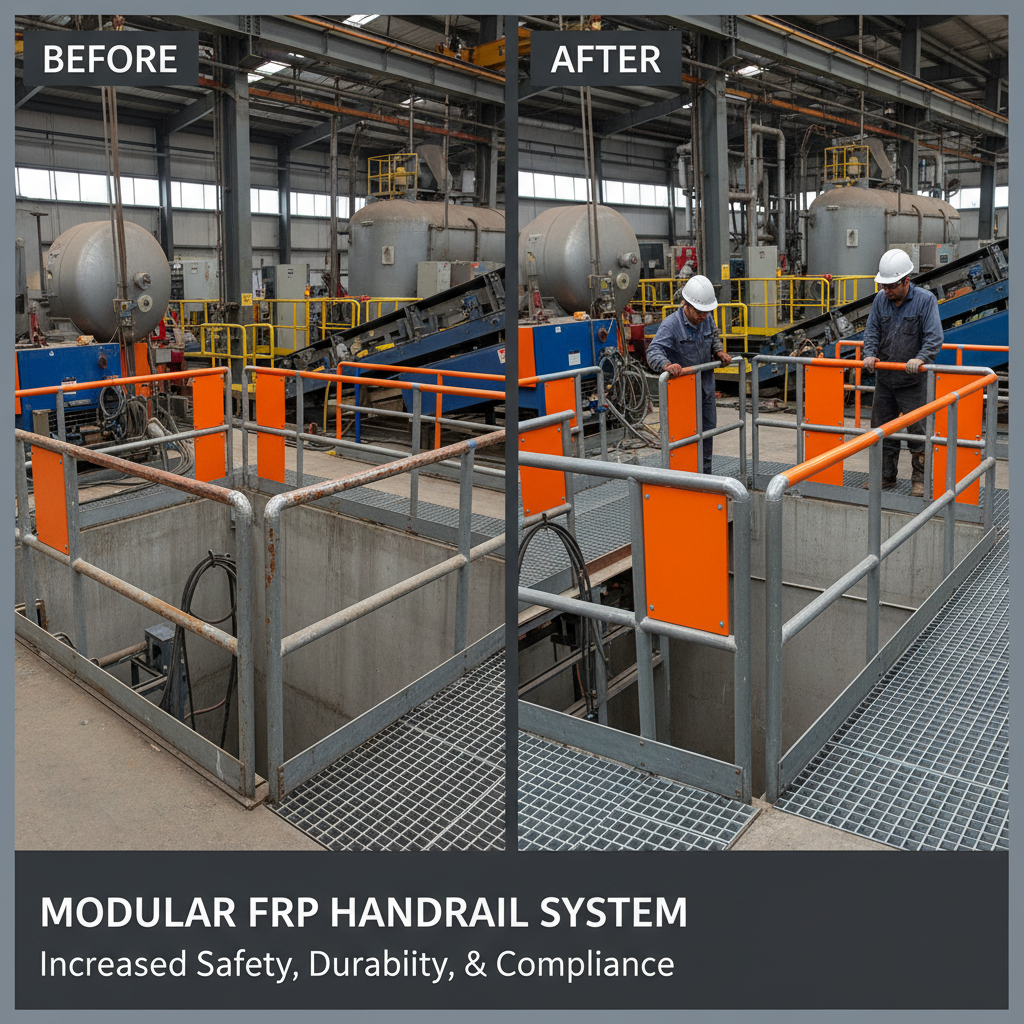
What Makes a Handrail System "Modular"?
Unlike traditional handrails which are often custom-fabricated on-site, modular handrails are constructed from pre-fabricated components that can be easily assembled and configured. These components typically include uprights (posts), horizontal rails, and various fittings like elbows, tees, and flanges. This modularity offers significant advantages in terms of installation speed, cost-effectiveness, and adaptability. Systems are available in a wide range of materials, including steel, aluminum, and composite materials, each offering unique strengths for different environments and applications. The flexibility of these systems makes them ideal for retrofitting existing structures or adapting to changing project needs.
Key Benefits: Rapid installation, reduced labor costs, easy customization, and adaptability to complex structures.
Applications of Modular Handrail Systems
The versatility of modular handrail systems makes them suitable for a broad spectrum of applications. Common uses include: rooftop safety, walkway and stair protection, platform access, loading dock security, and machine guarding. They are frequently employed in industrial facilities, commercial buildings, schools, hospitals, and public transportation hubs. The ability to adapt to uneven surfaces and complex layouts, along with their inherent safety features, make them a preferred choice in challenging environments. Furthermore, aesthetic considerations are often addressed with powder-coated finishes and design options that blend seamlessly with surrounding architecture.
Common Application Areas:
• Industrial Platforms
• Rooftop Access
• Stairwells and Walkways
• Loading Docks
Choosing the Right Modular Handrail: Materials and Considerations
Selecting the appropriate modular handrail system requires careful consideration of several factors. The environment in which the handrail will be installed is crucial – corrosive environments (such as coastal areas or chemical plants) necessitate materials like stainless steel or coated aluminum. Load requirements, building codes, and aesthetic preferences also play significant roles. Composite materials offer advantages in terms of corrosion resistance and lightweight construction, while steel provides superior strength. Aluminum strikes a balance between strength, weight, and cost. Always ensure the chosen system meets or exceeds relevant safety standards and regulations.
Installation and Maintenance of Modular Handrail Systems
A key advantage of modular handrails is their simplified installation process. Typically, installation involves anchoring the uprights to the structure and then connecting the rails and fittings. Minimal specialized tools are required, and installation can be significantly faster than with traditional systems. Regular maintenance, such as periodic inspection for loose connections and corrosion, is essential to ensure long-term safety and performance. Cleaning with mild detergent and water is generally sufficient. Following the manufacturer’s guidelines for inspection and maintenance will help maximize the lifespan of the system.
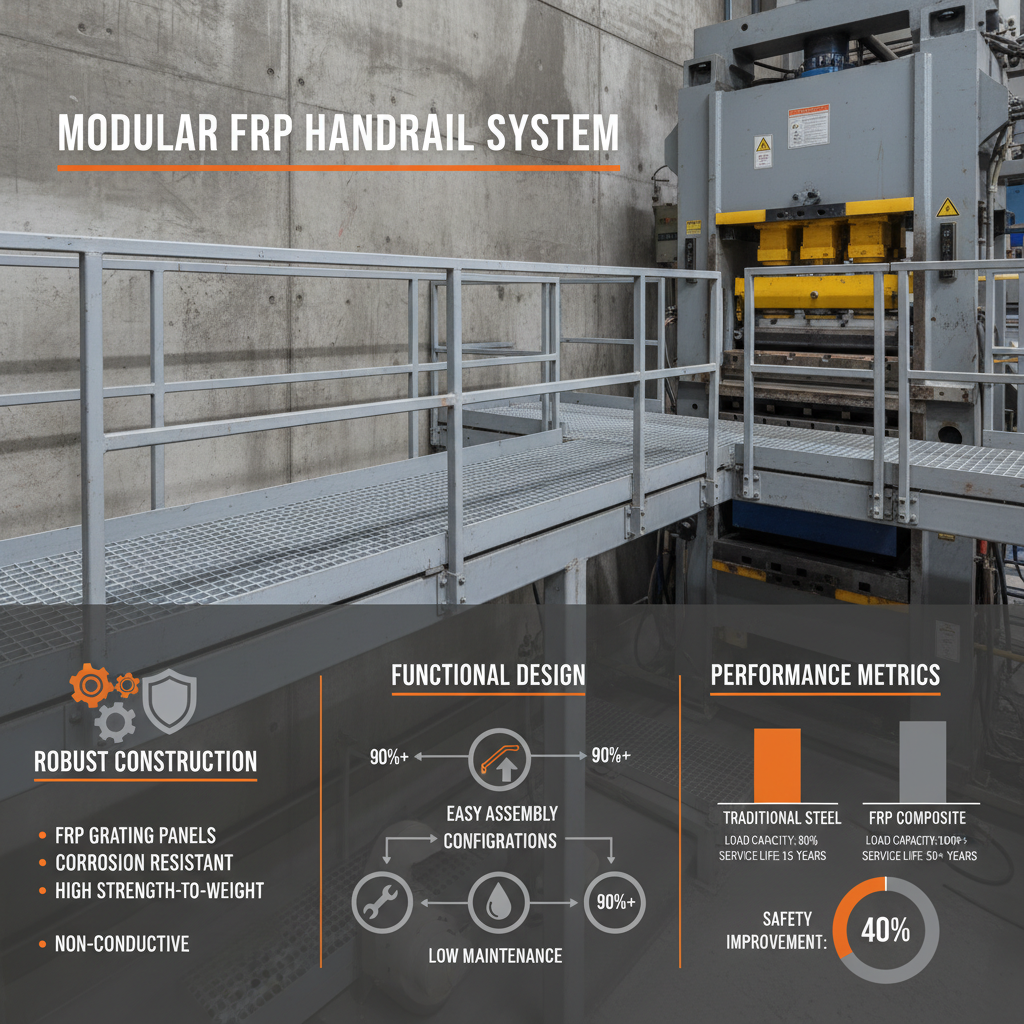
Why Choose ZJ Composites for Your Modular Handrail Needs?
At ZJ Composites, we specialize in providing high-quality, customizable modular handrail systems designed to meet your specific project requirements. We offer a wide range of materials, finishes, and configurations, along with expert technical support to ensure a seamless installation. Our commitment to safety, durability, and customer satisfaction makes us a trusted partner for businesses across various industries. Explore our comprehensive selection of modular handrail solutions today and discover how we can help you enhance safety and efficiency.
Conclusion: Investing in Safety and Adaptability
Investing in a modular handrail system from ZJ Composites is a strategic decision that prioritizes safety, adaptability, and long-term value. With its ease of installation, customizable design options, and durable construction, a modular handrail provides a reliable solution for protecting workers and enhancing operational efficiency. Contact us today to discuss your project and discover the benefits of a tailored handrail system.
Frequently Asked Questions (FAQs)
What are the typical lead times for a modular handrail system from ZJ Composites?
Lead times vary depending on the complexity of the order, material availability, and current production schedule. However, we strive to provide quick turnaround times. Standard configurations typically ship within 1-2 weeks, while custom orders may require 3-6 weeks. We provide accurate lead time estimates during the quoting process. Our efficient manufacturing processes and strong supplier relationships enable us to minimize delays and ensure timely delivery. We also offer expedited shipping options for urgent projects.
Can ZJ Composites provide assistance with handrail system design and layout?
Yes, we offer comprehensive design and layout assistance. Our experienced engineering team can work with you to develop a customized handrail system that meets your specific needs and complies with relevant safety regulations. We can provide detailed drawings, specifications, and installation guides to ensure a successful project. We leverage advanced CAD software to create accurate and efficient designs. We are happy to review your existing plans or assist with initial concept development.
What types of warranties are offered on ZJ Composites modular handrail systems?
We stand behind the quality of our products. ZJ Composites offers a standard warranty against defects in materials and workmanship for a period of one year from the date of purchase. This warranty covers components that fail due to manufacturing defects under normal use. Extended warranties are available upon request. Proper installation and maintenance are essential to maintaining warranty coverage. Contact us for complete warranty details.
Are the handrail components easy to replace if damaged?
Yes, one of the key benefits of a modular system is the ease of component replacement. If a section of the handrail is damaged, individual components can be quickly and easily replaced without requiring a complete system overhaul. This reduces downtime and repair costs. We stock a wide range of replacement parts and offer prompt shipping to minimize disruption. Our customer support team can assist with identifying the correct replacement parts and providing installation guidance.
-
Batch of Fiberglass Reinforced Pressure Tanks Prepared for DeliveryNewsMay.21,2026
-
FRP Stair Treads Gain Popularity in Water Treatment, Marine, and Chemical PlantsNewsMay.19,2026
-
“Innovative FRP channels Manhole Covers Improve Wastewater Systems”NewsMay.14,2026
-
High-Quality Yellow FRP Grating in Full Production for Global OrdersNewsMay.12,2026
-
"Factory Update: New Batch of FRP Rod in ProductionNewsMay.08,2026
-
Neatly Packaged and Stacked: FRP Rectangular Tubes Ready for DispatchNewsMay.06,2026
-
Neatly Loaded FRP Profiles (Rectangular, Square & Angle) Draw Customer Praise Before DispatchNewsFeb.19,2024