Industrial 1354 frp vessel price and Composite Performance Guide
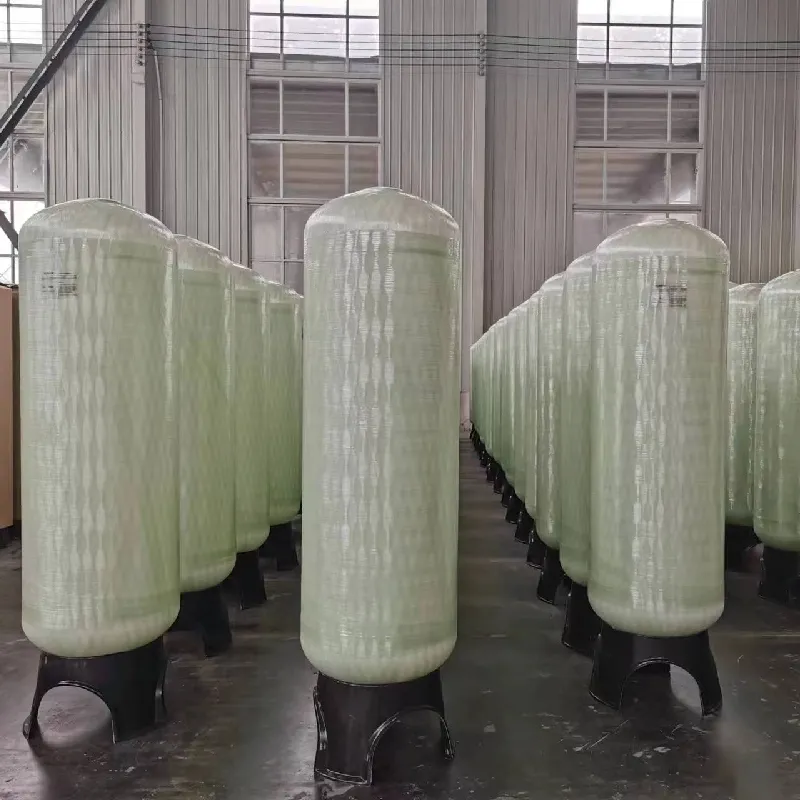
When evaluating industrial storage and processing solutions, procurement managers often face a critical trade-off between the initial acquisition cost and the long-term operational lifecycle. For those researching the 1354 frp vessel price, the focus is typically on balancing high-performance corrosion resistance with budgetary constraints. Fiber Reinforced Plastic (FRP) has emerged as the superior alternative to traditional metals, specifically in environments where chemical aggression renders steel obsolete. By integrating advanced composite engineering, these vessels provide an exceptional strength-to-weight ratio while eliminating the need for expensive internal linings.
ZJ Composites focuses on delivering high-grade composite solutions that move beyond simple commodity pricing. Whether you are implementing a water filtration system or a chemical containment unit, the value of an FRP vessel is measured by its ability to withstand extreme conditions without degradation. This guide examines the technical drivers of composite pricing, the critical specifications that influence durability, and how to select a vessel configuration that minimizes the total cost of ownership in demanding industrial sectors.

Technical Foundations of Composite Vessel Performance and Material Integrity
The engineering of a high-pressure FRP vessel begins with the selection of the resin matrix and the reinforcement architecture. Unlike metallic tanks, composite vessels are tailored to the specific chemical environment they will inhabit. The synergy between the fiberglass reinforcement and the polymer resin creates a non-conductive, non-corrosive structure that is inherently resistant to oxidation and electrolytic corrosion. This makes FRP an ideal choice for energy, utility, and water treatment sectors where salt-laden air or acidic fluids are present.
Key technical characteristics include:
- High Specific Strength: Provides structural stability at narrow spans and under high internal pressure without the excessive weight of steel.
- Chemical Inertness: The polymer matrix prevents reactive interactions with stored media, ensuring purity and vessel longevity.
- Thermal Stability: Advanced composites maintain their structural integrity across a wide range of operating temperatures.
- Low Maintenance: The absence of rust eliminates the need for periodic repainting or sacrificial anodes.
ZJ Composites utilizes scientific and standardized management to ensure that every layer of the composite is applied with precision. This rigorous approach minimizes voids and resin-rich areas, which are common failure points in lower-quality vessels. By adhering to strict inspection protocols, we ensure that the vessel's wall thickness and reinforcement density are optimized for the intended operating pressure.

Critical Application Scenarios and Engineering Requirements for FRP Vessels
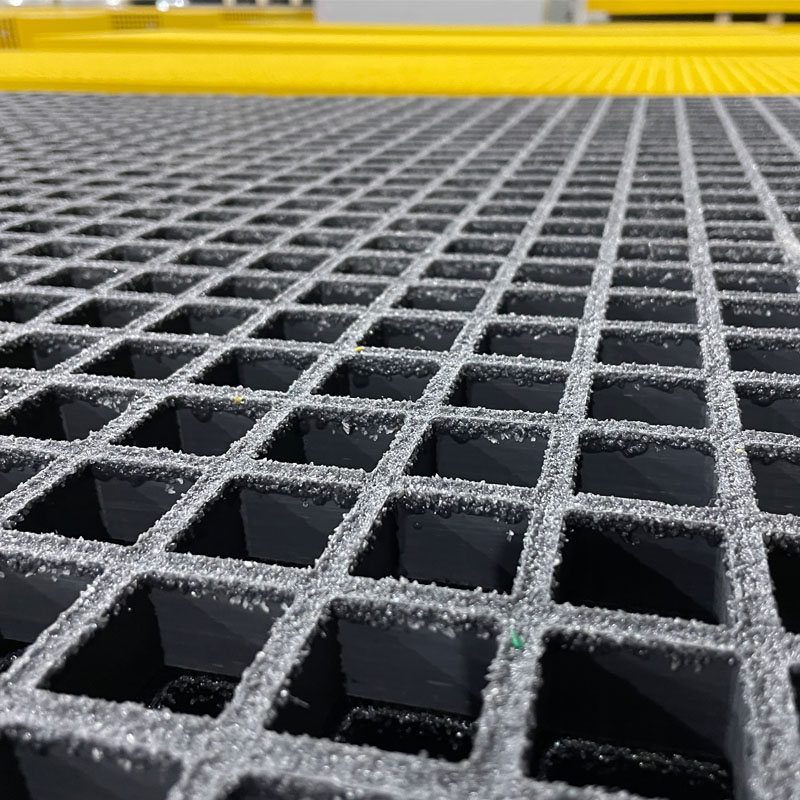
Selecting a composite vessel requires a deep understanding of the operational environment. In the energy and utilities sector, FRP vessels are frequently employed for trench and trough cover applications and chemical storage due to their inherent drainage capabilities and light transmittance. For instance, when integrating these vessels into water filtration systems, the use of HDPE inners for food-grade applications ensures that the system meets stringent health and safety standards while maintaining the external strength of the FRP shell.
Operational challenges typically addressed by FRP include:
- Corrosive Fluid Storage: Replacing stainless steel in environments where chlorides or acids cause pitting.
- High-Moisture Zones: Ideal for outdoor installations where moisture would lead to rapid oxidation of metal components.
- Weight-Sensitive Installations: Reducing the load on supporting structures and simplifying transportation and installation.
- Fire Safety Requirements: Utilizing materials with specific fire ratings, such as Class B (BS EN 13501), to ensure facility safety.
The versatility of FRP allows for extensive customization. From the diameter of the vessel to the type of flange and the thickness of the corrosion barrier, every element can be adjusted to match the specific flow rates and pressure requirements of the project. This application-driven approach ensures that the final product is not over-engineered, which helps in managing the overall project budget.
Buyer's Guide: Evaluating Value Beyond the Initial Quote
When procurement officers analyze the 1354 frp vessel price, it is easy to focus solely on the bottom-line figure. However, the true cost of a vessel is distributed across its entire service life. A cheaper vessel with inferior resin quality may lead to premature delamination or chemical breakthroughs, resulting in costly downtime and environmental remediation. High-value procurement focuses on the "Total Cost of Ownership" (TCO), where the initial investment is weighed against reduced maintenance and extended replacement cycles.
Experienced buyers should evaluate the following criteria when vetting suppliers:
- Material Certification: Does the manufacturer provide data on the resin grade and glass fiber quality used?
- Manufacturing Process: Is the vessel produced via filament winding, hand lay-up, or pultrusion? Each method offers different strength profiles.
- Quality Assurance: Are there documented testing procedures for pressure leaks and wall thickness consistency?
- Customization Flexibility: Can the supplier provide OEM/ODM services to integrate specific nozzles, manways, or internal linings?
At ZJ Composites, we provide a comprehensive service package that includes professional technical support and a 1-year free warranty. This ensures that the transition from procurement to installation is seamless. By providing lifetime technical service support, we help our clients optimize the performance of their composite assets long after the initial purchase.
FRP Vessel Selection and Performance Matrix
| Evaluation Factor | Standard FRP Vessel | High-Pressure Composite | Food-Grade (HDPE Inner) | Industrial Heavy-Duty |
|---|---|---|---|---|
| Corrosion Resistance | High | Very High | Extreme | High |
| Weight Profile | Low | Medium | Low | Medium |
| Installation Speed | Fast | Medium | Fast | Medium |
| Maintenance Needs | Minimal | Minimal | Minimal | Low |
| Typical Lifespan | Long | Very Long | Long | Very Long |
Supply Chain Integration and Customization Capabilities
The complexity of modern industrial projects requires more than just a product; it requires a strategic manufacturing partner. Customization in FRP vessels is not merely about size, but about integrating the vessel into a larger mechanical system. This includes the precision machining of flanges, the integration of sensors for level and pressure monitoring, and the application of specialized coatings for UV protection in outdoor settings.
ZJ Composites operates with a two-pronged team structure to support this complexity. Our specialist production team ensures that every customized part, from small components to large-scale pressure vessels, undergoes strict inspection. Simultaneously, our customer service team, composed of professionals with extensive overseas experience, manages the logistics and technical communication required for international trade. This synergy ensures that the product delivered matches the engineering drawings exactly.
From a procurement perspective, the ability to offer both OEM and ODM services allows clients to reduce their supply chain risk. By consolidating the design and manufacturing phases with a single expert, buyers can avoid the compatibility issues that often arise when sourcing components from multiple vendors. Our commitment to "Better Composites, Better than Metal" is reflected in our ability to deliver optimal solutions that balance technical requirements with commercial viability.
Future Trends in Composite Pressure Vessel Technology
The industry is currently shifting toward "Smart Composites," where structural health monitoring (SHM) is integrated directly into the vessel wall. By embedding fiber-optic sensors during the winding process, operators can monitor stress and strain in real-time, moving from scheduled maintenance to predictive maintenance. This transition significantly increases the safety profile of high-pressure FRP vessels, especially in critical infrastructure like water treatment plants and chemical refineries.
Furthermore, there is a growing demand for sustainable resins and recyclable composite materials. As global environmental regulations tighten, the ability to manufacture vessels that are not only durable but also have a lower carbon footprint during production will become a key competitive advantage. ZJ Composites continues to innovate in premium composite materials to meet these evolving standards, ensuring our clients remain compliant with international environmental mandates.
For those currently budgeting for equipment, the trend is toward modularity. Modular FRP vessels allow for easier expansion of facility capacity without the need for extensive onsite construction. By investing in modular, high-quality composite systems now, companies can ensure their infrastructure is scalable and adaptable to future technological upgrades, effectively future-proofing their capital investment.
Frequently Asked Questions Regarding FRP Vessel Procurement
Can FRP vessels be customized for specific chemical compatibility?
Yes, FRP vessels can be fully customized. By adjusting the resin type (such as vinyl ester or epoxy) and the internal liner material, we can ensure the vessel is chemically compatible with the specific fluids it will contain, preventing degradation and leaks.
What is the typical warranty and support for composite vessels?
Most of our products come with a 1-year free warranty and lifetime technical service support. This ensures that any installation or operational issues are resolved promptly by our engineering team.
How does the delivery time vary for customized FRP orders?
Delivery time depends on the specific performance requirements and the quantity ordered. Because we are experts in composite manufacturing, our production cycles are optimized to ensure a rapid turnaround without compromising quality.
Do you provide installation and commissioning services?
Yes, we can dispatch our engineers for onsite installation and commissioning to ensure the vessel is integrated correctly into your production line. Please note that the relevant travel and accommodation costs are typically covered by the client.
What are the payment terms for international orders?
Our standard payment term is a 30% deposit, with the remaining 70% paid before shipping via T/T. This may vary depending on the raw material market rates at the time of the order.
Are free samples available for material evaluation?
Yes, we can offer samples of our FRP materials or small components for testing and quality verification to ensure they meet your specific project requirements before placing a full order.
Technical References and Industry Standards
- ISO Standards for Fiber Reinforced Plastics
- ASTM International Composite Material Specifications
- BS EN 13501 Fire Classification Standards
- ASME Pressure Vessel Code for Non-Metallic Materials
Investing in high-quality FRP vessels is a strategic decision that reduces long-term operational risk. By prioritizing material integrity and supplier expertise over the lowest initial quote, industrial operators can achieve superior reliability and a lower total cost of ownership. ZJ Composites remains dedicated to providing the premium innovation required to revolutionize your composite infrastructure.
Related Technical Insights and News