Industrial 1465 frp vessel price and Composite Tank Guide
When sourcing specialized containment systems for corrosive environments, procurement managers often struggle to balance initial capital expenditure with long-term operational reliability. The transition from traditional metallic tanks to Fiberglass Reinforced Plastic (FRP) solutions is driven by the need for superior corrosion resistance and reduced maintenance overhead. For those investigating the 1465 frp vessel price, it is critical to understand that cost is inextricably linked to resin type, wall thickness, and the specific chemical load the vessel will handle. Choosing a vessel that meets these engineering requirements prevents premature failure and costly unscheduled downtime in industrial water treatment or chemical storage applications.

Analyzing the Material Advantages of FRP and Stainless Steel Vessels
The selection between composite materials and high-grade alloys depends heavily on the fluid chemistry and pressure requirements. FRP vessels are engineered to provide an inert environment, meaning they do not react with most acids or alkalis, which is a primary driver for those seeking a durable alternative to concrete or carbon steel. Unlike traditional metals, these composites do not rust or support the growth of green moss, ensuring a sanitary environment for water purification and chemical solvent storage.
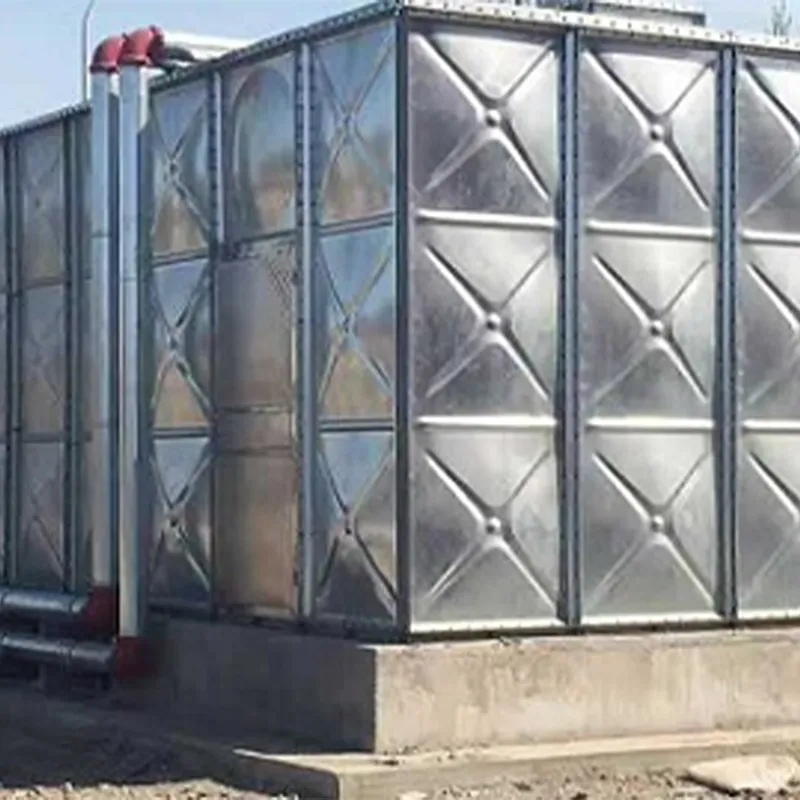
In contrast, stainless steel options utilizing SUS304 and SUS316 provide exceptional strength and hygiene, meeting national health inspection standards. These materials are often used in food-grade applications where CNC stamping technology is employed to create convex templates for reinforced structural integrity. While stainless steel offers immense durability, the lightweight nature of FRP allows for easier installation and lower shipping costs, making it a preferred choice for large-scale industrial expansion projects.
- Corrosion Resistance: FRP provides a natural barrier against chemical degradation.
- Sanitation: Both high-grade stainless steel and FRP prevent secondary pollution and leakage.
- Longevity: Modern composite vessels can offer a service life significantly longer than traditional concrete tanks.

Engineering Specifications and Structural Performance Features
High-performance vessels are defined by their ability to withstand internal pressure while maintaining a lightweight profile. The use of reinforced fiberglass allows for high impact resistance and strong seismic performance, which is essential for installations in geologically active regions or heavy industrial zones. The dense surface oxide layer found in high-nickel boards (such as 2352B) ensures a smooth interior finish, which simplifies cleaning and prevents the accumulation of residues.
Structural integrity is further enhanced through specialized molding techniques. Whether through filament winding for pressure vessels or CNC stamping for modular stainless steel units, the goal is to eliminate weak points. This precision engineering ensures that the seal performance remains airtight, effectively preventing leaks in condensate tanks or heating system expansion vessels. The ability to customize the agile combination of panels allows these systems to fit into restricted architectural spaces without compromising volume.
Industrial Application Scenarios and Operational Use Cases
The versatility of composite and stainless steel vessels makes them indispensable across various sectors. In the realm of living water supply and construction water storage, these tanks act as critical regulation points. Their ability to handle both cold and hot water, as well as chemical solvents, allows a single manufacturer's product line to serve multiple purposes—from National Defense projects to geological survey sites.
In chemical processing plants, FRP vessels are typically deployed as reactor housings or storage units for aggressive media. The non-conductive nature of the material also provides a safety advantage in environments where electrical sparking must be avoided. For temporary water storage during construction, the ease of installation and modular design allow for rapid deployment and relocation, reducing the overall project timeline and labor costs.
Vessel Material and Application Comparison Matrix
| Material Type | Corrosion Level | Installation Effort | Recommended Use |
|---|---|---|---|
| FRP/GRP | Extreme Resistance | Low (Lightweight) | Chemical Solvents |
| Stainless Steel 304 | High Resistance | Medium | Potable Water |
| Stainless Steel 316 | Very High Resistance | Medium | Pharmaceuticals |
| Concrete (Standard) | Low Resistance | High (Heavy) | Basic Storage |
| Carbon Steel | Moderate (Coated) | Medium | Low-Pressure Oil |
Supplier Evaluation and Quality Assurance Protocols
When evaluating a supplier for FRP or stainless steel vessels, buyers must look beyond the initial quote. Quality assurance should be evidenced by a two-tiered team approach: a technical team of specialists and skilled laborers for strict inspection, and a customer service team with international experience to handle the logistics of global trade. A reliable manufacturer will provide comprehensive testing equipment and technical support to ensure the vessel meets the specific pressure and temperature ratings of the project.
Customization capabilities are another key differentiator. The ability to provide both OEM and ODM services indicates a supplier's flexibility in handling unique dimensions or specific material grades. Furthermore, a commitment to after-sales service, including limited warranties and lifetime technical support, mitigates the risk of investment. Buyers should verify the manufacturer's ability to provide installation guidance or send engineers for commissioning to ensure the system is operational from day one.
Procurement Strategy for Composite Containment Systems
To optimize the procurement process, buyers should focus on the Total Cost of Ownership (TCO) rather than just the 1465 frp vessel price. This includes analyzing the costs of installation, the frequency of required inspections, and the expected lifespan of the material. For instance, while a stainless steel tank might have a higher initial cost than carbon steel, its life expectancy can be significantly longer, reducing the frequency of replacement.
A strategic approach involves detailing the chemical composition of the stored media and the operational temperature range before requesting a quote. This allows the manufacturer to recommend the optimal resin or steel grade, preventing over-specification (which wastes budget) or under-specification (which leads to failure). Establishing a clear payment term, such as a deposit followed by a balance before shipping, ensures a transparent and secure transaction for both the buyer and the producer.
Frequently Asked Questions About FRP and Steel Vessels
Can these vessels be customized for specific industrial dimensions?
Yes, customized services are available. From small individual components to large-scale industrial machines and tanks, both OEM and ODM services can be provided to meet specific project requirements.
What is the typical payment structure for international orders?
Normally, the terms are 30% as a deposit, with the remaining 70% paid before shipping via T/T trade terms, although this may vary based on raw material market rates.
How does the lifespan of a stainless steel tank compare to concrete?
Stainless steel tanks are designed for extreme durability and can have a useful life up to 15 times longer than traditional concrete water tanks.
Do you provide support for the installation and commissioning process?
Engineers can be dispatched for on-site installation and commissioning; however, the relevant costs for travel and lodging are typically covered by the customer.
What kind of warranty is provided for these industrial vessels?
Most products come with a 1-year free warranty along with lifetime technical service support to ensure long-term operational stability.
Are the materials used safe for potable water storage?
Yes, the imported SUS304 and SUS316 stainless steel materials meet national health inspection standards, ensuring the water remains sanitary and free from rust or leakage.
Technical References and Industry Standards
- ISO Standards for Composite Materials
- ASTM Specifications for FRP Pressure Vessels
- ASME Section X - Fiber-Reinforced Plastic Pressure Vessels
- Environmental Guidelines for Chemical Storage Tanks
Selecting the right containment system is a critical engineering decision that impacts safety and efficiency. Whether you require the lightweight corrosion resistance of FRP or the sanitary strength of stainless steel, ZJ Composites provides the technical expertise and manufacturing precision to deliver an optimal solution tailored to your industrial needs.
Related Industrial Solutions