
loading...
- No. 9, Xingyuan South Street, Dongwaihuan Road, Zaoqiang County, Hengshui, Hebei, China
- admin@zjcomposites.com
- +86 15097380338
- Welcome to visit our website!

Comprehensive Guide to Durable Fiberglass Fence Post Solutions for Various Applications
Fiberglass Fence Post: A Comprehensive Guide
When considering fencing solutions, the durability and longevity of the posts are paramount. Fiberglass fence posts are increasingly becoming the preferred choice over traditional wood, steel, or vinyl alternatives. This article explores the benefits, applications, and key considerations when selecting fiberglass fence posts, offering a comprehensive overview for homeowners, farmers, and contractors. Investing in quality fence posts ensures a secure and lasting fencing solution for years to come.
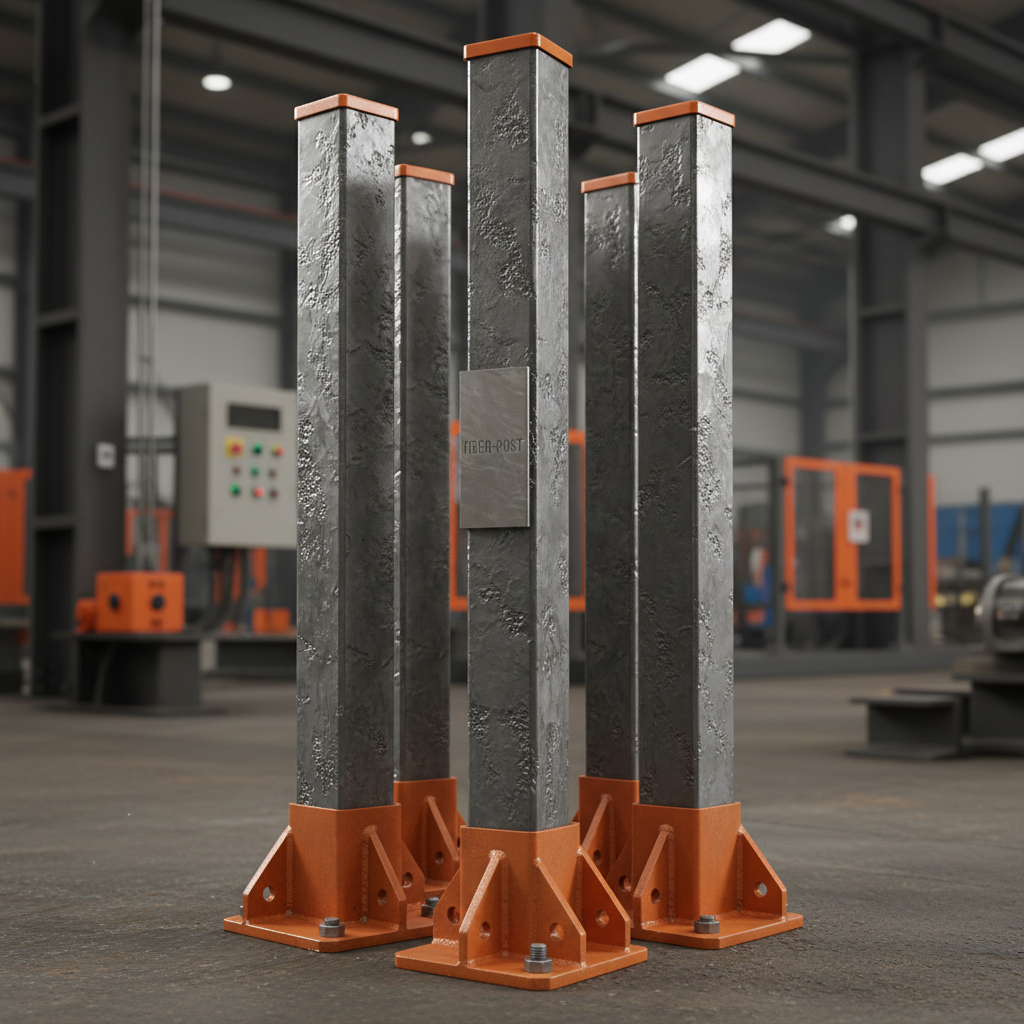
Why Choose Fiberglass Fence Posts?
Fiberglass, or fiber-reinforced polymer (FRP), offers a unique combination of strength, lightness, and resistance to the elements. Unlike wood, fiberglass doesn’t rot, splinter, or require chemical treatments. Compared to steel, it’s non-conductive and won't rust. While vinyl is durable, it can become brittle in cold weather. Fiberglass fence posts offer superior longevity and reduced maintenance. They're also easier to handle than heavier materials like steel, simplifying installation. The initial investment may be higher, but the long-term cost savings due to reduced replacement and maintenance make them a smart choice. Learn more about our fiberglass solutions at ZJ Composites.
Key Benefits: Resistance to rot, rust, and splintering. Lightweight and easy to install. Low maintenance and long-lasting. Non-conductive and safe.
Fiberglass Fence Post Applications
Fiberglass fence posts are incredibly versatile, suitable for a wide range of applications. Agricultural fencing, including horse paddocks and livestock enclosures, benefits from their strength and safety. Residential fencing provides a clean and durable aesthetic. They’re also ideal for high-stress environments like vineyards, orchards, and along roadways. Their resistance to corrosion makes them excellent for saltwater environments, such as coastal properties. The non-conductive nature of fiberglass makes them a safe choice near power lines. ZJ Composites offers customized solutions for a variety of fencing needs.
Versatile Applications:
• Agricultural Fencing (Horse, Cattle, Sheep)
• Residential Fencing (Privacy, Decorative)
• Vineyard & Orchard Support
• Coastal & Saltwater Environments
Fiberglass vs. Traditional Fence Post Materials
Comparing fiberglass to other common fence post materials reveals significant advantages. Wood is susceptible to rot, insect damage, and requires regular maintenance. Steel is prone to rust and is a conductor of electricity. Vinyl can become brittle and may not withstand high impacts. Fiberglass offers a superior balance of strength, durability, and low maintenance. It’s an investment that pays off in the long run, reducing replacement costs and ensuring a secure fence for years to come. Choosing the right material depends on your specific needs and budget, but fiberglass consistently ranks high in overall value.
Selecting the Right Fiberglass Fence Post
When choosing fiberglass fence posts, consider the post diameter, length, and wall thickness based on your fencing requirements. Larger diameters and thicker walls provide greater strength for high-stress applications. Ensure the posts are UV-resistant to prevent degradation from sunlight. Look for posts with a smooth, consistent surface to avoid potential damage to livestock or humans. ZJ Composites offers a wide range of sizes and specifications to meet your specific needs.
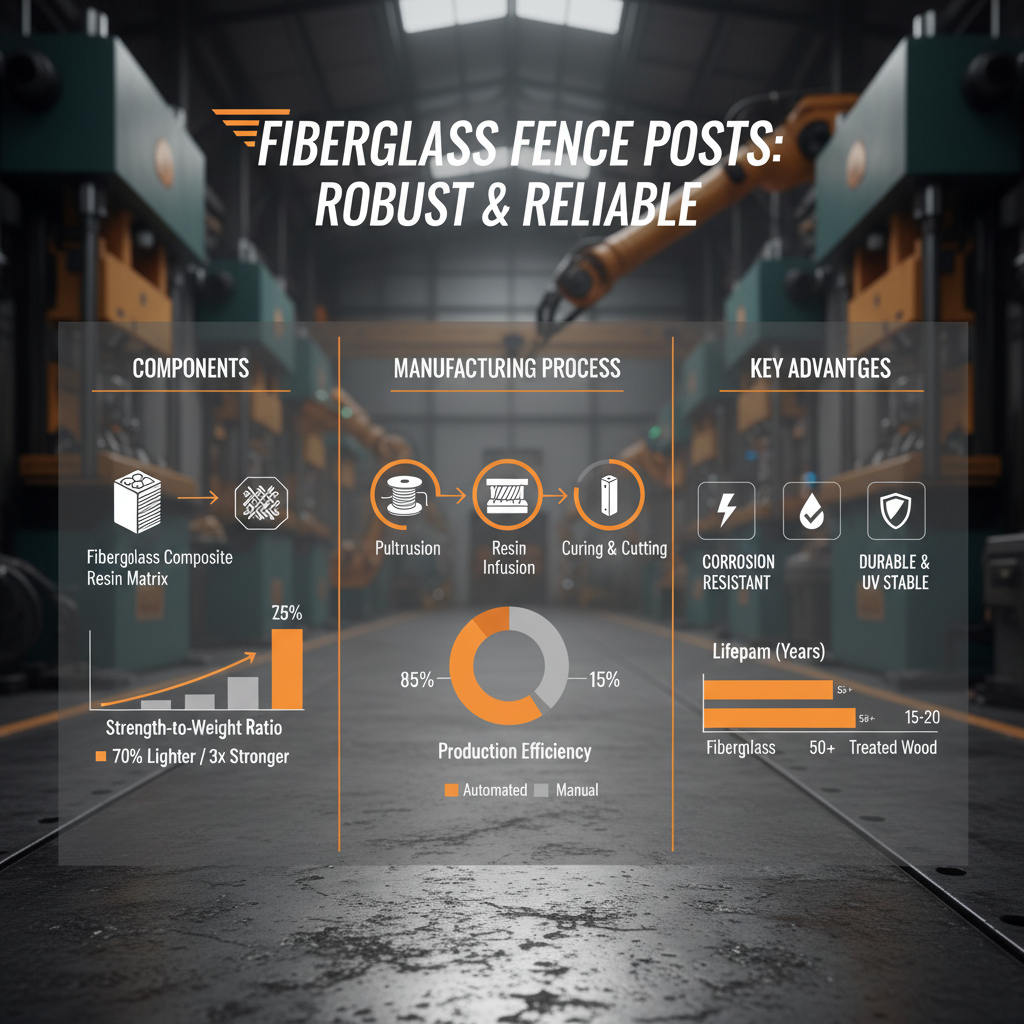
Conclusion: A Durable & Sustainable Fencing Solution
Invest in Long-lasting Quality with Fiberglass
Fiberglass fence posts represent a smart investment for anyone seeking a durable, low-maintenance, and sustainable fencing solution. Their superior strength, resistance to the elements, and long lifespan make them a cost-effective choice in the long run. Explore the range of fiberglass fence posts at ZJ Composites and find the perfect solution for your fencing needs.
Frequently Asked Questions (FAQs)
How long do fiberglass fence posts typically last?
Fiberglass fence posts are renowned for their longevity, often lasting 20-30 years or more with proper installation and minimal maintenance. Unlike wood, they are not susceptible to rot or insect damage. While UV exposure can cause some fading over time, it doesn’t significantly compromise the structural integrity of the post. Choosing UV-resistant materials and conducting regular inspections will maximize their lifespan. The long-term durability of fiberglass significantly reduces the lifecycle costs associated with fence maintenance and replacement.
Are fiberglass fence posts safe for livestock?
Yes, fiberglass fence posts are generally considered safe for livestock. They have a smooth surface that minimizes the risk of injury to animals, unlike wood posts that can splinter. Fiberglass is also non-conductive, making it a safer option than steel posts, particularly in areas with potential electrical hazards. However, it’s important to choose posts with rounded edges and ensure they are properly installed to avoid any potential sharp points or protrusions.
What is the best way to install fiberglass fence posts?
Proper installation is crucial for maximizing the lifespan and performance of fiberglass fence posts. We recommend using concrete to secure the posts, especially in high-stress areas or unstable soil conditions. Ensure the post is plumb (perfectly vertical) before the concrete sets. Avoid over-tightening wires, as this can put excessive stress on the posts. Refer to the manufacturer's guidelines for specific installation recommendations, and consider consulting with a fencing professional for complex installations. ZJ Composites provides detailed installation instructions with our products.
Are fiberglass fence posts more expensive than traditional materials?
The initial cost of fiberglass fence posts is typically higher than wood or steel. However, when considering the long-term costs, fiberglass often proves to be more economical. Their extended lifespan, reduced maintenance requirements, and resistance to rot and rust translate to significant savings over time. You won’t need to replace fiberglass posts as frequently as wood, and you'll avoid the ongoing costs associated with treating and repairing wood or preventing rust on steel.
-
High Quality Fiberglass Rods for Electric Fence Insulation GuideNewsApr.16,2026
-
Benefits and Guide of Installing a White Fiberglass FenceNewsApr.09,2026
-
Choosing the Right Fibreglass Fence for Property Enhancement and LongevityNewsApr.07,2026
-
Comprehensive Guide to Durable Fiberglass Fence Rods and Their ApplicationsNewsMar.31,2026
-
Comprehensive Guide to Fiberglass Fencing Benefits and ApplicationsNewsMar.26,2026
-
Comprehensive Guide to Choosing the Right Safety Guard System for Industrial ProtectionNewsMar.24,2026
-
Comprehensive Guide to Machine Guarding Systems for Workplace SafetyNewsMar.21,2026