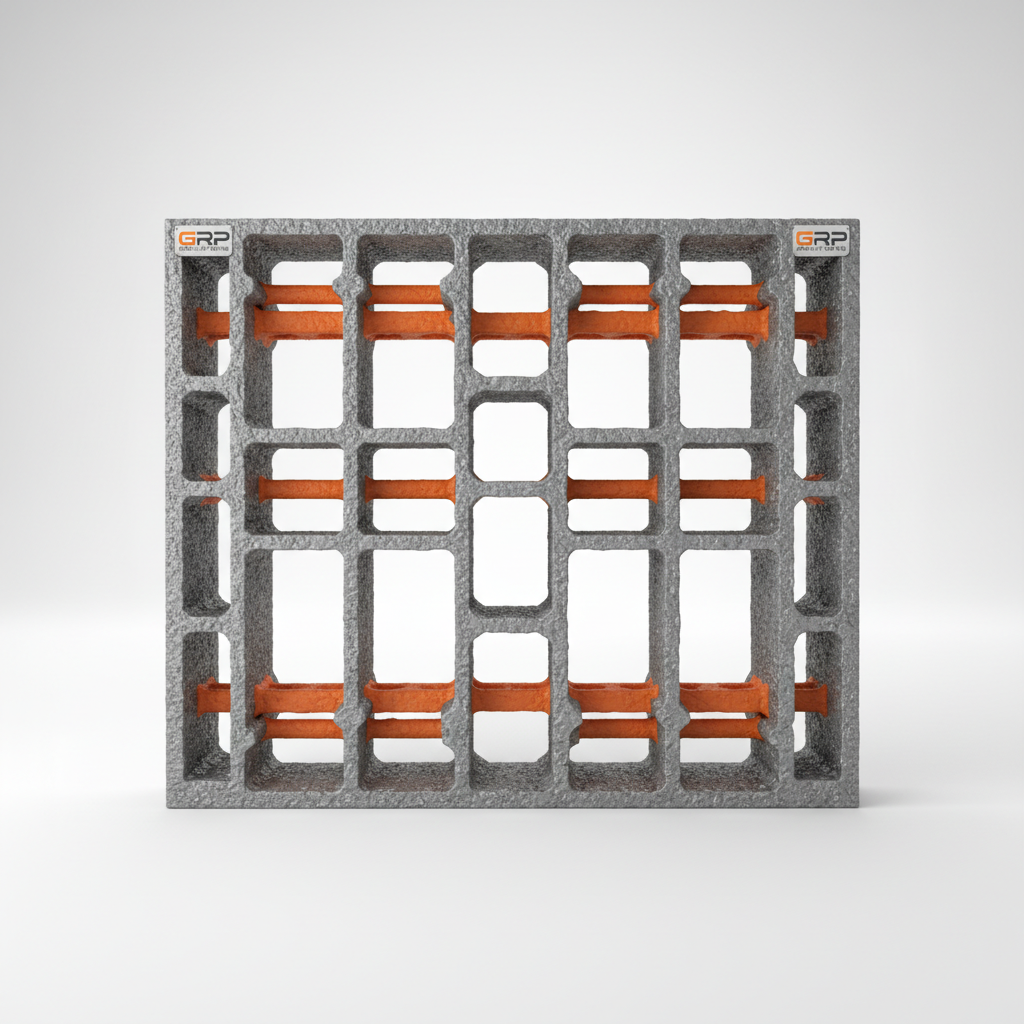
In the demanding environments of modern industrial infrastructure, the concept of a safe t deck represents more than just a flooring solution; it is a critical intersection of material science and worker safety. As industries transition away from traditional corrosive metals, the demand for high-performance composite decking has surged globally to mitigate the risks of structural failure and workplace accidents.
The global shift toward FRP (Fiber Reinforced Polymer) technologies has redefined how we approach load-bearing surfaces in chemical plants, offshore rigs, and wastewater treatment facilities. By integrating a safe t deck system, operators can significantly reduce long-term maintenance costs while adhering to stringent ISO safety standards and occupational health regulations.
Understanding the nuances of composite decking allows engineers to balance weight-to-strength ratios with extreme environmental resistance. Whether dealing with saltwater spray or aggressive sulfuric acid, the implementation of a safe t deck ensures that operational continuity is maintained without compromising the dignity and security of the personnel on the ground.
Global Relevance and Industrial Context of safe t deck
Across the globe, the industrial sector is facing an unprecedented challenge: the rapid degradation of steel and aluminum infrastructure due to oxidation and chemical erosion. In regions with high humidity or saline environments, traditional decking fails prematurely, leading to costly shutdowns and hazardous conditions. The introduction of the safe t deck addresses this by utilizing non-corrosive pultruded composites that thrive where metals wither.
Data from international safety bodies indicate that slip-and-fall accidents remain a primary cause of industrial injury. By integrating advanced grit surfaces and high-friction textures, a safe t deck doesn't just provide a walking surface—it provides a fail-safe environment. This shift is particularly evident in the Asia-Pacific and European markets, where stricter environmental regulations are pushing firms toward sustainable, long-life composite materials.
Defining the Technical Architecture of safe t deck
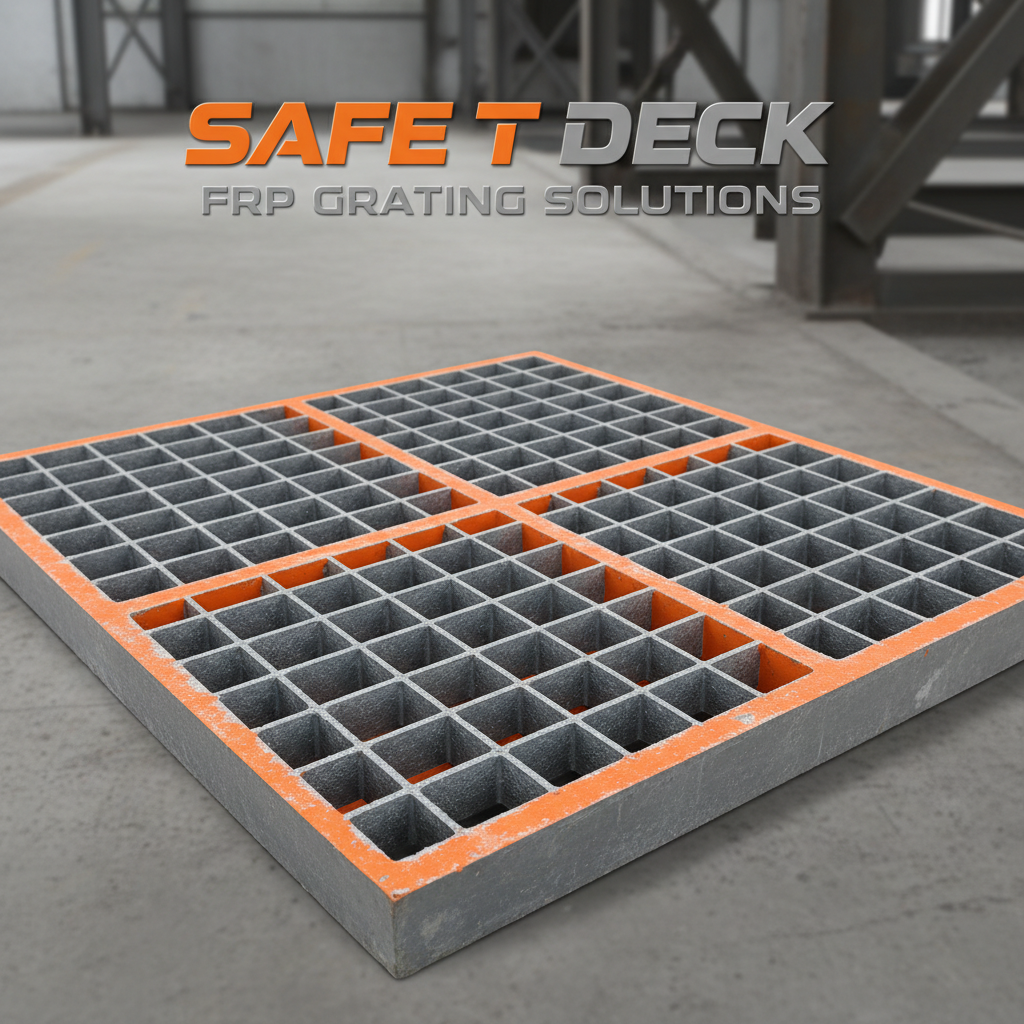
At its core, a safe t deck is a high-strength flooring system engineered from Fiber Reinforced Polymer (FRP). Unlike standard plastics, these decks are composed of glass fibers embedded in a polymer resin matrix, typically vinyl ester or polyester, which provides a synergistic blend of flexibility and rigidity. This architecture allows the deck to support massive loads while remaining lightweight.
The "Safe" aspect of the safe t deck refers to its inherent electrical insulation properties and fire-retardant additives. In environments where sparking or electrical conductivity could lead to catastrophic explosions, such as oil refineries, these composite decks provide a critical layer of protection that conductive metals simply cannot offer.
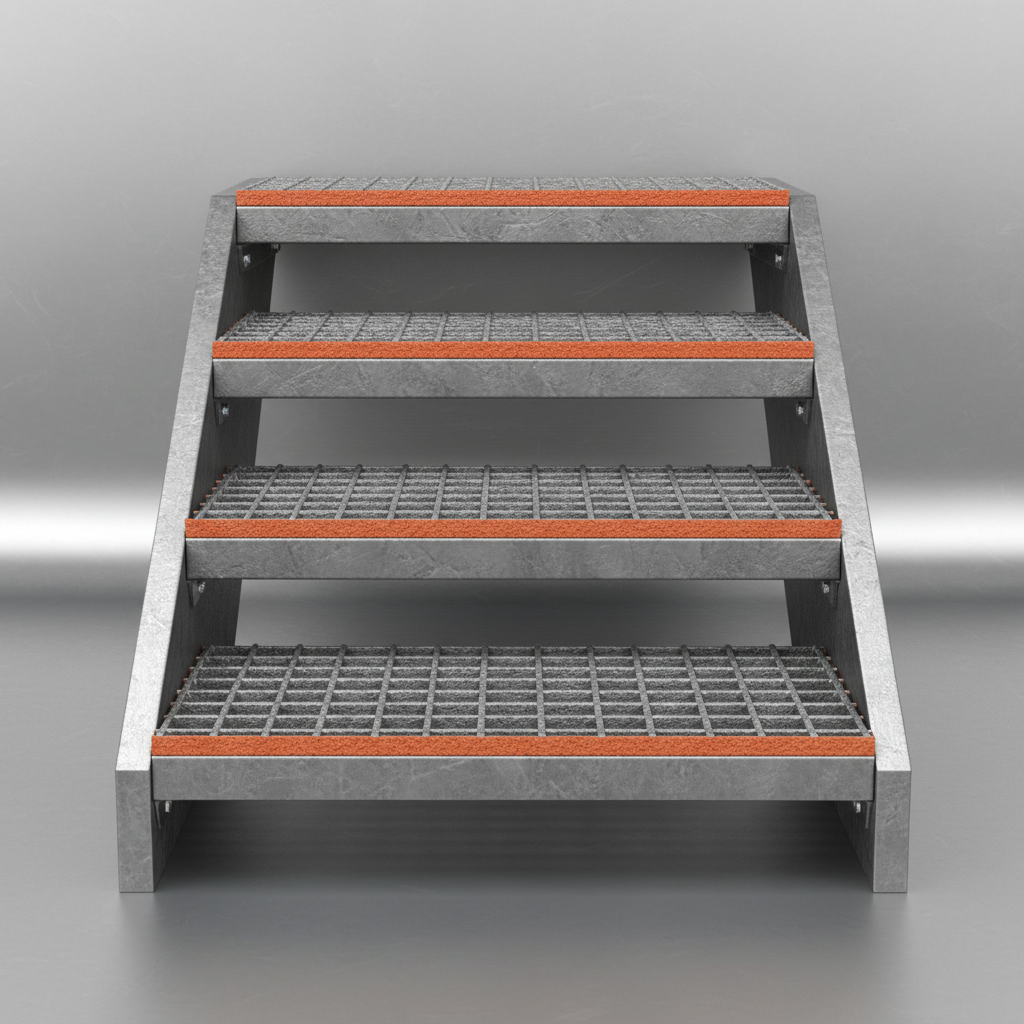
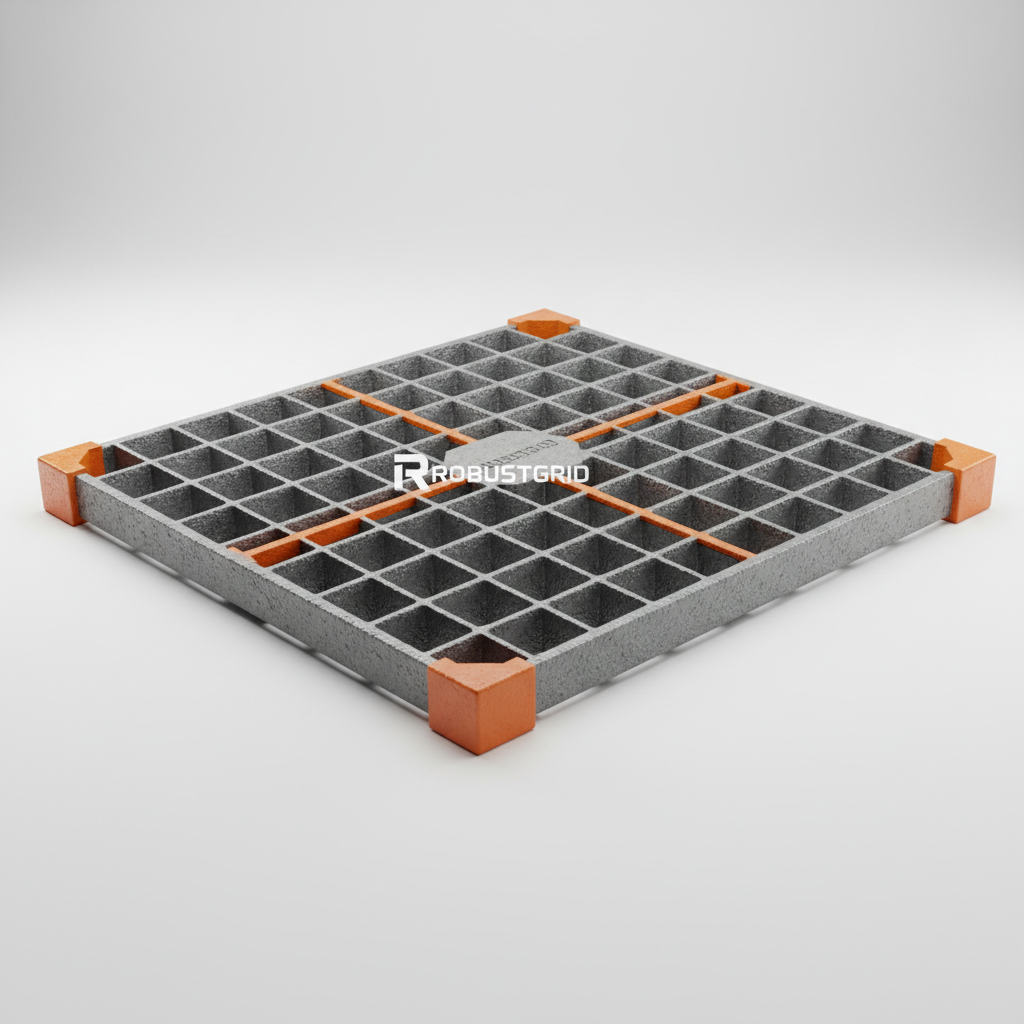
Furthermore, the design of a safe t deck often incorporates a modular interlocking system. This ensures that installation is rapid and that any damaged section can be replaced without dismantling the entire platform, directly addressing the humanitarian need for quick-deployment infrastructure in industrial disaster recovery.
Core Components Ensuring safe t deck Stability
The structural integrity of a safe t deck relies heavily on the quality of the resin matrix. High-grade vinyl ester resins are typically used to ensure that the deck can withstand aggressive chemical spills without delaminating or losing load-bearing capacity.
Another pivotal component is the reinforcement fiber orientation. In a professional safe t deck, fibers are strategically aligned using pultrusion processes to handle both longitudinal and transverse stresses, ensuring the deck does not warp under extreme temperature fluctuations.
Finally, the surface treatment—often a concave or grit-topped finish—is what defines the user experience. The anti-slip additive integrated into the safe t deck is bonded chemically to the surface, ensuring it does not wear off over time, unlike painted coatings.
Performance Metrics and Efficiency of safe t deck
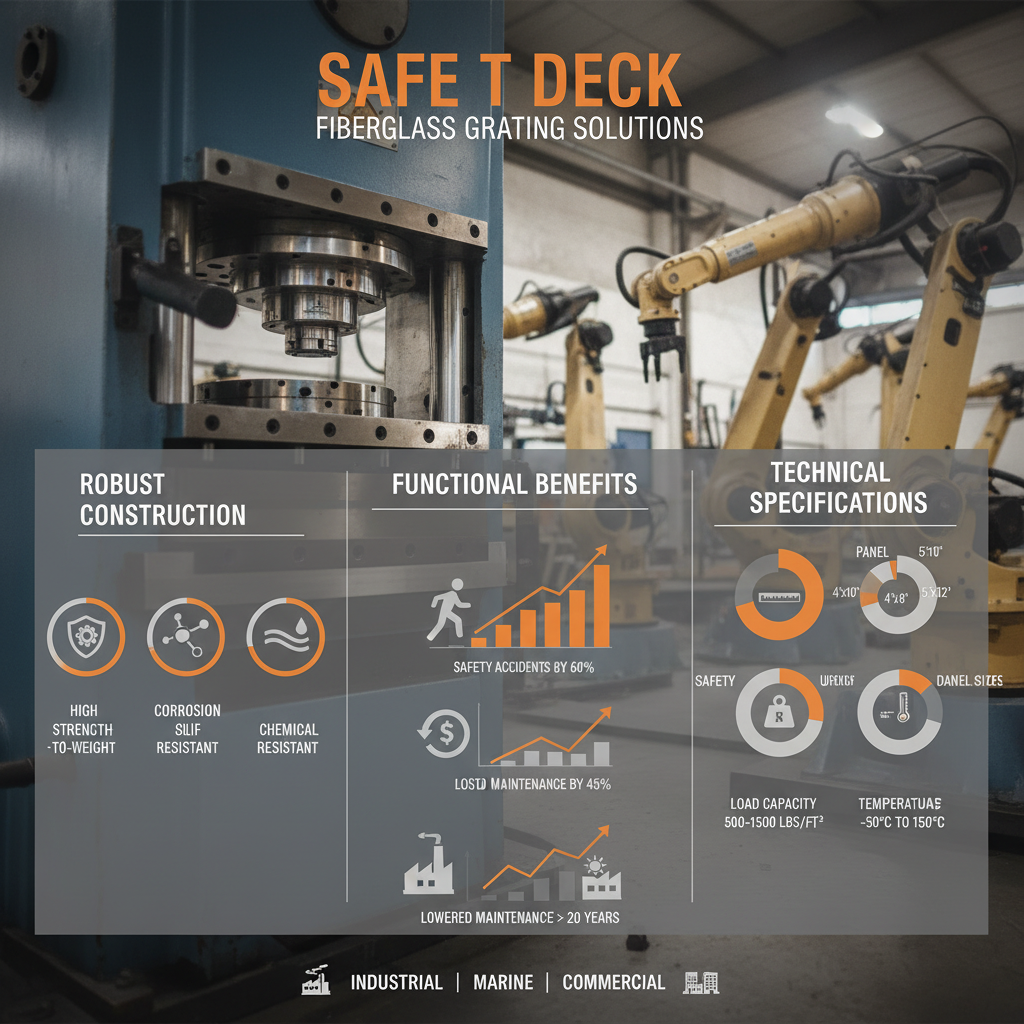
When evaluating the efficiency of a safe t deck, engineers look at the strength-to-weight ratio. These systems are often 70% lighter than steel equivalents, which reduces the dead load on supporting structures and significantly lowers transportation and installation costs.
Beyond weight, the lifecycle cost analysis shows that while the initial investment might be slightly higher than galvanized steel, the total cost of ownership is far lower. The safe t deck eliminates the need for periodic repainting, sanding, and rust-treatment, allowing facilities to maintain 24/7 uptime.
Comparison of safe t deck Material Performance
Global Applications and Use Cases for safe t deck
In the energy sector, specifically within offshore oil platforms in the North Sea or the Gulf of Mexico, the safe t deck is an essential component. The combination of constant saltwater exposure and heavy machinery makes traditional flooring obsolete; FRP decks provide the necessary corrosion resistance to ensure that walkways remain stable for decades.
Similarly, in urban wastewater treatment plants across Southeast Asia, the safe t deck is used for catwalks and maintenance platforms. These areas are often saturated with hydrogen sulfide and other corrosive gases that would eat through galvanized steel in a matter of months, whereas composites remain chemically inert.
Long-Term Value and Sustainability of safe t deck
The long-term value of a safe t deck is rooted in its sustainability. Because these materials have a lifespan that can exceed 30 years without significant degradation, the carbon footprint associated with replacement and manufacturing is drastically reduced compared to metal cycles.
From an emotional and corporate perspective, the adoption of a safe t deck signals a commitment to worker dignity. Providing a surface that is non-slip, non-conductive, and structurally sound reduces worker anxiety in high-risk zones, fostering a culture of trust and safety within the organization.
Moreover, the innovation in resin chemistry has led to the development of recyclable FRP components. This means that the future of the safe t deck is not just about durability, but about closing the loop in the industrial material economy, aligning profit with planetary health.
Future Innovations in safe t deck Engineering
The next generation of safe t deck technology is integrating "smart" materials. We are seeing the emergence of fiber-optic sensors embedded directly into the composite matrix, allowing the deck to "feel" stress levels and alert maintenance teams to structural fatigue before it becomes a visible crack.
Furthermore, the move toward 3D-printed pultrusion is enabling the creation of bespoke safe t deck geometries. This allows for optimized material distribution—putting strength only where it is needed—which further reduces weight and material waste.
As we look toward a digital transformation in manufacturing, the safe t deck will likely be paired with Augmented Reality (AR) installation guides, ensuring that even in remote industrial zones, the assembly is perfect and the safety margins are maximized.
Technical Specification and Material Analysis of safe t deck
|
Material Grade
|
Load Capacity (kN)
|
Corrosion Resistance
|
Service Life (Years)
|
| Standard Poly |
15 - 20 |
Moderate |
10 - 15 |
| Industrial Vinyl |
25 - 35 |
High |
20 - 25 |
| Chemical Grade |
30 - 40 |
Extreme |
25 - 30 |
| Heavy Duty Pro |
45 - 60 |
High |
30+ |
| Marine Special |
20 - 30 |
Maximum (Saline) |
25+ |
| Fire-Rated Eco |
25 - 35 |
Moderate |
20+ |
FAQS
The primary advantage of a safe t deck is its absolute resistance to corrosion. While galvanized steel eventually rusts, especially in chemical or saline environments, FRP composites are inert. Additionally, they are non-conductive and significantly lighter, reducing both installation labor and structural stress.
Unlike surface-applied paints or tapes, the anti-slip grit on a professional safe t deck is integrated during the curing process. This chemical bond ensures that the friction level remains consistent even under heavy foot traffic and exposure to oily residues, providing permanent safety.
Yes, safe t deck systems are highly scalable. By adjusting the resin type and the volume of glass fiber reinforcement (the glass-to-resin ratio), engineers can customize the deck to handle everything from light pedestrian traffic to heavy industrial equipment.
On the contrary, it is much simpler. Because of the lightweight nature of the materials, a safe t deck often requires fewer support beams and no heavy lifting equipment. Most systems use modular fasteners, allowing for rapid assembly and easy replacement of individual panels.
Composites are engineered for thermal stability. A high-quality safe t deck has a low coefficient of thermal expansion, meaning it won't warp or buckle in scorching heat or brittle in extreme cold, making it ideal for outdoor global applications.
Yes, primarily through longevity. By extending the replacement cycle from 5-10 years (steel) to 30+ years, a safe t deck drastically reduces raw material consumption and waste. New advancements in thermoplastic resins are also making these decks increasingly recyclable.
Conclusion
The transition to a safe t deck system is a strategic investment in the longevity of industrial assets and the safety of human lives. By combining the chemical resilience of advanced resins with the structural strength of pultruded fibers, these decks eliminate the vulnerabilities of traditional metals, offering a sustainable, low-maintenance, and high-performance alternative.
As the industry moves toward smarter, greener, and more resilient infrastructure, the role of composite decking will only grow. We encourage facility managers and engineers to prioritize safety and sustainability by upgrading to modern FRP solutions. Visit our website for more information: www.zjcomposites.com