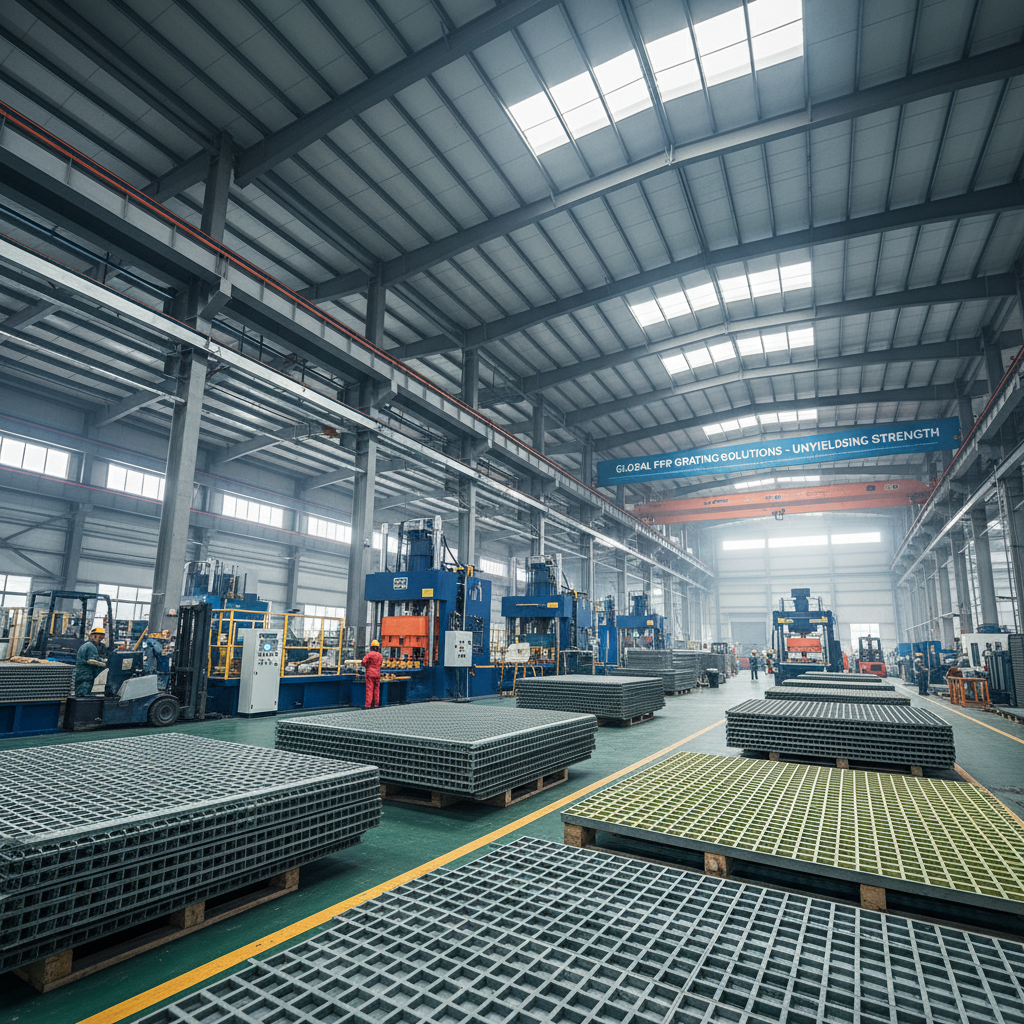
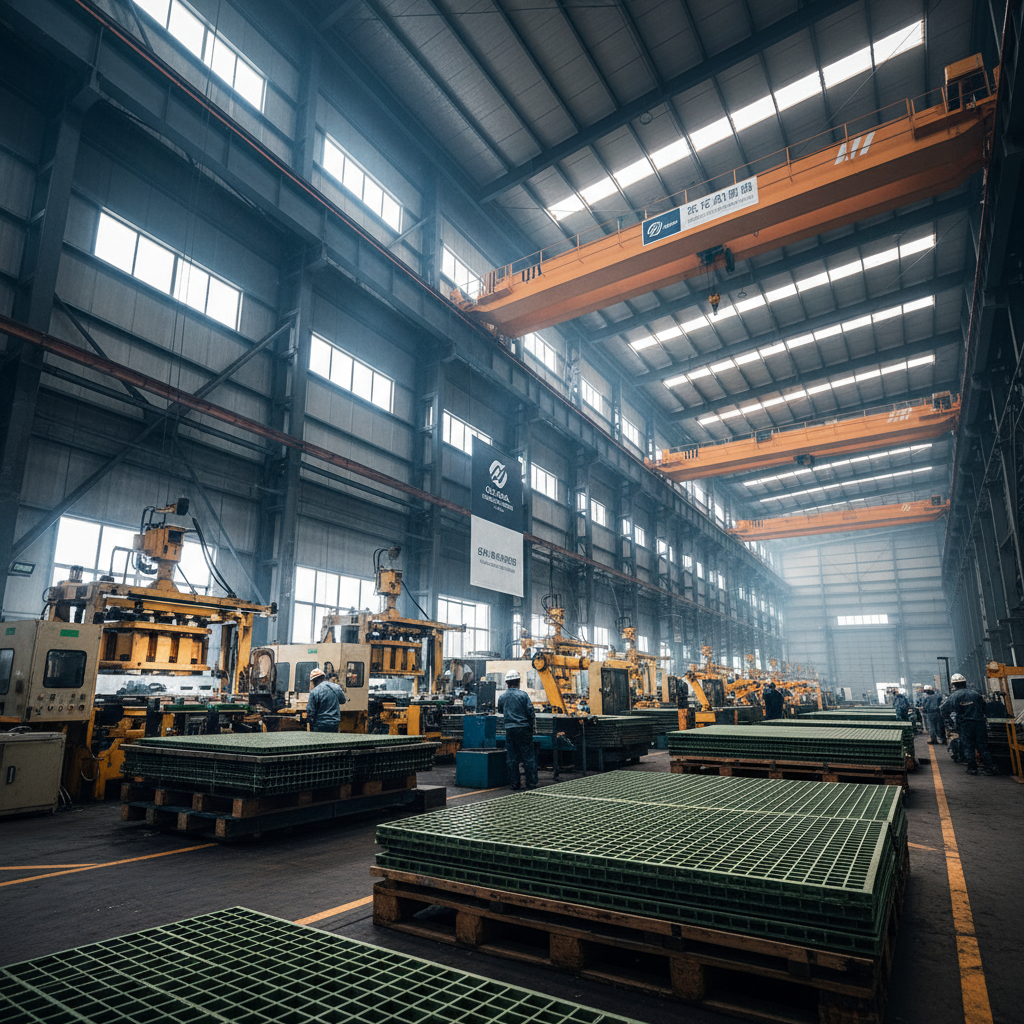
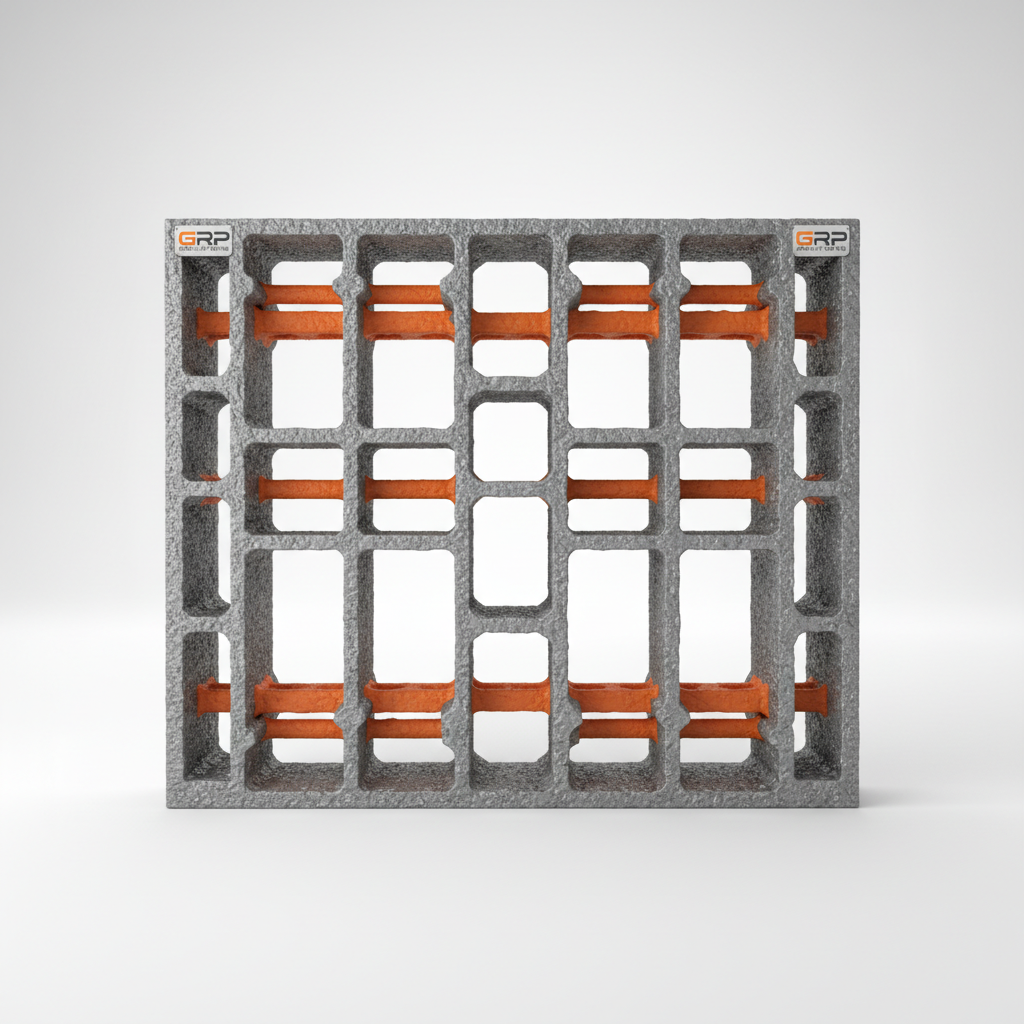
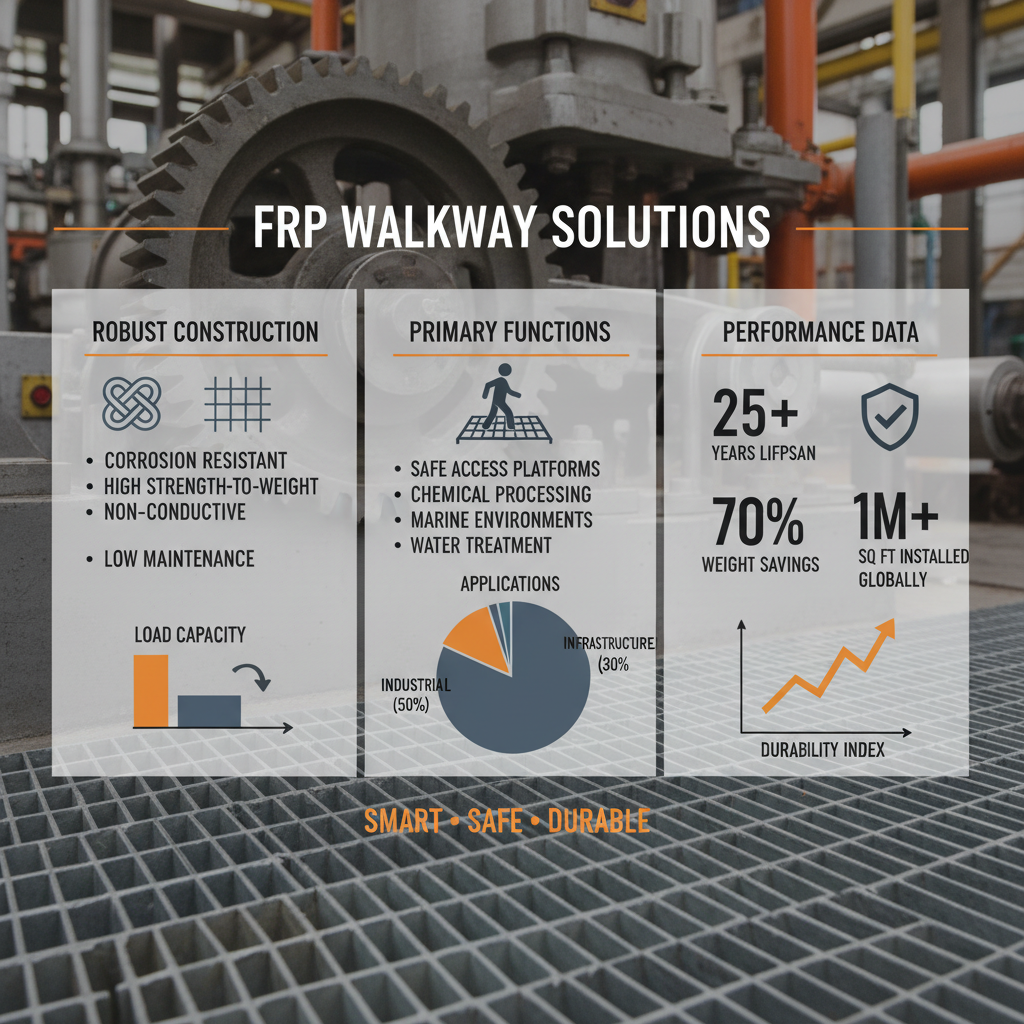
Fiber Reinforced Polymer (FRP) grating manufacturers are becoming increasingly vital in modern infrastructure development globally. These manufacturers specialize in creating lightweight, high-strength grating solutions utilizing composite materials, offering a compelling alternative to traditional materials like steel and aluminum. The demand for FRP grating is fueled by the need for durable, corrosion-resistant, and safe walking surfaces and structural components in a wide array of industries.
The global market for FRP grating is experiencing substantial growth, driven by factors such as stringent safety regulations, the rising costs associated with maintaining steel structures, and the increasing adoption of sustainable building practices. Manufacturers like frp grating manufacturer are at the forefront of innovation, continually developing new resin systems and manufacturing techniques to improve performance and reduce costs. This growth is particularly pronounced in regions undergoing rapid industrialization and infrastructure expansion.
Understanding the capabilities and benefits of FRP grating – and the role of a reliable frp grating manufacturer – is crucial for engineers, architects, and project managers seeking long-term, cost-effective, and safe solutions for their projects. From wastewater treatment plants to offshore oil platforms, FRP grating plays a critical role in ensuring operational efficiency and worker safety.
Understanding the Role of the frp grating manufacturer
A dedicated frp grating manufacturer doesn’t simply produce a product; they provide engineered solutions. They are involved in material selection, design optimization, and quality control to ensure the grating meets specific application requirements. This often includes collaboration with engineers to tailor grating dimensions, load capacities, and resin types to suit unique project challenges.
The role of the manufacturer extends beyond production to include technical support, installation guidance, and even on-site inspections. Reputable manufacturers prioritize adherence to industry standards (like ASTM) and maintain rigorous quality assurance programs to guarantee consistent product performance and longevity.
The Global Landscape of frp grating manufacturer
The global frp grating manufacturer industry is characterized by a mix of large multinational corporations and smaller, specialized companies. China has emerged as a dominant player, accounting for a significant portion of global production capacity. Other key manufacturing regions include North America, Europe, and Southeast Asia. Competition is intense, driven by price, quality, and innovation.
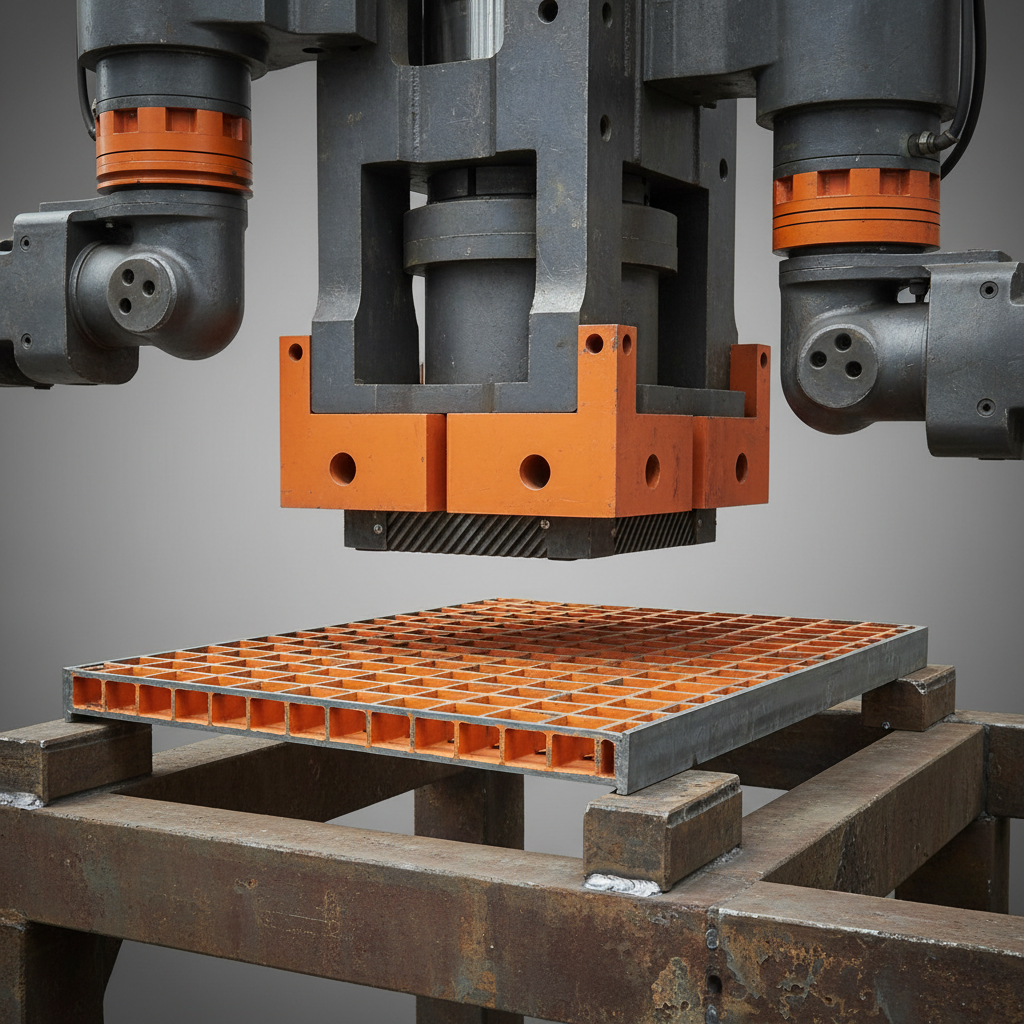
Recent trends indicate a growing demand for customized FRP grating solutions, prompting manufacturers to invest in advanced manufacturing technologies, such as automated pultrusion and resin transfer molding. The industry is also seeing an increased focus on sustainability, with manufacturers exploring the use of recycled materials and environmentally friendly resin systems.
Supply chain resilience is a growing concern, prompting many companies to diversify their sourcing and establish regional manufacturing hubs to mitigate risks associated with geopolitical instability and transportation disruptions. Selecting a dependable frp grating manufacturer with a robust supply chain is therefore critical.
Defining frp grating manufacturer and Its Relevance
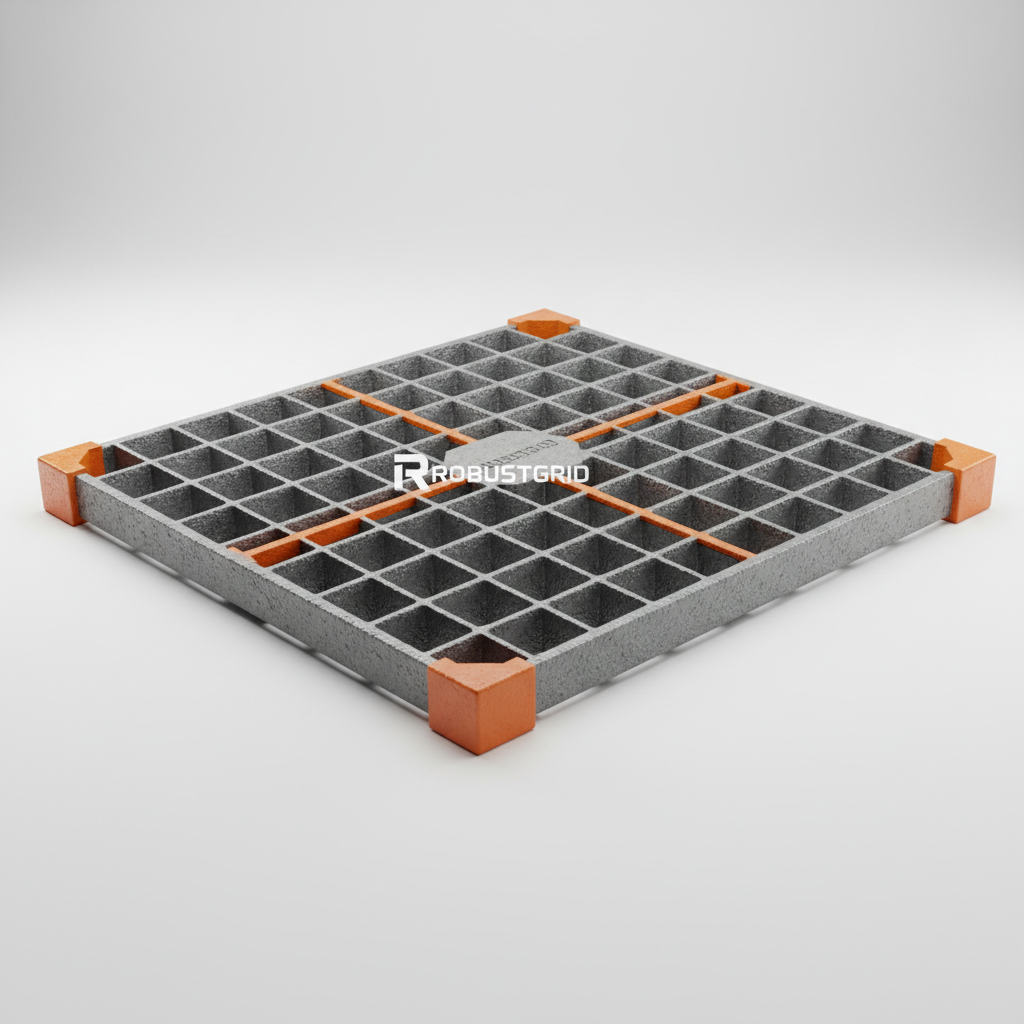
An frp grating manufacturer is a company specializing in the production of grating constructed from Fiber Reinforced Polymer (FRP) materials. These materials typically consist of a reinforcing fiber (such as fiberglass, carbon fiber, or basalt fiber) embedded in a resin matrix (like polyester, vinyl ester, or epoxy). This combination results in a product that is lightweight, incredibly strong, and highly resistant to corrosion.
The relevance of FRP grating lies in its ability to address limitations associated with traditional materials. Steel grating, for example, is prone to corrosion, requiring frequent maintenance and eventual replacement. Aluminum, while corrosion-resistant, is significantly less strong than FRP. FRP grating offers a durable, low-maintenance, and cost-effective alternative, extending the lifespan of infrastructure and reducing long-term operational costs.
Furthermore, FRP grating’s non-conductive properties make it ideal for applications where electrical safety is paramount, such as power plants, chemical processing facilities, and wastewater treatment plants. A skilled frp grating manufacturer understands these nuances and can tailor solutions to specific needs.
Key Attributes of a Quality frp grating manufacturer
A high-quality frp grating manufacturer possesses several key attributes. First and foremost is a commitment to quality control. This includes rigorous testing of raw materials, in-process inspections, and final product certification to ensure compliance with industry standards.
Key Performance Indicators for frp grating manufacturer
Global Applications and Industry Impact of frp grating manufacturer
FRP grating manufactured by companies like frp grating manufacturer finds application across a remarkably diverse range of industries. These include chemical processing, oil and gas, water and wastewater treatment, pulp and paper, power generation, and marine environments.
Advantages and Long-Term Value of Choosing a frp grating manufacturer
The advantages of choosing a dedicated frp grating manufacturer extend far beyond initial cost savings. FRP grating requires minimal maintenance, significantly reducing lifecycle costs compared to steel. Its lightweight nature simplifies installation, further reducing labor expenses. The inherent corrosion resistance ensures a long service life, minimizing downtime and replacement costs.
Beyond the economic benefits, FRP grating enhances workplace safety by providing a non-slip surface and eliminating the risk of electrical conductivity. Choosing a manufacturer committed to sustainability aligns with environmental responsibility goals, as FRP materials can often be recycled and reduce the overall carbon footprint.
Future Trends and Innovations in frp grating manufacturer
The future of frp grating manufacturer is focused on several key areas. The development of new resin systems with enhanced mechanical properties and improved fire resistance is a priority. Manufacturers are also exploring the use of bio-based resins to further enhance sustainability. Integration of smart sensors into FRP grating, enabling real-time monitoring of structural integrity and load distribution, is another exciting trend.
Automated manufacturing processes, driven by artificial intelligence and machine learning, are expected to increase production efficiency and reduce costs. Furthermore, we can anticipate greater customization capabilities, allowing manufacturers to deliver tailored solutions for increasingly complex applications.
Analysis of Factors Influencing the Selection of a frp grating manufacturer
| Manufacturing Capacity |
Material Quality Control |
Engineering Support |
Certifications & Compliance |
| High volume capacity for large-scale projects |
Stringent testing procedures for raw materials and finished products |
Dedicated team of engineers for design assistance and technical support |
ISO 9001, ASTM compliance, and relevant industry certifications |
| Ability to handle customized orders and quick turnaround times |
Traceability of materials and complete documentation of quality control processes |
Finite Element Analysis (FEA) capabilities for load testing and optimization |
Compliance with local building codes and regulations |
| Flexible production lines for diverse product configurations |
Use of high-quality resins and reinforcing fibers from reputable suppliers |
On-site installation support and training |
Third-party testing and verification of product performance |
| Strategic location for efficient logistics and distribution |
Regular audits of manufacturing processes and quality management systems |
Provision of detailed product specifications and technical data sheets |
Adherence to environmental sustainability standards |
| Investment in advanced manufacturing technologies |
Implementation of statistical process control (SPC) methods |
Custom design and fabrication services |
Warranty programs and long-term performance guarantees |
| Commitment to continuous improvement and innovation |
Focus on minimizing waste and maximizing resource utilization |
Rapid prototyping and sample production |
Transparent communication and responsive customer service |
FAQS
FRP grating offers significant advantages over steel, including corrosion resistance, lighter weight, non-conductivity, and lower maintenance costs. Steel is susceptible to rust and requires regular painting or coating to prevent deterioration, whereas FRP grating maintains its structural integrity in harsh environments without extensive upkeep. Its lighter weight simplifies installation and reduces support structure requirements.
Reputable manufacturers implement rigorous quality control procedures throughout the entire production process. This includes thorough inspection of raw materials, in-process monitoring of manufacturing parameters, and final product testing to verify compliance with industry standards such as ASTM. Traceability of materials and detailed documentation are also crucial aspects of quality assurance.
Key factors include the anticipated load, environmental conditions (exposure to chemicals, UV radiation, temperature variations), required span length, and safety requirements. The resin type and reinforcing fiber should be selected based on these factors to ensure optimal performance and longevity. Consulting with an experienced frp grating manufacturer is highly recommended.
Yes, FRP grating’s non-conductive properties make it an excellent choice for hazardous environments where electrical safety is a concern. It also does not ignite or support combustion, reducing the risk of fire. However, it’s crucial to select a resin system that meets specific fire resistance requirements for the application.
FRP grating typically has a lifespan of 20-30 years or longer, depending on the application and environmental conditions. Unlike steel, it requires minimal maintenance. Periodic visual inspections to check for any damage or wear are recommended, but typically no painting, coating, or rust removal is necessary.
Yes, FRP grating can be cut and modified on-site using standard power tools, such as saws and drills. However, it’s essential to use appropriate safety precautions, including wearing dust masks and eye protection, as cutting FRP can generate airborne particles. Always consult the manufacturer's guidelines for specific cutting and installation recommendations.
Conclusion
In conclusion, the benefits of FRP grating, driven by the innovation of frp grating manufacturer, are undeniable. From its exceptional corrosion resistance and lightweight nature to its low maintenance requirements and enhanced safety features, FRP grating presents a compelling alternative to traditional materials across a wide spectrum of industries. Choosing a reliable manufacturer is paramount to ensuring the quality, performance, and long-term value of this essential infrastructure component.
Looking ahead, the future of FRP grating is bright, with ongoing research and development focused on sustainability, enhanced performance characteristics, and the integration of smart technologies. By embracing these advancements, engineers, architects, and project managers can unlock even greater potential for FRP grating, contributing to more resilient, efficient, and sustainable infrastructure solutions.