
loading...
- No. 9, Xingyuan South Street, Dongwaihuan Road, Zaoqiang County, Hengshui, Hebei, China
- admin@zjcomposites.com
- +86 15097380338
- Welcome to visit our website!

Comprehensive Guide to Choosing the Right Safety Guard System for Industrial Protection
Choosing the Right Safety Guard System: A Comprehensive Guide
Protecting personnel and assets is paramount in any industrial setting. A robust safety guard system is a critical component of a comprehensive safety strategy. This article explores the various types of safety guard systems, their applications, key considerations for selection, and the benefits of choosing a reliable provider like ZJ Composites. We’ll delve into how a well-implemented system can significantly reduce risks and improve workplace safety.
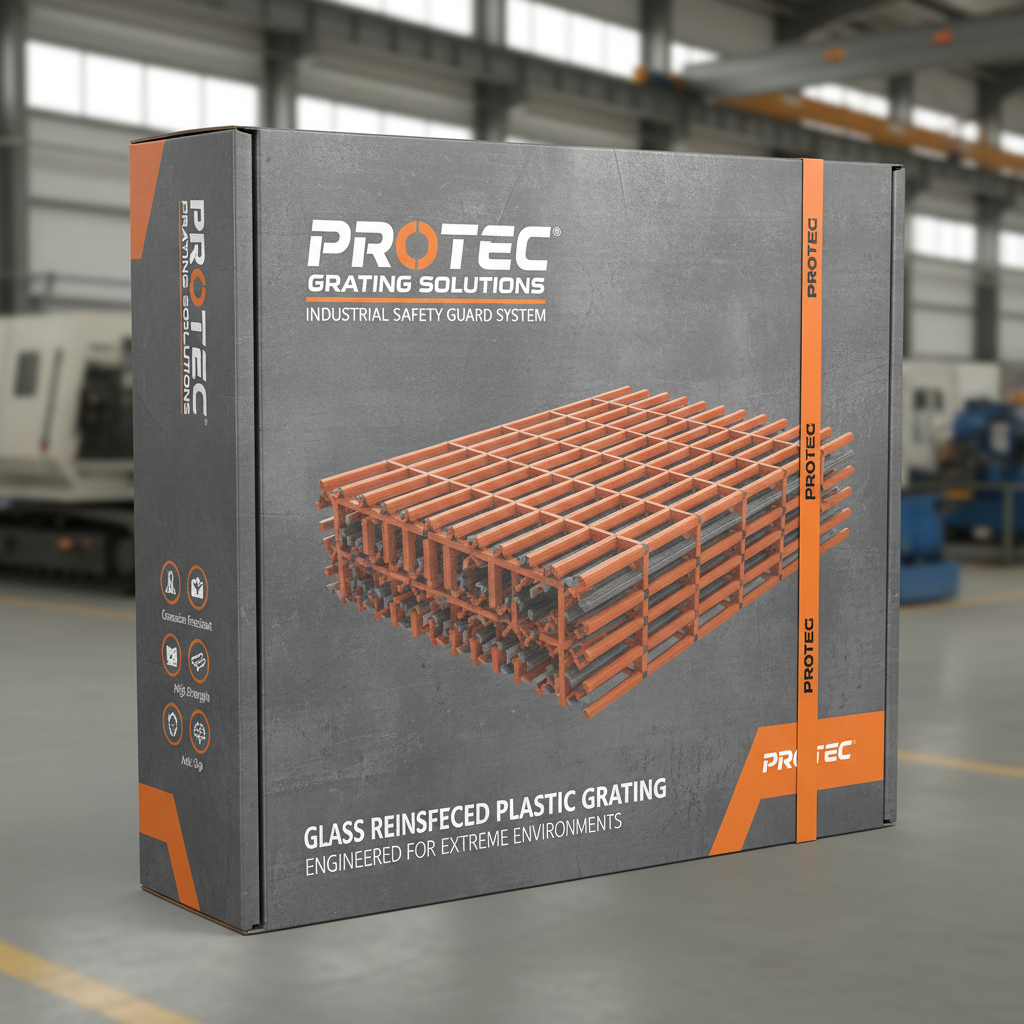
Understanding Different Types of Safety Guard Systems
Safety guard systems come in a variety of designs, each suited to specific applications. Common types include machine guarding, physical barriers, light curtains, and pressure-sensitive mats. Machine guarding physically prevents access to hazardous areas of machinery, while physical barriers, like fences and railings, demarcate restricted zones. Light curtains utilize infrared beams to detect intrusions and halt operations, and pressure-sensitive mats trigger alarms or shutdowns when stepped on. Selecting the appropriate type depends on the specific hazard, the work environment, and the level of risk involved. ZJ Composites specializes in providing custom safety guarding solutions tailored to unique needs.
Key Considerations: The choice of system should be based on a thorough risk assessment, taking into account the potential hazards, the frequency of exposure, and the severity of possible injuries.
The Importance of Material Selection in Safety Guard Systems
The materials used in a safety guard system significantly impact its durability, performance, and longevity. Materials must withstand harsh industrial environments, resist corrosion, and provide adequate impact resistance. Commonly used materials include steel, aluminum, polycarbonate, and reinforced composites. Composite materials, like those offered by ZJ Composites, offer a superior strength-to-weight ratio, excellent corrosion resistance, and design flexibility. They are an ideal choice for applications requiring high performance and long-term reliability.
Material Properties to Consider:
• Strength and Impact Resistance
• Corrosion Resistance
• Weight
• Design Flexibility
Safety Guard System: A Comparison of Common Materials
Choosing the right material for your safety guard system is crucial. Here's a comparison of common materials to help you make an informed decision:
Custom Safety Guard System Design and Fabrication
Every industrial environment is unique, requiring tailored safety solutions. ZJ Composites specializes in custom design and fabrication of safety guard systems. Our engineers work closely with clients to understand their specific needs, assess risks, and develop solutions that meet or exceed industry standards. We utilize advanced modeling and manufacturing techniques to create guards that are precisely fitted, easy to install, and highly effective in preventing accidents. From initial concept to final installation, we provide comprehensive support throughout the entire process.
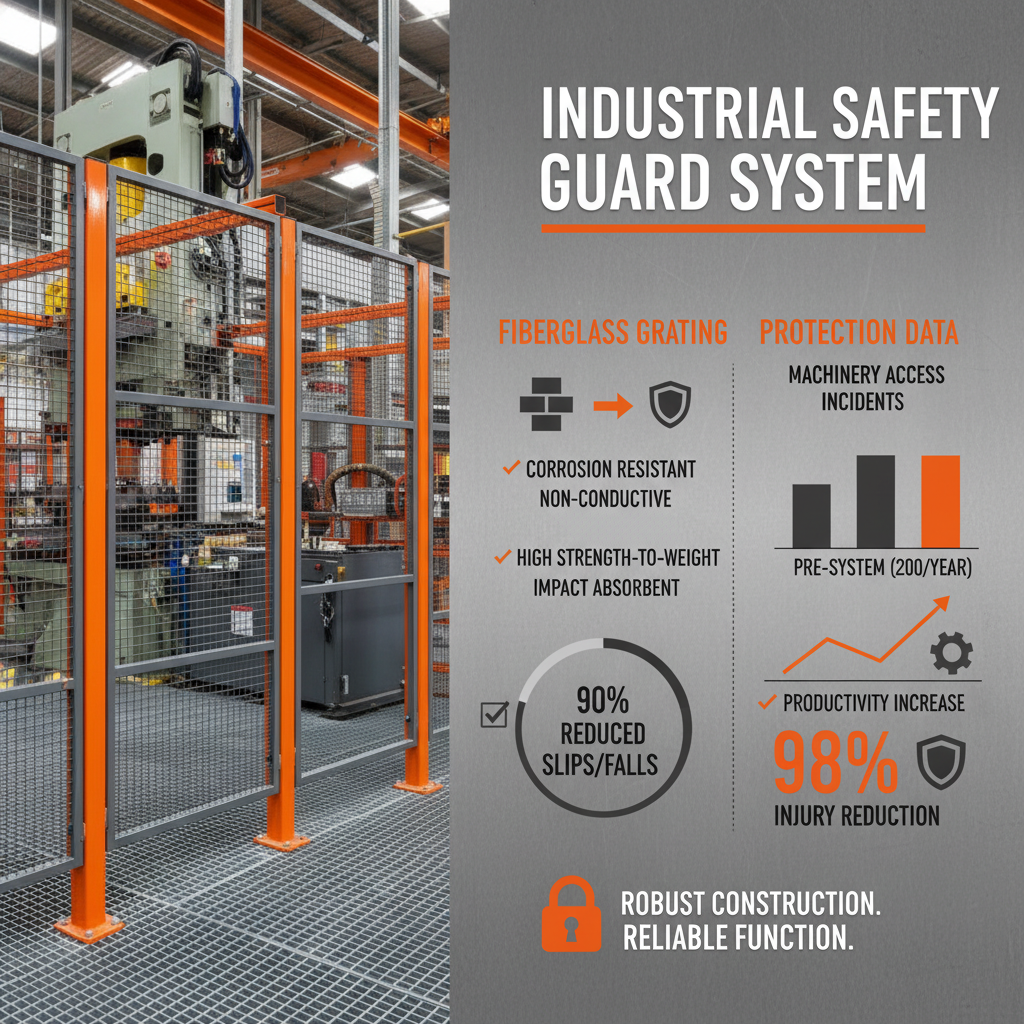
Compliance and Standards for Safety Guard Systems
Safety guard systems must comply with relevant industry standards and regulations. In many regions, these include standards set by OSHA (Occupational Safety and Health Administration) and ISO (International Organization for Standardization). These standards specify requirements for guard design, materials, and performance. ZJ Composites ensures that all its safety guard systems meet or exceed these requirements, providing clients with peace of mind and ensuring a safe working environment.
Conclusion: Investing in a Robust Safety Guard System
A well-designed and implemented safety guard system is a critical investment in workplace safety. By choosing a reliable provider like ZJ Composites, you can ensure that your system is tailored to your specific needs, complies with industry standards, and provides long-lasting protection for your employees. Don't compromise on safety – protect your most valuable asset: your people.
Frequently Asked Questions (FAQs)
What factors should be considered when selecting a safety guard system?
Several factors are crucial when selecting a safety guard system. These include the specific hazards present, the type of machinery being guarded, the work environment (indoor/outdoor, temperature, humidity), the frequency of access required, and applicable safety standards. A thorough risk assessment should be conducted to identify potential hazards and determine the appropriate level of protection. Consider also the material compatibility with the environment, the ease of installation and maintenance, and the long-term cost of ownership. ZJ Composites offers expert guidance in navigating these considerations.
How often should safety guard systems be inspected?
Safety guard systems should be inspected regularly, at least annually, and more frequently if the environment is harsh or the system is subjected to heavy use. Inspections should include a visual check for damage, corrosion, or wear. Ensure that all mounting hardware is secure and that the guards are functioning correctly. Any damaged or defective components should be replaced immediately. Keep detailed records of all inspections and maintenance activities.
Can safety guard systems be retrofitted to existing machinery?
Yes, safety guard systems can often be retrofitted to existing machinery. However, it's crucial to ensure that the retrofit design is compatible with the machinery and doesn't compromise its functionality. A professional assessment should be conducted to determine the feasibility of retrofitting and to ensure that the resulting system meets all applicable safety standards. ZJ Composites provides retrofit solutions tailored to existing equipment.
What are the benefits of choosing composite materials for safety guards?
Composite materials offer several advantages over traditional materials like steel and aluminum. They are lightweight, yet incredibly strong, providing excellent impact resistance. Composites are also highly resistant to corrosion, making them ideal for harsh industrial environments. Their design flexibility allows for the creation of complex shapes and customized solutions. While the initial cost may be higher, the long-term durability and reduced maintenance requirements of composite materials often result in significant cost savings.
-
High Quality Fiberglass Rods for Electric Fence Insulation GuideNewsApr.16,2026
-
Benefits and Guide of Installing a White Fiberglass FenceNewsApr.09,2026
-
Choosing the Right Fibreglass Fence for Property Enhancement and LongevityNewsApr.07,2026
-
Comprehensive Guide to Durable Fiberglass Fence Rods and Their ApplicationsNewsMar.31,2026
-
Comprehensive Guide to Durable Fiberglass Fence Post Solutions for Various ApplicationsNewsMar.28,2026
-
Comprehensive Guide to Fiberglass Fencing Benefits and ApplicationsNewsMar.26,2026
-
Comprehensive Guide to Machine Guarding Systems for Workplace SafetyNewsMar.21,2026