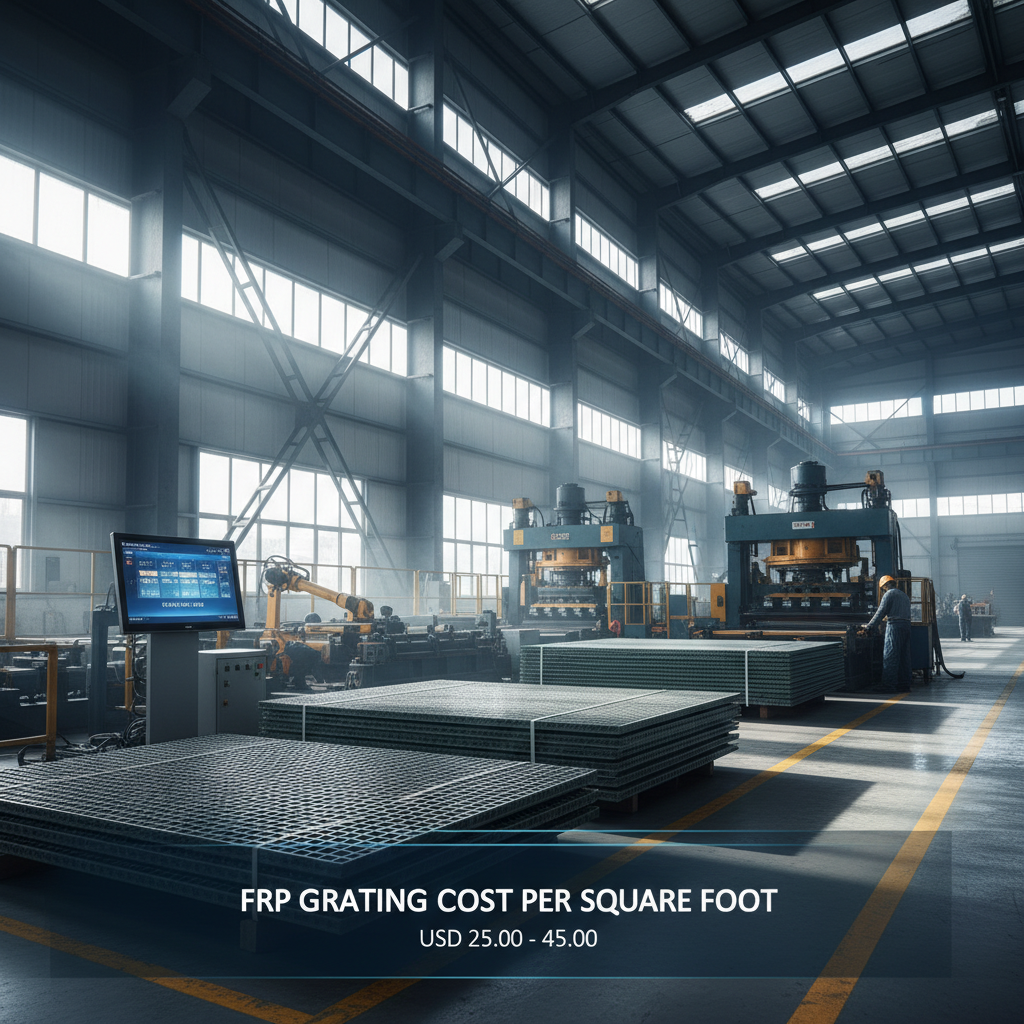
Understanding the frp grating cost per square foot is crucial for projects demanding durable, lightweight, and corrosion-resistant flooring solutions. As industries increasingly prioritize safety and longevity, knowing the associated costs helps in effective budgeting and material selection. This knowledge is particularly important in sectors like chemical processing, wastewater treatment, and marine environments where traditional materials often fail prematurely, leading to costly replacements and potential hazards.
Globally, the demand for Fiber Reinforced Polymer (FRP) grating is growing, driven by infrastructure development, stringent safety regulations, and the need for sustainable construction materials. Assessing the frp grating cost per square foot is not simply about the initial price; it’s about evaluating the life-cycle cost, including installation, maintenance, and replacement. This holistic approach is increasingly adopted by project managers and engineers worldwide.
The rising awareness of the long-term benefits of FRP grating—reducing downtime, enhancing worker safety, and minimizing environmental impact—is fueling its adoption. Consequently, a clear understanding of the cost dynamics associated with frp grating cost per square foot empowers stakeholders to make informed decisions, optimizing project outcomes and ensuring long-term value.
Introduction to frp grating cost per square foot
The frp grating cost per square foot varies significantly depending on resin type, construction method (molded or pultruded), panel thickness, mesh size, and the supplier. Understanding these variables is paramount to accurate budgeting. Ignoring these details can lead to significant cost overruns and compromise project quality. frp grating cost per square foot comparison becomes vital.
Furthermore, considering the installation costs is equally important. While FRP grating might have a higher upfront material cost compared to traditional materials like steel, the ease of installation – often requiring minimal cutting and welding – can reduce labor expenses, ultimately impacting the overall frp grating cost per square foot figure.
Defining frp grating cost per square foot
frp grating cost per square foot refers to the price incurred for one square foot of Fiber Reinforced Polymer (FRP) grating material. It’s a fundamental metric used in construction and industrial projects to assess the financial viability of using FRP grating as a flooring or walkway solution. This cost encapsulates the material itself, and doesn't inherently include shipping or installation.
The definition extends beyond a simple price tag. It's a benchmark for comparing different FRP grating options, factoring in varying resin types (polyester, vinyl ester, epoxy), reinforcements (fiberglass, carbon fiber), and manufacturing processes. Understanding these nuances allows for informed cost-benefit analysis.
Essentially, calculating the frp grating cost per square foot serves as the basis for project budgeting, procurement, and overall value assessment. It enables stakeholders to make reasoned decisions based on a clear understanding of material expenses, balancing initial investment against long-term performance and reduced maintenance.
Key Factors Influencing frp grating cost per square foot
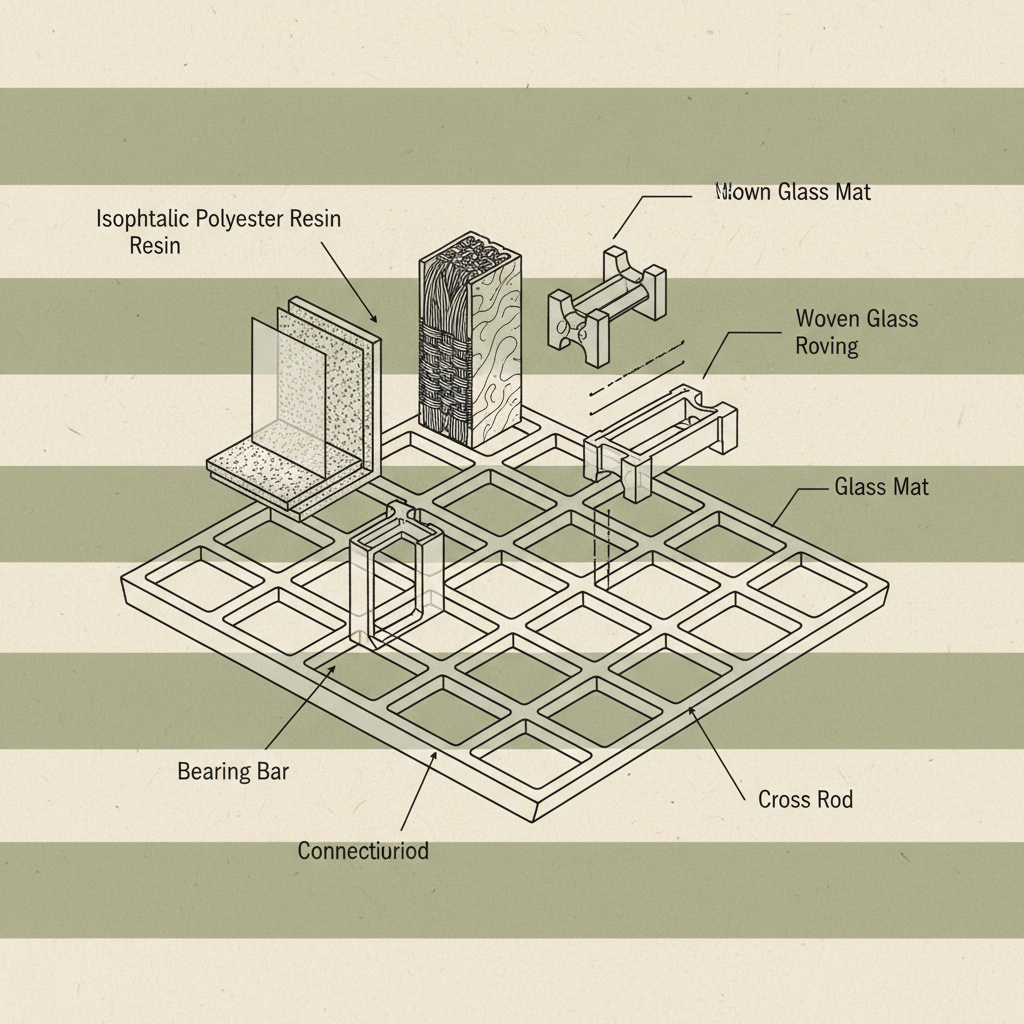
Several key factors contribute to the fluctuation in frp grating cost per square foot. The type of resin used significantly impacts the price; epoxy resins are generally more expensive than polyester resins due to their superior chemical resistance and strength. Similarly, the reinforcement material plays a role, with carbon fiber grating commanding a higher price point than fiberglass.
The manufacturing process—molded versus pultruded—also affects the cost. Pultruded grating is typically more cost-effective for larger runs due to its continuous production process, while molded grating offers greater design flexibility but can be pricier for smaller quantities. The panel thickness and mesh size are further contributors to the overall frp grating cost per square foot.
Finally, supplier location, quantity ordered, and prevailing market conditions (raw material costs, transportation fees) all contribute to the final price. Sourcing from reputable suppliers with established supply chains can help mitigate cost uncertainties.
Global Applications of frp grating cost per square foot
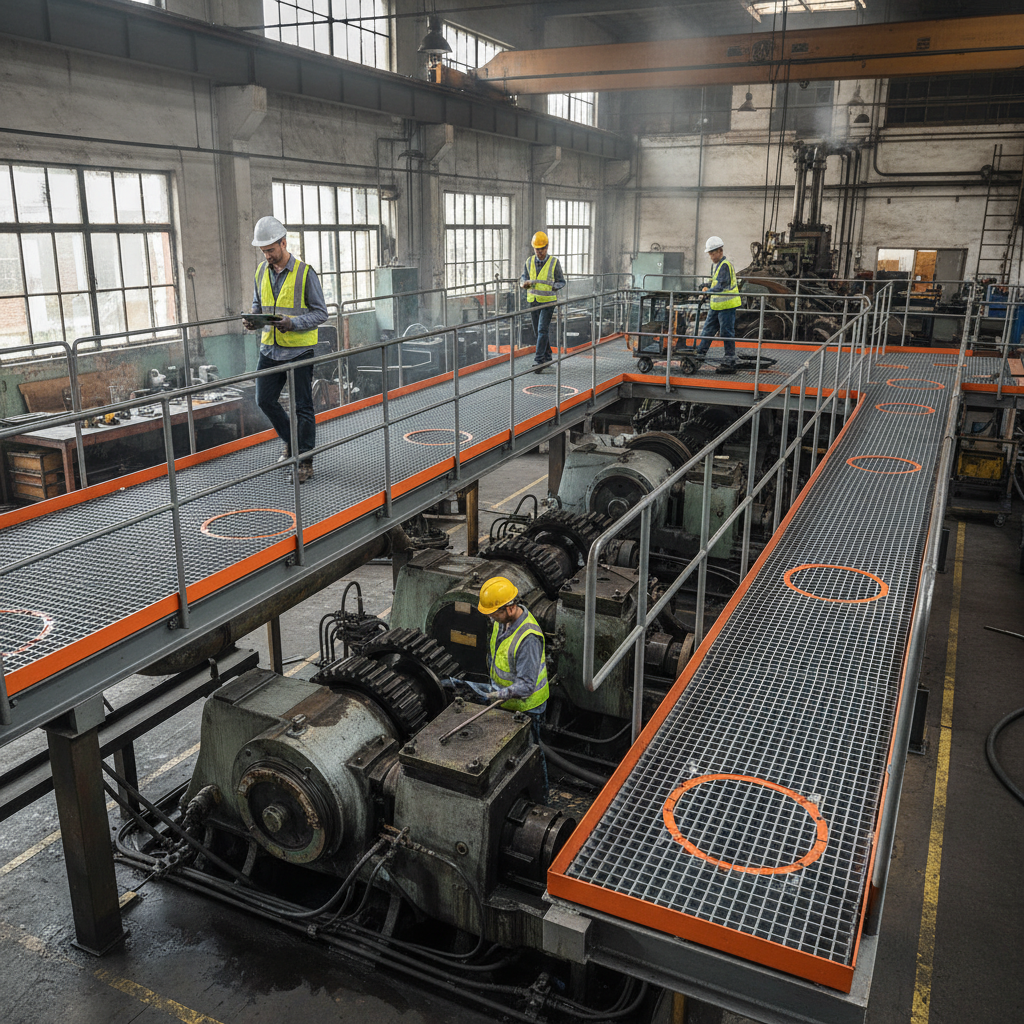
The applications of FRP grating, and consequently the demand impacting frp grating cost per square foot, span numerous industries globally. Chemical processing plants utilize FRP grating for walkways and platforms due to its exceptional resistance to corrosive environments. Wastewater treatment facilities similarly benefit from its durability in harsh conditions.
The oil and gas industry relies on FRP grating for offshore platforms and refineries, where saltwater corrosion is a major concern. Marine environments, including docks and piers, also frequently employ FRP grating for its resistance to saltwater and weathering. Power generation plants utilize FRP grating for safety walkways and access platforms.
Comparative frp grating cost per square foot (USD)
Advantages and Long-Term Value of frp grating cost per square foot
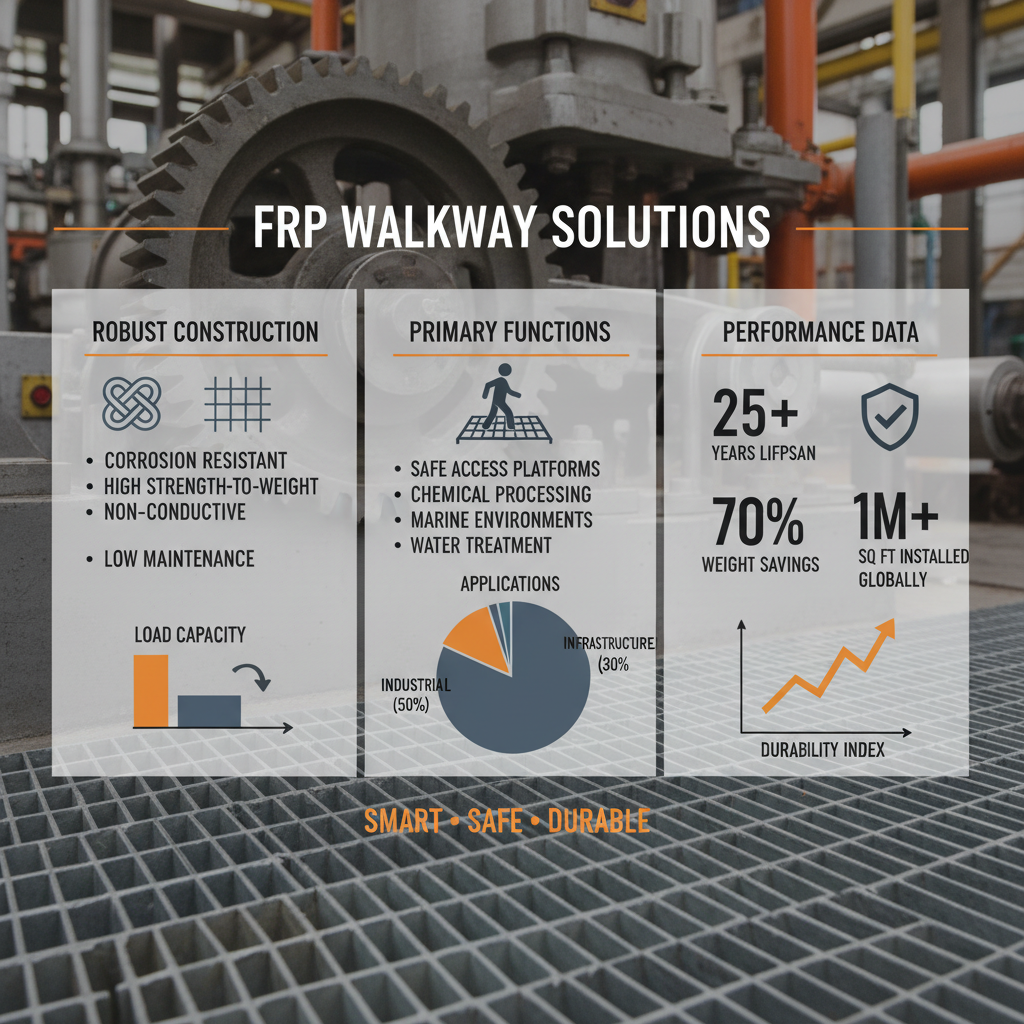
Despite potentially higher upfront costs, understanding the long-term value associated with frp grating cost per square foot is crucial. FRP grating significantly reduces maintenance expenses compared to traditional materials like steel, which are prone to corrosion and require regular painting or replacement. This reduction in maintenance translates to substantial cost savings over the lifespan of the grating.
Furthermore, the lightweight nature of FRP grating simplifies installation, reducing labor costs and project timelines. Its non-conductive properties enhance worker safety, eliminating the risk of electrical shock in hazardous environments. These advantages contribute to a lower total cost of ownership, making FRP grating a financially sound investment.
Future Trends in frp grating cost per square foot
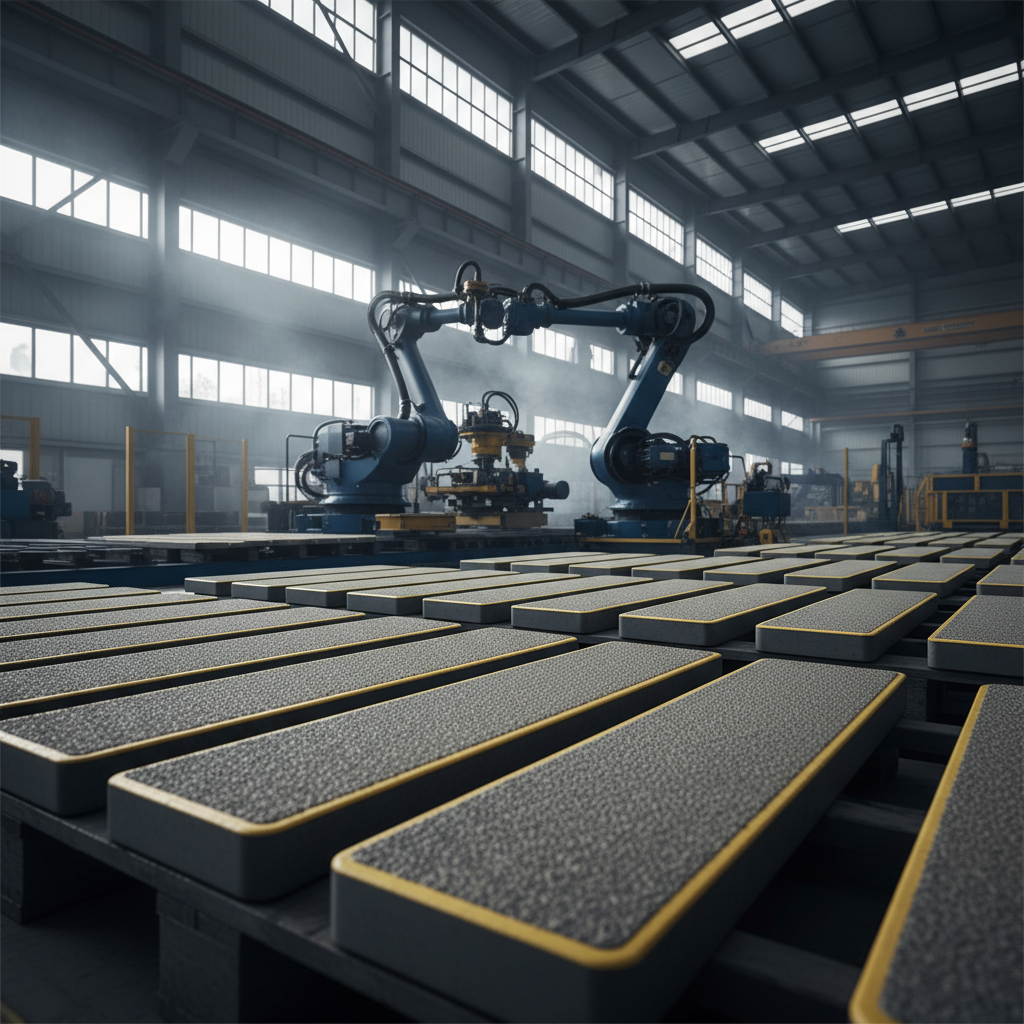
Several emerging trends are poised to influence frp grating cost per square foot in the coming years. The development of bio-based resins offers a sustainable alternative to traditional petroleum-based resins, potentially reducing material costs and environmental impact. Advancements in automated manufacturing processes are expected to enhance production efficiency and lower manufacturing costs.
Increasing adoption of circular economy principles, focusing on recycling and reuse of FRP materials, may contribute to reduced material costs and promote sustainability. Furthermore, greater standardization in FRP grating design and manufacturing could lead to economies of scale and lower prices.
Challenges and Solutions Regarding frp grating cost per square foot
A primary challenge regarding frp grating cost per square foot is the perception of high initial expense compared to traditional materials. However, this perception often fails to account for the long-term cost benefits associated with reduced maintenance and increased lifespan. Education and life-cycle cost analysis can effectively address this challenge.
Another challenge is the limited availability of skilled installers familiar with FRP grating. Providing training programs and certification courses can expand the installer base and streamline installation processes. Supply chain disruptions and fluctuating raw material prices can also impact costs; diversifying sourcing and establishing long-term contracts can mitigate these risks.
Finally, the need for standardized testing and quality control procedures is essential to ensure consistent performance and reliability, justifying the frp grating cost per square foot and building confidence among end-users.
Summary of Challenges and Solutions related to FRP Grating Cost
| Challenge |
Impact on frp grating cost per square foot |
Potential Solution |
Implementation Cost (1-10) |
| High Initial Cost |
Discourages adoption, perceived as uneconomical |
Life-cycle cost analysis, demonstrate long-term savings |
3 |
| Limited Installer Expertise |
Increases installation costs, potential for improper installation |
Certified training programs for FRP grating installation |
6 |
| Raw Material Price Volatility |
Fluctuates frp grating cost per square foot, making budgeting difficult |
Long-term contracts with suppliers, diversified sourcing |
5 |
| Supply Chain Disruptions |
Delays project timelines, increases material costs |
Strategic inventory management, regional supplier networks |
7 |
| Lack of Standardization |
Inconsistent quality, difficulty in comparing products |
Industry-wide standards for FRP grating manufacturing and testing |
8 |
| Perception of Limited Durability |
Undermines confidence, affects willingness to pay frp grating cost per square foot |
Demonstrate performance data, case studies, long-term warranties |
4 |
FAQS
Several elements drive the price, including the resin type (polyester, vinyl ester, epoxy), reinforcement material (fiberglass, carbon fiber), manufacturing method (molded vs. pultruded), panel thickness, and mesh size. Labor and transportation also contribute, but material choices are the primary cost determinants. Analyzing these helps determine an accurate frp grating cost per square foot.
FRP grating typically boasts a significantly longer lifespan than steel, often exceeding 25-30 years with minimal maintenance. Steel, conversely, requires regular maintenance (painting, repairs) to combat corrosion, resulting in higher lifetime costs. This extended lifespan is a key component of the value calculation when considering frp grating cost per square foot.
Absolutely. In corrosive environments (chemical plants, wastewater treatment), FRP grating offers substantial cost savings by eliminating the need for frequent replacements due to corrosion. While the initial frp grating cost per square foot may be higher than steel, the reduced maintenance and extended lifespan provide a superior return on investment.
Installation costs for FRP grating are generally lower than for steel due to its lightweight nature and ease of cutting and assembly. Minimal welding is required, reducing labor hours. However, costs vary based on the complexity of the installation and local labor rates. Factoring this in gives a more accurate frp grating cost per square foot assessment.
Yes, FRP grating can be readily customized in terms of dimensions, resin type, panel thickness, and mesh size to meet specific project needs. Molded grating offers greater design flexibility than pultruded grating. Customization options might influence the frp grating cost per square foot.
FRP grating often has a lower environmental impact than steel, due to its lighter weight (reducing transportation emissions) and longer lifespan (reducing the need for replacements). Bio-based resins are emerging as even more sustainable options. Analyzing the full lifecycle contributes to a holistic view of frp grating cost per square foot and environmental impact.
Conclusion
In conclusion, the frp grating cost per square foot is a complex metric influenced by a multitude of factors, ranging from material composition and manufacturing processes to installation costs and long-term maintenance requirements. While the initial investment may be higher than traditional materials, the superior durability, corrosion resistance, and reduced maintenance associated with FRP grating often translate to significant cost savings over its lifespan.
Looking ahead, advancements in materials science, manufacturing techniques, and sustainable practices are expected to further enhance the value proposition of FRP grating. By carefully considering all relevant factors and partnering with reputable suppliers like ZJ Composites, businesses and organizations can make informed decisions that optimize project outcomes and ensure long-term success.