
loading...
- No. 9, Xingyuan South Street, Dongwaihuan Road, Zaoqiang County, Hengshui, Hebei, China
- admin@zjcomposites.com
- +86 15097380338
- Welcome to visit our website!

Top FRP Grating Suppliers: Durable, Corrosion-Resistant Solutions
The Indispensable Role of FRP Gratings in Modern Infrastructure
In the rapidly evolving landscape of industrial and infrastructural development, Fiberglass Reinforced Plastic (FRP) gratings have emerged as a cornerstone material, offering unparalleled advantages over traditional alternatives like steel and aluminum. These advanced composites are engineered for superior performance in highly corrosive, electrically hazardous, and structurally demanding environments, making them crucial for safety and operational longevity. The demand for high-performance frp grating suppliers capable of delivering reliable, durable, and cost-effective solutions is consistently growing. FRP gratings, particularly the moulded variants, provide an optimal blend of strength-to-weight ratio, non-conductivity, slip resistance, and chemical inertness, making them ideal for a myriad of applications from pedestrian walkways and trench covers to complex industrial platforms. Their lightweight nature facilitates easier transportation and installation, significantly reducing labor costs and project timelines, a critical factor for large-scale industrial projects. The inherent corrosion resistance ensures a prolonged service life, even in aggressive chemical exposure zones, thereby minimizing maintenance requirements and long-term capital expenditures. This intrinsic value proposition positions FRP grating as a preferred material choice for forward-thinking engineering projects globally.
The market for FRP grating continues to expand, driven by stringent safety regulations, increasing awareness of life-cycle costs, and the need for sustainable, low-maintenance building materials. Industry trends indicate a sustained preference for composite solutions, particularly in sectors where traditional materials frequently fail prematurely due to corrosion or fatigue. For instance, in the chemical processing industry, where exposure to acids, alkalis, and solvents is routine, FRP grating provides a robust, non-degrading solution for flooring, stair treads, and platforms. Similarly, in wastewater treatment plants, where constant moisture and microbial activity can quickly degrade metal structures, FRP offers a non-corrosive, long-lasting alternative. Furthermore, the non-conductive properties of FRP make it indispensable in electrical substations and around sensitive equipment, enhancing worker safety by eliminating the risk of electrical shock. As industries increasingly prioritize operational efficiency, worker safety, and environmental compliance, the adoption of FRP grating, supplied by reputable frp grating suppliers, is poised for continuous growth, cementing its status as an essential component of modern industrial infrastructure. This shift underscores a broader industry movement towards materials that offer superior performance under challenging conditions while contributing to overall project cost-effectiveness and sustainability.
Unpacking Moulded Fiberglass Rectangular Mesh Grating: A Technical Deep Dive
The `Moulded Fiberglass Rectangular Mesh Grating` represents a pinnacle of composite engineering, specifically designed to address severe environmental and structural challenges. This product is manufactured by combining continuous glass fiber rovings with a thermosetting resin system, typically Isophthalic Polyester, Vinylester, or Phenolic, through a proprietary molding process. The choice of resin dictates the grating's resistance to specific chemicals and its fire retardancy characteristics. Isophthalic Polyester resin offers excellent corrosion resistance to a wide range of chemicals at moderate temperatures, making it suitable for general industrial applications. Vinylester resin provides superior resistance to highly corrosive chemicals, including strong acids and alkalis, often used in chemical processing plants. Phenolic resin offers exceptional fire resistance, with low smoke and toxicity, critical for offshore and transportation industries. The rectangular mesh configuration provides bi-directional strength, allowing for efficient load distribution across both axes, which is a significant advantage over unidirectional pultruded gratings. This structural integrity minimizes deflection under load, ensuring a stable and safe walking or working surface. The open mesh design not only provides excellent drainage but also allows for easy inspection of the underlying equipment and reduces the accumulation of debris.
Beyond its structural and chemical properties, `Moulded Fiberglass Rectangular Mesh Grating` incorporates several design features aimed at enhancing safety and longevity. The standard grating surface often includes a concave profile or an embedded grit surface, providing superior slip resistance even when wet or oily, significantly reducing the risk of slips and falls in industrial settings. UV inhibitors are typically added to the resin formulation to protect the grating from degradation caused by prolonged exposure to sunlight, ensuring long-term color stability and structural integrity outdoors. The non-magnetic and radio frequency transparent properties of frp grating suppliers products make them ideal for specialized environments such as MRI rooms, radar facilities, and other areas where electromagnetic interference must be avoided. Furthermore, the low thermal conductivity of FRP prevents heat transfer, making it comfortable to touch even in extreme temperatures, unlike metal gratings which can become excessively hot or cold. These multifaceted technical attributes underscore why moulded fiberglass rectangular mesh grating is increasingly specified by engineers and project managers seeking robust, reliable, and high-performance solutions for demanding industrial applications.
The Advanced Manufacturing Process of FRP Gratings
The production of high-quality `frp grating` involves a meticulous and technologically advanced manufacturing process, primarily through a molding technique. This process begins with the careful preparation of a large, open mold, typically made of highly polished steel, which defines the final grating's rectangular mesh pattern and dimensions. Continuous glass fiber rovings, which provide the primary structural strength, are strategically laid out in both transverse and longitudinal directions within the mold cavities. Simultaneously, a thermosetting resin mixture, precisely formulated with specific additives for UV resistance, fire retardancy, and pigment for color, is poured into the mold. This resin fully saturates the glass fibers, encapsulating them and creating a monolithic structure. The key to the process is the controlled curing, where the mold is heated to initiate a chemical reaction (polymerization) that transforms the liquid resin into a solid, rigid composite. This thermal curing ensures consistent material properties throughout the entire panel, creating a strong, homogenous product. The precise control over temperature and curing time is critical to achieving optimal mechanical properties and dimensional stability, distinguishing premium products from generic alternatives.
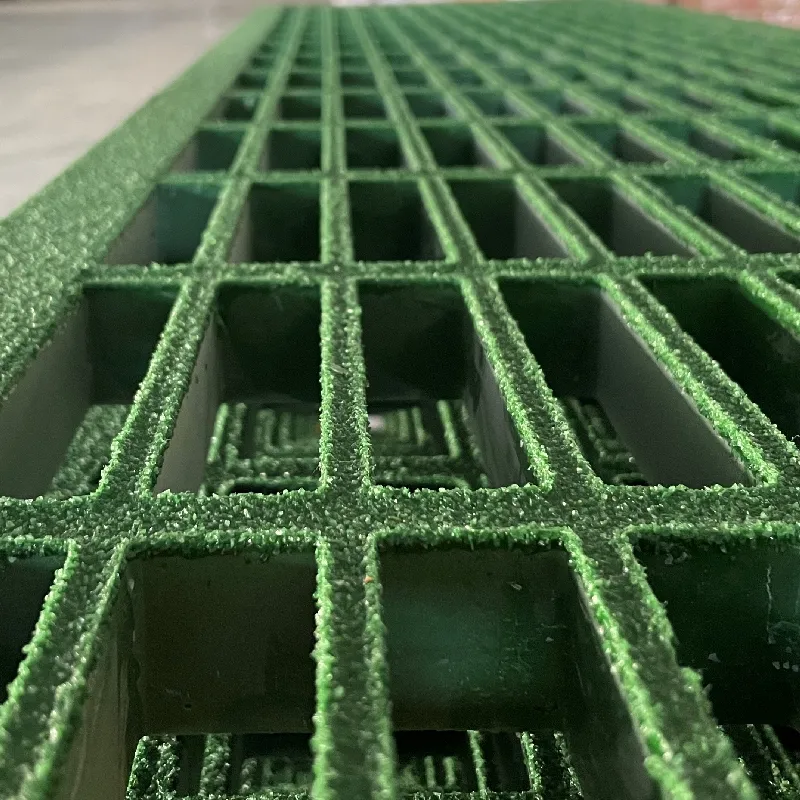
Post-curing, the rigid FRP grating panel is ejected from the mold and undergoes a series of critical post-processing and quality control checks. Each panel is inspected for dimensional accuracy, surface finish, and the absence of defects such as voids or delaminations. Leading frp grating suppliers adhere strictly to international inspection standards, including ISO 9001 for quality management systems and ASTM standards for material properties and testing (e.g., ASTM E84 for flame spread and smoke development, ASTM D638 for tensile properties, ASTM D790 for flexural properties). These rigorous testing protocols ensure that the final product meets specified load-bearing capacities, chemical resistance, and fire safety ratings. The superior structural integrity achieved through the molding process contributes to an extended service life, often exceeding 25 years even in harsh environments, significantly outperforming steel which can corrode in a fraction of that time. This durability translates to substantial long-term cost savings through reduced replacement and maintenance efforts. Furthermore, the inherent properties like non-conductivity, corrosion resistance, and low thermal conductivity make FRP gratings ideal for industries such as petrochemical, metallurgy, and water/wastewater treatment, enhancing safety and operational efficiency by preventing corrosion-related failures and providing a safer working surface.
Technical Parameters and Performance Benchmarks of FRP Grating
Selecting the appropriate `frp grating` requires a thorough understanding of its technical parameters and how they benchmark against industry standards. Key performance indicators (KPIs) include load-bearing capacity, which is critical for ensuring structural integrity under pedestrian or vehicular traffic; chemical resistance, vital for environments exposed to corrosive agents; and fire retardancy, measured by flame spread and smoke development indices. For instance, a common specification for `Moulded Fiberglass Rectangular Mesh Grating` might include a panel thickness ranging from 25mm to 50mm, with varying mesh sizes like 38x38mm or 50x50mm. The ultimate flexural strength of Vinylester resin frp grating suppliers products can exceed 200 MPa, while standard Isophthalic Polyester types typically range from 150-180 MPa. Deflection under specific loads is another critical parameter; for a typical 38x38x38mm panel over a 1000mm span, deflection under a 5 kN load should be minimal, often less than 5mm, indicating high stiffness. Slip resistance is commonly enhanced with grit-top surfaces, yielding a coefficient of friction well above the industry safety threshold of 0.5. These detailed specifications enable engineers to select the exact grating type that matches the specific demands of their projects, ensuring both safety and long-term performance.
To further illustrate the robust capabilities of FRP grating, a comparison with traditional materials highlights its superior advantages, particularly when evaluating life-cycle costs and operational benefits. The following tables provide a snapshot of typical product specifications for `Moulded Fiberglass Rectangular Mesh Grating` and a direct comparison with metallic alternatives, emphasizing the aspects that make FRP an economically and functionally superior choice for demanding industrial applications. The data underscores FRP’s resilience against environmental degradation, its inherent safety features like non-conductivity, and its economic advantages through reduced maintenance and extended service life. This comprehensive technical data empowers decision-makers to make informed choices, ensuring that their infrastructure investments are both reliable and sustainable for the long term. Trustworthy `frp grating suppliers` will readily provide such detailed specification sheets and performance data to support project planning and material selection.
Moulded Fiberglass Rectangular Mesh Grating: Key Product Specifications
| Parameter | Typical Range/Value | Relevant Standard |
|---|---|---|
| Panel Thickness | 25mm, 30mm, 38mm, 50mm, 60mm | EN ISO 14122-3 |
| Mesh Size (Clear Opening) | 38x38mm, 50x50mm, 25x100mm | |
| Resin Type | Isophthalic Polyester, Vinylester, Phenolic | ASTM D4067 |
| Ultimate Flexural Strength | >150 MPa (Isophthalic), >200 MPa (Vinylester) | ASTM D790 |
| Flame Spread Index (FSI) | < 25 (ASTM E84 Class 1) | ASTM E84 |
| Slip Resistance (CoF - Grit Surface) | > 0.6 (Dry), > 0.5 (Wet) | ASTM F1679 |
| Thermal Conductivity | Low (0.2-0.3 W/mK) | ASTM C177 |
FRP Grating vs. Traditional Materials: A Performance Comparison
| Feature | FRP Grating | Steel Grating | Aluminum Grating |
|---|---|---|---|
| Corrosion Resistance | Excellent (Chemicals, Saltwater) | Poor (Rusts without coating) | Good (Oxidizes, Pitting) |
| Weight | Lightweight (1/4 of steel) | Heavy | Moderate |
| Electrical Conductivity | Non-Conductive | Highly Conductive | Highly Conductive |
| Maintenance | Very Low | High (Painting, Rust Removal) | Moderate (Cleaning) |
| Fire Retardancy | Self-extinguishing (when specified) | Non-combustible (conducts heat) | Non-combustible (conducts heat) |
| Impact Resistance | Excellent (Energy Absorption) | Good (Can dent/deform) | Good (Can dent/deform) |
Diverse Applications and Industry Adoption of FRP Grating
The versatility and robust performance characteristics of `frp grating` make it an ideal choice across a broad spectrum of industries, solving persistent challenges that traditional materials often fail to address economically or effectively. In the chemical processing industry, FRP gratings are indispensable for walkways, platforms, and trench covers where exposure to concentrated acids, alkalis, and solvents would rapidly degrade metallic structures. Their superior chemical resistance ensures longevity and safety, significantly reducing replacement cycles. For oil and gas facilities, particularly offshore platforms and refineries, the non-sparking properties of FRP eliminate fire hazards in explosive atmospheres, while its lightweight nature simplifies installation in remote or complex structures. The inherent corrosion resistance against saltwater and harsh chemicals is also paramount in these environments. In water and wastewater treatment plants, where constant moisture and exposure to chemicals like chlorine are common, FRP gratings provide a non-corrosive, slip-resistant, and low-maintenance solution for trickling filter media, tank covers, and access platforms, contributing to operational efficiency and worker safety.
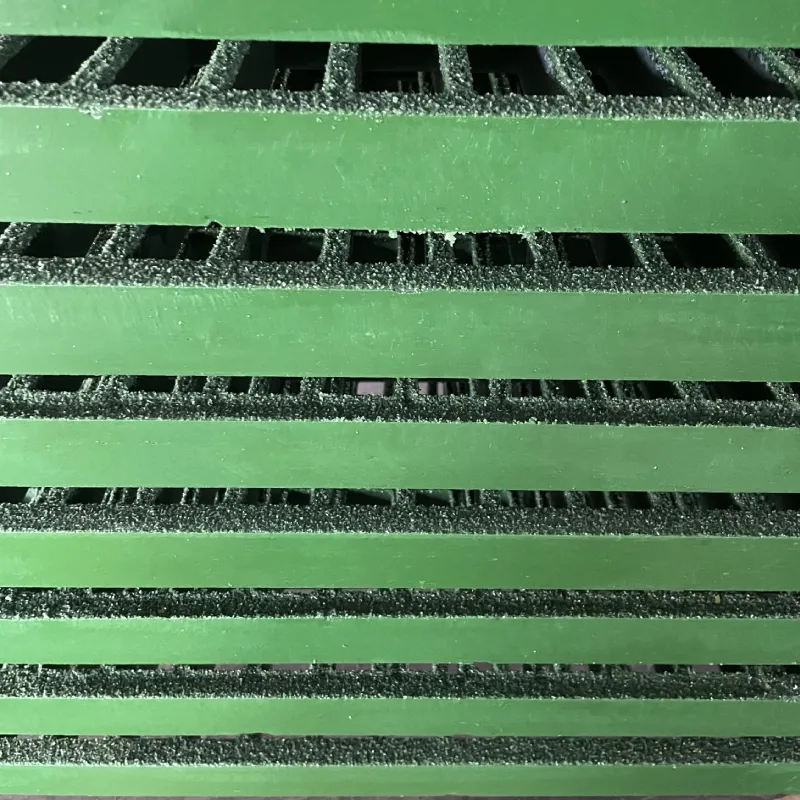
Beyond these critical sectors, the application of FRP grating extends to numerous other demanding environments. Food and beverage processing plants benefit from FRP's hygienic properties, ease of cleaning, and resistance to mold and bacteria growth, crucial for maintaining sanitary conditions. Its non-corrosive nature also makes it suitable for wash-down areas. In power generation and electrical substations, the non-conductive nature of FRP eliminates the risk of electrical shock, making it a preferred material for floorings, accessways, and cable tray supports around high-voltage equipment. For marine and shipbuilding industries, FRP offers exceptional resistance to saltwater corrosion, UV degradation, and is significantly lighter than steel, reducing overall vessel weight and improving fuel efficiency. Even in architectural and civil engineering projects, FRP is increasingly specified for pedestrian bridges, sunscreens, and decorative facades due to its aesthetic versatility, lightweight, and durability. The ability of reliable frp grating suppliers to offer customized solutions, including various colors, panel sizes, and resin systems, further broadens its applicability, making it a go-to material for engineers and project managers seeking innovative, long-lasting, and cost-effective structural solutions in diverse operational settings.
Choosing the Right FRP Grating Supplier: A Critical Analysis
The selection of an appropriate `frp grating suppliers` is a pivotal decision that directly impacts the success, safety, and longevity of any industrial or civil project. A reputable supplier should demonstrate not only expertise in FRP composite manufacturing but also a deep understanding of industry-specific requirements and standards. Key factors to consider include the supplier's manufacturing capabilities, ensuring they utilize advanced molding processes and robust quality control systems, ideally certified to ISO 9001. Their experience in the field, evidenced by years of operation and a portfolio of successfully completed projects across various demanding industries, is crucial. Moreover, the supplier's ability to provide comprehensive technical support, including load tables, chemical resistance charts, and installation guides, reflects their commitment to customer success. A supplier that invests in research and development to enhance product performance, such as improving fire retardancy or developing new resin systems for niche applications, also signifies a forward-thinking and reliable partner. Evaluating these attributes systematically ensures that the chosen supplier can meet stringent project specifications and deliver consistent quality.
Beyond product quality and technical expertise, the value proposition of leading frp grating suppliers extends to their service capabilities, including customization options, reliable delivery schedules, and robust after-sales support. The ability to provide tailored solutions, such as custom panel sizes, specific resin formulations for extreme chemical environments, or unique color requirements, can significantly streamline project execution and reduce on-site fabrication. Timely delivery is critical for adhering to project timelines, making a supplier with efficient logistics and a strong supply chain highly desirable. Furthermore, a commitment to customer support, including warranty provisions, responsive technical assistance for installation queries, and guidance on maintenance, fosters trust and ensures long-term operational satisfaction. When assessing potential `frp grating` providers, it is advisable to request case studies, client testimonials, and samples to verify their claims and product quality firsthand. A transparent supplier willing to share test data and provide tours of their manufacturing facilities often indicates a higher level of trustworthiness and quality assurance. Partnering with such a supplier ensures access to high-performance products and reliable service, crucial for complex infrastructure investments.
Customization and Tailored Solutions from FRP Grating Suppliers
One of the significant advantages offered by professional `frp grating suppliers` is their capability to provide highly customized solutions that precisely meet specific project requirements, moving beyond standard off-the-shelf products. This level of customization can encompass various aspects, starting with dimensions. While standard panel sizes are available, projects often require unique lengths, widths, or intricate shapes to fit existing structures or specific design parameters. Suppliers can provide precision cutting, profiling, and even complex fabrication services, minimizing on-site waste and labor costs. Beyond geometry, resin systems can be tailored to offer enhanced resistance to particular chemicals, higher fire retardancy for stringent safety codes (e.g., in transit or offshore applications), or improved UV stability for outdoor longevity. For instance, a facility dealing with highly oxidizing chemicals might require a specialized Vinylester resin, while a high-traffic public area could benefit from an extra coarse grit surface for enhanced slip resistance. The ability to specify colors is also important for aesthetic integration or for safety coding in industrial environments (e.g., yellow for caution areas).
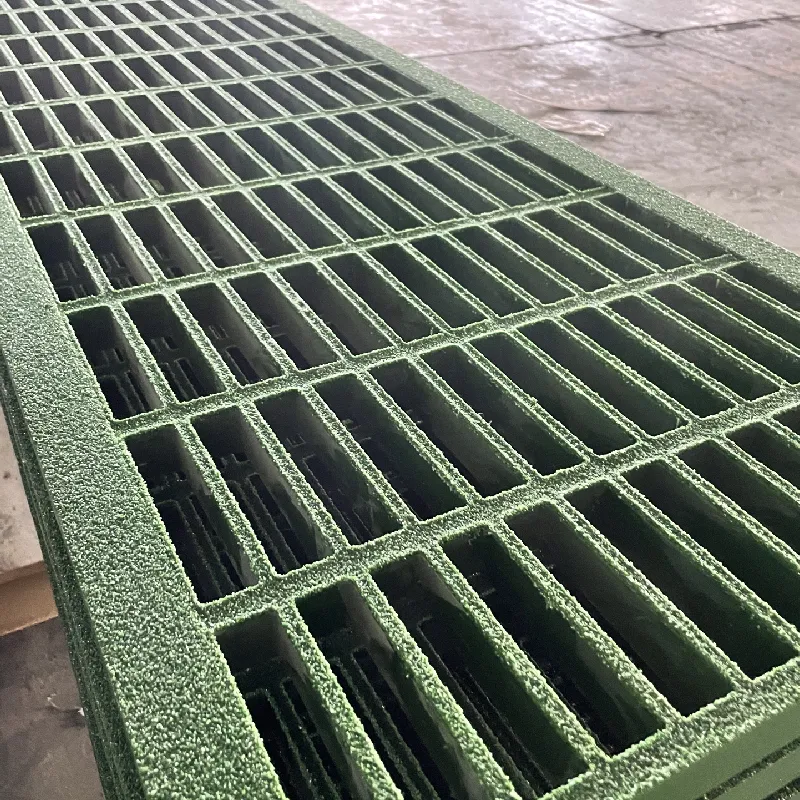
The collaboration between the client's engineering team and the supplier's technical experts is crucial for achieving optimal customized `frp grating` solutions. Reputable frp grating suppliers often offer design assistance, helping to optimize mesh patterns, load-bearing capacities, and fastening methods for specific applications. For complex installations, they might provide detailed engineering drawings, 3D models, or even on-site technical supervision to ensure flawless integration. For example, a trench cover system might require custom cutouts for pipes or specialized anchor systems, which can be pre-fabricated by the supplier, simplifying installation. Furthermore, the provision of pre-engineered systems, such as FRP stair treads with integrated nosing, or ladder cages, significantly reduces the complexity and time involved in large-scale projects. This holistic approach, where the supplier acts as a true partner in developing bespoke solutions rather than just a product vendor, adds immense value, ensuring that the final `Moulded Fiberglass Rectangular Mesh Grating` solution perfectly aligns with the project's functional, safety, and budgetary requirements, ultimately enhancing overall project efficiency and success.
Real-World Application Success Stories with FRP Grating
The proven track record of `frp grating` in challenging industrial environments underscores its reliability and performance benefits. Consider a major chemical processing plant that faced recurring issues with steel walkways corroding rapidly due to sulfuric acid spills and humid conditions. After frequent, costly replacements, they switched to `Moulded Fiberglass Rectangular Mesh Grating` with a Vinylester resin system. The result was a dramatic reduction in maintenance costs, elimination of corrosion-related downtime, and significantly improved safety due to the inherent slip resistance and non-conductivity of FRP. This solution not only extended the service life of their walkways from less than 5 years to over 20 years but also provided a safer work environment for their personnel, demonstrating the long-term economic and operational advantages. Another compelling case involves a large municipal wastewater treatment facility that required durable, non-corrosive covers for their clarifier tanks. Traditional concrete covers were heavy and prone to cracking, while steel rusted quickly. By implementing custom-fabricated FRP tank covers from a specialized frp grating suppliers, the facility achieved superior odor control, enhanced worker safety through lightweight, removable sections, and significant savings on future maintenance.
Further examples highlight the adaptability and robustness of FRP. A global mining operation in a remote, highly corrosive coastal region needed stable and safe platforms for their extraction equipment. Steel platforms were rusting within months, posing severe safety risks. By collaborating with experienced `frp grating suppliers`, they installed robust FRP platforms that have withstood extreme weather conditions and constant exposure to corrosive mining chemicals for over a decade without any signs of degradation. The lightweight nature of FRP also simplified transportation and assembly in the challenging terrain, further reducing project costs. Similarly, a major international airport utilized FRP gratings for their drainage systems and utility trench covers around runways. The non-conductive properties were critical to avoid interference with sensitive navigation equipment, while the high load-bearing capacity accommodated heavy aircraft traffic. The seamless integration and zero maintenance requirements, combined with an estimated 30-year service life, demonstrated FRP's superior value proposition. These real-world applications underscore FRP grating's capacity to deliver long-term performance, enhance safety, and generate substantial savings in terms of maintenance and replacement costs across diverse industrial and public infrastructure projects. Client testimonials often highlight the ease of installation, the significant reduction in corrosion-related issues, and the improved safety profile as key benefits.
Frequently Asked Questions (FAQ) about FRP Grating
- Q1: What makes FRP grating superior to steel or aluminum in corrosive environments?
- A1: FRP grating is inherently corrosion-resistant because it is made from composite materials (glass fibers and resin) that do not rust or degrade when exposed to acids, alkalis, salt solutions, or moisture. Unlike metals, which require expensive coatings or constant maintenance to prevent corrosion, FRP maintains its structural integrity and aesthetic appeal without additional treatments, even in highly aggressive chemical or marine environments. This significantly reduces life-cycle costs and enhances safety.
- Q2: Is FRP grating safe for use in areas with electrical hazards?
- A2: Yes, FRP grating is non-conductive, meaning it does not conduct electricity. This property makes it an ideal material for walkways, platforms, and flooring in areas where electrical hazards are present, such as power generation plants, electrical substations, and around high-voltage equipment. It provides a safer working surface for personnel by mitigating the risk of electrical shock, which is a significant advantage over conductive metal gratings.
- Q3: How long can I expect FRP grating to last?
- A3: The service life of FRP grating is exceptionally long, often exceeding 20-25 years, even in harsh industrial environments. This longevity is attributed to its outstanding corrosion resistance, UV stability, and robust mechanical properties. Unlike traditional materials that may require frequent replacement due to rust or fatigue, FRP grating offers superior durability and minimal maintenance requirements, leading to substantial long-term cost savings for asset owners.
- Q4: Can `Moulded Fiberglass Rectangular Mesh Grating` be customized?
- A4: Absolutely. Reputable frp grating suppliers offer extensive customization options. This includes custom panel sizes and shapes, specific resin formulations (e.g., Vinylester for extreme chemical resistance, Phenolic for superior fire retardancy), various grit surfaces for enhanced slip resistance, and a wide range of colors for aesthetic or safety coding purposes. This flexibility ensures that the grating perfectly integrates into your project's unique functional, safety, and design requirements, minimizing on-site modifications.
- Q5: What are the typical delivery times and warranty for FRP grating?
- A5: Delivery times can vary based on order size, customization, and supplier's inventory, but generally range from 2-4 weeks for standard products. For highly customized or large-volume orders, lead times may extend to 6-8 weeks. Leading frp grating suppliers typically offer a comprehensive warranty, often ranging from 5 to 10 years, covering material and manufacturing defects. It is advisable to discuss specific delivery schedules and warranty details with your chosen supplier to align with project timelines and quality assurance expectations.
Delivery, Warranty, and Dedicated Customer Support
Understanding the logistical and support framework provided by `frp grating suppliers` is as crucial as evaluating the product itself. Reputable suppliers prioritize efficient delivery and robust customer support to ensure seamless project execution and long-term satisfaction. Typically, standard `Moulded Fiberglass Rectangular Mesh Grating` panels can be dispatched within a lead time of 2-3 weeks, contingent on inventory levels and order volume. For custom orders involving specific resin types, colors, or intricate fabrications, the lead time may extend to 4-6 weeks, allowing for meticulous manufacturing and quality control. Suppliers often employ sophisticated logistics networks to ensure timely and secure delivery to project sites globally, minimizing potential delays and reducing overall project costs. Clear communication regarding order status, shipping updates, and potential lead time adjustments is a hallmark of reliable frp grating suppliers, ensuring that project managers can plan their schedules effectively and avoid costly disruptions.
Beyond timely delivery, the commitment to quality is reinforced through comprehensive warranty programs. Leading manufacturers generally provide warranties ranging from 5 to 10 years, covering material defects and manufacturing faults under normal operating conditions. This warranty provides clients with peace of mind, knowing their investment is protected against premature failure or non-conformance to specifications. In addition to warranties, exceptional customer support is a critical component of the value proposition. This includes readily available technical assistance for installation queries, expert guidance on product selection for specific applications, and responsive after-sales service for any operational concerns. Some suppliers offer on-site consultations, design assistance, and even training programs for installation teams to ensure optimal performance and safety of the `frp grating` products. This dedication to end-to-end support, from initial consultation and customization to delivery and post-installation assistance, distinguishes industry-leading `frp grating suppliers` and fosters long-term partnerships built on trust and mutual success.
Conclusion: Partnering for Superior FRP Solutions
The pervasive challenges of corrosion, safety, and maintenance in industrial and infrastructural environments underscore the irreplaceable value of `frp grating`. As this article has detailed, `Moulded Fiberglass Rectangular Mesh Grating` stands out as a superior material choice, offering an unparalleled blend of chemical resistance, electrical non-conductivity, high strength-to-weight ratio, and exceptional longevity. Its advanced manufacturing process ensures consistent quality and performance, meeting stringent international standards like ISO and ASTM. From the highly corrosive conditions of chemical processing plants and offshore oil rigs to the demanding safety requirements of electrical substations and wastewater treatment facilities, FRP gratings consistently deliver reliable, cost-effective, and safe solutions. The inherent benefits – reduced maintenance, extended service life, enhanced worker safety, and environmental compatibility – translate into significant long-term savings and operational efficiencies for businesses across various sectors. The flexibility offered through customization options, whether in terms of resin type, mesh size, color, or specific fabrication, ensures that FRP grating can be precisely tailored to meet the unique demands of any complex project, optimizing performance and integration.
Ultimately, the success of deploying FRP grating solutions hinges critically on selecting the right `frp grating suppliers`. A truly valuable partner will not only provide high-quality, certified products but also offer deep technical expertise, comprehensive customer support, and the capability for bespoke solutions. Their commitment to industry standards, transparent documentation, and a proven track record of successful installations instill confidence and build trust. By strategically partnering with such experienced and reputable frp grating suppliers, businesses and project managers can unlock the full potential of FRP technology, ensuring the longevity, safety, and economic viability of their infrastructure investments. Embracing FRP grating is not just about choosing a material; it is about adopting a sustainable, high-performance solution that delivers superior returns over its extended service life, safeguarding assets and personnel for decades to come.
References
- American Society for Testing and Materials (ASTM) International Standards.
- International Organization for Standardization (ISO) 9001:2015 Quality Management Systems.
- Fiberglass Grating Manufacturers Council (FGMC) Publications.
- Composites Industry Research Reports on FRP Market Trends.
- Technical papers on advanced composite materials for infrastructure applications.
-
High Quality Fiberglass Rods for Electric Fence Insulation GuideNewsApr.16,2026
-
Benefits and Guide of Installing a White Fiberglass FenceNewsApr.09,2026
-
Choosing the Right Fibreglass Fence for Property Enhancement and LongevityNewsApr.07,2026
-
Comprehensive Guide to Durable Fiberglass Fence Rods and Their ApplicationsNewsMar.31,2026
-
Comprehensive Guide to Durable Fiberglass Fence Post Solutions for Various ApplicationsNewsMar.28,2026
-
Comprehensive Guide to Fiberglass Fencing Benefits and ApplicationsNewsMar.26,2026
-
Comprehensive Guide to Choosing the Right Safety Guard System for Industrial ProtectionNewsMar.24,2026