
loading...
- No. 9, Xingyuan South Street, Dongwaihuan Road, Zaoqiang County, Hengshui, Hebei, China
- admin@zjcomposites.com
- +86 15097380338
- Welcome to visit our website!

Trusted FRP Grating Suppliers & Micro Mesh Grating Experts
Understanding the Critical Role of FRP Grating in Modern Industrial Infrastructure
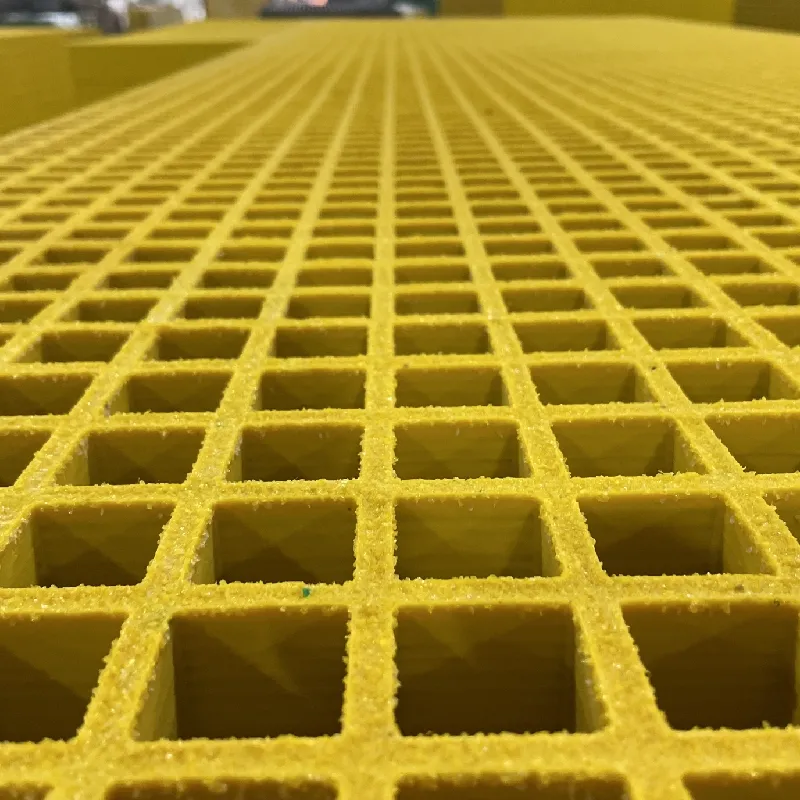
Fiber Reinforced Polymer (FRP) grating has emerged as a cornerstone material in diverse industrial sectors, offering unparalleled advantages over traditional materials like steel, aluminum, or concrete. Its superior properties, including exceptional corrosion resistance, high strength-to-weight ratio, non-conductivity, and minimal maintenance requirements, make it an indispensable component for safety and operational efficiency in harsh environments. As industries increasingly prioritize long-term cost-effectiveness, worker safety, and environmental compliance, the demand for high-performance FRP solutions continues to surge. Selecting the right FRP grating solution, such as the Anti Slip and Factory Outlet Standard Mesh FRP GRP Grating, is paramount for ensuring the longevity and integrity of critical infrastructure. This decision is heavily influenced by the expertise and reliability of leading frp grating suppliers, who play a pivotal role in delivering tailored solutions that meet stringent industry standards and application-specific demands. The market for FRP products is expanding globally, driven by infrastructure development and the need for durable, low-maintenance materials in aggressive chemical, marine, and industrial settings.
The technological advancements in FRP composite manufacturing have significantly enhanced the performance characteristics of grating products, allowing for a broader range of applications and more complex designs. From walkways and platforms to trench covers and mezzanines, FRP grating provides a safer and more durable alternative, mitigating risks associated with slips, falls, and material degradation. Furthermore, its inherent light weight simplifies installation and reduces structural load, leading to lower overall project costs and faster deployment times. The expertise of `frp grating suppliers` extends beyond mere product delivery; it encompasses comprehensive technical support, material selection guidance, and adherence to international quality and safety protocols. This holistic approach ensures that industrial clients receive not only a product but a complete solution engineered for optimal performance and longevity, critical for sectors where downtime and maintenance costs are major concerns.
The Advanced Manufacturing Process of FRP Grating
The production of high-quality FRP grating, especially specialized variants like `frp micro mesh grating`, involves sophisticated manufacturing processes that ensure product integrity and performance. The primary methods are molded FRP grating and pultruded FRP grating, each offering distinct advantages. Molded grating is manufactured by placing continuous glass fibers in a liquid resin matrix within a large mold. The resin, typically isophthalic polyester, vinyl ester, or phenolic, is then cured under heat, creating a structurally integrated, one-piece panel with exceptional bidirectional strength. This process ensures consistent resin-to-glass ratios and uniform load distribution, making molded grating ideal for applications requiring high impact resistance and chemical immunity. Pultruded grating, on the other hand, involves pulling continuous glass rovings and mats through a resin bath and then through a heated die, where the resin cures. This method creates continuous, high-strength structural profiles, which are then assembled into grating panels. Pultruded grating excels in unidirectional strength and stiffness, suitable for longer spans and heavier loads.

The selection of materials is critical; high-grade resins provide specific chemical resistance (e.g., vinyl ester for highly corrosive acids, phenolic for fire resistance), while various types of fiberglass (e.g., E-glass, C-glass) reinforce mechanical properties. Quality control throughout the manufacturing process is stringent, adhering to international standards such as ISO 9001 for quality management systems and ASTM standards (e.g., ASTM E-84 for flame spread, ASTM D-790 for flexural strength) for product performance. These rigorous checks ensure that each panel of grating, including `frp micro mesh grating`, meets the specified mechanical, chemical, and safety parameters. A well-manufactured FRP grating can boast an impressive service life, often exceeding 20-25 years, even in challenging environments. Its application spans across petrochemical facilities, metallurgical plants, water and wastewater treatment plants, power generation, food and beverage processing, and marine applications. In these sectors, FRP grating's advantages like anti-corrosion, lightweight design, and superior anti-slip properties (especially in the Anti Slip and Factory Outlet Standard Mesh FRP GRP Grating) lead to significant energy savings by reducing the need for frequent replacement and maintenance, thereby enhancing operational safety and efficiency.
Key Technical Parameters and Performance Metrics
When evaluating FRP grating, understanding its technical parameters is crucial for ensuring it meets specific application requirements. Key metrics include load-bearing capacity, deflection under load, slip resistance, fire rating, and chemical resistance. Load-bearing capacity is often expressed in pounds per square foot (PSF) or kiloNewtons (kN) and varies significantly based on panel thickness, mesh size, and resin type. For instance, a standard 1.5-inch thick molded grating with a 1.5x1.5-inch mesh can support substantial distributed loads. Deflection, the amount a panel bends under a given load, is equally important, as excessive deflection can compromise safety and comfort. Reputable `frp grating suppliers` provide detailed load tables and deflection charts to guide material selection. Slip resistance is paramount for safety, particularly in wet or oily environments. The Anti Slip and Factory Outlet Standard Mesh FRP GRP Grating, for example, typically features an integral grit surface or concave top for enhanced traction, exceeding OSHA and ADA requirements.
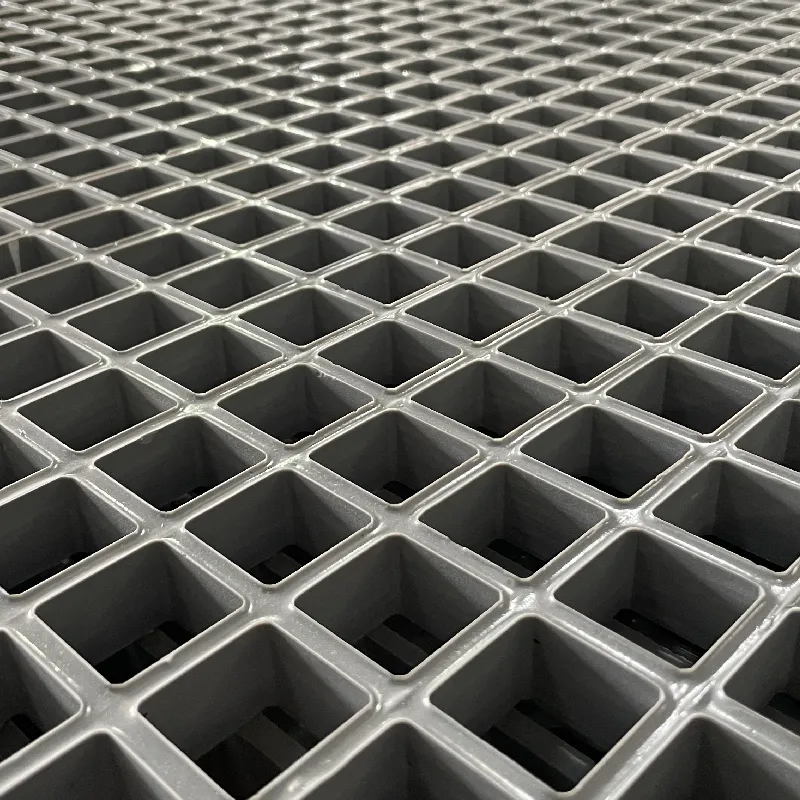
Fire rating, assessed by ASTM E-84, measures flame spread and smoke development; Class 1 (or Class A) ratings indicate superior fire resistance, often achieved with phenolic resins or flame retardant additives. Chemical resistance is determined by the resin system used; Isophthalic polyester is suitable for general corrosive environments, while vinyl ester offers excellent resistance to strong acids and alkalis. `FRP micro mesh grating` is a specialized variant characterized by smaller open areas (e.g., 0.75x0.75 inches or smaller), preventing small tools, bolts, or fingers from falling through. This makes it ideal for areas requiring pedestrian safety, wheelchair access, or specific machinery protection, while still offering the full range of benefits of standard FRP grating. The table below provides a general overview of typical parameters, though specific product data sheets from frp grating suppliers should always be consulted for precise values for the Anti Slip and Factory Outlet Standard Mesh FRP GRP Grating.
| Parameter | Standard Mesh (e.g., 1.5" x 1.5") | Micro Mesh (e.g., 0.75" x 0.75") | Unit/Standard |
|---|---|---|---|
| Panel Thickness Options | 1", 1.5", 2", 2.5", 3" | 1", 1.5" | Inches (in) |
| Open Area Percentage | 60-70% | 40-55% | % |
| Flexural Strength (Typical) | 30,000-45,000 psi | 35,000-50,000 psi | ASTM D790 |
| Flame Spread Index (Phenolic) | 5-15 (Class A) | 5-15 (Class A) | ASTM E84 |
| Max. Distributed Load (1.5" thk, 48" span) | ~300-400 lbs/sq ft | ~350-450 lbs/sq ft | PSF |
| Resin Types Available | Isophthalic, Vinyl Ester, Phenolic | Isophthalic, Vinyl Ester | N/A |
The design flexibility offered by FRP allows frp grating suppliers to provide tailored solutions for specific loading conditions and environmental exposures. Engineers rely on accurate data regarding these parameters to ensure the safety and compliance of structures. Understanding the nuances between molded and pultruded types, and the specific advantages of `frp micro mesh grating`, allows project managers and specifiers to make informed decisions that optimize both performance and cost. The integrity of these technical specifications is a hallmark of authoritative `frp grating suppliers` who commit to rigorous testing and transparent reporting of their product capabilities.
Diverse Application Scenarios and Proven Success
The versatility and robust performance of FRP grating enable its deployment across an extensive range of demanding industrial and commercial applications. In chemical processing plants, where corrosive acids, alkalis, and solvents are commonplace, FRP grating (especially vinyl ester resin-based options) provides an indispensable solution for walkways, trenches, and sump covers, resisting degradation that would quickly destroy metallic alternatives. This prevents costly maintenance and ensures continuous operations. Offshore oil and gas platforms benefit from FRP's lightweight, anti-slip properties, and resistance to saltwater corrosion, making it ideal for decking, ladders, and access ways where worker safety and structural integrity are paramount in harsh marine environments. In water and wastewater treatment facilities, FRP grating's non-conductive nature and corrosion resistance make it safe and durable for areas exposed to chemicals like chlorine and ozone, and constant moisture. Its low electrical conductivity also makes it a preferred choice in electrical substations and power generation facilities, where it reduces the risk of electrical hazards.
Beyond heavy industry, FRP grating, including `frp micro mesh grating`, is increasingly adopted in commercial and public spaces. For instance, in theme parks or public walkways, frp micro mesh grating provides a safe, slip-resistant surface that prevents high heels or small objects from falling through, enhancing pedestrian comfort and safety. Food and beverage processing plants utilize FRP grating due to its hygienic properties, ease of cleaning, and resistance to sanitizers and food acids, ensuring compliance with strict health regulations. Similarly, the ability of FRP to be custom-fabricated into various shapes and sizes means that specific project requirements, from unusual platform designs to complex trench cover systems, can be met with precision. Leading frp grating suppliers often have extensive portfolios of successful projects and customer testimonials, demonstrating their ability to deliver durable, application-specific solutions that resolve long-standing operational challenges, proving the experience and reliability integral to principles.
Choosing Your FRP Grating Supplier: A Focus on Trust and Assurance
Selecting the right frp grating suppliers is a critical decision that impacts project success, safety, and long-term cost of ownership. Beyond product specifications, factors like the supplier's reputation, certifications, service history, and commitment to customer support are paramount. A truly authoritative supplier will hold internationally recognized certifications like ISO 9001 for quality management, demonstrating a consistent commitment to manufacturing excellence. Furthermore, compliance with ASTM, OSHA, and ANSI standards for product performance and safety is non-negotiable. Look for `frp grating suppliers` who can provide comprehensive test reports and data sheets, affirming the mechanical properties, chemical resistance, and fire rating of their products. Collaboration with well-known engineering firms or large industrial clients also serves as a strong indicator of a supplier's reliability and experience. An experienced supplier understands the nuances of various industries and can offer insightful recommendations for specific environmental challenges, from severe chemical exposure to extreme temperature variations.
Customization capabilities are another vital aspect. Top `frp grating suppliers` offer bespoke solutions, allowing clients to specify unique dimensions, panel sizes, resin systems, colors, and surface finishes (e.g., standard concave, grit top, plain top) to perfectly match project requirements. This flexibility ensures optimal fit and performance, reducing waste and installation time. For instance, the Anti Slip and Factory Outlet Standard Mesh FRP GRP Grating often comes with factory-applied non-slip surfaces, but a reputable supplier can also offer other anti-slip options or custom color matching for branding or safety coding. Transparency in delivery timelines and a robust quality assurance program, including detailed warranty commitments, build immense trust. A standard warranty of 1-5 years on manufacturing defects is typical, but industry leaders may offer extended guarantees, reflecting their confidence in product durability. Efficient logistics and responsive customer support are also key; knowing that spare parts, technical advice, or replacement panels can be rapidly dispatched is invaluable for managing project timelines and minimizing operational disruptions.
Frequently Asked Questions (FAQ)
Q: What is the typical lead time for FRP grating orders?
A: Lead times can vary depending on the order size, product customization requirements (e.g., specific resin types, colors, or `frp micro mesh grating` designs), and the manufacturer's current production schedule. For standard products like the Anti Slip and Factory Outlet Standard Mesh FRP GRP Grating, lead times might range from 2-4 weeks. Highly customized or very large orders could take 6-8 weeks or longer. It's always best to consult directly with your chosen frp grating suppliers for precise estimates based on your specific needs.
Q: How does FRP grating compare to steel grating in terms of cost over its lifecycle?
A: While the initial purchase cost of FRP grating might sometimes be slightly higher than traditional steel, its lifecycle cost is typically significantly lower. FRP's superior corrosion resistance eliminates the need for frequent painting or replacement, especially in harsh chemical or marine environments. Its lightweight nature reduces transportation and installation costs, and its non-conductive properties can reduce the need for specialized grounding systems. Over a 20-25 year lifespan, FRP grating delivers substantial savings in maintenance and replacement expenses, making it a more economical long-term investment. This is a key advantage offered by reliable frp grating suppliers.
Q: What kind of warranty do reputable `frp grating suppliers` offer?
A: Most reputable frp grating suppliers provide a warranty against manufacturing defects and material failures under normal use conditions. Standard warranties typically range from 1 to 5 years. Some premium suppliers, confident in their product quality and longevity, may offer extended warranties, particularly for specialized products or those installed in extremely challenging environments. Always review the specific warranty terms and conditions provided by the supplier before making a purchase, as they can vary.
Q: Can `frp micro mesh grating` be used for pedestrian walkways with heavy foot traffic?
A: Yes, `frp micro mesh grating` is an excellent choice for pedestrian walkways, especially in areas with heavy foot traffic or where small items might need to be prevented from falling through. Its smaller open area provides a more secure walking surface, reduces trip hazards, and is comfortable for high heels, wheelchairs, and trolleys. Additionally, it maintains the anti-slip properties and corrosion resistance characteristic of all high-quality FRP grating, making it a safe and durable solution for public and industrial walkways. Consult with your frp grating suppliers to ensure the chosen mesh size and thickness meet the specific load requirements for your application.
Future Trends and Concluding Insights from `FRP Grating Suppliers`
The landscape of industrial materials is continually evolving, and FRP grating is at the forefront of this transformation. Future trends indicate a greater emphasis on sustainable manufacturing practices, with frp grating suppliers exploring greener resin formulations and more energy-efficient production processes. The development of advanced composite materials, including nano-reinforced polymers, promises even higher strength, lighter weight, and enhanced performance characteristics, pushing the boundaries of what FRP can achieve in extreme environments. Furthermore, smart infrastructure solutions may integrate sensors directly into FRP grating, allowing for real-time monitoring of structural integrity, temperature, or chemical exposure, further enhancing safety and predictive maintenance capabilities. The continuous innovation by `frp grating suppliers` will undoubtedly lead to even more specialized products, such as next-generation `frp micro mesh grating` with improved fire ratings or enhanced UV stability, expanding their application scope into previously unconsidered sectors.
The robust advantages of FRP grating – its unparalleled corrosion resistance, high strength-to-weight ratio, non-conductivity, anti-slip properties, and low maintenance – solidify its position as a preferred material for discerning engineers and project managers. By partnering with knowledgeable and authoritative frp grating suppliers, industries can unlock the full potential of these advanced composite materials, ensuring long-term operational efficiency, reduced lifecycle costs, and, most importantly, enhanced safety for personnel. The commitment to quality, adherence to global standards, and capability for customized solutions differentiate leading frp grating suppliers in a competitive market, making them indispensable allies in building resilient and future-proof infrastructure.
References
- ASTM International. (n.d.). _Standards for Fiber Reinforced Polymer (FRP) Composites_.
- OSHA. (n.d.). _Safety and Health Regulations for Construction: Subpart D - Occupational Health and Environmental Controls_.
- ISO. (n.d.). _ISO 9001:2015 Quality Management Systems - Requirements_.
- Fibreglass Reinforced Plastics Institute (FRPI). (n.d.). _Technical Guidelines for FRP Composites in Industrial Applications_.
- Composites World. (n.d.). _Advances in Composite Manufacturing and Applications_.
-
High Quality Fiberglass Rods for Electric Fence Insulation GuideNewsApr.16,2026
-
Benefits and Guide of Installing a White Fiberglass FenceNewsApr.09,2026
-
Choosing the Right Fibreglass Fence for Property Enhancement and LongevityNewsApr.07,2026
-
Comprehensive Guide to Durable Fiberglass Fence Rods and Their ApplicationsNewsMar.31,2026
-
Comprehensive Guide to Durable Fiberglass Fence Post Solutions for Various ApplicationsNewsMar.28,2026
-
Comprehensive Guide to Fiberglass Fencing Benefits and ApplicationsNewsMar.26,2026
-
Comprehensive Guide to Choosing the Right Safety Guard System for Industrial ProtectionNewsMar.24,2026