
loading...
- No. 9, Xingyuan South Street, Dongwaihuan Road, Zaoqiang County, Hengshui, Hebei, China
- admin@zjcomposites.com
- +86 15097380338
- Welcome to visit our website!

Durable Micro Mesh Grating | Premium FRP Grating Solutions
1. Introduction to Micro Mesh Grating and Industry Trends
In the realm of industrial infrastructure and material engineering, the demand for high-performance, durable, and lightweight solutions continues to accelerate. Among these innovations, micro mesh grating stands out as a superior choice, particularly in its Fiber Reinforced Polymer (FRP) variant. This advanced composite material offers an unparalleled combination of strength, corrosion resistance, and ergonomic design, making it indispensable across a multitude of challenging environments. As industries increasingly prioritize operational safety, longevity, and reduced maintenance, the adoption of FRP grating solutions, especially those with micro mesh configurations, is witnessing significant growth.
Current Market Dynamics and Growth Drivers
The global market for FRP grating is projected to grow substantially, driven by expanding applications in chemical processing, oil & gas, water treatment, and marine sectors. According to recent market analysis, the FRP grating market is anticipated to reach over $1.5 billion by 2027, with a compound annual growth rate (CAGR) exceeding 6%. This growth is primarily fueled by the material's inherent advantages over traditional metallic alternatives, such as steel and aluminum. Key drivers include stringent safety regulations requiring slip-resistant surfaces, the escalating costs of corrosion-related maintenance, and a greater emphasis on sustainable, longer-lasting infrastructure. Micro mesh grating, with its small aperture size, offers enhanced safety features, preventing small objects from falling through and providing an exceptionally secure walking surface, aligning perfectly with these evolving industry demands.
Technological advancements in resin systems and manufacturing processes are also contributing to the broader appeal of FRP solutions. Innovations in fire-retardant resins, UV inhibitors, and specialized surface treatments mean that modern micro mesh grating can perform under even more extreme conditions, extending its service life and broadening its application scope. The trend towards modular construction and pre-fabricated solutions further boosts the demand for lightweight, easy-to-install FRP components.
2. Understanding Light Weight and High Strong Micro Mesh Grating: Technical Specifications
The appeal of Light Weight and High Strong FRP Micro Mesh Grating lies in its meticulously engineered composition and structure. This section delves into the critical technical specifications that define its superior performance, making it a preferred choice for demanding industrial applications.
Key Structural Parameters
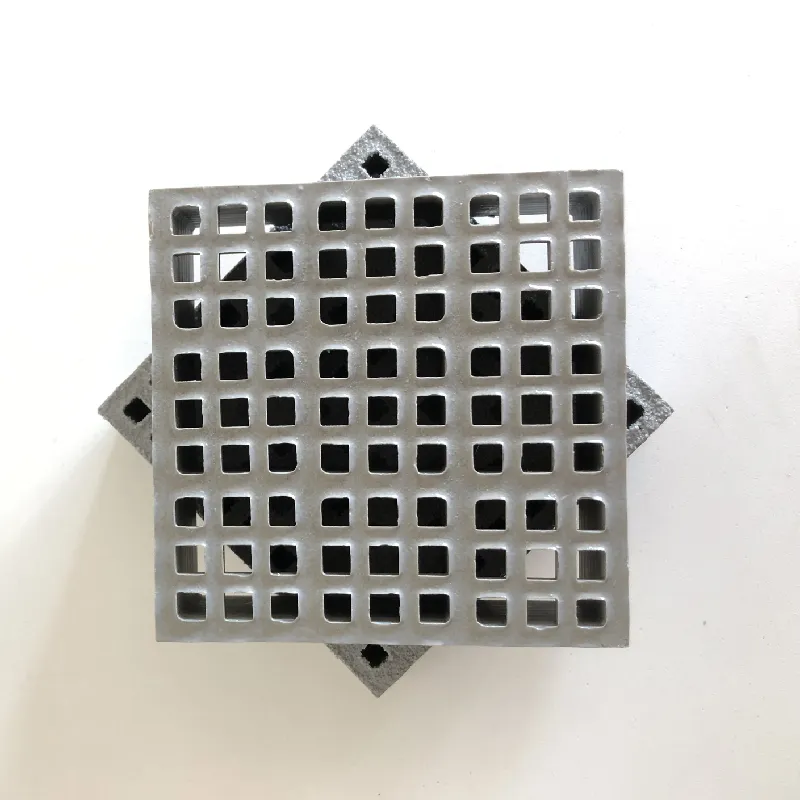
Micro mesh grating is characterized by its small mesh opening, typically less than 19mm x 19mm, often reaching as small as 8mm x 8mm or 10mm x 10mm. This reduced opening size not only enhances safety by preventing small tools or objects from falling through but also provides a more comfortable walking surface, particularly for individuals in high heels or with wheeled equipment. The primary materials consist of high-quality thermosetting resins (e.g., Isophthalic, Vinyl Ester, Phenolic) reinforced with continuous fiberglass strands.
Material Composition and Performance Benchmarks
The composite structure of micro mesh grating comprises a matrix of premium resins and reinforcing fiberglass. The resin system (e.g., Isophthalic, Vinyl Ester) is paramount, dictating the grating's chemical resistance, temperature performance, and UV stability. For highly corrosive environments, Vinyl Ester resin is specified due to its superior resistance to acids, alkalis, and solvents. Isophthalic resin offers a good balance of cost and performance for general industrial applications, while Phenolic resin is selected for its exceptional fire-retardant properties and low smoke emission.
Reinforcement comes from continuous rovings of E-glass fibers, strategically placed to maximize load-bearing capacity in both primary and secondary directions. This bidirectional strength is a key advantage of molded FRP grating, providing robust performance even under complex loading conditions. The manufacturing process ensures a high glass-to-resin ratio, optimizing mechanical properties such as flexural strength, tensile strength, and impact resistance.
Performance benchmarks for micro mesh grating often include deflection under load (e.g., less than L/200 for pedestrian loads), ultimate load capacity, and coefficient of friction for slip resistance. These are rigorously tested to international standards, ensuring the grating performs reliably and safely throughout its extended service life.
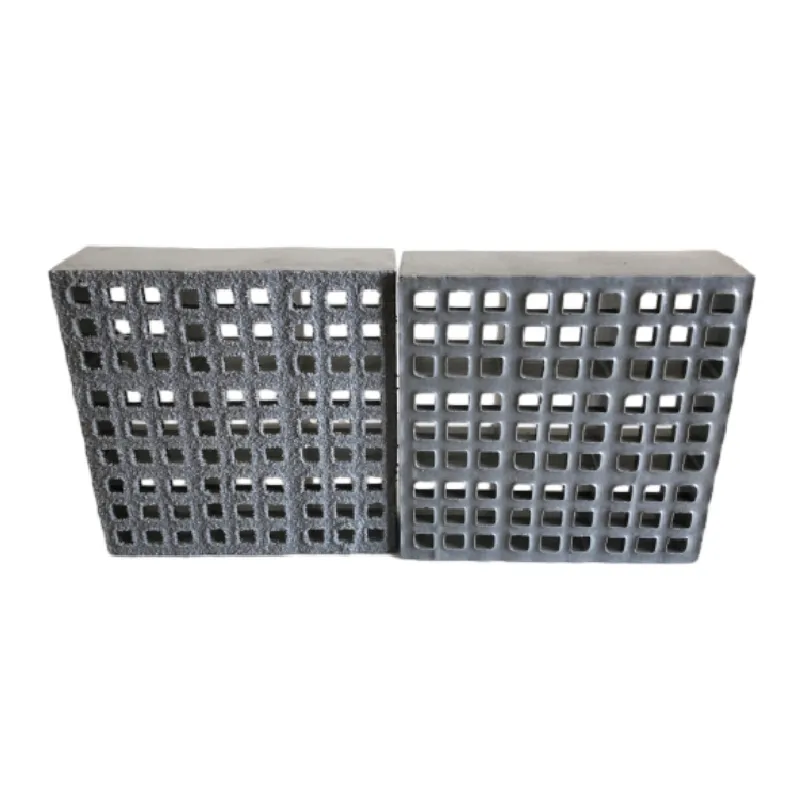
3. The Manufacturing Process of Micro Mesh Grating
The superior characteristics of FRP micro mesh grating are a direct result of a highly controlled and sophisticated manufacturing process, primarily utilizing a molded technique. This ensures consistent quality, precise dimensions, and optimal structural integrity. Unlike metallic gratings that involve welding or forging, FRP grating relies on polymerization and curing.
Process Flow Diagram (HTML Representation)
Step 1: Raw Material Preparation
Selection of high-grade resins (Isophthalic, Vinyl Ester, Phenolic) and continuous fiberglass rovings. Pigments and additives (UV inhibitors, fire retardants) are also prepared.
Step 2: Mold Preparation
Steel molds, pre-designed for specific micro mesh configurations and panel dimensions, are cleaned and treated with a release agent to prevent adhesion.
Step 3: Lay-up and Wetting
Continuous fiberglass rovings are carefully laid into the mold, forming a bidirectional reinforcement grid. The liquid resin mixture (resin, catalyst, inhibitors) is then poured over the fibers, thoroughly wetting and encapsulating them.
Step 4: Curing (Polymerization)
The filled mold is heated to a specific temperature, initiating the chemical reaction that cures the resin. This polymerization process transforms the liquid resin into a solid, rigid thermoset plastic, binding the fiberglass fibers securely.
Step 5: Demolding and Post-Curing
Once cured, the solid grating panel is demolded. Some gratings may undergo post-curing at elevated temperatures to enhance mechanical properties and chemical resistance further.
Step 6: Finishing and Quality Control
Panels are trimmed to exact dimensions. A non-slip surface (e.g., quartz grit) is often applied. Each panel undergoes rigorous quality checks for dimensions, surface finish, structural integrity, and conformance to specified standards.
Quality Assurance and Certification Standards
To ensure the highest level of performance and safety, micro mesh grating manufacturing adheres to stringent international testing and quality standards. Key certifications and standards include:
- ✓ ISO 9001:2015: Quality Management Systems, ensuring consistent product quality and customer satisfaction through well-defined processes.
- ✓ ASTM E-84: Standard Test Method for Surface Burning Characteristics of Building Materials, critical for fire safety ratings (Class 1 typically for FRP grating).
- ✓ ANSI/NAAMM MBG 531: Standards for FRP Grating, providing guidelines for design, manufacturing, and performance.
- ✓ OSHA & ADA Compliance: Ensures grating meets workplace safety and accessibility requirements, particularly regarding slip resistance and open area.
- ✓ EN ISO 14122-3: Safety of machinery — Permanent means of access to machinery — Part 3: Stairs, stepladders and guard-rails, relevant for industrial platforms and walkways.
These certifications validate the durability, structural integrity, and safety features of FRP micro mesh grating, offering peace of mind to engineers and procurement managers. Reputable FRP grating suppliers will provide detailed documentation and test reports to verify compliance with these standards.
4. Application Scenarios and Technical Advantages of Micro Mesh Grating
The unique properties of micro mesh grating make it an ideal material for a diverse range of challenging applications where traditional materials fail to meet performance or safety requirements. Its blend of chemical resistance, high strength-to-weight ratio, and enhanced safety features offer significant technical advantages.
Target Industries and Benefits
- ● Petrochemical & Chemical Processing: Unmatched corrosion resistance to acids, alkalis, and solvents. Ideal for walkways, platforms, trench covers, and sumps where chemical spills are common. Reduces maintenance costs and ensures worker safety.
- ● Water Treatment Plants & Marine: Resistant to water, saltwater, and chlorine. Used for clarifier walkways, filter media support, access platforms, and dock structures. Non-conductive properties enhance safety in wet environments.
- ● Food & Beverage: Hygienic, easy to clean, and non-corrosive. Perfect for wash-down areas, processing platforms, and drainage covers. Some resins are FDA-compliant for direct food contact applications.
- ● Metallurgy & Mining: Withstands harsh conditions, including abrasive dust, moisture, and chemical exposure. Utilized for stair treads, catwalks, and observation platforms. Its non-magnetic properties are also beneficial in certain operations.
- ● Oil & Gas (Onshore & Offshore): Critical for platforms, mezzanines, and trench covers on rigs and refineries due to excellent corrosion resistance to hydrocarbons and saline environments. The fine mesh prevents dropped tools and provides a safer footing.
- ● Architectural & Commercial: Aesthetically pleasing and durable for pedestrian bridge decking, tree grates, and decorative elements. The small mesh provides an upscale finish and greater comfort.
Comparative Advantages Over Traditional Materials
When compared to traditional materials like galvanized steel, stainless steel, or aluminum, micro mesh grating offers a compelling suite of advantages:
- ● Corrosion Resistance: FRP grating will not rust, pit, or corrode, even in highly aggressive chemical or saltwater environments, unlike steel. This translates to significantly longer service life and minimal maintenance.
- ● Lightweight: Typically one-quarter the weight of steel grating, making it easier and safer to handle and install. This reduces labor costs, transportation expenses, and the structural load on supporting structures.
- ● High Strength-to-Weight Ratio: Despite its light weight, FRP grating offers exceptional strength and load-bearing capacity, often exceeding that of steel in specific applications.
- ● Enhanced Safety: The inherent slip resistance (often with grit top surfaces) reduces accidents. Its non-conductive nature prevents electrical shock, and non-magnetic properties are crucial in sensitive areas. The small mesh prevents tools and personnel from falling through.
- ● Low Maintenance: Does not require painting or sandblasting, significantly reducing long-term maintenance costs and operational downtime.
- ● Dimensional Stability: Maintains its shape and size under varying temperatures and moisture levels, unlike some plastics.
- ● Fire Retardancy: Specific resin formulations offer excellent fire resistance, meeting stringent industry standards (e.g., ASTM E-84 Class 1).
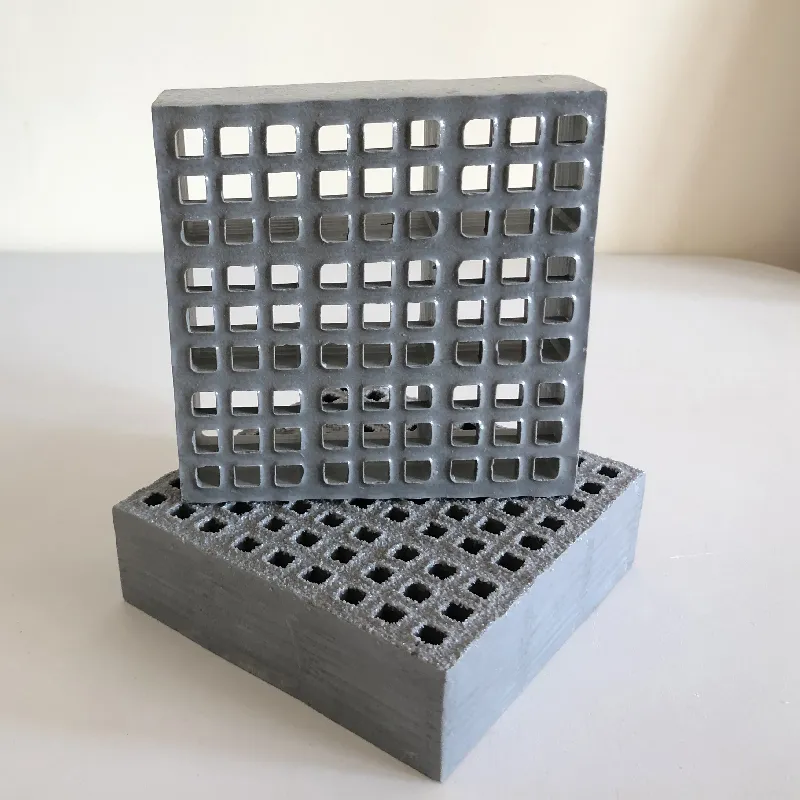
These advantages directly translate into energy savings through reduced material replacement, enhanced operational safety, and a significantly lower total cost of ownership over the product's extended service life.
5. Vendor Comparison: Choosing the Right FRP Grating Suppliers
Selecting the right frp grating suppliers is a critical decision that impacts project success, product longevity, and overall cost-efficiency. While many suppliers offer FRP grating, discerning the best fit requires a thorough evaluation of various factors beyond just price. Here, we compare typical attributes of different supplier tiers and provide criteria for an informed choice.
Comparison of FRP Grating Suppliers
Key Criteria for Supplier Evaluation
When evaluating frp grating suppliers for your project, especially for specialized frp grating like micro mesh, consider the following:
- ● Experience and Reputation: Look for suppliers with a proven track record in your specific industry. Years in business and verifiable case studies are indicators of reliability.
- ● Product Range and Customization: Does the supplier offer a wide range of resin systems, panel sizes, and surface finishes? Can they provide customized solutions to meet unique project requirements?
- ● Quality Control and Certifications: Verify their adherence to international standards (e.g., ISO, ASTM). Request test data, material safety data sheets (MSDS), and certifications for specific product batches.
- ● Technical Support and Engineering: Access to knowledgeable engineers who can assist with design, load calculations, and material selection is invaluable.
- ● Logistics and Delivery: Evaluate their capability to deliver on time, especially for large-scale or international projects. Proximity to manufacturing facilities or distribution centers can impact lead times and shipping costs.
- ● Warranty and After-Sales Service: Understand the warranty terms and the level of support provided after purchase. A strong warranty reflects confidence in their product.
By diligently assessing these factors, decision-makers can partner with a supplier that not only provides high-quality frp grating but also offers comprehensive support, ensuring project success and long-term satisfaction.
6. Customized Solutions and Application Case Studies
The versatility of frp grating, particularly micro mesh, extends beyond standard off-the-shelf products. Many complex industrial applications demand tailored solutions that address specific environmental, structural, or operational challenges. Reputable frp grating suppliers excel in providing such customization, leveraging their engineering expertise to deliver optimal performance.
Tailored Micro Mesh Grating Solutions
Customization for micro mesh grating can involve several aspects:
- ● Specific Resin Systems: Selecting highly specialized resins for extreme chemical resistance (e.g., specific concentrations of acids or alkalis) or high-temperature environments.
- ● Custom Panel Sizes and Shapes: Manufacturing panels to exact dimensions or cutting intricate shapes to fit around pipes, equipment, or non-standard architectural designs, minimizing on-site fabrication.
- ● Integrated Features: Incorporating lifting points, custom fasteners, or pre-drilled holes for rapid installation.
- ● Surface Finishes: Beyond standard grit tops, options include concave surfaces for less aggressive anti-slip, or smooth surfaces for specific hygienic applications.
- ● Color Matching: Custom pigments to match corporate branding or to signify specific hazard zones, improving safety and aesthetics.
Such customization ensures that the micro mesh grating seamlessly integrates into existing infrastructure while delivering peak performance tailored to the application's unique demands.
Real-World Success Stories
Experience the tangible benefits of frp grating through these compelling application case studies:
Case Study 1: Wastewater Treatment Plant - Clarifier Walkways
Challenge: A municipal wastewater treatment plant faced severe corrosion of its galvanized steel clarifier walkways due to constant exposure to moisture, chemicals (chlorine, hydrogen sulfide), and UV radiation. The steel grating required frequent replacement, leading to high maintenance costs and operational downtime, coupled with safety concerns due to slippery surfaces.
Solution: The plant transitioned to Vinyl Ester micro mesh grating with a grit top surface. The small mesh opening provided enhanced safety for workers and prevented small tools from falling into the clarifiers. The custom-cut panels precisely fitted around existing infrastructure, minimizing installation time.
Outcome: Over 10 years, the FRP grating has shown no signs of corrosion, requiring only routine cleaning. Worker safety improved significantly due to the superior slip resistance. The initial investment, though higher than steel, resulted in a 70% reduction in lifetime maintenance and replacement costs, demonstrating a clear return on investment (ROI).
Case Study 2: Offshore Oil & Gas Platform - Decking & Catwalks
Challenge: An offshore drilling platform needed durable, lightweight, and extremely corrosion-resistant decking and catwalks. Steel grating was proving too heavy, contributing to structural load, and succumbed rapidly to the corrosive marine environment (saltwater, hydrocarbons). Dropped objects were a constant safety hazard.
Solution: The platform engineered a comprehensive replacement plan using high-strength Vinyl Ester micro mesh grating. The lightweight nature of FRP significantly reduced the overall deck load, while its inherent corrosion resistance ensured long-term integrity in the harsh offshore conditions. The micro mesh design virtually eliminated the risk of small tools or equipment falling through the grating.
Outcome: The new FRP micro mesh decking reduced the platform's top-side weight by approximately 25%, enhancing stability and reducing stress on the substructure. Safety incidents related to dropped objects were drastically cut, and maintenance requirements for the grating were reduced to almost zero, leading to substantial operational cost savings and improved safety compliance.
7. Trust and Support: FAQs, Lead Times, and Warranty
Building trust with B2B clients requires transparency, clear communication, and robust support systems. For critical infrastructure components like frp grating, understanding a supplier's commitments to quality, delivery, and post-sales service is paramount.
Frequently Asked Questions (FAQs)
Q1: What is the typical service life of micro mesh grating?
A1: Under normal operating conditions and proper installation, FRP frp grating can have a service life of 20-25 years or more. This is significantly longer than metallic gratings in corrosive environments, which may require replacement every 5-10 years.
Q2: Can FRP frp grating be cut or modified on-site?
A2: Yes, FRP grating can be cut using standard power tools equipped with diamond-tipped blades. It's crucial to wear appropriate PPE (dust mask, eye protection) to prevent inhaling fiberglass dust. Edges should be sealed with resin to maintain corrosion resistance.
Q3: Is micro mesh grating suitable for heavy vehicle traffic?
A3: While FRP grating can withstand heavy loads, suitability for vehicle traffic depends on the specific panel thickness, resin system, and support structure. For sustained heavy vehicle traffic, specialized heavy-duty FRP grating designs (e.g., thicker panels, closer supports) or alternative materials might be recommended after engineering review.
Q4: How does FRP frp grating compare in cost to steel?
A4: Initial purchase cost for FRP grating can be higher than galvanized steel, but it is often comparable to or less than stainless steel. However, when considering the Total Cost of Ownership (TCO), FRP grating offers significant savings due to its extended service life, minimal maintenance requirements, and reduced installation costs (due to lighter weight).
Q5: What are the primary safety features of micro mesh grating?
A5: Key safety features include superior slip resistance (grit top surface), non-conductive properties (eliminating electrical shock hazards), and the small mesh opening which prevents tools, small objects, and even fingers/toes from falling through. It also meets ADA requirements for walking surfaces.
Lead Time and Fulfillment
Lead times for micro mesh grating can vary based on quantity, customization requirements, and current production schedules. Standard stock panels typically have a lead time of 2-4 weeks. For custom sizes, colors, or specialized resin systems, lead times may extend to 6-10 weeks, depending on complexity and material sourcing. Reputable frp grating suppliers will provide accurate lead time estimates at the quoting stage and maintain proactive communication throughout the order fulfillment process. Expedited options may be available for urgent projects, subject to additional costs.
Warranty and After-Sales Support
A comprehensive warranty is a cornerstone of trustworthiness. Leading manufacturers of frp grating typically offer a warranty period of 5 to 10 years, covering manufacturing defects and material integrity under specified conditions. This demonstrates confidence in their product's durability and performance. Beyond the warranty, reliable suppliers provide robust after-sales support, including technical assistance for installation, maintenance advice, and troubleshooting. Dedicated customer service teams are available to address any post-purchase inquiries, ensuring long-term satisfaction and optimal performance of the installed micro mesh grating.
Our commitment extends to providing not just a product, but a complete solution backed by expert guidance and unwavering support, ensuring your investment in FRP grating yields lasting value.
8. Conclusion: The Future of Micro Mesh Grating
The trajectory for micro mesh grating is one of continued growth and expanding applications. As industries face increasing pressure to enhance safety, reduce environmental impact, and optimize operational costs, the unique combination of properties offered by advanced composite gratings will solidify their position as the material of choice. Innovations in smart composites, enhanced fire resistance, and superior chemical compatibility will further broaden the scope of FRP applications, pushing beyond traditional industrial settings into architectural, recreational, and even public infrastructure projects. For decision-makers and engineers seeking reliable, long-lasting, and high-performance solutions for corrosive, challenging, or safety-critical environments, micro mesh grating represents a forward-thinking investment that delivers substantial long-term value and operational excellence.
References
- CompositesWorld. "Global FRP Grating Market Projected to Grow by 6% CAGR." March 2023.
- American Society for Testing and Materials (ASTM International). "ASTM E-84: Standard Test Method for Surface Burning Characteristics of Building Materials." Latest Edition.
- National Association of Architectural Metal Manufacturers (NAAMM). "Fiberglass Grating Manual (MBG 531)." Latest Edition.
- Occupational Safety and Health Administration (OSHA). "Walking-Working Surfaces Standards." 29 CFR 1910 Subpart D.
- International Organization for Standardization (ISO). "ISO 9001:2015 Quality management systems – Requirements." 2015.
- European Committee for Standardization (CEN). "EN ISO 14122-3: Safety of machinery — Permanent means of access to machinery — Part 3: Stairs, stepladders and guard-rails." 2016.
-
High Quality Fiberglass Rods for Electric Fence Insulation GuideNewsApr.16,2026
-
Benefits and Guide of Installing a White Fiberglass FenceNewsApr.09,2026
-
Choosing the Right Fibreglass Fence for Property Enhancement and LongevityNewsApr.07,2026
-
Comprehensive Guide to Durable Fiberglass Fence Rods and Their ApplicationsNewsMar.31,2026
-
Comprehensive Guide to Durable Fiberglass Fence Post Solutions for Various ApplicationsNewsMar.28,2026
-
Comprehensive Guide to Fiberglass Fencing Benefits and ApplicationsNewsMar.26,2026
-
Comprehensive Guide to Choosing the Right Safety Guard System for Industrial ProtectionNewsMar.24,2026