
loading...
- No. 9, Xingyuan South Street, Dongwaihuan Road, Zaoqiang County, Hengshui, Hebei, China
- admin@zjcomposites.com
- +86 15097380338
- Welcome to visit our website!

SMC Panel Tank: Durable, Modular & Hygienic Water Storage
The Evolution and Importance of SMC Panel Tanks in Modern Infrastructure
In an era demanding robust, hygienic, and long-lasting water storage solutions, the smc panel tank stands out as a superior choice. Sheet Moulding Compound (SMC) technology has revolutionized water storage, offering significant advantages over traditional materials like concrete or steel. These tanks, often referred to as sectional tanks due to their modular design, are engineered for diverse applications, from potable water supply to industrial fluid containment. Their emergence reflects a global trend towards materials that offer enhanced durability, reduced maintenance, and superior resistance to environmental factors.
The demand for advanced water storage is propelled by rapid urbanization, industrial expansion, and the increasing need for resilient infrastructure capable of withstanding extreme weather events. Key industry trends indicate a growing preference for lightweight, corrosion-resistant, and hygienically certified storage solutions. Furthermore, the modular nature of SMC panel tanks facilitates easier transport and installation, particularly in remote or challenging locations, significantly reducing overall project timelines and costs, impacting the overall smc panel tank price competitiveness. The global market for composite water tanks is projected to grow steadily, driven by these factors and stringent health and safety regulations requiring cleaner water storage.
Detailed Manufacturing Process of SMC Panel Tanks
The manufacturing of a SMC panel tank is a sophisticated process, leveraging advanced composite technology to ensure superior performance and longevity. Unlike conventional manufacturing methods involving welding or extensive fabrication, SMC production relies on precise material formulation and controlled compression moulding.
Key Stages of Production:
- SMC Sheet Preparation: This critical first step involves impregnating chopped glass fibers (typically 25-35% by weight) with a thermosetting resin (e.g., unsaturated polyester), fillers (e.g., calcium carbonate), catalysts, mold release agents, and thickeners. The mixture is then compressed between two polyethylene carrier films to form a sheet, which undergoes a maturation period to achieve the desired viscosity and tackiness. This composite material is the heart of the SMC panel tank.
- Compression Moulding: Pre-cut SMC sheets are strategically placed into heated, highly polished steel molds. These molds are precisely designed for various panel sizes and internal rib structures. Under immense pressure (typically 5-10 MPa) and elevated temperatures (130-160°C), the resin flows, encapsulates the fibers, and cures rapidly, forming a dense, void-free panel with excellent surface finish. This method ensures consistent thickness and strength across the entire panel.
- Curing and Demoulding: The curing process, often lasting only a few minutes, chemically cross-links the resin, transforming the plastic sheet into a rigid, durable composite. Once cured, the panels are demoulded, exhibiting high dimensional stability.
- Trimming and Finishing: Excess material (flash) is removed, and edges are precisely trimmed. Holes for bolts, manholes, and pipe connections are drilled with CNC precision, ensuring accurate alignment during assembly.
- Quality Control and Testing: Each panel undergoes rigorous quality checks. This includes visual inspection for surface defects, dimensional checks, and material property tests (e.g., Barcol hardness, flexural strength, tensile strength according to ASTM D790, ASTM D638). Water tightness and structural integrity are verified, often meeting international standards such as ISO 9001 for manufacturing quality, and NSF/ANSI 61 for potable water contact.
- Assembly: The finished panels, along with internal and external steel reinforcements, sealants, and accessories, are prepared for modular assembly on-site. This modularity is a hallmark of sectional tanks.
This meticulous process results in a product with an expected service life exceeding 25-30 years, significantly longer than many traditional materials.
Target Industries and Advantages:
- Petrochemical: Corrosion resistance against aggressive chemicals and resistance to extreme temperatures.
- Metallurgy: Robustness for process water and industrial effluent storage.
- Water Supply & Drainage: Superior hygiene, non-toxicity, and resistance to algal growth for potable water, meeting standards like WRAS or FDA.
- Fire Fighting: Reliable, large-volume storage for emergency water supplies, offering excellent seismic performance.
- Agriculture: Durable, weather-resistant storage for irrigation and livestock, often a key factor in smc panel tank price calculation for rural projects.
In typical application scenarios, SMC panel tanks offer significant energy savings through their inherent insulation properties, reducing thermal transfer compared to metal tanks. Their non-corrosive nature eliminates the need for cathodic protection or extensive internal coatings, further reducing maintenance and operational costs.
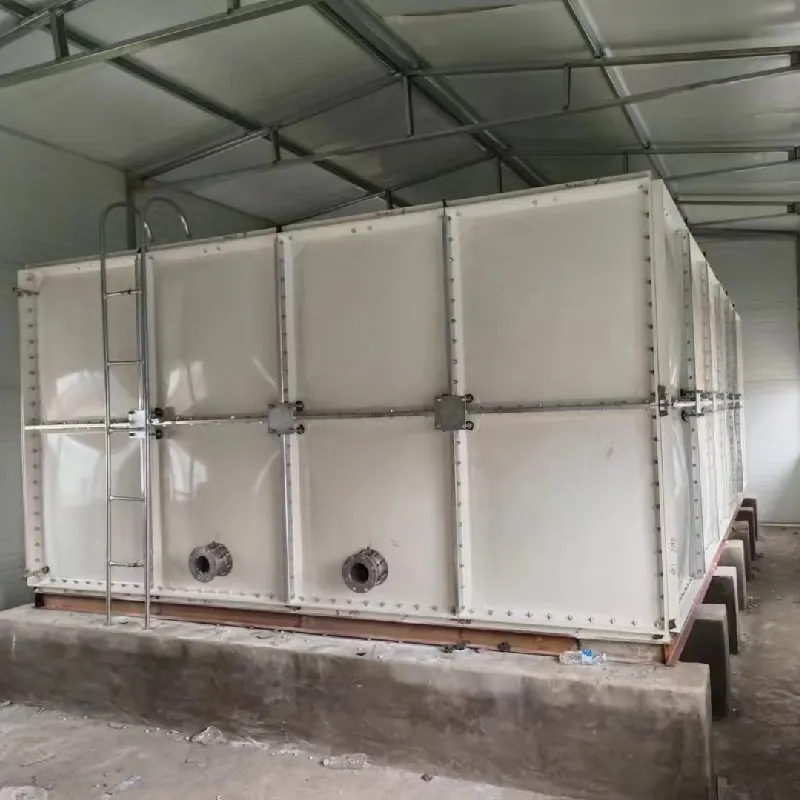
Technical Specifications and Performance Parameters
The robust performance of a SMC panel tank is underpinned by its meticulously engineered technical specifications. These parameters dictate the tank's suitability for various demanding environments and applications.
Key Material and Panel Properties:
- Material Composition: Sheet Moulding Compound (SMC), comprising unsaturated polyester resin, fiberglass reinforcement, low-shrinkage additives, fillers, and pigments.
- Panel Dimensions: Standard sizes typically range from 1m x 1m, 1m x 0.5m, to 0.5m x 0.5m, allowing for highly customizable tank volumes and configurations.
- Panel Thickness: Varies based on tank height and structural load, usually from 5mm to 20mm, with thicker panels used for the bottom and lower side walls.
- Flexural Strength (ASTM D790): Typically > 140 MPa, indicating excellent resistance to bending and deformation under load.
- Tensile Strength (ASTM D638): Often > 70 MPa, reflecting the material's ability to withstand pulling forces without breaking.
- Barcol Hardness (ASTM D2583): Generally > 50, signifying high surface hardness and scratch resistance.
- Fiberglass Content: 25-35% for optimal strength-to-weight ratio.
- Operating Temperature Range: -30°C to +70°C, suitable for a wide array of climatic conditions.
- Thermal Conductivity: Approximately 0.23 W/m·K, providing natural insulation properties that help maintain water temperature and reduce energy consumption.
- UV Resistance: Incorporated UV stabilizers and protective gel coats ensure long-term resistance to sunlight degradation.
- Water Absorption (ASTM D570): Less than 0.2%, indicating minimal water uptake and excellent dimensional stability.
Typical Product Specification Table for a Standard SMC Panel Tank
Application Scenarios and Real-World Case Studies
The versatility and inherent advantages of SMC panel tanks make them ideal for a broad spectrum of applications across various industries. Their modular nature allows for custom configurations to suit specific site requirements and capacities, from small commercial installations to vast municipal reservoirs.
Key Application Areas:
- Potable Water Storage: Municipal water supply systems, residential complexes, hospitals, schools, and commercial buildings require hygienic storage of drinking water. SMC tanks with NSF/ANSI 61 or WRAS certifications ensure water quality.
- Industrial Process Water: Factories, power plants, and manufacturing facilities use SMC tanks for storing cooling water, treated wastewater, and various process fluids that may be corrosive to metal tanks.
- Fire Suppression Systems: Large volumes of water are critical for fire protection. SMC tanks provide reliable, seismic-resistant storage for sprinkler systems and hydrants in industrial parks, data centers, and high-rise buildings.
- Agriculture and Irrigation: For farms and agricultural projects, these tanks offer durable and maintenance-free storage for irrigation water, rainwater harvesting, and animal husbandry.
- Rainwater Harvesting: Eco-conscious projects and areas with water scarcity utilize sectional tanks for efficient collection and storage of rainwater for non-potable uses.
- Chemical Storage: With appropriate resin formulations, SMC tanks can store a range of mild chemicals, offering a cost-effective alternative to specialized tanks.
Illustrative Case Studies:
Case Study 1: Municipal Water Supply Expansion, Southeast Asia
A rapidly developing urban center faced challenges with an aging concrete reservoir system prone to leakage and contamination. The municipality opted for three 1,000 cubic meter SMC panel tanks. The modular design enabled quick installation (within 4 weeks per tank, including foundation work), minimizing disruption to water supply. Post-installation feedback highlighted improved water quality, significantly lower maintenance costs due to the material's non-corrosive and anti-algal properties, and excellent seismic performance validated during minor tremors. The client reported a 30% reduction in operational expenditures compared to their previous infrastructure.
Case Study 2: Industrial Cooling Water Storage, European Manufacturing Plant
A large automotive manufacturing plant required a reliable, leak-proof storage solution for its closed-loop cooling system. Traditional steel tanks suffered from internal corrosion due to the treated water's chemical composition. Two 500 cubic meter sectional tanks were installed. The SMC material's superior chemical resistance prevented corrosion, ensuring consistent water quality for the cooling process and extending equipment lifespan. The plant manager noted a significant decrease in scheduled maintenance for the tanks, contributing to higher operational uptime.
Case Study 3: Remote Community Potable Water, Sub-Saharan Africa
In a remote, off-grid community, transport and installation logistics were major hurdles for water infrastructure. A compact 100 cubic meter SMC panel tank was chosen. Its ability to be shipped as disassembled panels and assembled on-site by a small, trained team proved invaluable. The tank now provides a consistent, clean water source, meeting WHO guidelines for potable water storage, drastically improving public health outcomes. The community praised the tank's ease of maintenance and long-term reliability in harsh environmental conditions.
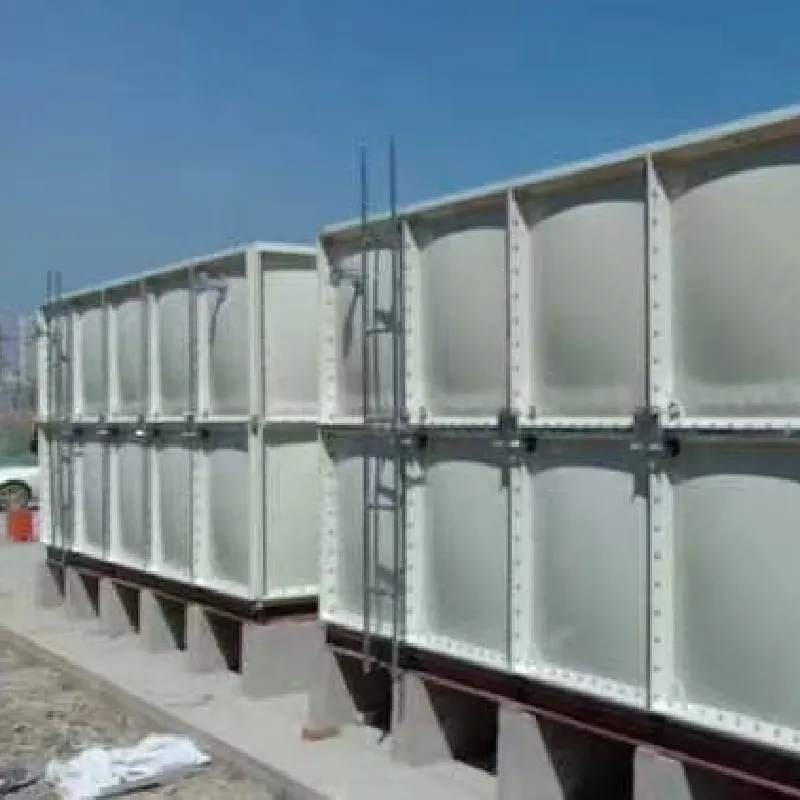
Technical Advantages of SMC Panel Tanks
The technical prowess of SMC panel tanks stems from the unique properties of their composite material and modular design, offering compelling advantages over traditional water storage solutions.
- Superior Corrosion Resistance: Unlike steel tanks, SMC does not corrode, rust, or degrade when exposed to water, chemicals, or various environmental conditions. This eliminates the need for expensive internal coatings, cathodic protection, or frequent repainting, significantly reducing long-term maintenance costs and extending the tank's operational life.
- Exceptional Hygiene and Water Quality Preservation: The smooth, non-porous surface of SMC panels inhibits bacterial growth, algae formation, and biofilm accumulation. When certified to standards like NSF/ANSI 61 or WRAS, they are ideal for potable water, ensuring that stored water remains clean and safe for consumption. This non-leaching property is critical for public health.
- High Structural Integrity and Seismic Performance: The compression-molded panels, combined with internal and external bracing, create a robust structure capable of withstanding significant hydrostatic pressure and external forces. Their inherent flexibility and lighter weight compared to concrete provide superior seismic resistance, making them suitable for earthquake-prone regions.
- Modular Design for Easy Transport and Rapid Installation: The modular 'bolt-together' panel system of sectional tanks allows for easy transportation to challenging sites, even through narrow access points. On-site assembly is faster and requires less heavy machinery than pre-fabricated tanks, translating into reduced project timelines and lower installation costs, which directly influences the overall smc panel tank price.
- Excellent Thermal Insulation: SMC material possesses low thermal conductivity, offering natural insulation. This helps maintain stable water temperatures, reducing heat gain in hot climates and heat loss in cold climates, which can lead to energy savings, especially for chilled water or heated water applications.
- UV and Weather Resistance: Integrated UV stabilizers and specialized gel coats ensure the panels retain their physical properties and aesthetic appeal even after prolonged exposure to harsh sunlight and outdoor weather conditions, providing a long service life without degradation.
- Low Maintenance and Durability: The robust construction and material properties lead to minimal maintenance requirements over the tank's extensive lifespan (25+ years). Periodic cleaning and routine inspection of seals are typically sufficient, significantly reducing operational burdens.
Vendor Comparison and Customized Solutions
Selecting the right supplier for a SMC panel tank is as crucial as understanding the product itself. The market offers various vendors, each with unique strengths. A discerning buyer must evaluate not only the smc panel tank price but also the quality, certifications, customization capabilities, and after-sales support.
Key Factors for Vendor Selection:
- Material Quality: Verification of resin type, fiberglass content, and additives used in SMC panels.
- Certifications: Adherence to international standards (ISO 9001, ISO 14001) and product-specific certifications (NSF/ANSI 61, WRAS, FDA compliance for potable water).
- Manufacturing Process: Use of advanced compression molding equipment and stringent quality control protocols.
- Engineering and Design Capability: Ability to provide detailed structural analysis, seismic calculations, and custom designs.
- Customer Support: Pre-sales consultation, technical assistance, installation guidance, and post-sales service.
- Warranty and Lead Time: Comprehensive warranty policies and reliable delivery schedules.
Comparative Analysis of SMC Panel Tank Features (Illustrative)
Customized Solutions:
Leading manufacturers of SMC panel tanks recognize that every project has unique demands. Customization extends beyond merely selecting standard panel sizes to achieve a specific volume.
- Tailored Dimensions: Tanks can be designed with specific height, width, and length dimensions to fit restrictive spaces or maximize available footprint.
- Internal Divisions: For applications requiring separate storage of different liquids or maintaining specific water levels, internal baffle walls can be integrated.
- Insulation: For applications demanding strict temperature control, tanks can be provided with external insulation layers in addition to the inherent insulating properties of SMC.
- Accessory Integration: Customization includes the placement and type of nozzles, manholes, ladders (internal/external), level indicators, overflow pipes, and anti-vortex fittings to meet specific operational requirements.
- Specific Chemical Resistance: For certain industrial applications, specialized resin formulations can be used in the SMC panels to enhance resistance against specific chemical compounds.
- Foundation Design: Assistance with designing the optimal concrete or steel substructure to support the tank, considering seismic loads and soil conditions.
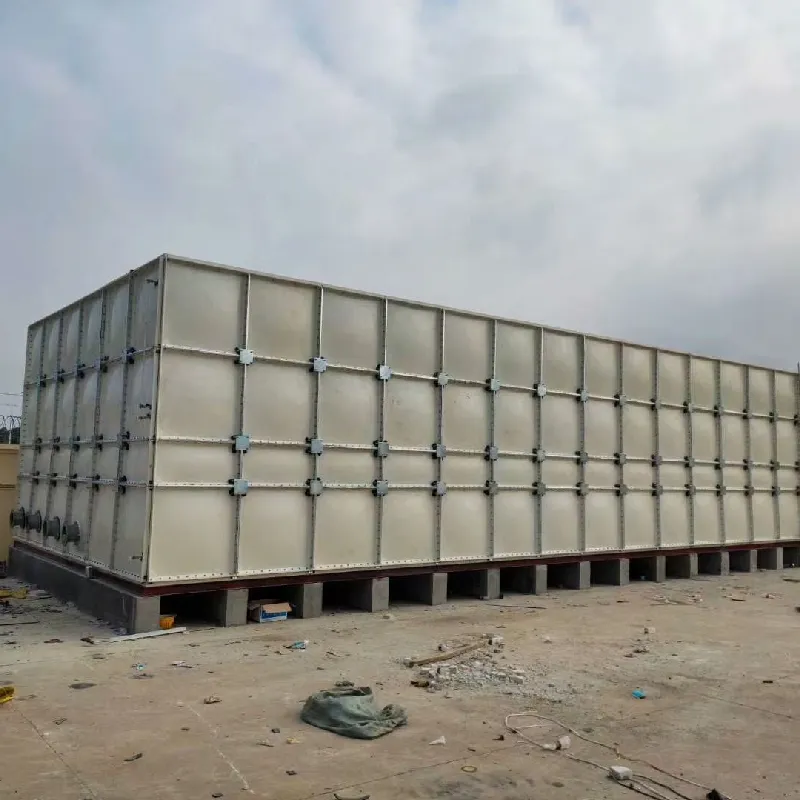
Ensuring Trust: Certifications, Warranty, and Support
For B2B decision-makers, trust is paramount. A reputable supplier of SMC panel tanks demonstrates trustworthiness through adherence to international standards, transparent warranty policies, efficient lead times, and robust customer support.
Authoritative Certifications & Compliance:
- ISO 9001:2015: Certifies a robust Quality Management System throughout design, production, installation, and servicing.
- NSF/ANSI 61: Critical for potable water applications, ensuring the tank materials do not leach harmful contaminants into drinking water.
- WRAS (Water Regulations Advisory Scheme): UK-specific approval for water fittings, indicating compliance with water supply regulations.
- FDA (Food and Drug Administration) Compliance: Relevant for tanks used in food processing or pharmaceutical industries, ensuring material safety for contact with consumables.
- AS/NZS 4020: Australian and New Zealand standard for products in contact with drinking water.
- Fire Resistance Ratings: Depending on specific project requirements, panels may be tested for fire retardancy.
These certifications are not merely badges; they represent rigorous testing and adherence to global best practices, providing concrete assurance of product quality and safety.
Warranty Commitments:
A comprehensive warranty is a cornerstone of reliability. Reputable manufacturers typically offer a 10-25 year warranty on SMC panel tank integrity, guaranteeing against manufacturing defects and material failures under normal operating conditions. This typically covers panel delamination, excessive deformation, and leaks not caused by improper installation or external damage. Specific terms should be reviewed, including coverage for accessories (e.g., bolts, sealants, ladders), which may have shorter warranty periods.
Lead Time and Fulfillment:
Efficient project execution depends on predictable lead times. For standard SMC panel tanks, lead times typically range from 3 to 8 weeks, depending on tank volume, customization, and current production schedules. Complex or very large projects may require longer. Transparent communication regarding production progress, shipping logistics, and estimated delivery dates is a hallmark of a reliable vendor. Companies often provide a detailed fulfillment plan, outlining each stage from order confirmation to final delivery and installation support.
Customer Support and After-Sales Service:
Beyond product delivery, exceptional customer support ensures long-term satisfaction.
- Technical Assistance: Availability of experienced engineers for design consultation, structural analysis, and site-specific recommendations.
- Installation Guidance: Provision of detailed manuals, video tutorials, and, for complex projects, on-site supervision or training for local installation teams.
- Spare Parts Availability: Ensuring readily available replacement parts for gaskets, bolts, and other accessories throughout the tank's lifespan.
- Responsive Communication: Dedicated account managers and prompt response to inquiries, technical issues, or warranty claims.
A strong commitment to these elements transforms a supplier into a trusted partner, ensuring peace of mind for clients investing in critical water infrastructure.
Frequently Asked Questions (FAQ) about SMC Panel Tanks
- Q1: What exactly is an SMC panel tank?
- An SMC panel tank is a modular water storage tank constructed from Sheet Moulding Compound (SMC) panels. SMC is a high-strength composite material made from thermosetting resin, fiberglass, and fillers, manufactured via hot compression molding. These panels are bolted together on-site to form a watertight tank.
- Q2: What are the main advantages of SMC tanks over steel or concrete tanks?
- SMC tanks offer superior corrosion resistance, excellent hygiene (inhibiting algae/bacterial growth), lightweight design for easier transport and installation, modularity for custom sizing, better thermal insulation, and a significantly longer service life with minimal maintenance compared to steel or concrete.
- Q3: Are SMC tanks suitable for drinking water?
- Yes, many SMC panel tanks are specifically designed and certified for potable water storage. Look for certifications such as NSF/ANSI 61, WRAS, or FDA compliance, which ensure the materials do not leach harmful substances into the water.
- Q4: How does the smc panel tank price compare to other tank types?
- While the initial smc panel tank price might be comparable to or slightly higher than some traditional options, their lower installation costs (due to modularity and lightweight), minimal maintenance requirements, and extended lifespan often result in a significantly lower total cost of ownership (TCO) over 25+ years.
- Q5: Can SMC tanks be customized for specific dimensions or applications?
- Absolutely. The modular 'sectional tank' design allows for extensive customization in terms of length, width, and height. They can also be fitted with various accessories like internal partitions, special nozzles, insulation, and specific chemical-resistant resin formulations for industrial applications.
- Q6: What is the typical service life of an SMC panel tank?
- With proper installation and minimal maintenance, a high-quality SMC panel tank is designed to have a service life of 25 to 30 years or more.
- Q7: What kind of maintenance do SMC tanks require?
- Maintenance is generally low. Regular inspections for leaks, periodic cleaning (especially for potable water tanks), and checking of sealants and bolt tightness are usually sufficient. Unlike steel, they don't require repainting or rust treatment.
Conclusion
The SMC panel tank represents a paradigm shift in industrial and municipal water storage solutions. Its robust construction, unparalleled hygienic properties, modular adaptability, and impressive longevity make it an economically sound and environmentally responsible choice for a multitude of applications. From safeguarding potable water supplies to managing complex industrial fluids, SMC technology delivers a superior alternative to conventional materials. As industries globally seek more sustainable, efficient, and reliable infrastructure, the adoption of advanced composite solutions like the sectional tanks is set to continue its upward trajectory, ensuring safe and secure fluid management for decades to come.
References
- ASTM International. (n.d.). ASTM D790 - Standard Test Methods for Flexural Properties of Unreinforced and Reinforced Plastics and Electrical Insulating Materials.
- ASTM International. (n.d.). ASTM D638 - Standard Test Method for Tensile Properties of Plastics.
- ASTM International. (n.d.). ASTM D2583 - Standard Test Method for Indentation Hardness of Rigid Plastics by Means of a Barcol Impressor.
- NSF International. (n.d.). NSF/ANSI/CAN 61: Drinking Water System Components – Health Effects.
- Water Regulations Advisory Scheme (WRAS). (n.d.). Water Fittings and Materials Directory.
- ISO. (n.d.). ISO 9001: Quality management systems – Requirements.
-
High Quality Fiberglass Rods for Electric Fence Insulation GuideNewsApr.16,2026
-
Benefits and Guide of Installing a White Fiberglass FenceNewsApr.09,2026
-
Choosing the Right Fibreglass Fence for Property Enhancement and LongevityNewsApr.07,2026
-
Comprehensive Guide to Durable Fiberglass Fence Rods and Their ApplicationsNewsMar.31,2026
-
Comprehensive Guide to Durable Fiberglass Fence Post Solutions for Various ApplicationsNewsMar.28,2026
-
Comprehensive Guide to Fiberglass Fencing Benefits and ApplicationsNewsMar.26,2026
-
Comprehensive Guide to Choosing the Right Safety Guard System for Industrial ProtectionNewsMar.24,2026