
loading...
- No. 9, Xingyuan South Street, Dongwaihuan Road, Zaoqiang County, Hengshui, Hebei, China
- admin@zjcomposites.com
- +86 15097380338
- Welcome to visit our website!

Durable FRP Vessels for Water Treatment | Competitive Price
Advanced FRP Vessels for Industrial and Water Treatment Applications
In the demanding landscape of industrial fluid handling and purification, the evolution of materials has led to significant advancements in pressure vessel technology. Among these, frp vessels, or Fiber Reinforced Polymer vessels, stand out as a superior alternative to traditional metallic tanks. Engineered for exceptional corrosion resistance, high strength-to-weight ratio, and durability, FRP vessels are critical components across a myriad of sectors, from sophisticated water treatment plants to robust chemical processing facilities. Their inherent advantages address the common challenges of rust, heavy weight, and high maintenance costs associated with steel or stainless steel, positioning them as an indispensable solution for modern industrial needs. This article delves into the technical aspects, applications, and strategic benefits of these innovative composite solutions, including their competitive frp vessel price points and specialized designs for water treatment.
Industry Trends and Market Dynamics for FRP Vessels
The global market for frp vessels is experiencing robust growth, driven by increasing demand for advanced water and wastewater treatment infrastructure, a surge in chemical processing, and the continuous need for corrosion-resistant storage solutions. Emerging markets, alongside stringent environmental regulations, are accelerating the adoption of FRP technology. Key trends include the development of larger diameter vessels for increased capacity, the integration of smart monitoring systems for predictive maintenance, and the enhanced focus on food-grade and potable water certifications, such as FDA compliance, for public health and safety. Furthermore, ongoing research into new resin systems and fiber reinforcements aims to push the boundaries of pressure ratings and temperature resistance, making FRP vessels suitable for even more extreme operational environments. The competitive frp vessel price structure, combined with their long operational lifespan and minimal maintenance requirements, contributes significantly to a favorable total cost of ownership (TCO) compared to traditional materials.
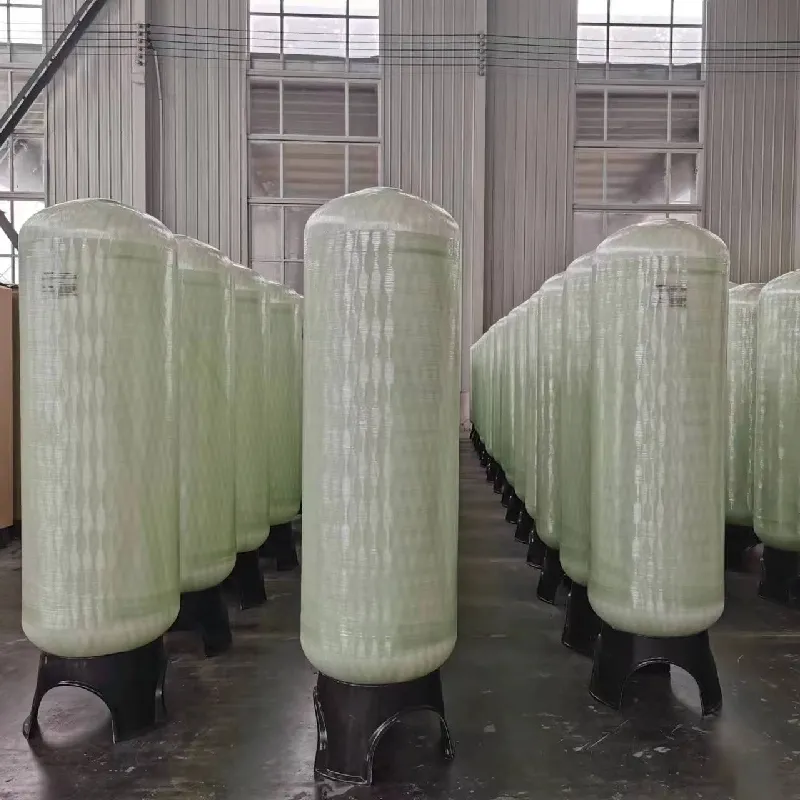
Manufacturing Process Flow of FRP Vessels
The production of high-quality frp vessels involves a sophisticated, multi-stage manufacturing process, primarily utilizing filament winding technology. This method ensures optimal structural integrity and performance characteristics.
Key Steps in FRP Vessel Manufacturing:
- Liner Fabrication (e.g., HDPE Inner): For applications requiring chemical resistance or food-grade compliance, an inner liner is first formed. For example, a high-density polyethylene (HDPE) liner is extruded or rotationally molded. This liner acts as a barrier to prevent the process fluid from contacting the FRP composite structure, ensuring product purity and extended vessel life.
- Mold Preparation: A precisely machined mandrel or mold, matching the internal dimensions of the vessel, is prepared. The liner is then typically placed over this mandrel.
- Filament Winding: This is the core process. Continuous strands of fiberglass or other high-strength fibers are impregnated with a thermosetting resin (e.g., epoxy, polyester, vinylester). These resin-impregnated fibers are then precisely wound onto the rotating mandrel/liner at controlled angles. The winding pattern (helical, circumferential, chop/hoop) is engineered to provide specific strength characteristics, accommodating internal pressure and external loads. Multiple layers are applied to achieve the desired wall thickness and mechanical properties.
- Curing: Once winding is complete, the vessel undergoes a curing process, often in an oven. Heat initiates a chemical reaction in the resin, transforming it from a liquid to a solid polymer matrix that binds the fibers together, creating a rigid, monolithic structure.
- Demolding and Finishing: After curing, the vessel is removed from the mandrel. Access ports, flanges, and other fittings are then precisely machined or molded into place. The exterior may be coated for UV resistance or aesthetic purposes.
- Quality Control & Testing: Each vessel undergoes rigorous testing to ensure compliance with international standards such as ISO (e.g., ISO 9001 for quality management) and ANSI (e.g., ANSI/AWWA D120 for FRP tanks), and specific pressure vessel codes like ASME Section X. Tests include hydrostatic pressure testing, visual inspection, dimensional checks, and material integrity assessments.
The typical service life of a well-maintained FRP vessel can exceed 20 years, significantly outperforming many traditional materials. Target industries include petrochemical, chemical processing, food & beverage, pharmaceuticals, power generation, and notably, municipal and industrial water supply & drainage. The advantages in typical application scenarios are profound, demonstrating energy savings due to lighter weight, superior corrosion resistance against aggressive chemicals, and reduced maintenance costs over their lifespan.
Technical Specifications and Performance Parameters
Understanding the technical specifications of frp vessels is crucial for proper selection and integration into industrial systems. Our Composite Food Grade Pressure Vessel With HDPE Inner For Water Filter, for example, exemplifies the precision engineering inherent in modern FRP designs. These vessels are designed to meet stringent operational demands while ensuring the integrity of the process fluid.
Typical FRP Vessel Specification Table:
Diverse Application Scenarios of FRP Vessels
The versatility and robust performance of frp vessels make them indispensable across a broad spectrum of industrial applications. Their ability to handle corrosive media and operate under varying pressures and temperatures allows for seamless integration into critical processes.
Key Application Areas:
- Water Treatment & Purification (FRP Vessel for Water Treatment): This is perhaps the most prominent application. FRP vessels are extensively used as pressure vessels for multimedia filters, activated carbon filters, water softeners, deionizers (DI), and reverse osmosis (RO) pre-treatment. Their non-corrosive nature ensures that the treated water remains free from metallic contamination, which is vital for potable water, industrial process water, and wastewater reclamation.
- Chemical Processing: In industries dealing with aggressive acids, alkalis, and solvents, FRP tanks provide superior resistance to chemical attack, reducing the risk of leaks and system failures. They are used for storing and processing various corrosive chemicals, ensuring safety and operational continuity.
- Food & Beverage Industry: With internal liners like HDPE, FRP vessels can be certified as food-grade, making them ideal for holding and processing water, brines, and other food-related liquids without imparting taste or contaminants.
- Pharmaceuticals: Similar to food & beverage, the pharmaceutical sector relies on pure process water. FRP vessels, particularly those with FDA-compliant liners, are perfect for high-purity water systems, ensuring sterile and contaminant-free operations.
- Power Generation: Used in boiler feedwater treatment systems, cooling water circuits, and condensate polishing, where high-purity water is critical to prevent scaling and corrosion in expensive steam turbines and heat exchangers.
- Oil & Gas: While often associated with extreme conditions, FRP vessels find use in specific segments like produced water treatment, chemical injection systems, and non-corrosive fluid storage where weight and corrosion are concerns.
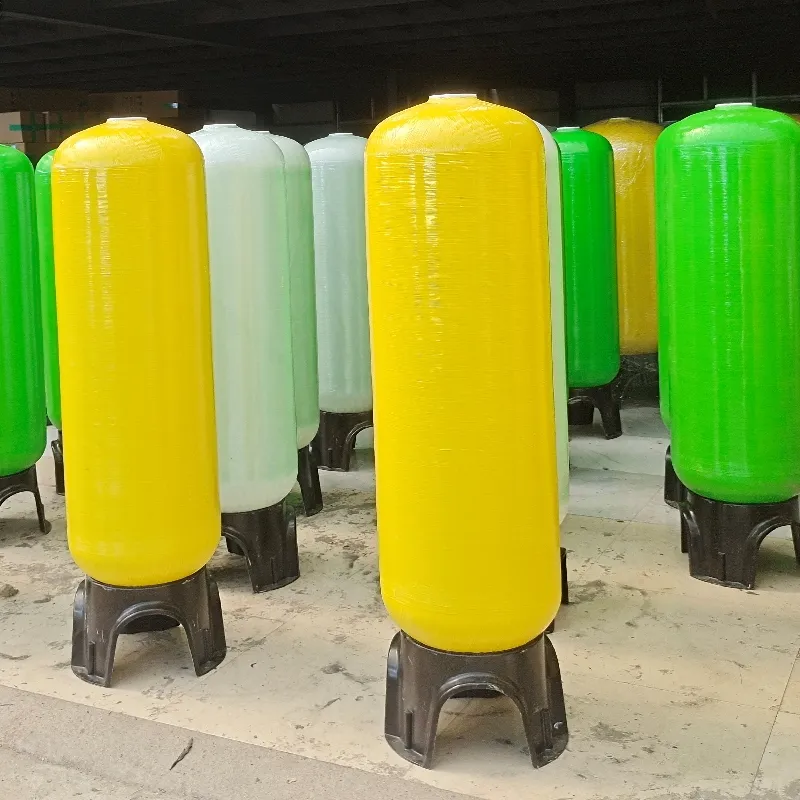
Technical Advantages Over Traditional Materials
The shift towards frp vessels is not merely a trend but a strategic decision based on tangible technical and economic advantages over conventional materials like steel, stainless steel, or rubber-lined tanks.
Key Advantages:
- Exceptional Corrosion Resistance: Unlike metals, FRP composites do not rust, pit, or corrode when exposed to water, acids, bases, and many other harsh chemicals. This eliminates the need for expensive linings, coatings, or cathodic protection, significantly reducing maintenance and replacement costs.
- High Strength-to-Weight Ratio: FRP vessels are remarkably lighter than their metallic counterparts, often by 60-80%. This translates to easier transportation, simpler installation (requiring lighter lifting equipment and less robust foundations), and reduced structural loads.
- Longer Service Life: Due to superior corrosion resistance and fatigue performance, FRP vessels typically boast a service life of 20+ years, often exceeding that of metallic vessels in corrosive environments.
- Chemical Inertness: The composite structure and, crucially, the inner liner (e.g., HDPE) prevent undesirable reactions with process fluids, ensuring product purity, which is vital for food, beverage, and pharmaceutical applications.
- Lower Maintenance Costs: The inherent resistance to corrosion and wear significantly reduces the need for frequent inspections, repairs, and repainting, leading to substantial operational savings.
- Design Flexibility: The filament winding process allows for customization in shape, size, and port configurations, optimizing vessel design for specific application requirements without complex fabrication processes.
FRP vs. Stainless Steel Vessels: A Comparison
Vendor Comparison and Selection Criteria
Choosing the right supplier for frp vessels is paramount to the success and longevity of an industrial project. Beyond the initial frp vessel price, factors such as technical expertise, quality assurance, and after-sales support significantly influence the overall value proposition.
Key Vendor Selection Criteria:
- Certifications and Compliance: Verify adherence to international standards like ISO 9001 for quality, ASME Section X for pressure vessels, and specific industry standards such as FDA for food-grade applications or NSF/ANSI 61 for potable water components.
- Experience and Reputation: A proven track record, years of service, and positive customer feedback are strong indicators of reliability and expertise. Look for vendors with significant experience in your specific industry.
- Technical Expertise and Customization: Assess the vendor's capability to provide engineered solutions, not just standard products. This includes their ability to offer customized dimensions, pressure ratings, chemical resistance profiles, and port configurations.
- Manufacturing Quality: Inquire about their manufacturing processes, quality control measures, and internal testing protocols to ensure consistent product excellence.
- After-Sales Support: Evaluate their warranty commitments, technical support, and availability of spare parts or field services. Reliable support ensures operational continuity.
- Lead Time and Fulfillment: Understand their production capacity and typical lead times to align with project schedules.
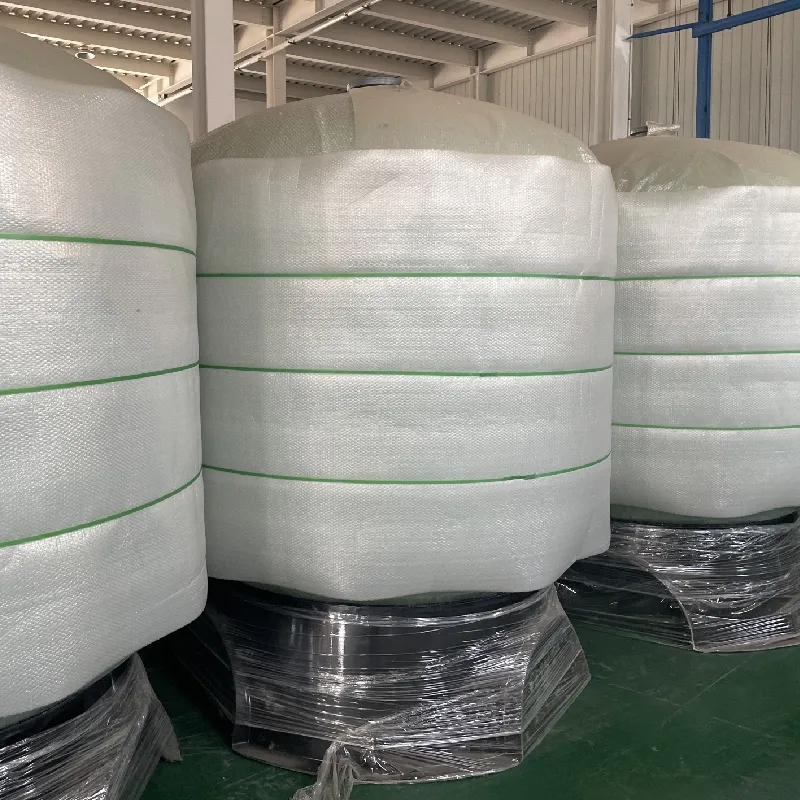
Customized FRP Vessel Solutions
While standard frp vessels meet many requirements, the ability to provide tailored solutions is a hallmark of a professional supplier. Customization ensures optimal performance and seamless integration into complex industrial systems. This includes:
- Varying Dimensions and Capacities: From small laboratory-scale vessels to large industrial tanks, custom sizes can be engineered to fit specific spatial constraints or volume requirements.
- Specific Pressure Ratings: Designing vessels for higher or lower operating pressures than standard, precisely matching process demands.
- Specialized Liner Materials: Beyond HDPE, other thermoplastic liners (e.g., PVDF, PP, PVC) can be utilized for enhanced chemical compatibility with highly aggressive media.
- Port and Fitting Configurations: Custom placement, size, and type of inlets, outlets, manways, and instrumentation ports to simplify piping and optimize system functionality.
- External Coatings and Colors: UV-resistant coatings for outdoor installations, or specific colors for aesthetic or safety coding purposes.
This bespoke engineering approach maximizes efficiency, minimizes downtime, and ensures that the vessel is perfectly suited for its intended environment and process fluid.
Application Case Studies
Real-world applications demonstrate the tangible benefits of deploying frp vessels in critical industrial processes.
Case Study 1: Municipal Water Treatment Plant Upgrade
A major municipal water treatment facility faced persistent issues with corrosion and high maintenance costs in its carbon filtration system, which utilized traditional steel vessels. The steel vessels required regular recoating and suffered from internal rust, compromising water quality. The plant opted to replace these with large-diameter frp vessel for water treatment with an HDPE inner liner. The transition resulted in a 40% reduction in annual maintenance costs, elimination of corrosion-related downtime, and consistent compliance with potable water standards. The lighter weight also simplified installation, reducing project timelines and labor costs.
Case Study 2: Chemical Plant Effluent Treatment
A chemical manufacturing plant required new pressure vessels for its highly corrosive industrial wastewater treatment system, which contained various acidic and alkaline components. Metallic vessels had a short lifespan and posed significant safety risks due to frequent leaks. By implementing custom-engineered frp vessels with vinylester resin and specific port configurations, the plant achieved complete chemical resistance. The vessels have now been operational for over 10 years without any significant maintenance or corrosion issues, vastly improving safety records and operational efficiency.
Frequently Asked Questions (FAQ) about FRP Vessels
- Q: What is the typical lifespan of an FRP vessel?
- A: With proper design, installation, and maintenance, an FRP vessel can have a service life exceeding 20 years, often outperforming metallic alternatives in corrosive environments.
- Q: Are FRP vessels safe for potable water applications?
- A: Yes, many FRP vessels, especially those with HDPE inner liners, are designed to be FDA compliant and NSF/ANSI 61 certified, making them perfectly safe and approved for potable water storage and treatment.
- Q: How does the frp vessel price compare to stainless steel?
- A: Initially, the frp vessel price can be comparable or even lower than stainless steel, particularly for larger sizes or when considering specific chemical resistance requirements. When factoring in the lower installation costs, reduced maintenance, and longer lifespan, the total cost of ownership (TCO) for FRP vessels is often significantly more favorable.
- Q: Can FRP vessels withstand high temperatures and pressures?
- A: Standard FRP vessels typically operate up to 49°C (120°F) and pressures up to 1.6 MPa (232 psi). However, specialized resins and winding techniques can produce vessels capable of higher temperatures and pressures, tailored to specific industrial demands. Always consult with the manufacturer for extreme conditions.
Lead Time, Warranty, and After-Sales Support
Commitment to customer satisfaction extends beyond product delivery. Reputable manufacturers provide comprehensive support throughout the product lifecycle.
- Lead Time: Standard frp vessels typically have a lead time of 2-4 weeks, depending on size and order volume. Customized solutions may require 6-10 weeks for design, manufacturing, and testing. Precise lead times are provided upon quotation.
- Warranty: Products are backed by a standard 5-year limited warranty against manufacturing defects in materials and workmanship. Specific warranty terms may vary based on product type and application, detailed in the product documentation.
- Customer Support: A dedicated team of technical support specialists is available to assist with product selection, installation guidance, troubleshooting, and maintenance advice. We are committed to ensuring optimal performance and longevity of all our FRP vessel installations.
Conclusion
FRP vessels represent a pinnacle in modern fluid containment and processing technology. Their unparalleled corrosion resistance, lightweight design, and long service life offer significant operational and economic advantages over traditional materials. From critical frp vessel for water treatment applications to handling aggressive chemicals, these advanced composite solutions provide a reliable, cost-effective, and safe alternative for demanding industrial environments. As industries continue to seek sustainable and efficient infrastructure, the role of FRP vessels will only expand, solidifying their position as an essential component in global industrial progress.
References
- Fiber Reinforced Plastics Institute. FRP Composite Design Manual. Available from: https://www.frpi.org
- American Society of Mechanical Engineers (ASME). Boiler and Pressure Vessel Code, Section X: Fiber-Reinforced Plastic Pressure Vessels. Available from: https://www.asme.org
- National Sanitation Foundation (NSF) International. NSF/ANSI 61: Drinking Water System Components – Health Effects. Available from: https://www.nsf.org
- U.S. Food and Drug Administration (FDA). Food Contact Substances (FCS) Notifications. Available from: https://www.fda.gov
-
High Quality Fiberglass Rods for Electric Fence Insulation GuideNewsApr.16,2026
-
Benefits and Guide of Installing a White Fiberglass FenceNewsApr.09,2026
-
Choosing the Right Fibreglass Fence for Property Enhancement and LongevityNewsApr.07,2026
-
Comprehensive Guide to Durable Fiberglass Fence Rods and Their ApplicationsNewsMar.31,2026
-
Comprehensive Guide to Durable Fiberglass Fence Post Solutions for Various ApplicationsNewsMar.28,2026
-
Comprehensive Guide to Fiberglass Fencing Benefits and ApplicationsNewsMar.26,2026
-
Comprehensive Guide to Choosing the Right Safety Guard System for Industrial ProtectionNewsMar.24,2026