
loading...
- No. 9, Xingyuan South Street, Dongwaihuan Road, Zaoqiang County, Hengshui, Hebei, China
- admin@zjcomposites.com
- +86 15097380338
- Welcome to visit our website!

Comprehensive Guide to Modern Modular Stair Railing Systems and Applications
Modular Stair Railing Systems: A Comprehensive Guide
When designing or renovating a space with stairs, safety and aesthetics are paramount. Modular stair railing systems offer a flexible and modern solution, combining these crucial elements. These systems provide a significant advantage over traditional railings, offering ease of installation, customization options, and a sleek, contemporary look. This article dives into the benefits, components, applications, and considerations when choosing a modular stair railing system. We’ll explore why they’re becoming the preferred choice for both residential and commercial projects.
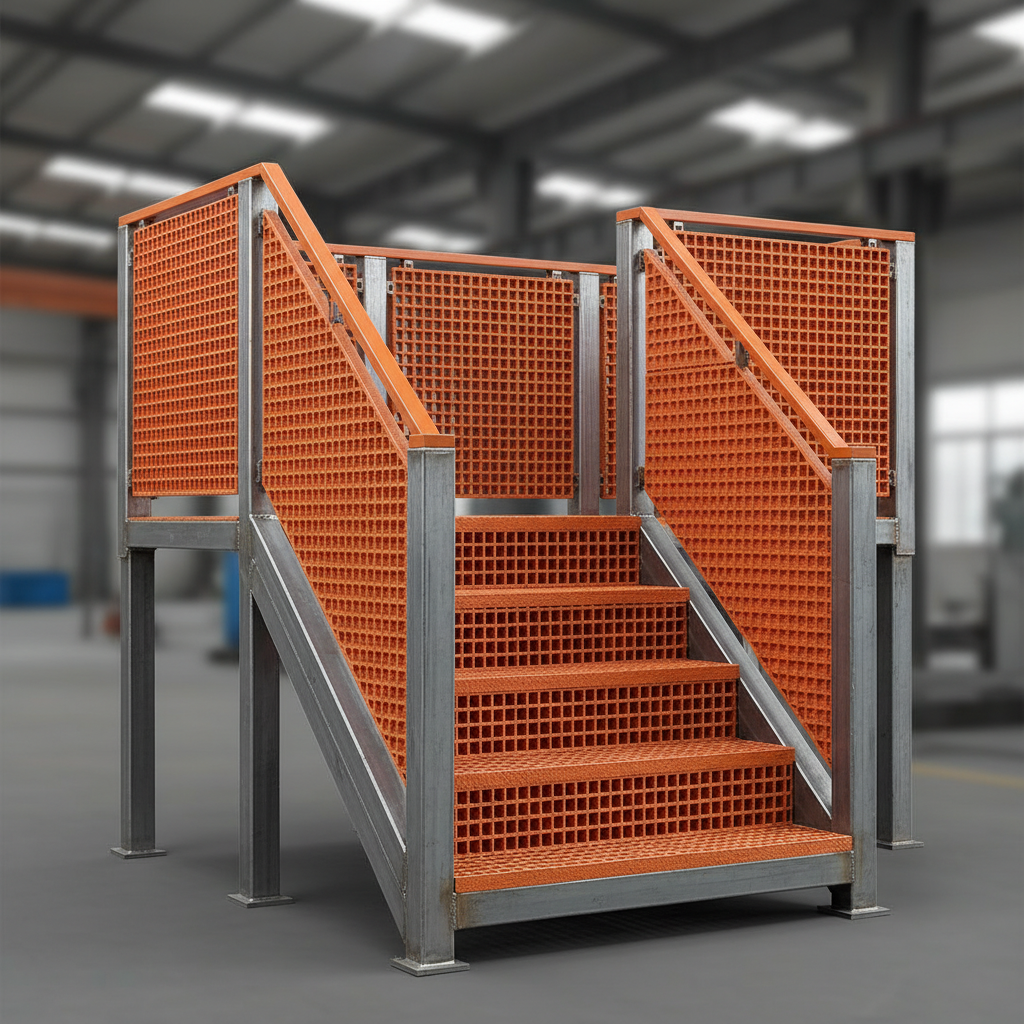
Understanding Modular Stair Railing Systems
Unlike traditional railings built on-site, modular systems consist of pre-fabricated components that are assembled together. This approach drastically reduces installation time and labor costs. The components typically include posts, base plates, handrails, and infills (such as glass, wire, or rods). Zjcomposites specializes in high-quality modular railing solutions, utilizing durable materials like stainless steel, aluminum, and composite materials. The modularity allows for easy adaptation to different stair configurations – straight, curved, spiral – and varying heights and lengths. This flexibility is a key benefit for projects with unique architectural features.
Key Advantages: Reduced installation time, cost-effectiveness, design flexibility, and improved safety through standardized components.
Components of a Typical Modular System
A complete modular stair railing system comprises several key components. The posts provide the vertical support, anchoring to the stair structure via base plates. Handrails, available in various profiles (round, square, rectangular), offer a comfortable grip. Infill materials fill the space between the handrail and the stair treads, contributing to safety and aesthetics. Common infill options include tempered glass for unobstructed views, stainless steel wire for a minimalist look, and vertical rods for a more traditional feel. The quality of each component directly impacts the system’s overall strength, durability, and appearance. Zjcomposites offers a wide range of components to suit diverse design preferences.
Component Breakdown:
• Posts: Provide vertical support.
• Base Plates: Anchor posts to the stair structure.
• Handrails: Offer a secure grip.
• Infill: Glass, wire, rods – adds safety and aesthetics.
Modular Stair Railing Systems vs. Traditional Railings
Traditional stair railings are typically custom-built on-site by skilled carpenters or metalworkers. This process is often time-consuming, labor-intensive, and prone to inconsistencies. Modular stair railing systems offer a compelling alternative. They eliminate the need for extensive on-site fabrication, reducing installation time by up to 50%. The pre-fabricated components ensure consistent quality and adherence to design specifications. Furthermore, modular systems are often more cost-effective, especially for complex stair configurations.
Applications and Design Considerations
Modular stair railings are versatile and suitable for a wide range of applications, from modern residential homes to high-traffic commercial buildings. They are particularly well-suited for contemporary designs emphasizing clean lines and minimalist aesthetics. When selecting a system, consider the overall style of the space, the required level of safety, and local building codes. The choice of infill material also plays a crucial role in the design. Glass infills provide unobstructed views, while wire or rod infills offer a more industrial or modern look. Zjcomposites can guide you through the selection process to ensure you choose the perfect system for your project.
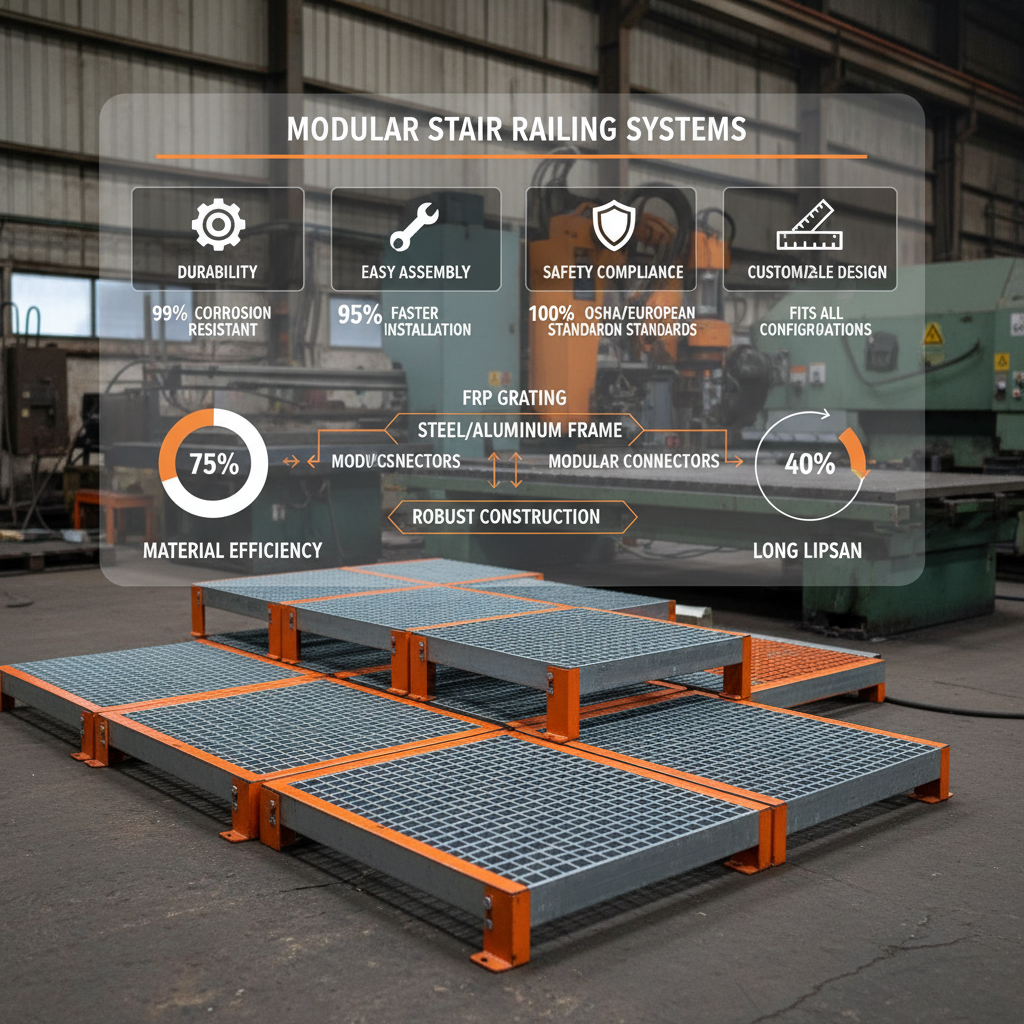
Selecting the Right Materials and Standards Compliance
The materials used in a modular stair railing system significantly impact its durability, longevity, and aesthetic appeal. Stainless steel is a popular choice due to its corrosion resistance and sleek appearance. Aluminum offers a lightweight and cost-effective alternative. Composite materials provide a blend of strength and design flexibility. Ensure the selected system complies with relevant building codes and safety standards. Zjcomposites railings meet or exceed industry standards, providing peace of mind.
Conclusion: Elevating Safety and Style with Modular Railings
Choosing modular stair railing systems represents a smart investment in both safety and aesthetics. Their ease of installation, design flexibility, and durability make them a superior alternative to traditional railings. By partnering with a reputable supplier like Zjcomposites, you can ensure you receive a high-quality system that meets your specific needs and enhances the overall value of your project. Don't compromise on quality – choose modular.
Frequently Asked Questions (FAQs)
What is the typical installation time for a modular stair railing system?
Installation time varies depending on the complexity of the staircase and the skill of the installer, but modular systems are generally significantly faster to install than traditional railings. A typical straight staircase might take only a few hours to install, while a curved or more complex design could take a day or two. This is considerably less time than the days or even weeks required for custom fabrication and installation of a traditional railing. Professional installation is always recommended to ensure proper safety and stability.
Are modular railing systems suitable for outdoor use?
Yes, many modular railing systems are designed for both indoor and outdoor use. However, it’s crucial to select materials that are weather-resistant, such as stainless steel or powder-coated aluminum. These materials can withstand exposure to rain, snow, and sunlight without corroding or deteriorating. Always check the manufacturer's specifications to ensure the system is suitable for your climate and environmental conditions.
What level of customization is possible with modular railings?
Modular railings offer a surprising degree of customization. You can choose from various post heights, handrail profiles, and infill materials to create a look that matches your design aesthetic. Many systems also allow for adjustments in angle and length to accommodate different staircase configurations. Zjcomposites offers bespoke options to further tailor the railing to your exact requirements.
How do I ensure my modular railing meets building codes?
It’s essential to verify that the chosen modular railing system meets all applicable local building codes and safety standards. Check with your local building department to understand the specific requirements for stair railings in your area. Reputable manufacturers, such as Zjcomposites, will provide documentation confirming their products meet relevant standards. Proper installation is also crucial for ensuring compliance.
-
High Quality Fiberglass Rods for Electric Fence Insulation GuideNewsApr.16,2026
-
Benefits and Guide of Installing a White Fiberglass FenceNewsApr.09,2026
-
Choosing the Right Fibreglass Fence for Property Enhancement and LongevityNewsApr.07,2026
-
Comprehensive Guide to Durable Fiberglass Fence Rods and Their ApplicationsNewsMar.31,2026
-
Comprehensive Guide to Durable Fiberglass Fence Post Solutions for Various ApplicationsNewsMar.28,2026
-
Comprehensive Guide to Fiberglass Fencing Benefits and ApplicationsNewsMar.26,2026
-
Comprehensive Guide to Choosing the Right Safety Guard System for Industrial ProtectionNewsMar.24,2026