
loading...
- No. 9, Xingyuan South Street, Dongwaihuan Road, Zaoqiang County, Hengshui, Hebei, China
- admin@zjcomposites.com
- +86 15097380338
- Welcome to visit our website!

Exploring the Benefits and Applications of a Modern Modular Railing System
Understanding the Versatility of a Modular Railing System
In modern architecture and construction, adaptability is key. A modular railing system offers a dynamic solution for a wide range of applications, from residential balconies to commercial spaces and beyond. This article will explore the benefits, components, and applications of these versatile systems, highlighting why they are becoming increasingly popular among architects, builders, and homeowners. Choosing the right railing system is crucial for safety, aesthetics, and long-term value. ZJ Composites specializes in providing high-quality, customizable solutions to meet diverse project needs.
Key Advantages of Modular Railing Systems
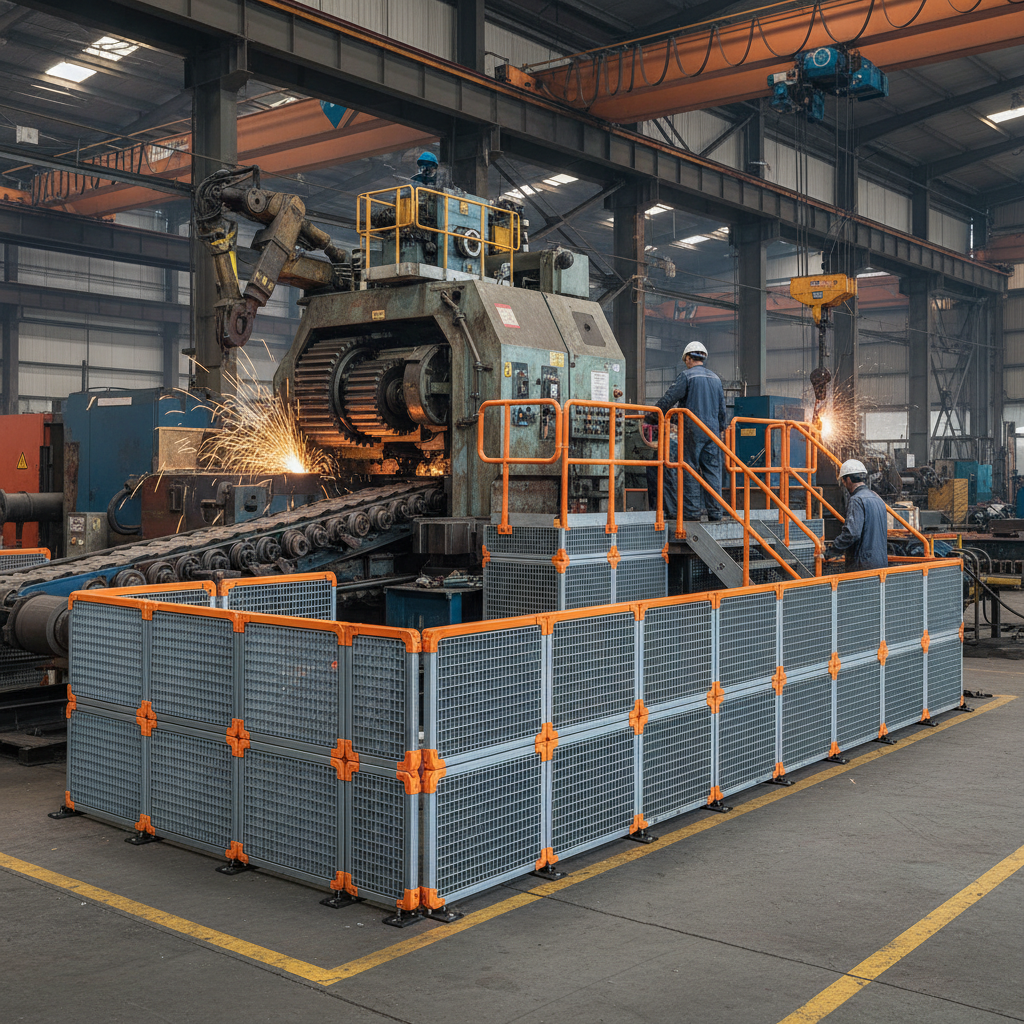
Modular railing systems offer several distinct advantages over traditional railing installations. Firstly, they are significantly faster to install, reducing labor costs and project timelines. Secondly, their modular nature allows for design flexibility, accommodating various angles, curves, and configurations. Thirdly, they are often constructed from durable, low-maintenance materials like composite, aluminum, or stainless steel, resulting in a longer lifespan and reduced maintenance requirements. Finally, these systems are frequently pre-engineered and tested to meet or exceed building codes, ensuring safety and compliance. This makes them an attractive option for both new construction and retrofit projects.
Key Benefits: Faster installation, design flexibility, durable materials, compliance with building codes.
Components of a Typical Modular Railing System
A typical modular railing system consists of several key components. These include posts, infill panels (glass, cable, composite, or metal), handrails, base plates (for attaching to the structure), and various connectors and fasteners. Posts provide the vertical support, while infill panels create the barrier. Handrails offer a comfortable grip and contribute to the overall aesthetic. Base plates ensure a secure connection to the floor or deck. The quality of each component directly impacts the system's stability, durability, and appearance. ZJ Composites offers a comprehensive range of components to create a tailored railing solution.
Essential Components:
• Posts: Provide vertical support.
• Infill Panels: Create the barrier (glass, cable, composite, metal).
• Handrails: Comfortable grip and aesthetic appeal.
• Base Plates: Secure connection to the structure.
Modular Railing Systems: Material Options and Comparison
Several materials are commonly used in modular railing systems, each with its own advantages and disadvantages. Composite materials offer excellent durability, low maintenance, and a wide range of color options. Aluminum is lightweight, corrosion-resistant, and cost-effective. Stainless steel provides superior strength, corrosion resistance, and a sleek, modern aesthetic. Glass infill panels offer unobstructed views and a contemporary look, while cable railings provide a minimalist aesthetic. The best material choice depends on the specific application, budget, and desired aesthetic.
Applications of Modular Railing Systems
The versatility of modular railing systems makes them suitable for a wide array of applications. These include balconies, decks, staircases, rooftop terraces, walkways, and even interior spaces like mezzanines and atriums. They are ideal for both residential and commercial projects, offering a safe and aesthetically pleasing solution for various railing needs. They can be used in new construction or retrofitted to existing structures. ZJ Composites has successfully implemented modular railing systems in diverse projects across various industries.
Choosing the Right Modular Railing System: Key Considerations
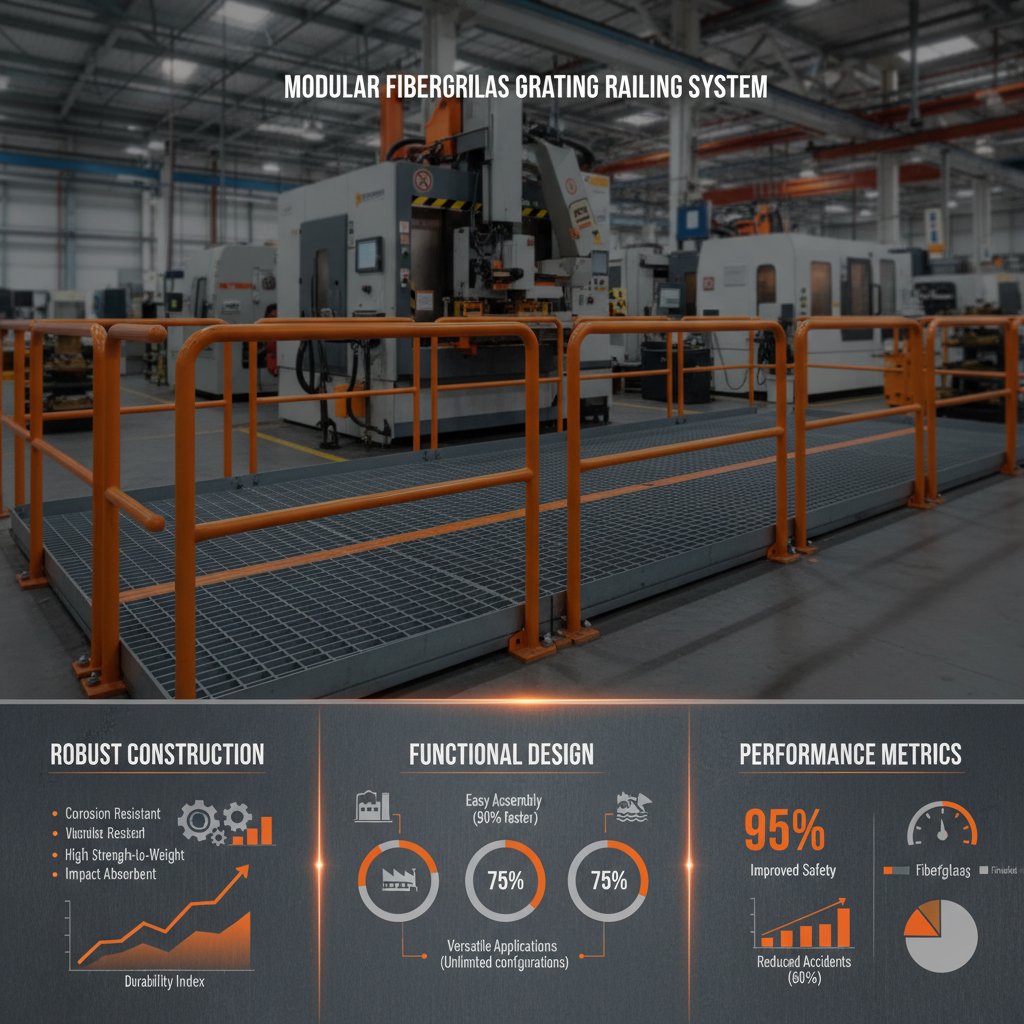
Selecting the appropriate modular railing system requires careful consideration of several factors. Building codes and local regulations must be adhered to. The intended use of the railing (residential, commercial, etc.) will influence the required strength and durability. The aesthetic preferences of the client or homeowner should also be taken into account. Finally, the ease of installation and maintenance should be evaluated. Consulting with a qualified railing specialist can help ensure the selection of the optimal system for your specific needs. ZJ Composites offers expert guidance and support throughout the selection and installation process.
Conclusion: Enhance Safety and Aesthetics with Modular Railing Systems
A modular railing system provides a versatile, durable, and aesthetically pleasing solution for a wide range of applications. By choosing the right system and working with a reputable supplier like ZJ Composites, you can enhance the safety, functionality, and visual appeal of any project. Invest in a railing system that offers both performance and style.
Frequently Asked Questions (FAQs)
What is the typical installation time for a modular railing system?
The installation time for a modular railing system varies depending on the complexity of the project, the size of the area being railed, and the experience of the installers. However, generally, modular systems can be installed much faster than traditional railings – often by 50% or more. A typical balcony railing might take just a few hours to install, whereas a more complex staircase railing could take a day or two. The pre-engineered nature of the components and the simplified installation process contribute to these time savings.
Are modular railing systems code compliant?
Yes, reputable modular railing systems, such as those offered by ZJ Composites, are designed to meet or exceed relevant building codes and safety regulations. These systems undergo rigorous testing to ensure they meet standards for load capacity, impact resistance, and overall safety. However, it's essential to verify that the specific system you choose is approved for use in your location and complies with all applicable local codes.
Can I customize a modular railing system to fit my specific needs?
Absolutely! One of the key advantages of modular railing systems is their customization potential. You can often choose from a variety of materials, infill options, colors, and heights to create a railing that perfectly matches your aesthetic preferences and project requirements. Many suppliers, including ZJ Composites, offer custom fabrication services to accommodate unique designs and configurations.
What maintenance is required for a modular railing system?
The maintenance requirements for a modular railing system depend on the material it's constructed from. Composite and aluminum railings typically require minimal maintenance – simply cleaning with soap and water is usually sufficient. Stainless steel may require occasional polishing to maintain its shine. Glass infill panels will need to be cleaned regularly to remove dirt and grime. Regular inspection for loose fasteners or damaged components is recommended to ensure continued safety and performance.
-
High Quality Fiberglass Rods for Electric Fence Insulation GuideNewsApr.16,2026
-
Benefits and Guide of Installing a White Fiberglass FenceNewsApr.09,2026
-
Choosing the Right Fibreglass Fence for Property Enhancement and LongevityNewsApr.07,2026
-
Comprehensive Guide to Durable Fiberglass Fence Rods and Their ApplicationsNewsMar.31,2026
-
Comprehensive Guide to Durable Fiberglass Fence Post Solutions for Various ApplicationsNewsMar.28,2026
-
Comprehensive Guide to Fiberglass Fencing Benefits and ApplicationsNewsMar.26,2026
-
Comprehensive Guide to Choosing the Right Safety Guard System for Industrial ProtectionNewsMar.24,2026