grp moulded grating is a versatile composite material increasingly utilized across numerous industries globally. Its unique combination of high strength, lightweight properties, and corrosion resistance makes it a superior alternative to traditional materials like steel and aluminum in demanding applications. Understanding the capabilities of grp moulded grating is crucial for engineers, architects, and project managers seeking durable, cost-effective, and sustainable solutions.
The global demand for grp moulded grating is driven by factors such as increasing infrastructure development, stringent safety regulations, and a growing emphasis on lifecycle cost reduction. Industries like oil and gas, wastewater treatment, marine, and chemical processing heavily rely on this material to ensure operational efficiency and long-term reliability. The United Nations Sustainable Development Goals, particularly those related to infrastructure and industrial innovation, indirectly benefit from the widespread adoption of durable and sustainable materials like grp moulded grating.
This material addresses the challenge of corrosion, a significant issue causing infrastructure deterioration and safety hazards worldwide. Estimates suggest that corrosion costs industries billions of dollars annually, necessitating the implementation of corrosion-resistant solutions. grp moulded grating provides a viable and long-lasting answer to this persistent problem.
Introduction to grp moulded grating
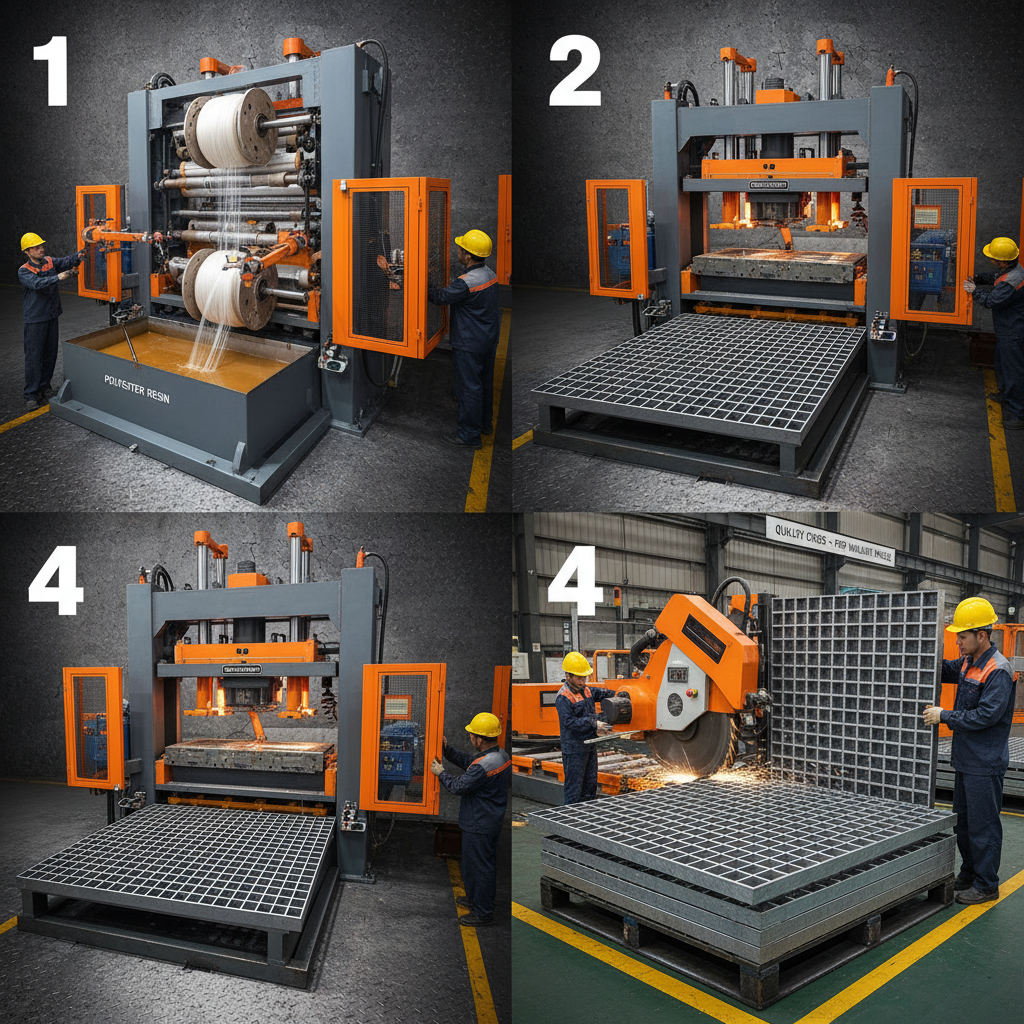
grp moulded grating is a composite material manufactured by combining glass fibres with a resin matrix, typically polyester, vinyl ester, or epoxy. This process creates a strong, lightweight structure with exceptional resistance to corrosion, chemicals, and environmental factors. The inherent properties of grp moulded grating make it a superior choice in various harsh conditions.
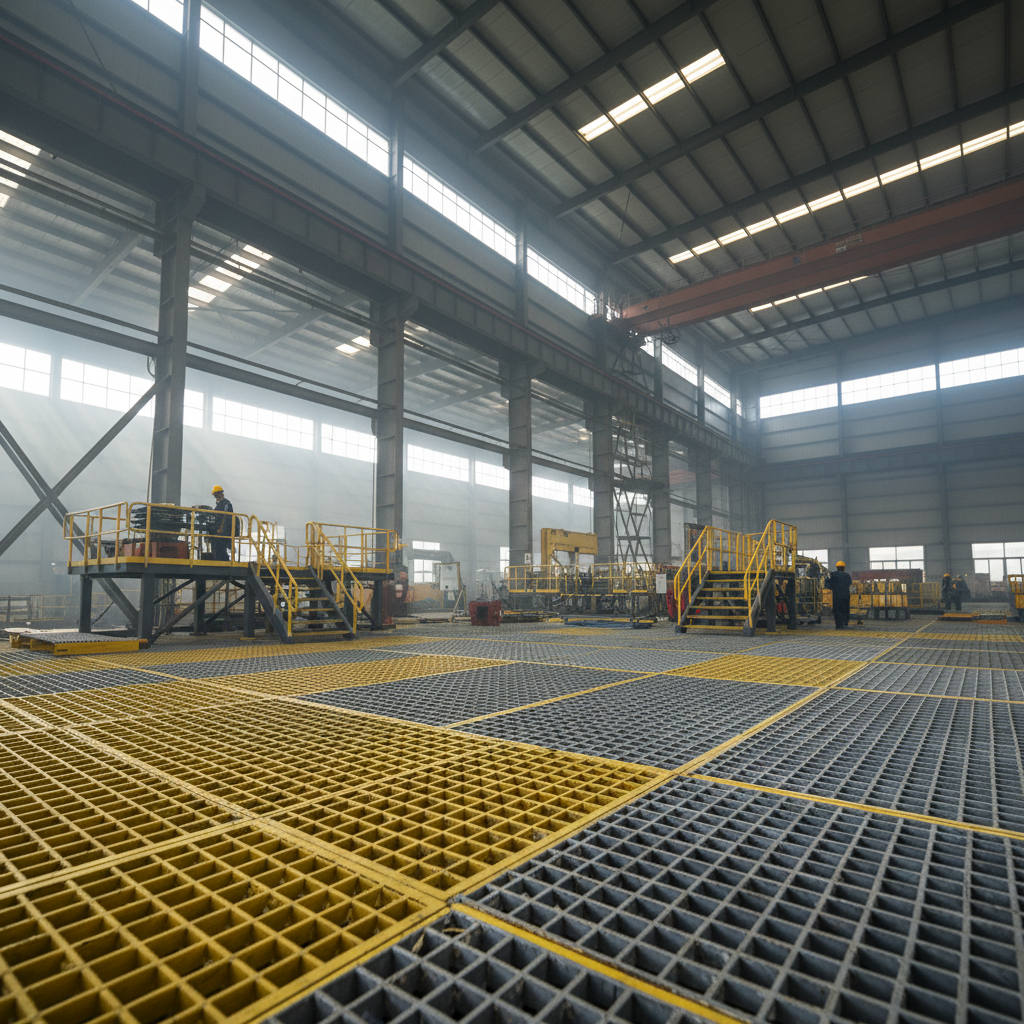
Its use is continually expanding across diverse sectors. From providing safe walkways and platforms in industrial facilities to constructing durable components for offshore platforms and wastewater treatment plants, grp moulded grating is contributing to increased safety, reduced maintenance costs, and extended infrastructure lifespan. grp moulded grating plays a vital role in modern infrastructure projects.
Defining grp Moulded Grating
grp moulded grating, also known as fibre-reinforced polymer (FRP) grating, is a prefabricated structural product formed by interlacing glass fibres within a resin matrix. The moulding process creates a grid-like structure that provides excellent load-bearing capacity and dimensional stability. Unlike traditional materials, grp doesn't rust or corrode, making it an ideal choice for aggressive environments.
This material is a direct response to the limitations of traditional materials such as steel and aluminum, which are susceptible to corrosion and require significant maintenance. grp moulded grating offers a long-term solution reducing lifecycle costs, and minimising downtime for repairs.
Its application extends beyond mere material replacement; it's integral to building smarter, safer, and more sustainable infrastructure. It meets the escalating demands of industries prioritizing long-term reliability and environmental responsibility.
Key Characteristics of grp Moulded Grating
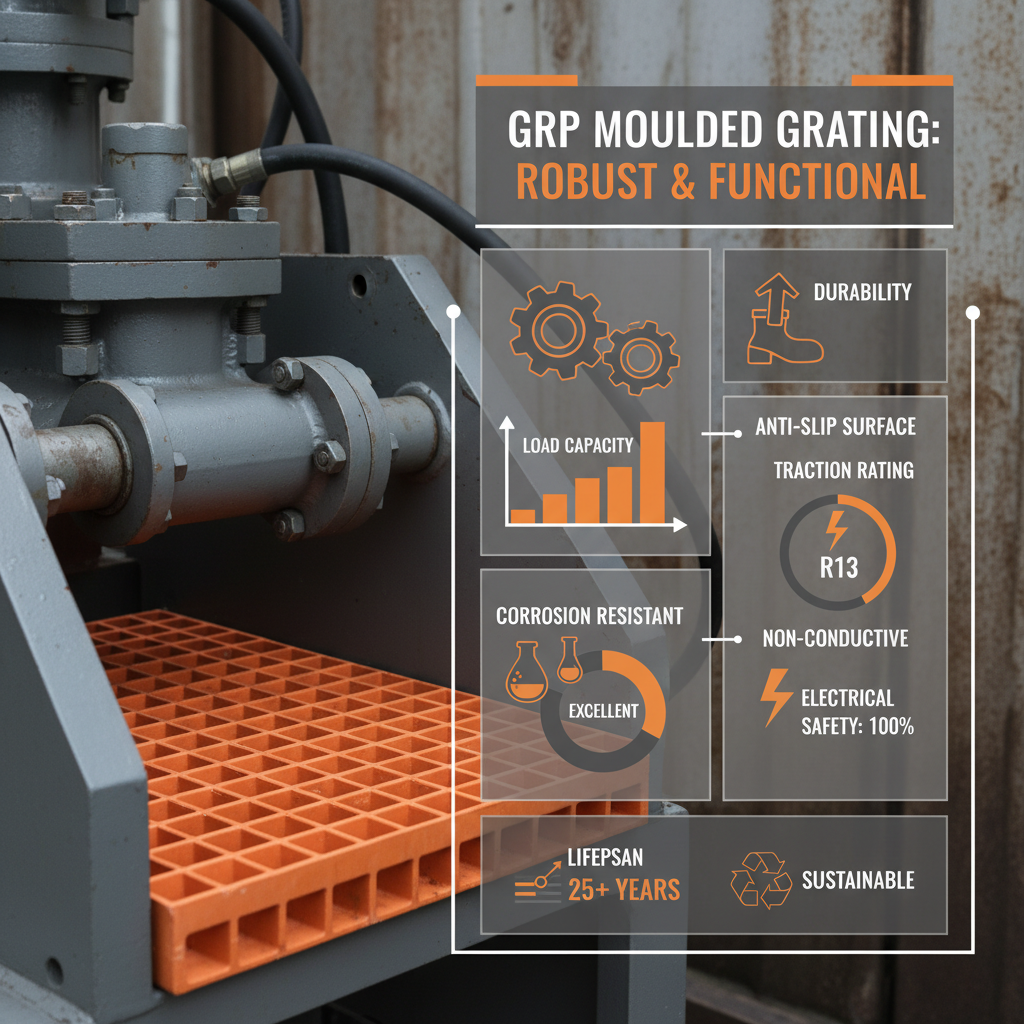
One of the defining features of grp moulded grating is its exceptional corrosion resistance. The resin matrix encapsulates the glass fibres, creating a barrier against corrosive agents such as saltwater, acids, and alkalis. This property significantly extends the lifespan of structures in harsh environments.
Secondly, grp moulded grating is incredibly lightweight – typically 60-80% lighter than steel – making it easier to handle and install. This reduced weight translates to lower installation costs, decreased structural support requirements, and improved worker safety.
Furthermore, grp exhibits high strength-to-weight ratio, surpassing many conventional materials. It’s non-conductive, an important safety feature in electrical environments. Coupled with low thermal conductivity, it remains cool to the touch, enhancing workplace safety. Its design flexibility allows for customized grating solutions tailored to specific project requirements.
Applications of grp Moulded Grating Across Industries
grp moulded grating finds widespread use in the chemical processing industry, where its resistance to corrosive chemicals is crucial for constructing walkways, platforms, and equipment enclosures. The material ensures employee safety and protects sensitive equipment from damage.
In the wastewater treatment sector, grp grating is used for constructing walkways, trench covers, and stair treads, offering a durable and safe surface in environments exposed to harsh chemicals and moisture. The oil and gas industry relies on grp grating for offshore platforms and onshore facilities, capitalizing on its corrosion resistance and lightweight properties for structural components and walkways.
Performance Metrics of Different grp moulded grating Manufacturing Methods
Advantages and Long-Term Value Proposition
The primary advantage of grp moulded grating lies in its long-term cost savings. While the initial investment may be slightly higher than traditional materials, the elimination of corrosion-related maintenance and replacement costs results in significant savings over the product's lifespan. grp moulded grating offers long-term reliability.
Beyond cost, grp contributes to enhanced safety by providing a non-slip surface and eliminating the risk of electrical conductivity. From an environmental standpoint, its durability and reduced need for replacement translate to lower material consumption and waste generation, aligning with sustainable practices.
Future Trends in grp Moulded Grating Technology
Ongoing research and development efforts are focused on improving the mechanical properties of grp moulded grating through the incorporation of advanced resin systems and fibre reinforcements. Nanomaterials, for example, are being explored to enhance strength, stiffness, and fire resistance.
The integration of smart technologies, such as embedded sensors for structural health monitoring, is also gaining traction. These sensors can provide real-time data on load, stress, and environmental conditions, enabling proactive maintenance and preventing catastrophic failures. Digital fabrication techniques, like 3D printing, are opening new avenues for creating complex and customized grp grating structures.
Challenges and Solutions in grp Moulded Grating Implementation
One of the challenges associated with grp moulded grating is the potential for UV degradation over prolonged exposure to sunlight. This can be mitigated by incorporating UV inhibitors into the resin matrix or applying protective coatings.
Another concern is the susceptibility to damage from impact or concentrated loads. To address this, manufacturers are developing grp grating with increased impact resistance through optimized fibre orientation and resin formulations. Proper design and installation practices, including adequate support structures and load distribution, are also crucial.
Furthermore, educating designers, engineers, and installers about the unique properties and handling requirements of grp is essential for ensuring successful project outcomes. Standardization of testing methods and performance criteria will also play a key role in fostering greater confidence in the material.
Summary of grp moulded grating Challenges and Mitigation Strategies
| Challenge |
Impact on grp moulded grating Performance |
Mitigation Strategy |
Implementation Cost (1-10) |
| UV Degradation |
Reduced mechanical strength, discoloration |
Incorporating UV inhibitors, protective coatings |
4 |
| Impact Damage |
Cracking, delamination, structural failure |
Optimized fibre orientation, impact-resistant resins |
6 |
| Joint and Connection Issues |
Weak points, potential for failure |
Proper fastener selection, adhesive bonding |
5 |
| Lack of Standardization |
Inconsistent performance, difficulty in comparison |
Developing standardized testing methods |
7 |
| Installation Errors |
Compromised structural integrity |
Comprehensive training programs for installers |
3 |
| Design Limitations |
Difficulty in achieving complex geometries |
Employing digital fabrication techniques |
8 |
FAQS
grp moulded grating offers significant advantages over steel, including its superior corrosion resistance, lighter weight (reducing installation costs), and non-conductivity. Unlike steel, it doesn't require painting or welding, minimizing maintenance and improving workplace safety. It also boasts a longer lifespan in corrosive environments, leading to substantial lifecycle cost savings.
grp moulded grating generally performs well in a wide range of temperatures. While the resin matrix can be affected by prolonged exposure to very high temperatures, it maintains its structural integrity within typical operating conditions. It also exhibits low thermal conductivity, meaning it remains relatively cool to the touch even in hot environments.
While grp is combustible, flame-retardant resins can be incorporated during manufacturing to enhance its fire resistance. These formulations reduce the rate of flame spread and smoke development, meeting specific fire safety standards. The level of fire retardancy can be customized to suit the application requirements.
The lifespan of grp moulded grating installations can exceed 25 years, and often significantly longer, depending on the environmental conditions and the quality of the material. Its corrosion resistance prevents the degradation commonly experienced by steel, eliminating the need for frequent replacements. Regular inspections are still recommended to ensure continued integrity.
grp moulded grating is available in various thicknesses and constructions, each with specific load-bearing capacities. Load limits are determined by factors such as span length, mesh size, and resin type. Manufacturers provide detailed load tables and engineering data to ensure appropriate selection for the intended application.
Installation of grp moulded grating is relatively straightforward, typically involving cutting the grating to size and securing it with fasteners or adhesives. Common tools include power saws, drill drivers, and measuring tapes. Proper alignment and support are essential for optimal performance. Specialized installation guidelines are provided by manufacturers.
Conclusion
grp moulded grating has emerged as a crucial material for modern infrastructure, offering a compelling combination of durability, corrosion resistance, lightweight properties, and cost-effectiveness. Its versatility allows for application across diverse industries, from chemical processing to wastewater treatment, and its long-term value proposition is increasingly recognized. The material is poised to play an even larger role in building sustainable and resilient infrastructure globally.
Looking ahead, continued innovation in resin technology, fibre reinforcement, and smart monitoring systems will further enhance the performance and applicability of grp moulded grating. Investing in education and standardization will be vital for accelerating its adoption and ensuring its safe and reliable implementation. For more information and solutions tailored to your needs, visit our website: www.zjcomposites.com.