
loading...
- No. 9, Xingyuan South Street, Dongwaihuan Road, Zaoqiang County, Hengshui, Hebei, China
- admin@zjcomposites.com
- +86 15097380338
- Welcome to visit our website!

Exploring the Benefits of a Versatile Modular Handrail System for Safety
Understanding the Versatility of a Modular Handrail System
In the realm of safety and accessibility, a modular handrail system offers a dynamic and adaptable solution for various applications. Unlike traditional fixed handrails, these systems are designed for flexibility, ease of installation, and cost-effectiveness. This article will explore the benefits, applications, and key considerations when choosing a modular handrail system, with a focus on how ZJ Composites provides innovative solutions. From industrial settings to public spaces, understanding the advantages of a modular approach is crucial for ensuring safety and compliance.
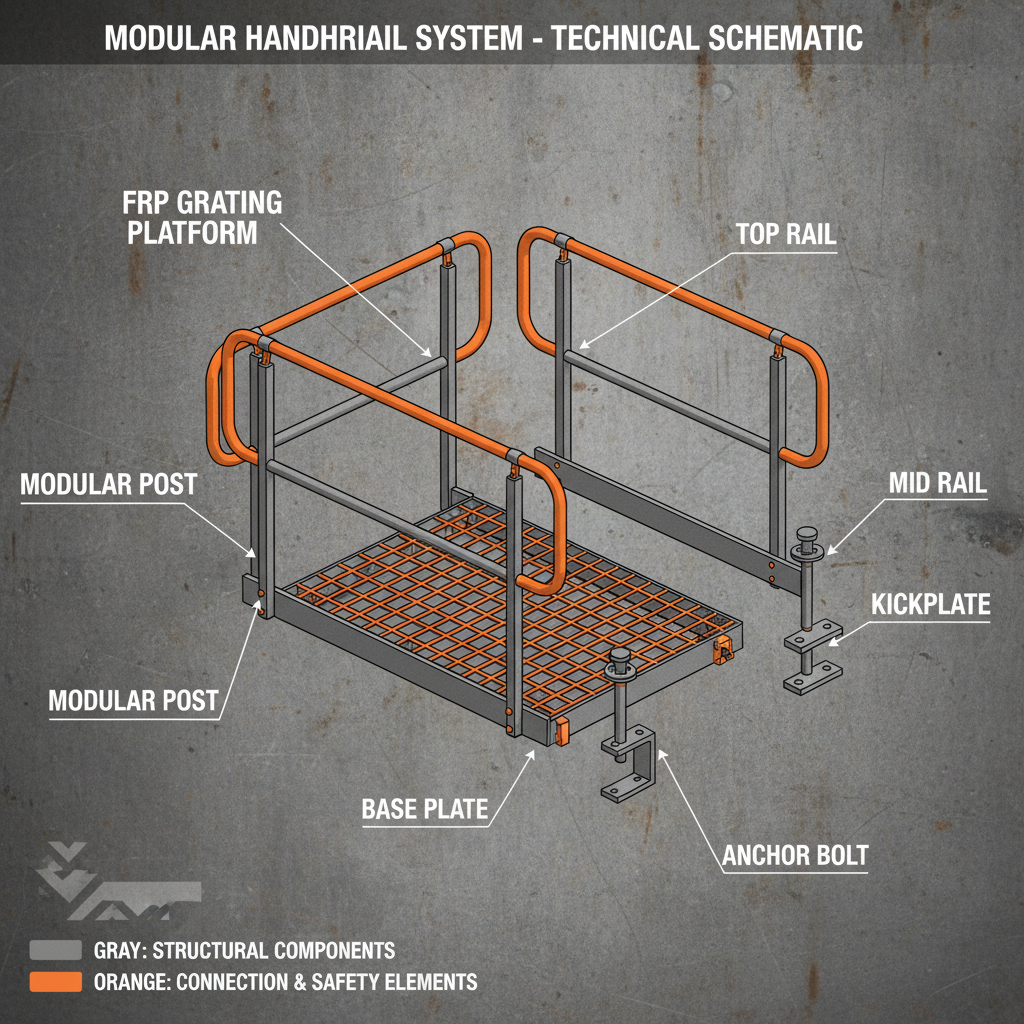
Key Benefits of Modular Handrail Systems
Modular handrail systems deliver a multitude of advantages. Their inherent flexibility allows for adaptation to complex layouts and changing needs. Installation is significantly faster and less disruptive compared to welded or permanently fixed systems, reducing downtime and labor costs. Furthermore, the modular nature simplifies maintenance and repairs – damaged sections can be easily replaced without requiring the entire system to be dismantled. Cost-effectiveness is another significant benefit, as systems can be customized to precise requirements, minimizing material waste. These systems often utilize lightweight, durable materials like aluminum or FRP, enhancing safety and longevity.
Key Highlights: Faster installation, reduced downtime, easy maintenance, cost-effective customization, and durable materials.
Applications Across Diverse Industries
The versatility of modular handrail systems makes them ideal for a wide range of applications. In industrial facilities, they provide essential safety barriers around machinery, walkways, and elevated platforms. Commercial buildings benefit from their aesthetic appeal and accessibility features, particularly in stairwells and ramps. Public spaces, such as parks and recreational areas, utilize them for crowd control and pedestrian safety. Furthermore, they are commonly used in marine environments, where corrosion resistance is paramount. From chemical plants to shopping malls, the adaptability of these systems ensures a safe and accessible environment.
Common Applications:
• Industrial Facilities: Machine guarding, walkways, platforms
• Commercial Buildings: Stairwells, ramps, balconies
• Public Spaces: Parks, recreational areas, pedestrian walkways
• Marine Environments: Docks, piers, boat ramps
Choosing the Right Modular Handrail System: Material Considerations
Selecting the appropriate materials for your modular handrail system is critical for ensuring long-term performance and safety. Aluminum is a popular choice due to its lightweight nature, corrosion resistance, and affordability. Stainless steel offers superior strength and durability, making it ideal for demanding environments. However, it is generally more expensive. Fiber-Reinforced Polymer (FRP) is gaining prominence for its exceptional corrosion resistance, non-conductivity, and low maintenance requirements, particularly in chemical processing and marine applications. ZJ Composites specializes in high-quality FRP handrail systems designed for long-lasting performance.
ZJ Composites: Your Partner for FRP Modular Handrail Systems
At ZJ Composites, we specialize in the design, manufacture, and supply of high-quality FRP modular handrail systems. Our systems are engineered to withstand harsh environments, providing long-lasting safety and reliability. We offer a comprehensive range of components, including posts, rails, fittings, and accessories, allowing for customized solutions to meet your specific needs. We are committed to providing innovative products and exceptional customer service.
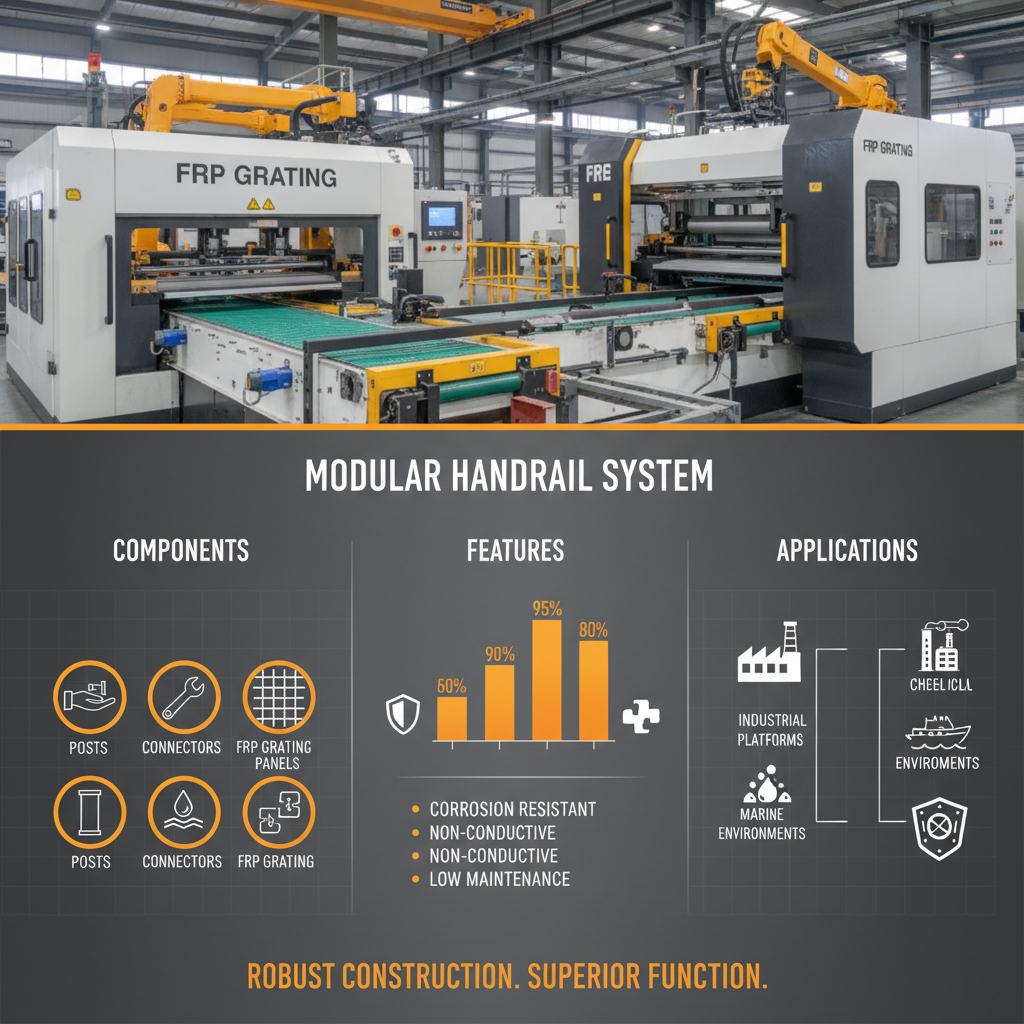
Compliance and Safety Standards
Ensuring compliance with relevant safety standards is paramount when selecting a modular handrail system. Systems should meet or exceed industry regulations, such as OSHA (Occupational Safety and Health Administration) guidelines in the United States or equivalent standards in other regions. ZJ Composites products are rigorously tested and certified to meet these stringent requirements, providing peace of mind and ensuring a safe working environment.
Conclusion: Invest in Safety and Flexibility
A modular handrail system offers a compelling combination of safety, flexibility, and cost-effectiveness. Choosing a reputable supplier like ZJ Composites ensures you receive a high-quality, compliant solution tailored to your specific needs. Invest in a system that protects your workforce and enhances the accessibility of your facilities.
Frequently Asked Questions (FAQs)
What are the main advantages of FRP handrail systems compared to traditional metal options?
FRP handrail systems offer significant advantages over traditional metal options, particularly in corrosive environments. They are non-conductive, eliminating electrical hazards, and are significantly lighter, making installation easier and reducing structural load. FRP is also non-magnetic, ideal for environments with sensitive equipment. Most importantly, FRP boasts exceptional corrosion resistance, ensuring a longer lifespan and reduced maintenance costs compared to steel or aluminum, especially in marine or chemical processing applications.
How easy is it to install a modular handrail system?
Modular handrail systems are designed for ease of installation. They typically require minimal specialized tools and can be assembled quickly and efficiently. The modular design allows for adjustments and modifications on-site, eliminating the need for welding or extensive cutting. Clear instructions and readily available support from suppliers like ZJ Composites further simplify the process. Compared to traditional fixed systems, installation time is significantly reduced.
What customization options are available for ZJ Composites’ modular handrail systems?
ZJ Composites offers a wide range of customization options to meet your specific requirements. This includes varying rail heights, colors, and configurations. We can tailor the system to accommodate specific angles, curves, and obstructions. We also offer custom fabrication of fittings and accessories. Our engineering team can work with you to design a system that perfectly fits your application and ensures optimal safety and functionality.
What is the typical lead time for a custom modular handrail system order?
Lead times for custom modular handrail systems vary depending on the complexity of the order and current production schedules. However, ZJ Composites strives to provide competitive lead times. A typical order can be fulfilled within 4-6 weeks from order confirmation. We provide detailed timelines and regular updates throughout the production process to ensure you receive your system on time.
-
High Quality Fiberglass Rods for Electric Fence Insulation GuideNewsApr.16,2026
-
Benefits and Guide of Installing a White Fiberglass FenceNewsApr.09,2026
-
Choosing the Right Fibreglass Fence for Property Enhancement and LongevityNewsApr.07,2026
-
Comprehensive Guide to Durable Fiberglass Fence Rods and Their ApplicationsNewsMar.31,2026
-
Comprehensive Guide to Durable Fiberglass Fence Post Solutions for Various ApplicationsNewsMar.28,2026
-
Comprehensive Guide to Fiberglass Fencing Benefits and ApplicationsNewsMar.26,2026
-
Comprehensive Guide to Choosing the Right Safety Guard System for Industrial ProtectionNewsMar.24,2026