
loading...
- No. 9, Xingyuan South Street, Dongwaihuan Road, Zaoqiang County, Hengshui, Hebei, China
- admin@zjcomposites.com
- +86 15097380338
- Welcome to visit our website!

Durable SMC Panel Tanks: Modular, Reliable Water Storage Solutions
Elevating Water Storage: The Advanced Engineering of SMC Panel Tanks
In modern industrial and municipal infrastructure, the efficient and hygienic storage of water is paramount. Traditional tank materials often present challenges related to corrosion, heavy installation, and maintenance. However, the advent of advanced composite materials has revolutionized water storage solutions. Among these, the smc panel tank stands out as a superior choice, offering unparalleled durability, modularity, and sanitary properties. These tanks, engineered from Sheet Moulding Compound (SMC), a type of Fiber Reinforced Plastic (FRP), are designed to meet stringent international standards for potable water storage and a wide array of industrial applications. Their robust construction and adaptable design make them an ideal solution for a future-proof water management system.
Industry Trends and Market Dynamics for Advanced Water Storage
The global market for water storage solutions is experiencing significant evolution, driven by increasing urbanization, industrial expansion, and heightened concerns over water quality and safety. Developing nations, in particular, are witnessing rapid infrastructure growth, fueling demand for reliable and cost-effective storage systems. Concurrently, stringent regulatory frameworks and public health directives are pushing for more hygienic and environmentally sustainable options. This landscape positions advanced composite tanks, specifically smc panel tank systems, at the forefront of innovation.
A key trend is the move towards modular and scalable solutions. Unlike traditional concrete or welded steel tanks, sectional tanks constructed from SMC panels offer significant advantages in terms of installation flexibility, ease of expansion, and reduced on-site labor. This modularity allows for the construction of tanks with capacities ranging from a few cubic meters to thousands, adapting seamlessly to diverse site conditions and volume requirements. Furthermore, the focus on longevity and low maintenance costs over the entire lifecycle is shifting procurement decisions towards materials like FRP that resist corrosion, UV degradation, and biological contamination. The market is also seeing an increasing demand for competitive smc panel tank price points without compromising on quality or compliance with international standards such as NSF/ANSI 61 and WRAS, critical for potable water applications.
The Precision Manufacturing Process of SMC Panel Tanks
The superior performance of a smc panel tank begins with its meticulously controlled manufacturing process, ensuring consistent quality and structural integrity. SMC, or Sheet Moulding Compound, is a ready-to-mold thermosetting composite material, a blend of chopped glass fibers, unsaturated polyester resin, fillers, and catalysts.
Manufacturing Process Flow:
- SMC Sheet Preparation: Raw materials, including liquid unsaturated polyester resin, low-shrink additives, catalysts, stabilizers, and release agents, are combined. Chopped glass fibers are then impregnated into this resin paste between two carrier films (typically polyethylene). The sheet is left to mature for a period to achieve the desired viscosity and tackiness.
- Compression Molding (Casting): The matured SMC sheet is precisely cut to size and weight, then placed into heated steel molds. These molds are specially designed for the tank panel dimensions and features (e.g., internal and external flanges, bolt holes). Under high pressure (typically 50-100 kg/cm²) and elevated temperatures (130-160°C), the material is compressed. This process ensures complete filling of the mold cavity, uniform density, and consolidation of the fibers. The resin cures and cross-links, forming a rigid, dimensionally stable panel.
- Curing and Demolding: The thermosetting process in the mold typically takes several minutes. Once cured, the rigid FRP panel is demolded.
- Trimming and Finishing: Excess material (flash) is removed from the edges, and holes for bolts and accessories are precisely drilled or punched using CNC machinery, ensuring accurate alignment during assembly. The panels undergo a final quality inspection.
- Quality Control and Testing: Each panel undergoes rigorous quality checks. This includes visual inspection for surface defects, dimensional accuracy verification, and material property testing (e.g., barcol hardness, flexural strength, tensile strength) to ensure compliance with standards like ISO 9001. Panels intended for potable water are subject to further testing against NSF/ANSI 61 and WRAS standards.
Key Material and Process Advantages:
- Homogeneous Structure: Compression molding ensures uniform distribution of glass fibers within the resin matrix, leading to consistent strength properties throughout the panel.
- Precise Dimensions: Molded panels offer superior dimensional accuracy compared to hand-laid FRP, facilitating easy and leak-proof assembly of sectional tanks.
- Excellent Surface Finish: The smooth, gel-coat-like finish of SMC panels inhibits algae growth and simplifies cleaning, crucial for sanitary applications.
- Optimized Service Life: With proper design and installation, SMC tanks can boast a service life exceeding 25-30 years, significantly reducing lifecycle costs.
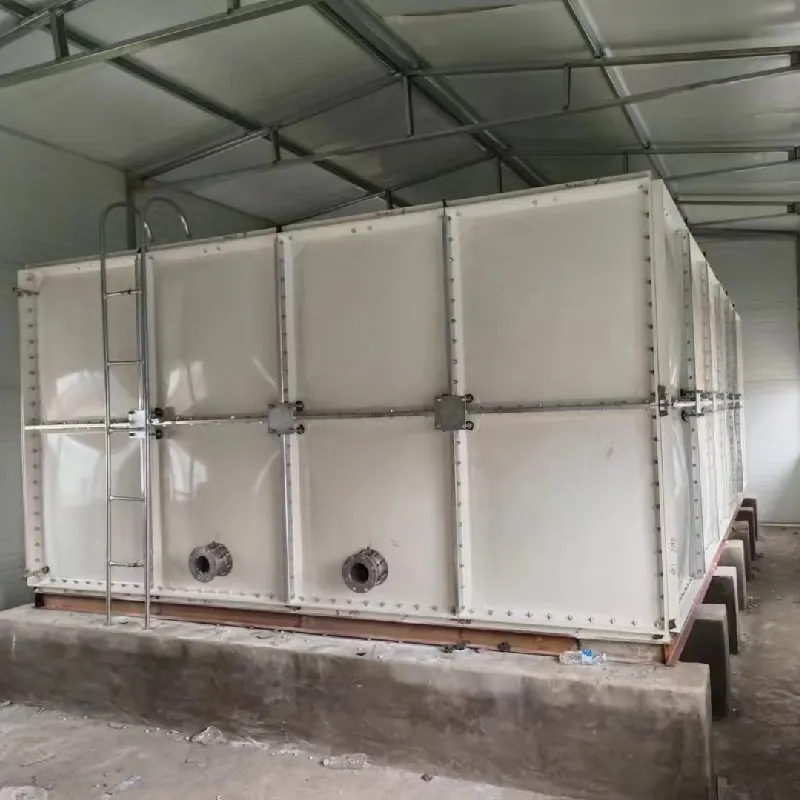
Technical Specifications and Performance Parameters
The robust design and advanced material composition of smc panel tank systems ensure high performance across various demanding conditions. Understanding these technical specifications is crucial for engineers and procurement specialists to ensure the selected tank meets project requirements and regulatory compliance.
Typical SMC Panel Tank Specifications:
| Parameter | Typical Value/Range | Benefit/Description |
|---|---|---|
| Material Composition | Isophthalic Unsaturated Polyester Resin, E-glass Fiber, Calcium Carbonate Filler | High chemical resistance, strength, and UV stability. Potable water grade available. |
| Panel Size (Standard) | 1m x 1m, 1m x 0.5m, 0.5m x 0.5m | Modular design for flexible tank dimensions and capacities. |
| Panel Thickness | 5mm to 20mm (varies by panel location and tank height) | Engineered for structural integrity and hydrostatic pressure. |
| Tensile Strength | > 60 MPa (ASTM D638) | High resistance to pulling forces, crucial for structural stability. |
| Flexural Strength | > 100 MPa (ASTM D790) | Ability to withstand bending forces without fracturing, important for loaded panels. |
| Barcol Hardness | > 40 (ASTM D2583) | Indicates surface hardness and resistance to indentation. |
| Water Absorption | < 0.1% (ASTM D570) | Minimizes material degradation and maintains hygienic conditions. |
| Heat Deflection Temp (HDT) | > 140°C (ASTM D648) | Ensures structural stability even in high ambient temperature environments. |
| Thermal Conductivity | 0.35 W/m·K | Excellent insulation properties, reducing heat gain/loss for stored water. |
| UV Resistance | Excellent (with UV stabilizers) | Prevents degradation and discoloration from prolonged outdoor exposure. |
These parameters underscore the engineered superiority of SMC materials. The high strength-to-weight ratio allows for lighter structures without compromising integrity, simplifying logistics and installation. The low thermal conductivity of SMC also provides excellent insulation, maintaining water temperature more effectively than metallic tanks, which can be critical for both potable and industrial process water.
Versatile Application Scenarios Across Industries
The adaptability and robust performance of smc panel tank systems make them suitable for a vast array of application scenarios across diverse industries. Their ability to handle various types of water and environments positions them as a preferred choice for critical infrastructure projects.
Target Industries and Typical Use Cases:
- Municipal Water Supply & Drainage: Ideal for potable water reservoirs, balancing tanks, and emergency water storage in urban and rural areas. Their hygienic properties prevent contamination, crucial for public health.
- Petrochemical and Chemical Industries: Used for storing process water, demineralized water, and various non-corrosive chemicals. The corrosion resistance of FRP is a significant advantage over steel in these aggressive environments, leading to energy saving and reduced maintenance.
- Metallurgy and Mining: Provides storage for cooling water, raw water, and wastewater treatment processes. The durability of sectional tanks is beneficial in harsh industrial settings.
- Food and Beverage Sector: Essential for hygienic storage of purified water, ingredients, and cleaning solutions. NSF/WRAS certified SMC tanks ensure compliance with strict food safety regulations.
- Fire Fighting Systems: Reliable reservoirs for fire suppression systems in commercial buildings, industrial complexes, and residential areas. Their long service life ensures constant readiness.
- Agriculture and Aquaculture: Used for irrigation water, livestock watering, and fish farming, where large volumes of water need to be stored efficiently and cleanly.
- Commercial and Residential Buildings: Rooftop water storage, rainwater harvesting, and hot water storage due to their lightweight nature and excellent insulation.
In typical application scenarios, such as storing potable water for a high-rise building, the advantages of smc panel tank systems are evident. Their lightweight nature reduces structural load on rooftops, while the modular design allows for assembly in confined spaces, circumventing typical access limitations. Moreover, the superior corrosion resistance of SMC panels negates the need for internal linings or cathodic protection, significantly reducing long-term operational costs and maintenance interventions. This inherent resistance to chemical degradation and biological growth contributes to maintaining water quality, thereby enhancing public health and operational efficiency.
Key Technical Advantages of SMC Panel Tanks
The shift towards smc panel tank technology is largely attributable to a suite of compelling technical advantages that outperform traditional materials like concrete and steel, particularly in demanding B2B applications. These advantages translate directly into lower lifecycle costs, enhanced operational reliability, and improved environmental profiles.
- Superior Corrosion Resistance: Unlike metallic tanks, SMC panels are impervious to rust, galvanic corrosion, and chemical attack from a wide range of substances, including chlorides, sulfates, and mild acids/alkalis. This makes them ideal for environments with aggressive water chemistry or coastal installations.
- Exceptional Hygiene and Water Quality Preservation: The smooth, non-porous internal surface of SMC panels actively inhibits the growth of algae, bacteria, and fungi. When manufactured with potable water-grade resins (e.g., meeting NSF/ANSI 61, WRAS, or FDA standards), these tanks maintain the purity and quality of stored water, a critical factor for human consumption and sensitive industrial processes.
- Lightweight and Modular Design: SMC panels are significantly lighter than steel or concrete, simplifying transportation and installation. The modular, bolt-together design of sectional tanks allows for assembly in constrained spaces, reducing installation time and costs, especially in urban or remote locations.
- Durability and Long Service Life: Engineered with high-strength glass fibers and durable resins, SMC tanks are designed for a service life of 25-30 years or more, requiring minimal maintenance. They resist cracking, chipping, and delamination even under varying thermal and mechanical stresses.
- Excellent Thermal Insulation: With a low thermal conductivity, SMC panels provide inherent insulation, minimizing temperature fluctuations of the stored water. This can lead to energy saving in applications requiring temperature control, such as hot water storage or process cooling.
- Seismic Resistance: The flexibility and bolted construction of SMC tanks often provide superior seismic performance compared to rigid concrete structures, making them a safer choice in earthquake-prone regions.
- UV Resistance: Incorporated UV stabilizers and protective surface layers ensure that outdoor installations maintain structural integrity and aesthetic appeal without degradation from prolonged sun exposure.
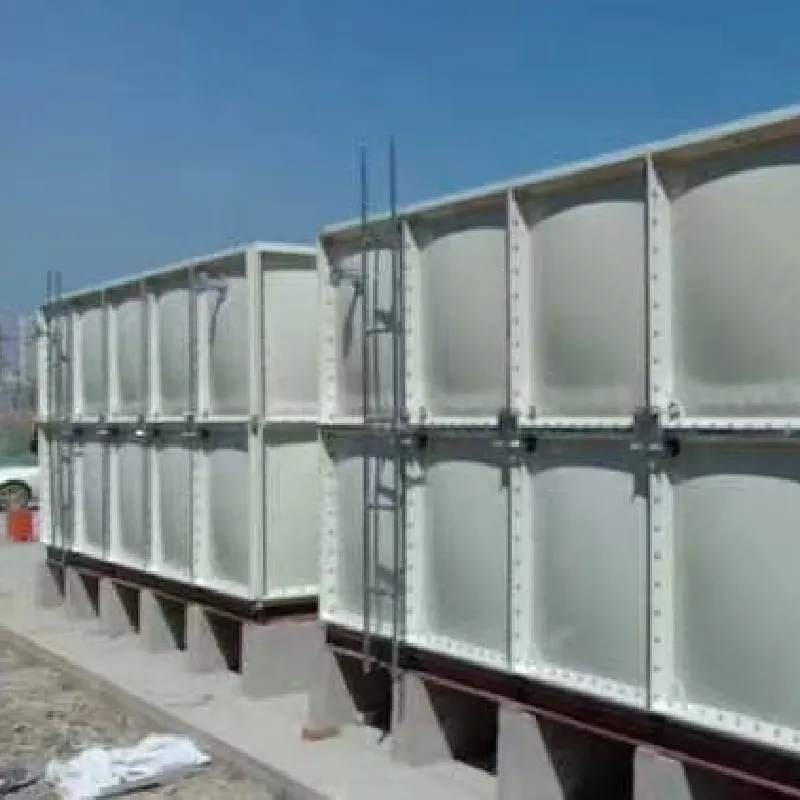
Vendor Comparison and Material Selection
Selecting the right water storage solution involves a comprehensive evaluation of material properties, vendor capabilities, and total cost of ownership. While various tank options exist, a direct comparison highlights why the smc panel tank often emerges as the optimal choice for specific B2B requirements.
Comparison of Water Tank Materials: SMC FRP vs. Traditional Options
| Feature | SMC FRP Panel Tank | Welded Steel Tank | Concrete Tank |
|---|---|---|---|
| Material Durability | Excellent (25-30+ years), corrosion-free | Good, but prone to corrosion; requires internal coatings | Excellent, but susceptible to cracking, leakage |
| Corrosion Resistance | Superior; immune to rust and chemical attack | Poor; requires extensive protective measures | Good, but internal liners often needed for potable water |
| Hygiene & Water Quality | Excellent; non-porous, anti-algae, NSF/WRAS certified options | Requires regular cleaning; internal coatings can degrade | Porous, prone to microbial growth; needs specialized coatings |
| Installation Flexibility | Highly modular, lightweight, easy assembly in confined spaces | Heavy, requires specialized welding/lifting equipment, limited site flexibility | Site-specific construction, weather-dependent, lengthy construction |
| Maintenance | Very low; occasional cleaning, minimal inspection | High; coating inspection, cathodic protection, leak repairs | Moderate to high; crack repair, joint sealing, liner inspection |
| Thermal Insulation | Excellent inherent insulation | Poor; requires external insulation for temperature control | Moderate |
| Lifecycle Cost | Favorable; higher initial smc panel tank price offset by low maintenance and long life | High due to ongoing maintenance, coatings, and potential replacements | Variable; initial cost can be low, but repair and liner replacement add up |
When choosing a vendor, key considerations extend beyond the initial smc panel tank price. It is imperative to evaluate:
- Certifications: Verify adherence to international standards like ISO 9001 for quality management, and product-specific certifications such as NSF/ANSI 61, WRAS, or AS/NZS 4020 for potable water applications.
- Experience and Track Record: Look for vendors with extensive experience in manufacturing and deploying FRP tanks, demonstrating a history of successful projects.
- Customization Capabilities: Assess the ability to provide tailored solutions for specific tank dimensions, accessories, and structural requirements.
- After-Sales Support: Evaluate the availability of technical support, spare parts, and warranty commitments, which are crucial for long-term operational efficiency.
Customized Solutions and Project Tailoring
One of the significant advantages of smc panel tank systems lies in their inherent modularity, which facilitates extensive customization. This flexibility allows for solutions precisely tailored to specific project requirements, site constraints, and operational needs, a capability often limited by monolithic tank designs.
Tailoring the SMC Tank to Your Needs:
- Variable Capacities and Dimensions: By combining standard 1m x 1m, 1m x 0.5m, and 0.5m x 0.5m panels, tanks can be constructed to virtually any required volume, from small residential systems to large-scale industrial reservoirs. The height can also be varied, typically up to 5 meters, to suit specific pressure requirements or aesthetic considerations.
- Customized Accessories and Fittings: Tank designs can integrate a wide range of accessories including internal and external ladders, inspection manholes, ventilation pipes, level indicators, anti-vortex fittings, drain connections, and multiple inlet/outlet nozzles tailored to process requirements. These components are often made from corrosion-resistant materials like stainless steel or HDPE.
- Reinforcement for Specific Loads: Depending on the tank size and location (e.g., elevated on a structure, underground), internal and external bracing can be customized to withstand hydrostatic pressure, wind loads, or seismic forces, ensuring structural integrity.
- Specialized Panel Types: For applications requiring enhanced thermal performance, insulated panels can be incorporated. For light-sensitive liquids or outdoor installations, UV-stabilized or dark-colored panels are available to prevent algae growth and material degradation.
- Site-Specific Design: The modular nature of sectional tanks allows for assembly even in difficult-to-access locations, such as basements, rooftops of existing buildings, or remote industrial sites, where pre-fabricated tanks would be impossible to deliver.
Working with a capable manufacturer enables seamless integration of these customization options from the initial design phase through to installation. This approach ensures that the final smc panel tank solution is not merely a product, but a precision-engineered system optimized for specific operational efficiency and compliance.
Application Case Studies: Proven Performance in the Field
The practical utility and performance benefits of smc panel tank systems are best illustrated through real-world application case studies. These examples demonstrate their effectiveness in diverse environments and highlight the value they bring to various industries.
Case Study 1: Municipal Potable Water Storage, Urban Development
A major urban expansion project required a new potable water reservoir for a residential district housing over 50,000 residents. Due to limited ground space, the tank needed to be installed on a reinforced concrete podium. Traditional concrete tanks were deemed too heavy and time-consuming, while welded steel tanks posed concerns regarding long-term corrosion and maintenance. A 2,500 m³ smc panel tank was selected for its lightweight, modular design, and compliance with NSF/ANSI 61. The panels were transported to the site and assembled in 6 weeks, significantly faster than conventional methods. The tank's non-corrosive properties and smooth interior surface ensure superior water quality, contributing to the health and safety of the community, while reducing the overall structural load on the podium.
Case Study 2: Industrial Process Water Storage, Chemical Plant
A chemical manufacturing facility needed a new storage solution for demineralized process water, which, despite being purified, still presented a highly corrosive environment for metallic tanks over time. A 500 m³ sectional tank made from chemical-resistant SMC panels was installed. The project demanded a rapid deployment to minimize downtime. The modular construction allowed for quick on-site assembly, and the inherent corrosion resistance of the FRP material eliminated the need for specialized internal coatings or cathodic protection, dramatically reducing maintenance costs and ensuring consistent water quality for sensitive chemical processes. The plant reported a 40% reduction in estimated maintenance expenses compared to their previous steel tanks over a five-year period.
Case Study 3: Rainwater Harvesting System, Commercial Complex
A large commercial complex implemented a rainwater harvesting system to reduce its reliance on municipal water for irrigation and toilet flushing. A 300 m³ smc panel tank was chosen for its excellent thermal insulation properties and ease of installation in a partially underground location. The tank's ability to maintain a stable water temperature prevented excessive microbial growth, ensuring the collected rainwater remained suitable for its intended non-potable uses. The modular design facilitated access through existing service tunnels for panel delivery, and the lightweight panels minimized the need for heavy lifting equipment, making the installation process efficient and cost-effective.
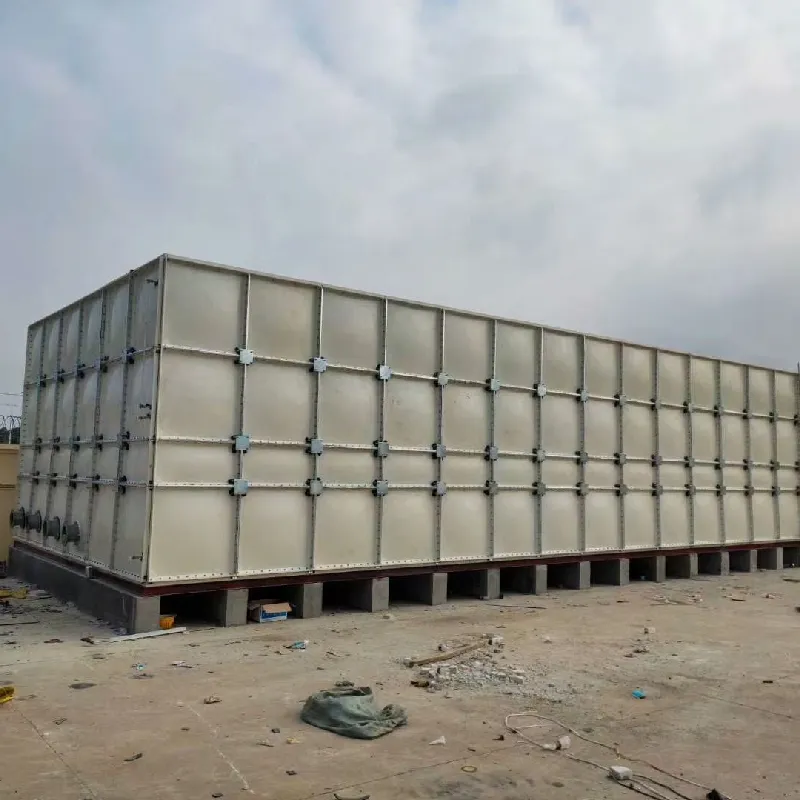
Ensuring Trustworthiness: FAQs, Lead Time, Warranty, and Support
At the core of any successful B2B partnership is trust, built upon transparency, reliability, and robust support. For high-value infrastructure components like smc panel tank systems, these elements are paramount.
Frequently Asked Questions (FAQs):
-
Q: Are SMC tanks safe for potable water?
A: Yes, when manufactured with potable water-grade resins and certified to standards like NSF/ANSI 61, WRAS, or AS/NZS 4020, SMC tanks are specifically designed for safe drinking water storage. Their non-porous surfaces inhibit bacterial growth. -
Q: What is the typical service life of an SMC tank?
A: With proper installation and minimal maintenance, an SMC tank can last 25-30 years or even longer, offering excellent long-term value. -
Q: Can SMC tanks be installed underground?
A: While primarily designed for above-ground applications, specially reinforced SMC tanks with appropriate structural design and backfilling considerations can be used for semi-underground or fully underground installations. Specific engineering evaluation is required. -
Q: How do SMC tanks handle seismic activity?
A: The modular, bolted construction and inherent flexibility of FRP materials often provide superior seismic resistance compared to rigid concrete tanks, which are prone to cracking. Specific seismic design calculations are performed for high-risk zones.
Lead Time and Fulfillment:
Typical lead times for sectional tanks can vary based on tank size, customization requirements, and current production schedules. For standard configurations, manufacturing and preparation for shipment generally range from 4-8 weeks. Larger or highly customized projects may require 8-12 weeks. Our streamlined production process and efficient logistics network ensure timely delivery, with detailed project schedules provided and updated regularly for complete transparency. We pride ourselves on meeting committed deadlines to facilitate your project timelines.
Warranty Commitments:
We stand behind the quality and durability of our Long Lasting Sanitary SMC FRP Storage Water Tanks with a comprehensive warranty. Our standard product warranty covers manufacturing defects and material integrity for a period of 10 years from the date of purchase. Specific project warranties may be extended based on application and contractual agreements. This commitment underscores our confidence in the advanced engineering and rigorous quality control applied to every smc panel tank we produce.
Customer Support and After-Sales Service:
Our commitment to our clients extends far beyond the point of sale. We provide dedicated technical support, offering expert guidance on installation, operation, and maintenance. Our after-sales service includes access to spare parts, troubleshooting assistance, and comprehensive documentation to ensure optimal performance throughout the tank's lifecycle. A team of experienced engineers and customer service representatives is available to address any inquiries or support requirements, ensuring continuous operational efficiency for your critical water storage infrastructure.
Conclusion: The Future of Reliable Water Storage
The smc panel tank represents a paradigm shift in water storage technology, offering a compelling blend of advanced material science, precision engineering, and practical advantages over traditional methods. From its meticulously controlled manufacturing process to its robust performance in diverse application scenarios, SMC FRP tanks deliver on the promise of long-lasting, hygienic, and low-maintenance water storage. As industries and municipalities increasingly prioritize sustainability, operational efficiency, and public health, the adoption of these modern sectional tanks will continue to expand. Investing in an SMC panel tank is not merely purchasing a product; it is securing a future-proof solution for reliable water management, underpinned by proven technical superiority and comprehensive support.
References
- American Water Works Association. (AWWA) Standards C801-08 for Fiberglass-Reinforced Plastic Tanks.
- NSF International/American National Standards Institute (NSF/ANSI) Standard 61: Drinking Water System Components – Health Effects.
- Water Regulations Advisory Scheme (WRAS) Approval for Materials and Components.
- ISO 9001:2015 Quality Management Systems – Requirements.
- Fiberglass Tank and Pipe Institute (FTPI). (2018). Recommended Practice for the Installation of Underground Fiberglass Tanks.
-
High Quality Fiberglass Rods for Electric Fence Insulation GuideNewsApr.16,2026
-
Benefits and Guide of Installing a White Fiberglass FenceNewsApr.09,2026
-
Choosing the Right Fibreglass Fence for Property Enhancement and LongevityNewsApr.07,2026
-
Comprehensive Guide to Durable Fiberglass Fence Rods and Their ApplicationsNewsMar.31,2026
-
Comprehensive Guide to Durable Fiberglass Fence Post Solutions for Various ApplicationsNewsMar.28,2026
-
Comprehensive Guide to Fiberglass Fencing Benefits and ApplicationsNewsMar.26,2026
-
Comprehensive Guide to Choosing the Right Safety Guard System for Industrial ProtectionNewsMar.24,2026