0%

Table of Contents

Look, I spend my days walking steel beams and concrete floors, talking to the guys actually building things. That’s where you learn what truly matters. And what matters, consistently, is reliable, safe, and efficient flooring. That’s where grating wire mesh comes in. It’s not glamorous, but it’s the backbone of countless projects, from industrial plants to water treatment facilities. We're talking about a material that has to hold up under serious loads, resist corrosion, and keep workers safe, day in and day out.

For too long, the options were limited – heavy, expensive steel that required constant maintenance, or lightweight stuff that just couldn't cut it. Now, with advancements in fiberglass reinforced polymers (FRP), grating wire mesh is stepping up. It’s lighter, stronger, and more durable than ever before. This isn't just about saving a few bucks upfront; it’s about reducing long-term costs and downtime.

I’ve seen projects delayed and budgets blown because of flooring failures. The downtime alone is killer. That’s why I’m passionate about solutions like this – it solves a real problem for the people on the ground, the ones who are actually building our world.
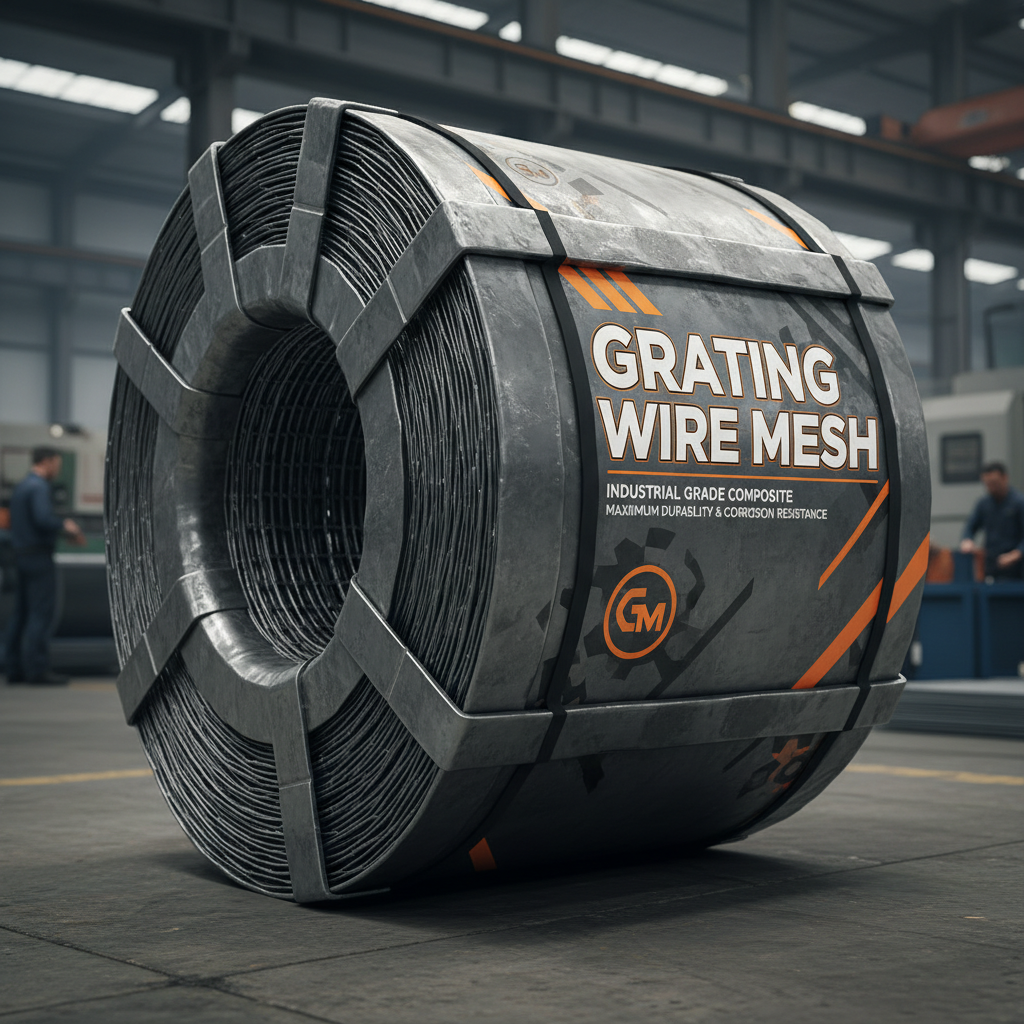
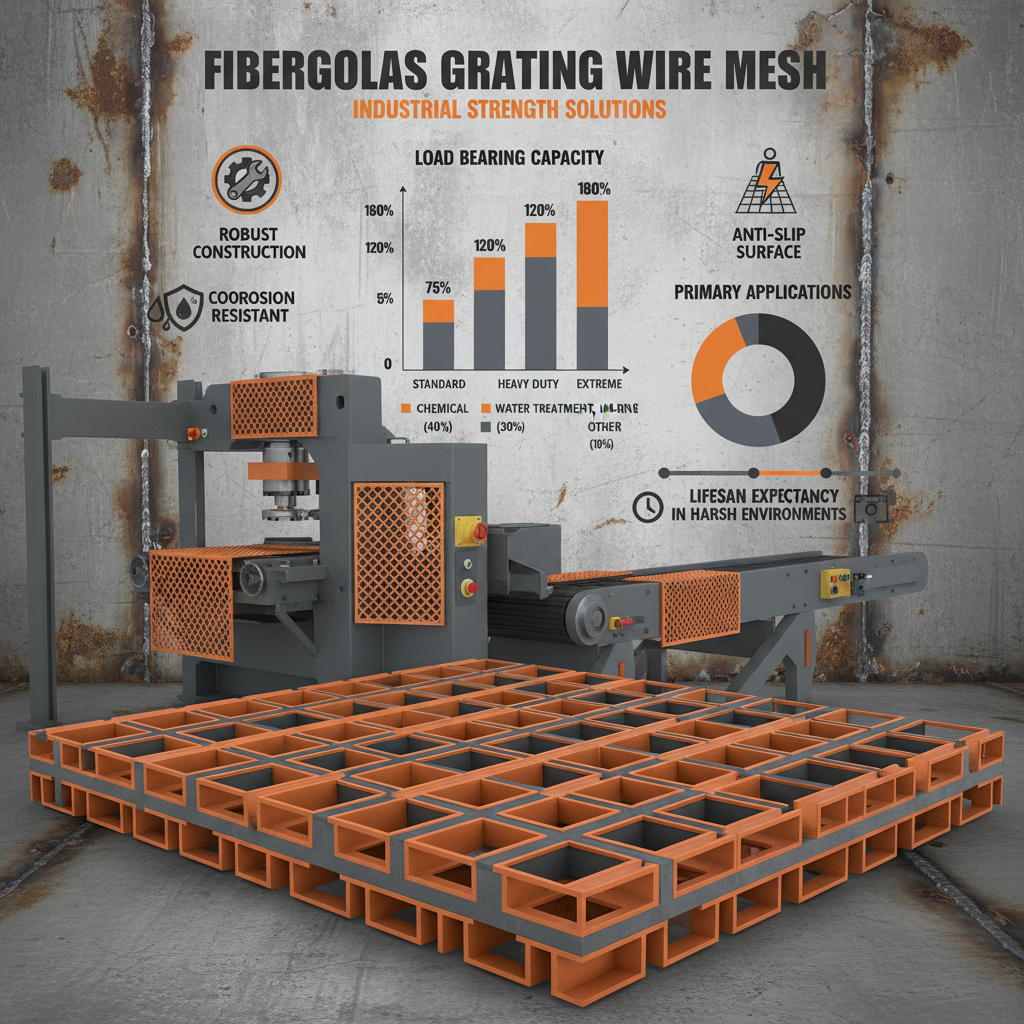
Advanced grating wire mesh Solutions for Safe and Durable Industrial Flooring

The Core Principles of grating wire mesh

Advanced grating wire mesh Solutions for Safe and Durable Industrial Flooring

At its heart, grating wire mesh is about distributing load. Think about a floor that needs to support heavy machinery. It’s not just about the strength of the material itself, but how that weight is spread across the structure. A properly designed grating wire mesh system does exactly that, preventing localized stress points and ensuring long-term stability.

From a practical standpoint, the interlocking design of the mesh is critical. It's not just about the individual wires; it’s about how they work together to create a unified, resilient surface. The weld points have to be solid, and the overall structure must be consistent. That’s what separates the good stuff from the stuff that’s going to cause problems down the road.

The Global Relevance of grating wire mesh

You see this stuff everywhere. Industrial facilities, wastewater treatment plants, offshore platforms… pretty much anywhere you need a safe, durable walking surface. The demand for robust infrastructure is only going up, particularly in developing nations building out their industrial capacity. We’re talking about billions of dollars in projects globally.

The ISO standards for load-bearing surfaces are getting stricter, too. Safety is paramount. And let's be real, older materials like steel often don't meet these new standards without significant reinforcement and maintenance. This pushes demand for lighter, stronger alternatives like FRP grating wire mesh.

According to the World Bank, infrastructure investment is crucial for sustainable economic growth. And a key component of that investment? Reliable, long-lasting flooring solutions. That’s where this stuff comes into play.

Defining grating wire mesh

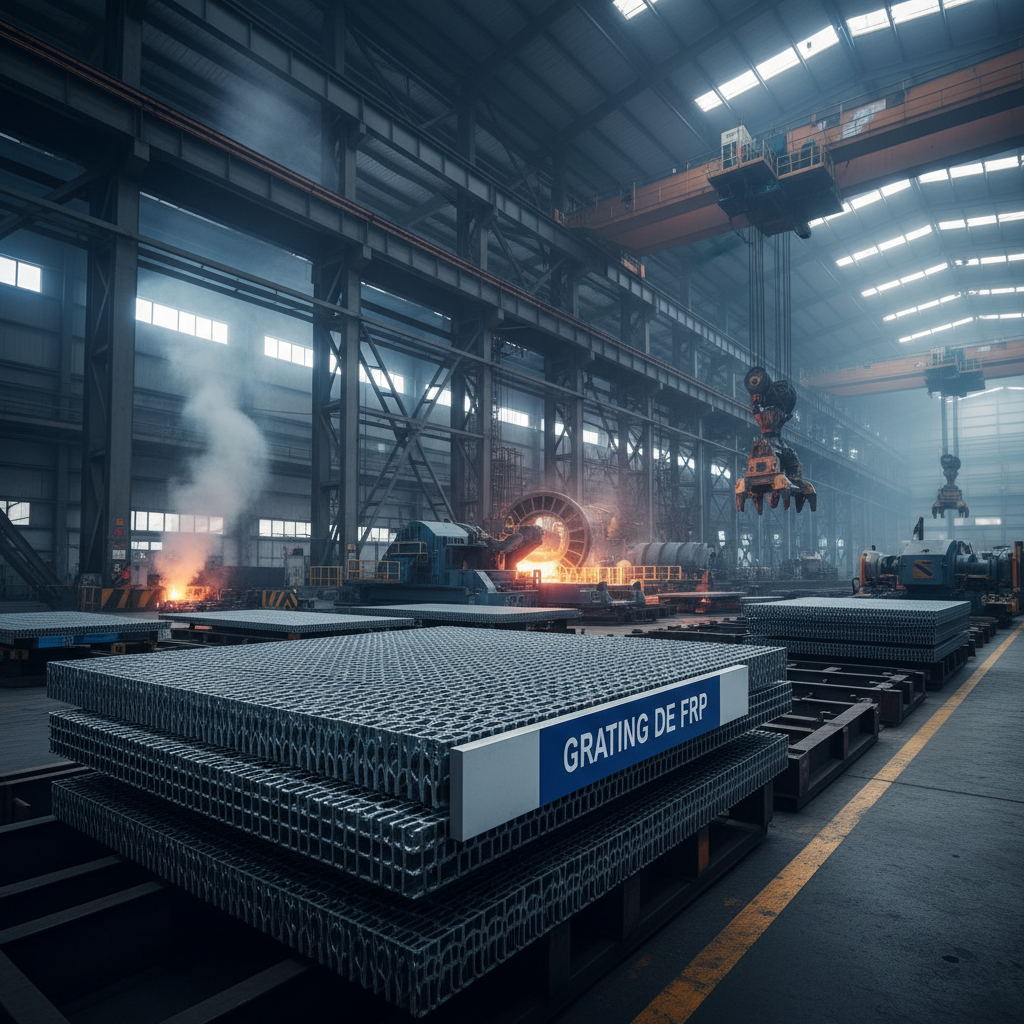
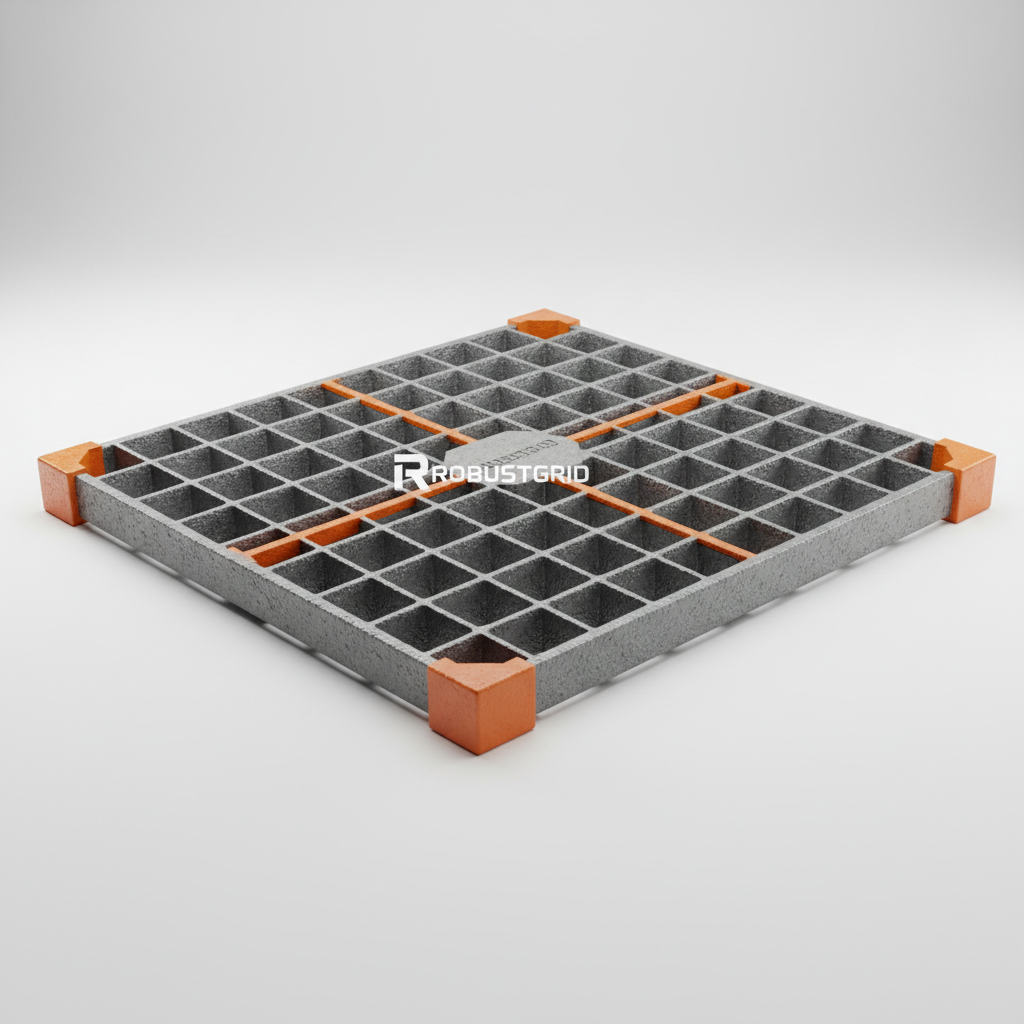
Simply put, grating wire mesh is an open grid system typically made from interlaced metal or, increasingly, fiberglass reinforced polymers. It’s designed to provide a strong, stable walking surface while allowing liquids, debris, and air to pass through. Think of it as a durable, breathable floor.

It's far more than just a flooring material, though. It's a safety feature, a structural component, and a long-term investment. It’s integral to modern industrial processes, ensuring efficient workflows and minimizing risk in hazardous environments.

The connection to humanitarian needs is growing, too. In disaster relief scenarios, quick-deployable grating wire mesh platforms can provide safe access to affected areas and support temporary infrastructure. That's something I've seen firsthand.

Key Aspects of High-Quality grating wire mesh

Durability is king. You want something that can withstand years of heavy use, exposure to the elements, and corrosive substances. That’s where the material choice really matters—FRP is significantly more resistant to corrosion than steel, especially in saltwater environments.

Scalability is another big one. Projects come in all shapes and sizes. You need a system that can be easily customized to fit the specific dimensions and load requirements of each job. A modular design makes all the difference.

grating wire mesh Performance Metrics


Real-World Applications of grating wire mesh

I’ve seen it used extensively in wastewater treatment plants. The open grid design allows liquids to drain freely, reducing the risk of standing water and corrosion. It’s also incredibly important in oil and gas refineries where safety is paramount.

In remote industrial zones, where access to maintenance crews is limited, the durability of FRP grating wire mesh is a game-changer. It minimizes downtime and reduces the need for costly repairs.

The Long-Term Value Proposition of grating wire mesh

The initial cost might be a little higher than some traditional materials, but the long-term savings are significant. Reduced maintenance, increased lifespan, and lower replacement costs add up over time. It's a smart investment.

Beyond the financial benefits, there’s the peace of mind that comes with knowing you’re using a safe, reliable product. That's invaluable, especially in industries where worker safety is a top priority.

Plus, using FRP materials aligns with sustainability goals. It’s a more environmentally friendly option than steel, reducing the carbon footprint of construction projects.

Future Trends in grating wire mesh Technology

We're seeing a lot of innovation in FRP materials, with new resins and manufacturing processes that are further enhancing strength and durability. Smart grating with integrated sensors is also on the horizon. Imagine a flooring system that can detect stress points and alert maintenance crews to potential problems before they become major issues.

The push for sustainable materials is only going to intensify. I expect to see even more widespread adoption of FRP grating wire mesh as companies strive to reduce their environmental impact.

Digital twin technology will also play a role, allowing engineers to model and simulate the performance of grating wire mesh systems in real-time, optimizing designs and predicting maintenance needs.

Summary of Key Considerations for grating wire mesh Selection

Material Type Load Capacity Corrosion Resistance Cost Analysis
Steel High (8-12 tons) Low (requires coating) Low Initial, High Lifecycle
FRP Medium-High (7-10 tons) Very High High Initial, Low Lifecycle
Aluminum Medium (5-7 tons) Medium Medium
Stainless Steel High (9-13 tons) High Very High
Phenolic FRP Medium (6-8 tons) Excellent High Initial, Low Lifecycle
Vinylester FRP Medium-High (7-9 tons) Very High High Initial, Low Lifecycle

FAQS

What are the primary benefits of using FRP grating wire mesh over traditional steel?

FRP grating wire mesh offers significant advantages over steel, including superior corrosion resistance, lighter weight for easier installation, and lower maintenance costs. Steel requires regular painting and upkeep to prevent rust, while FRP is inherently resistant to many corrosive substances. It's a long-term cost saver, especially in harsh environments. Plus, it's non-conductive, adding a layer of safety.

How does grating wire mesh handle heavy loads and impacts?

Properly engineered grating wire mesh systems are designed to distribute loads effectively, preventing localized stress. FRP materials, while lighter, can achieve comparable load capacities to steel. Impact resistance depends on the specific resin and construction, but high-quality FRP grating can withstand significant impacts without failure. The key is selecting the right product for the application.

What is the lifespan of FRP grating wire mesh compared to steel?

FRP grating typically has a significantly longer lifespan than steel, often exceeding 25-30 years with minimal maintenance. Steel, on the other hand, requires regular maintenance to prevent corrosion and may need replacement within 10-15 years in harsh environments. This translates to lower lifecycle costs and reduced downtime.

Is FRP grating wire mesh suitable for all environments?

While incredibly versatile, FRP isn't a one-size-fits-all solution. Exposure to certain strong solvents or prolonged UV radiation can degrade some resin types. However, there are specialized FRP formulations designed for specific environments. Choosing the right resin is crucial. Generally, it excels in corrosive environments where steel struggles.

How is FRP grating wire mesh installed? Is it more complex than steel?

FRP grating is generally easier to install than steel due to its lighter weight. It can be cut and fastened with standard tools. However, proper installation techniques are essential to ensure structural integrity. It’s best to follow the manufacturer’s guidelines and, in some cases, consult with a structural engineer.

What is the environmental impact of FRP grating wire mesh?

FRP grating generally has a lower environmental impact than steel due to its longer lifespan, reduced maintenance requirements, and potential for using recycled materials in its construction. It also avoids the need for frequent repainting, which can release harmful volatile organic compounds (VOCs).

Conclusion

grating wire mesh, particularly FRP versions, isn’t just a flooring material – it's a smart investment in safety, durability, and long-term cost savings. From industrial plants to critical infrastructure, it's a foundational element ensuring efficiency and worker well-being. It’s a product I see making a real difference on jobsites every day.

The future of this technology is bright. With ongoing innovation in materials and design, we can expect even more robust, sustainable, and intelligent grating wire mesh solutions in the years to come. If you’re looking for a reliable, long-lasting flooring option, I encourage you to explore the possibilities. Visit our website at www.zjcomposites.com to learn more.

Ethan Bellwether

Ethan Bellwether

Ethan Bellwether serves as the Senior Materials Engineer at ZJ Composites. With over 12 years of experience in composite materials, Ethan focuses on optimizing FRP/GRP grating and pultrusion profiles for peak performance. He's deeply committed to ZJ Composites’ vision of 'Better Composites, Better than Metal,' consistently pushing boundaries in material
Previous Maximize Safety and Longevity with Durable Fiberglass Stair Tread Covers
Next Fiberglass Grating FRP Stair Solutions