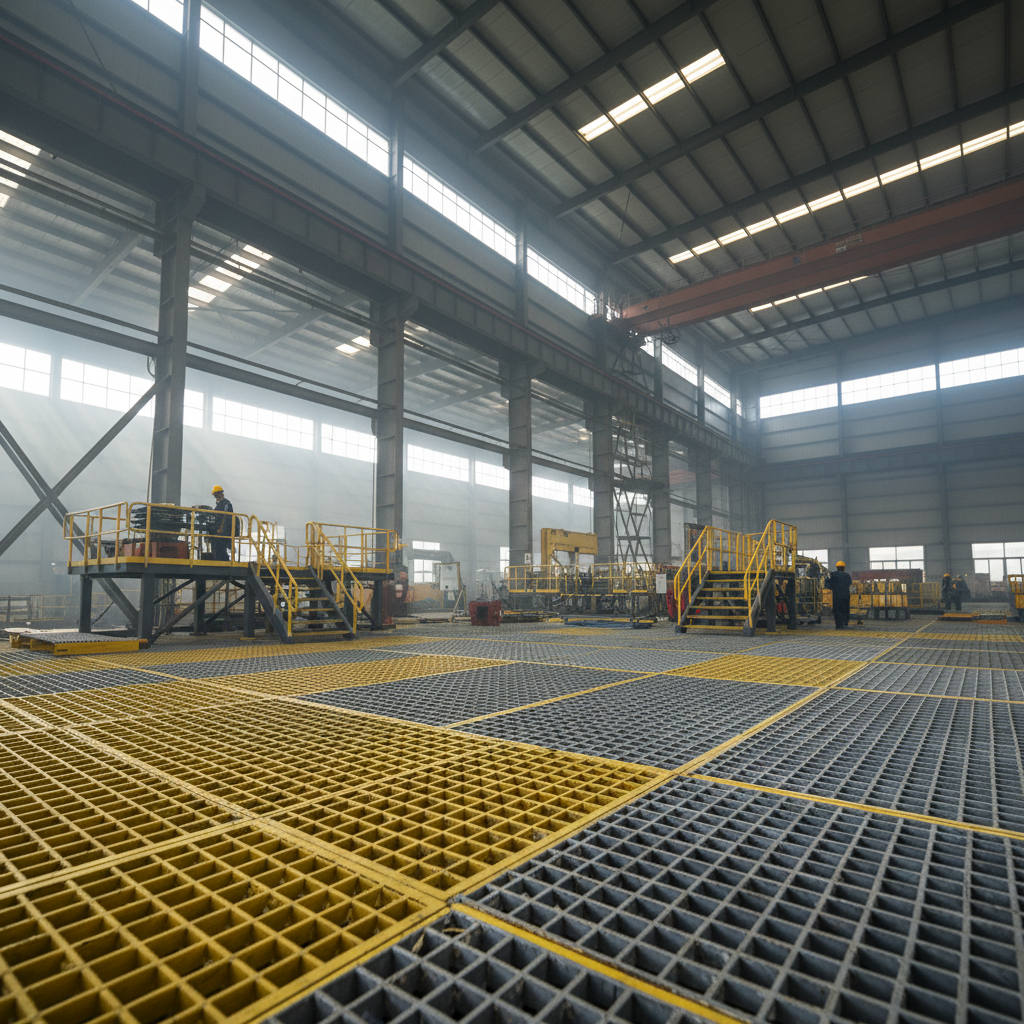
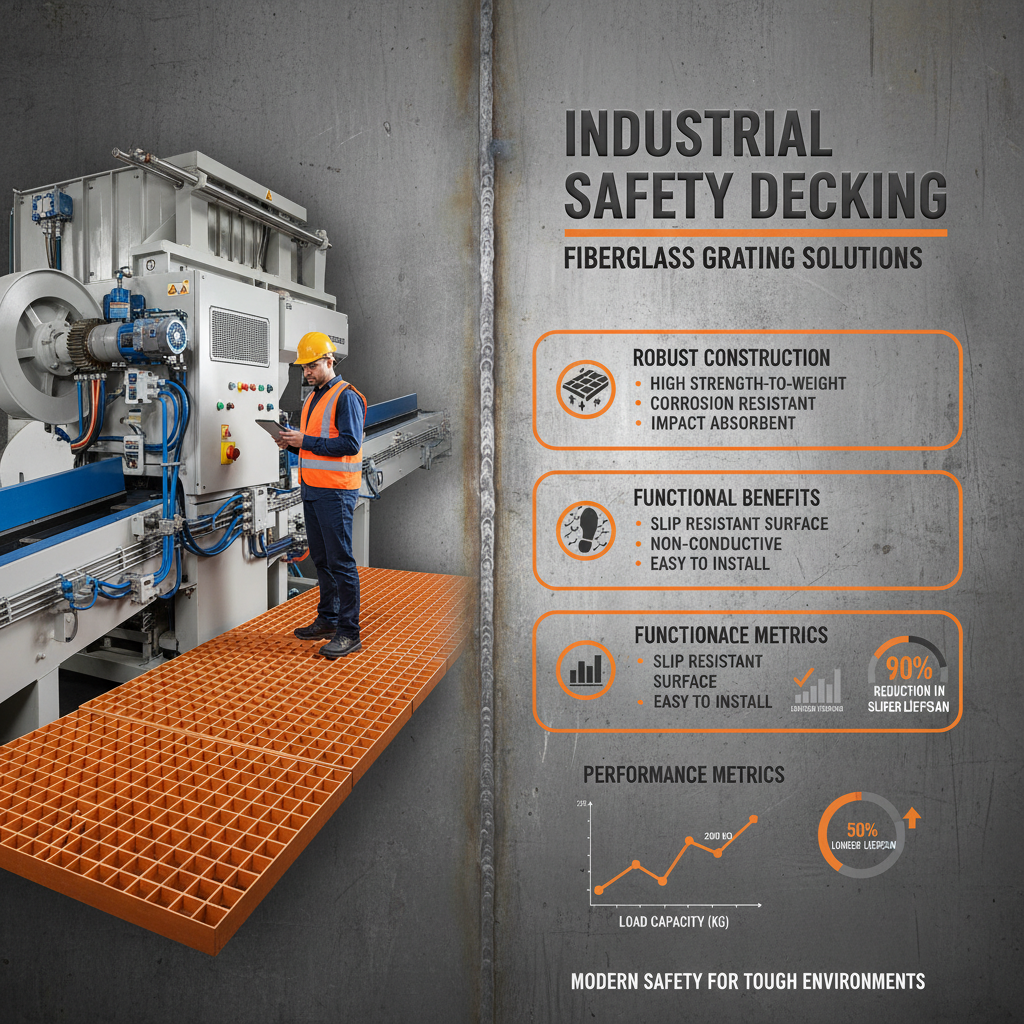
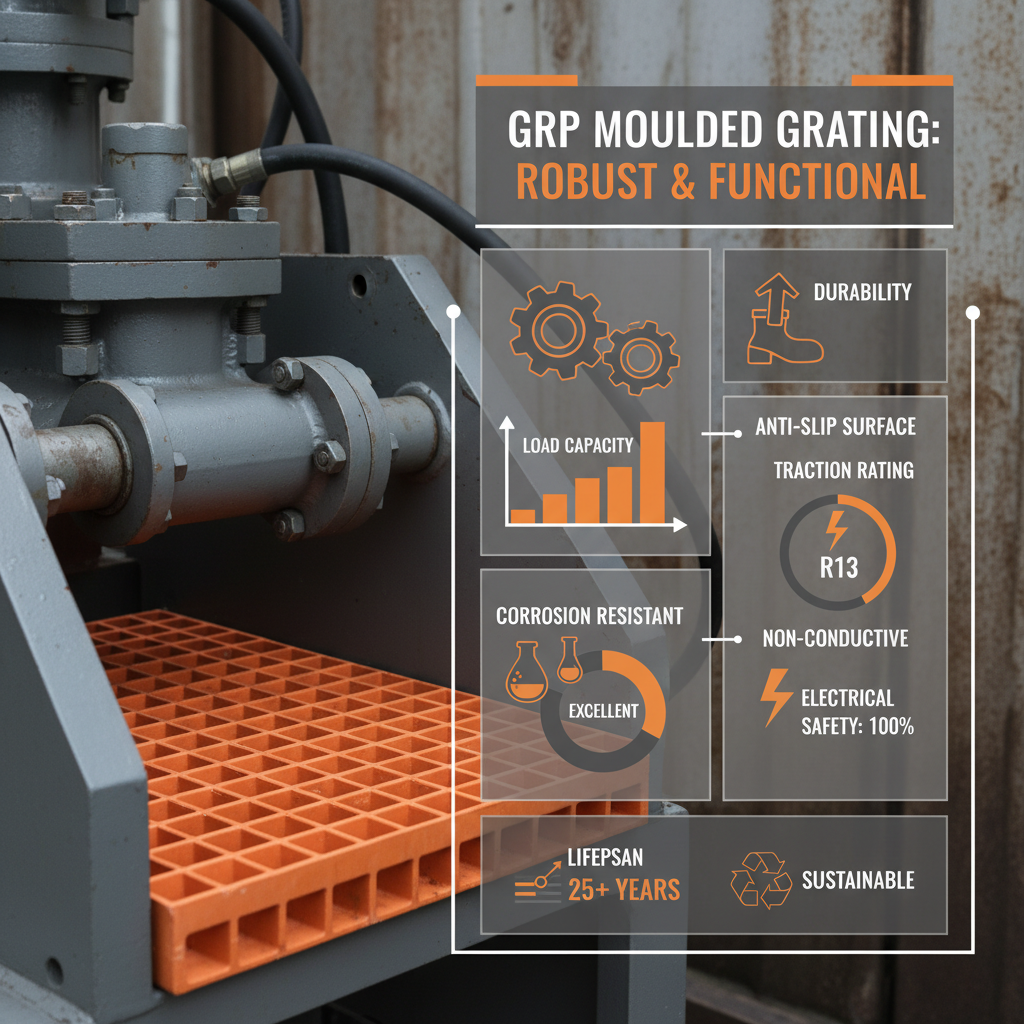
In the demanding environments of modern industrial infrastructure, the implementation of high-quality safety decking has transitioned from a luxury to a critical operational necessity. Whether in chemical processing plants, offshore oil rigs, or wastewater treatment facilities, the surface upon which workers walk determines not only the efficiency of maintenance but, more importantly, the physical safety of the personnel. By integrating advanced composite materials, industries can mitigate the risks of slips, trips, and structural failures that often plague traditional metal walkways.
The global shift toward non-corrosive materials is driven by a need to reduce lifecycle costs and enhance workplace ergonomics. Traditional steel decking, while strong, is prone to oxidation and requires constant painting and treatment, which often leads to costly downtime. In contrast, modern safety decking solutions utilize Fiber Reinforced Polymer (FRP), offering an inherent resistance to harsh chemicals and extreme weather, ensuring that the structural integrity of the walking surface remains uncompromised over decades.
Understanding the technical nuances of safety decking allows facility managers to make informed decisions that balance initial capital expenditure with long-term operational reliability. From the coefficient of friction provided by grit-top surfaces to the load-bearing capacities of pultrusion profiles, every detail contributes to a safer industrial ecosystem. This guide explores the comprehensive landscape of safety decking, from its fundamental components to the innovative trends shaping the future of industrial flooring.
Global Industrial Context of Safety Decking
On a global scale, workplace safety is governed by stringent standards such as ISO 45001 and OSHA guidelines, which emphasize the elimination of hazards in the work environment. Statistics from the International Labour Organization (ILO) indicate that slips and falls remain one of the leading causes of occupational injuries. This has placed safety decking at the forefront of industrial design, as companies strive to achieve "zero-accident" goals through the adoption of non-slip, high-visibility flooring systems.
The challenge is particularly acute in emerging industrial hubs where rapid expansion often outpaces the implementation of safety infrastructure. In these regions, the transition from improvised wooden or rusted steel platforms to engineered composite decking is not just an upgrade in material, but a fundamental shift in safety culture. By prioritizing the installation of certified safety decking, organizations reduce their liability and ensure a more stable, predictable environment for their workforce.
Defining Safety Decking in Modern Engineering
In simple terms, safety decking refers to an engineered flooring system designed specifically to provide a secure, slip-resistant, and durable walking surface in hazardous environments. Unlike standard flooring, safety decking is characterized by its ability to maintain traction even when exposed to oils, chemicals, or water, often utilizing an integrated grit surface or an open-mesh structure to allow fluids to drain away from the point of contact.
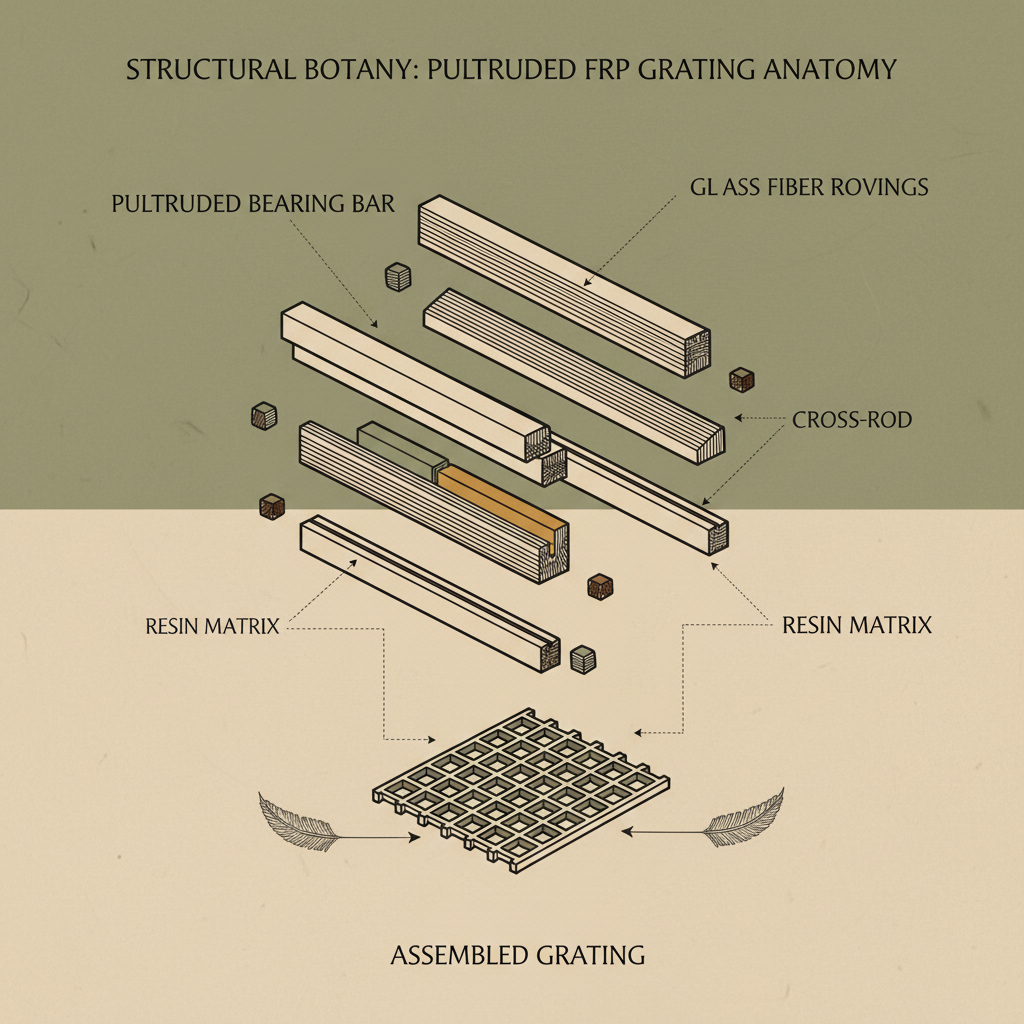
From an engineering perspective, these systems are often constructed from Fiber Reinforced Polymer (FRP) or high-grade galvanized alloys. The integration of FRP in safety decking represents a synergy between chemistry and structural engineering, utilizing thermosetting resins reinforced with glass fibers to create a material that is lightweight yet possesses a strength-to-weight ratio that often exceeds that of traditional structural steel.
This evolution in material science addresses the humanitarian need for safer working conditions. By reducing the physical strain and psychological stress associated with navigating dangerous walkways, safety decking fosters a more focused and productive workforce. It transforms a mundane architectural element into a proactive safety tool that saves lives and prevents debilitating injuries.
Core Components of High-Performance Decking
The effectiveness of safety decking is rooted in its durability. The use of vinyl ester or polyester resins ensures that the decking can withstand prolonged exposure to corrosive acids and alkalis, preventing the structural decay that typically leads to sudden collapses in traditional metal systems.
Scalability and ease of installation are equally vital. Modular safety decking components, such as Pultrusion Grating, allow for rapid deployment and reconfiguration. This modularity means that as a plant expands, the safety infrastructure can grow seamlessly without requiring extensive demolition or specialized heavy machinery for installation.
Finally, cost-efficiency is realized through the elimination of maintenance. While the initial investment in composite safety decking may be higher than basic steel, the total cost of ownership is significantly lower because it requires no painting, no rust treatment, and offers a much longer service life in aggressive environments.
Critical Performance Metrics for Safety Decking
Evaluating the quality of safety decking requires a look at specific performance indicators, primarily the slip resistance (measured by the coefficient of friction) and the load-bearing capacity. High-performance systems are tested under various conditions—wet, oily, and dry—to ensure that the grip remains consistent, regardless of the contaminants present on the surface.
Furthermore, the deflection rate under maximum load is a key safety metric. Engineering teams must ensure that the decking does not bend excessively, as this can lead to instability and user anxiety. By utilizing reinforced pultrusion profiles, modern safety decking achieves a rigid structure that supports heavy machinery and high foot traffic without compromising its shape.
Comparison of Safety Decking Material Performance
Global Applications and Use Cases
The application of safety decking spans across diverse and extreme environments. In the oil and gas sector, particularly in offshore platforms in the North Sea or the Gulf of Mexico, FRP decking is the gold standard due to its immunity to salt-spray corrosion. Here, the decking must provide absolute stability for technicians working in high-wind and high-moisture conditions.
Beyond heavy industry, these solutions are increasingly used in urban infrastructure and public safety. For instance, in wastewater treatment plants across Europe and Asia, safety decking is used for catwalks and access platforms where the air is saturated with hydrogen sulfide—a gas that eats through steel in a matter of months. In these contexts, the use of composite materials is not just a preference but a requirement for operational survival.
Long-Term Economic and Safety Value
Investing in premium safety decking yields significant tangible benefits over time. The most immediate impact is the reduction in maintenance-related labor costs. Because composite decking does not rust or rot, the need for annual inspections, scraping, and repainting is eliminated, allowing maintenance crews to focus on critical machinery rather than surface upkeep.
From a logical angle, the reliability of a non-corrosive surface reduces the risk of catastrophic structural failure, thereby lowering insurance premiums and legal liabilities. However, there is also an emotional value: workers who feel safe on their platforms are more confident and less stressed, leading to higher morale and a stronger sense of trust in their employer's commitment to their well-being.
Sustainability is the final piece of the value proposition. Modern FRP safety decking is designed for a long lifecycle, reducing the frequency of replacement and the amount of waste sent to landfills. By choosing materials that last 25+ years, companies align their operational goals with global environmental targets, proving that safety and sustainability are mutually reinforcing.
Future Innovations in Composite Decking
The future of safety decking is being shaped by the digital transformation of industry. We are seeing the emergence of "Smart Decking," where fiber-optic sensors are embedded directly into the FRP pultrusion profiles during manufacturing. These sensors can detect structural fatigue or excessive loading in real-time, alerting managers to potential failures before they occur.
Material science is also evolving toward the use of bio-resins and recycled carbon fibers to further reduce the carbon footprint of production. The goal is to maintain the extreme durability of safety decking while making the manufacturing process circular. This move toward "Green Composites" ensures that the industry can meet the demands of the green energy transition, such as in the construction of wind turbine access platforms.
Automation is also playing a role, with 3D printing and robotic pultrusion allowing for the creation of custom-shaped safety decking that fits complex industrial geometries without the need for wasteful on-site cutting. This precision engineering reduces installation time and ensures a tighter, safer fit for every application.
Comparison of Safety Decking Material Evolution and Specifications
| Material Type |
Corrosion Resistance |
Maintenance Need |
Lifespan (Years) |
| Traditional Carbon Steel |
Low |
High (Annual) |
5-10 |
| Galvanized Steel |
Medium |
Medium (3-5yr) |
10-15 |
| Aluminum Alloy |
Medium-High |
Low |
15-20 |
| Standard FRP Composite |
High |
Very Low |
20-30 |
| Vinyl Ester FRP |
Excellent |
Minimal |
30+ |
| Smart-Fiber Composite |
Excellent |
Predictive |
30+ |
FAQS
FRP safety decking is fundamentally immune to oxidation and chemical corrosion, unlike galvanized steel which eventually rusts when the zinc layer is compromised. Additionally, FRP is significantly lighter, reducing the dead load on structures and making installation faster and safer without the need for heavy lifting equipment.
We utilize an integrated grit surface—typically silicon carbide or aluminum oxide—that is bonded to the resin during the curing process. This creates a high-friction texture that cuts through oily films to maintain contact with the footwear, ensuring a stable grip even in the most contaminated industrial settings.
Yes, by adjusting the mesh density and the thickness of the pultruded profiles, we can engineer safety decking to meet specific load-bearing requirements. Whether you need a lightweight catwalk or a heavy-duty platform for machinery, the structural design can be tailored to match the required kN/m² rating.
While the material cost per square foot may be higher, the overall installation cost is often lower due to the lightweight nature of the material and the reduced need for specialized welding. Furthermore, the total cost of ownership is drastically lower due to the near-zero maintenance requirements over the product's life.
Depending on the resin used (polyester vs. vinyl ester), safety decking can last anywhere from 20 to over 30 years in highly corrosive environments. Vinyl ester resins are specifically recommended for plants handling strong acids or bases to maximize longevity.
Absolutely. We offer safety decking manufactured with flame-retardant additives that comply with international fire safety standards (such as ASTM E84). These materials self-extinguish and limit smoke production, making them suitable for high-risk industrial zones.
Conclusion
In summary, safety decking is far more than a simple flooring choice; it is a strategic investment in human safety and operational longevity. By combining the corrosion resistance of advanced polymers with the structural strength of fiber reinforcement, these systems eliminate the primary causes of industrial slips and structural failures. From the initial reduction in maintenance costs to the long-term benefit of a safer, more confident workforce, the transition to engineered composite decking is a hallmark of a modern, responsible industrial operation.
Looking forward, the integration of smart sensors and sustainable bio-resins will continue to push the boundaries of what safety decking can achieve. As industries evolve toward greater automation and stricter environmental standards, the demand for durable, intelligent, and eco-friendly walking surfaces will only grow. We encourage facility managers and engineers to audit their current infrastructure and consider the transformative impact of upgrading to high-performance composite solutions. Visit our website for more information: www.zjcomposites.com