Understanding frp grating price is crucial in modern infrastructure development and industrial safety. The cost-effectiveness, durability, and lightweight nature of Fiber Reinforced Polymer (FRP) grating make it a compelling alternative to traditional materials like steel. Knowing the factors influencing its price—raw material costs, manufacturing processes, and project-specific requirements—allows for informed decision-making and optimized project budgets. This knowledge is increasingly vital as industries prioritize safety, longevity, and sustainable solutions.
The global demand for FRP grating is steadily increasing, driven by its corrosion resistance and minimal maintenance needs, particularly in harsh environments like chemical plants, wastewater treatment facilities, and offshore platforms. According to industry reports, the FRP grating market is projected to experience significant growth in the coming years, indicating a growing recognition of its long-term value. Navigating the frp grating price landscape effectively is essential for project managers, engineers, and procurement professionals.
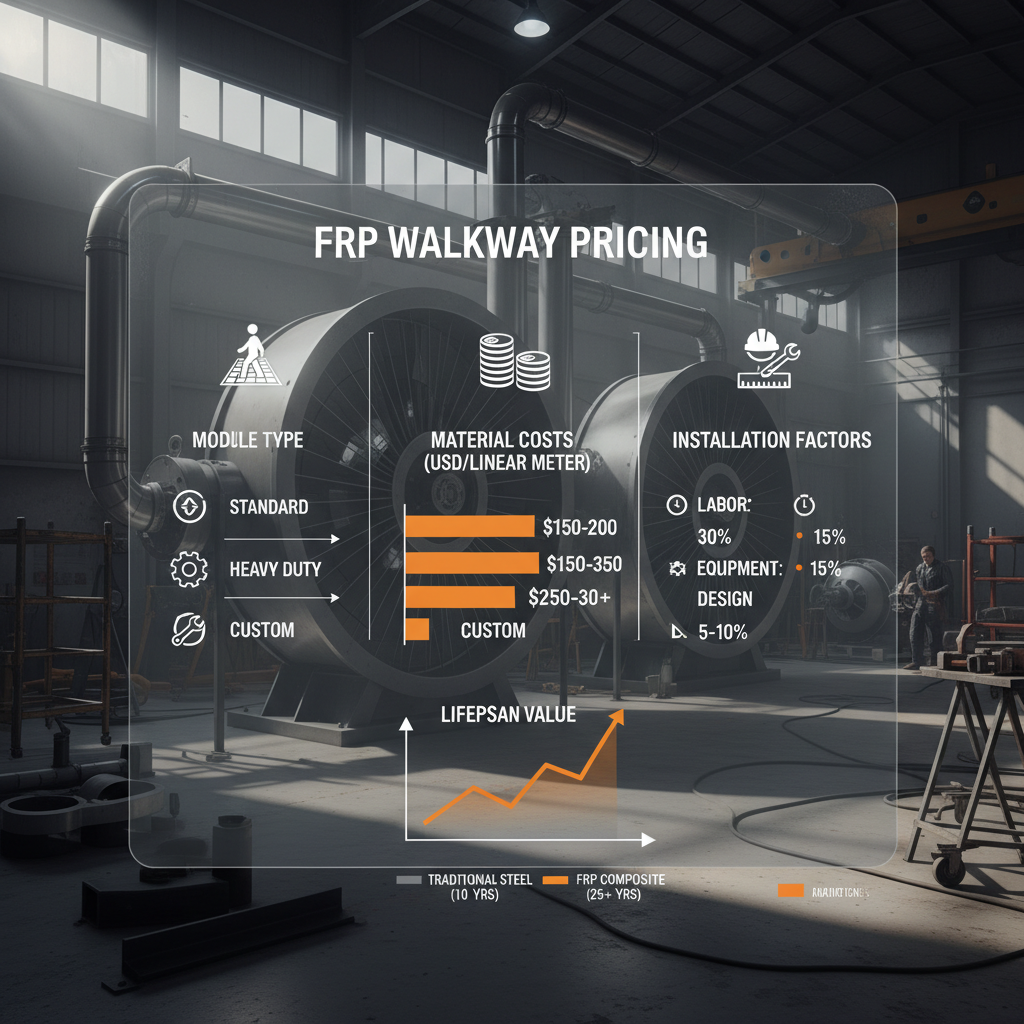
Effectively understanding frp grating price extends beyond simply finding the lowest initial cost. It requires evaluating the total cost of ownership, factoring in installation, lifespan, and potential replacement costs. FRP grating often demonstrates significant savings over its lifecycle compared to traditional materials due to its resistance to corrosion and reduced maintenance. This makes it a financially prudent investment for many industries seeking sustainable and reliable infrastructure solutions.
Introduction to frp grating price
FRP grating price can fluctuate based on a variety of market forces, including the cost of raw materials like resin and fiberglass. Understanding these fluctuations is vital for budget planning and ensuring project profitability. Variations in manufacturing techniques and the specific type of FRP used also contribute to price differences.
Considering the lifespan and reduced maintenance costs associated with FRP grating provides a more accurate picture of its overall value compared to traditional grating materials. While the initial investment may sometimes be higher, the long-term savings often outweigh the upfront expense, particularly in corrosive environments. Comparing the total cost of ownership is crucial when evaluating frp grating price.
Defining frp grating price
frp grating price refers to the monetary value associated with purchasing Fiber Reinforced Polymer grating. This price encompasses not only the raw material and manufacturing costs but also factors in design, fabrication, and quality control. It's important to distinguish between different types of FRP grating (e.g., molded, pultruded) as their construction methods influence the price.
The definition of frp grating price is inextricably linked to the increasing demand for durable, lightweight, and corrosion-resistant materials in industries ranging from chemical processing and wastewater treatment to marine and architectural applications. FRP grating offers a sustainable alternative to traditional materials, contributing to a longer lifespan and reduced environmental impact.
Accurately determining the frp grating price requires understanding the specific needs of a project. Factors such as load requirements, span lengths, mesh sizes, and resin types will all affect the final cost. Obtaining quotes from multiple suppliers and carefully comparing specifications is essential for securing the best value.
Key Factors Influencing frp grating price
Several key factors drive frp grating price. The type of resin used (e.g., polyester, vinyl ester, epoxy) significantly impacts cost, with epoxy resins generally being the most expensive but offering superior corrosion resistance and strength. Fiberglass reinforcement also plays a role, with higher glass content leading to increased strength and price.
Manufacturing processes heavily influence price. Pultruded grating, produced through a continuous pulling process, is typically more cost-effective for large-volume production, while molded grating, created using a mold, is better suited for complex shapes and smaller quantities. Labor costs and overhead expenses also contribute to the overall price.
Project-specific requirements, such as custom sizes, coatings, or specialized load ratings, will also affect the frp grating price. Transportation costs and any necessary installation services should be factored into the overall budget. The supplier’s location and the current market demand also play a role in determining the final price.
Global Applications and Use Cases
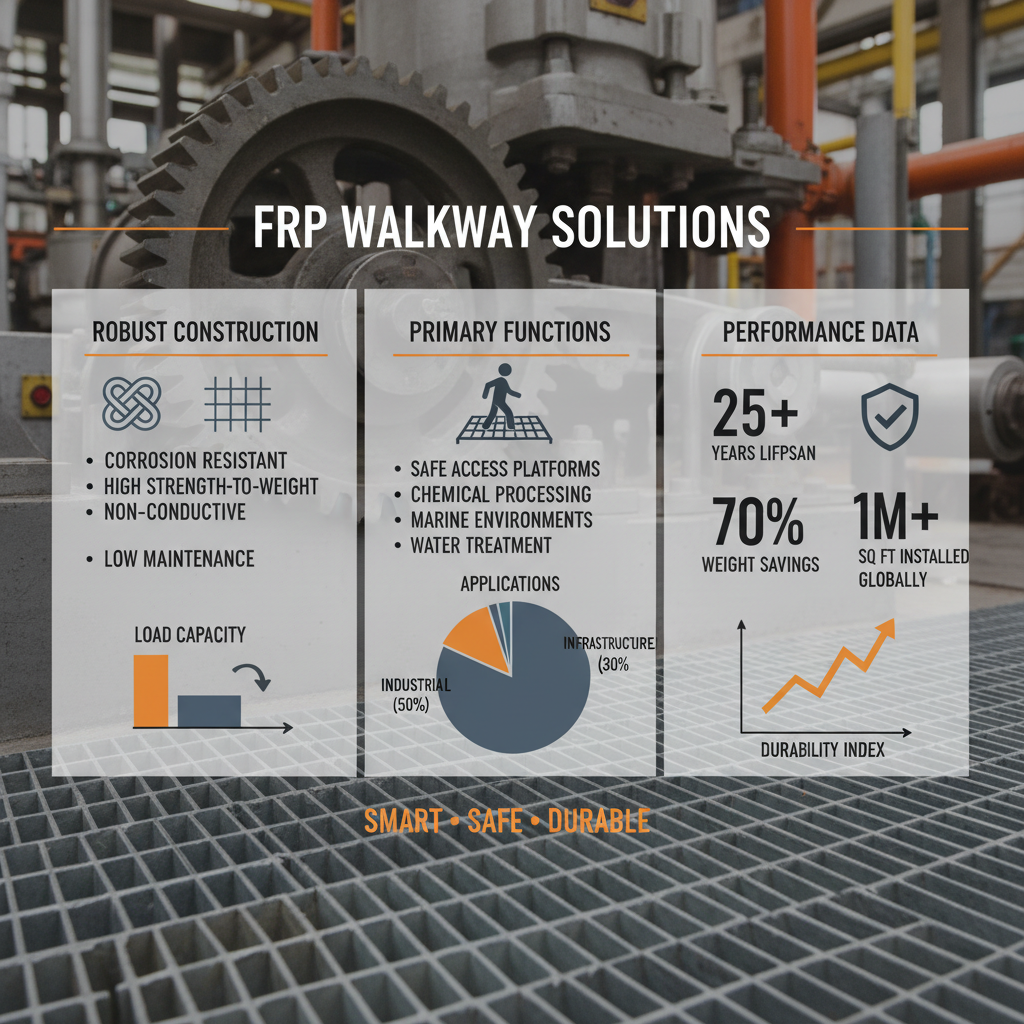
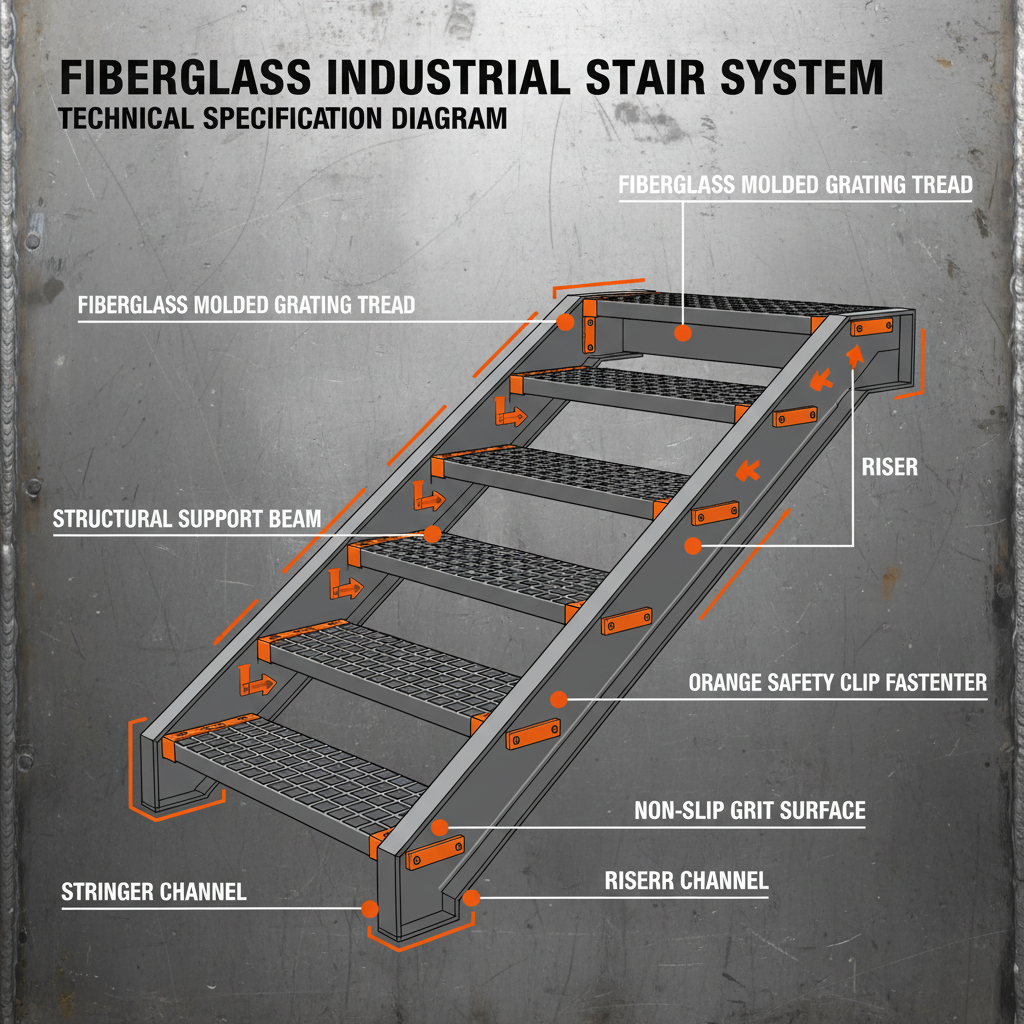
FRP grating finds widespread application in industries requiring corrosion resistance and high strength-to-weight ratios. Chemical processing plants utilize it for walkways, platforms, and stair treads, minimizing maintenance and ensuring worker safety. Wastewater treatment facilities benefit from its resistance to harsh chemicals and corrosive environments.
Offshore platforms and marine environments employ FRP grating due to its non-conductivity and resistance to saltwater corrosion. Power generation plants and pulp and paper mills also rely on FRP grating for its durability and safety features. Increasingly, it’s being used in architectural applications for aesthetically pleasing and long-lasting structures.
Comparative frp grating price Based on Application
Advantages and Long-Term Value
The advantages of FRP grating extend beyond its initial frp grating price. Its exceptional corrosion resistance eliminates the need for costly maintenance and replacement, resulting in significant long-term savings. Its lightweight nature reduces installation costs and structural support requirements.
FRP grating's non-conductive properties enhance safety in hazardous environments, minimizing the risk of electrical shock. Its high strength-to-weight ratio ensures durability and structural integrity. Furthermore, FRP grating contributes to sustainability by reducing the need for resource-intensive material replacements.
Future Trends and Innovations
Ongoing research focuses on developing more sustainable and cost-effective FRP materials. Bio-based resins are gaining traction as an environmentally friendly alternative to traditional petroleum-based resins. Advanced manufacturing techniques, such as automated fiber placement, promise to reduce production costs and improve consistency.
Smart FRP grating, integrated with sensors for structural health monitoring, is emerging as a promising innovation. This technology enables real-time assessment of grating condition, allowing for proactive maintenance and preventing potential failures. The adoption of digital modeling and simulation tools will further optimize grating design and reduce material waste.
Challenges and Solutions Regarding frp grating price
One challenge associated with frp grating price is the relative lack of standardization in manufacturing processes, leading to variations in quality and cost. Establishing industry-wide standards would promote transparency and facilitate price comparison. Supply chain disruptions and fluctuations in raw material prices can also impact frp grating price.
Another hurdle is overcoming the perception that FRP grating is inherently more expensive than traditional materials. Emphasizing the total cost of ownership, including reduced maintenance and extended lifespan, is crucial for demonstrating its long-term value. Developing localized manufacturing capabilities can mitigate transportation costs and improve supply chain resilience.
Addressing these challenges requires collaboration between manufacturers, engineers, and end-users to foster innovation and drive down the overall frp grating price while maintaining high quality and performance standards. Continued investment in research and development will also play a critical role in unlocking the full potential of FRP grating.
Summary of Factors Affecting FRP Grating Pricing & Performance
| Resin Type |
Manufacturing Process |
Project Specifics |
Long-Term Cost Impact |
| Polyester (Lowest Cost) |
Molded Grating (Smaller Runs) |
Custom Sizes (Higher) |
Low initial cost, moderate maintenance |
| Vinyl Ester (Medium Cost) |
Pultruded Grating (Large Runs) |
Standard Sizes (Lower) |
Moderate initial cost, reduced maintenance |
| Epoxy (Highest Cost) |
Continuous Pultrusion |
Specialized Coatings (Additional) |
High initial cost, minimal maintenance |
| Hybrid Resins |
Automated Fabrication |
Complex Designs (Increased) |
Balanced cost, good maintenance |
| Recycled Content Resins |
Lean Manufacturing |
Quick Delivery (Potential Premium) |
Lower environmental impact, competitive pricing |
| Nanomaterial Enhanced Resins |
Precision Cutting & Assembly |
Specific Load Requirements (Variable) |
Superior performance, potentially higher upfront cost |
FAQS
The frp grating price is most influenced by the type of resin used (polyester, vinyl ester, or epoxy), the manufacturing process (molded vs. pultruded), the volume of the order, and any custom design features. Fiberglass content and the supplier’s location also play a role. Understanding these elements helps in accurately assessing the overall cost.
FRP grating typically boasts a significantly longer lifespan than steel grating, often exceeding 20-30 years, while steel may require replacement within 10-15 years due to corrosion. Although the initial frp grating price might be higher, the reduced maintenance and replacement costs over its extended lifespan often result in lower total cost of ownership.
Absolutely. FRP grating’s inherent resistance to corrosion makes it an exceptionally cost-effective solution in highly corrosive environments, such as chemical plants and wastewater treatment facilities. Steel grating in these settings requires frequent painting and eventual replacement, leading to substantial long-term costs. FRP eliminates these expenses.
Lead times for custom-sized FRP grating can vary from 4-8 weeks, depending on the complexity of the design and the supplier's production schedule. Rushing the order or requiring expedited manufacturing may incur additional costs, increasing the overall frp grating price. Planning ahead and providing accurate specifications is crucial.
FRP grating is significantly lighter than steel grating, typically 60-80% lighter. This reduced weight translates to lower installation costs, as less heavy machinery is required, and installation can be completed more quickly and safely. The reduced structural support needed can also contribute to savings.
Yes, most suppliers offer volume discounts on FRP grating purchases. Discounts are typically structured based on order quantity, with larger orders receiving progressively lower per-unit prices. Negotiating with the supplier and obtaining quotes for different quantities is recommended to secure the best possible deal.
Conclusion
In conclusion, understanding frp grating price requires a holistic approach that considers not only the initial cost but also the long-term benefits, including reduced maintenance, increased durability, and enhanced safety. FRP grating presents a compelling alternative to traditional materials, offering a sustainable and cost-effective solution for a wide range of industrial and commercial applications.
Looking ahead, continued innovation in materials and manufacturing processes will likely drive down the frp grating price, making it even more accessible and competitive. Embracing FRP grating is a strategic investment that promotes long-term value, enhances operational efficiency, and contributes to a more sustainable future. For optimal frp grating price and solutions, visit our website: www.zjcomposites.com.