0%

Table of Contents

frp protruded grating is a robust and versatile structural material rapidly gaining prominence across a diverse range of industries. Its unique construction—where reinforcing fibers are pulled through resin and then formed into a grating pattern—provides exceptional strength-to-weight ratios, corrosion resistance, and design flexibility. Understanding its properties and applications is crucial for engineers, architects, and project managers seeking durable, long-lasting, and cost-effective solutions.

The global demand for durable infrastructure and safer working environments is driving increased adoption of frp protruded grating. According to a recent report by Grand View Research, the global fiber reinforced polymer (FRP) market was valued at USD 27.78 billion in 2022 and is expected to grow at a compound annual growth rate (CAGR) of 12.3% from 2023 to 2030. This growth is fueled by increasing infrastructure investments in developing economies, as well as stringent safety regulations in developed countries.

frp protruded grating effectively addresses the challenges posed by traditional materials like steel and aluminum, particularly in corrosive environments. It eliminates the need for frequent maintenance and replacement, reducing lifecycle costs and minimizing downtime. This makes it an ideal material for applications in chemical plants, wastewater treatment facilities, marine environments, and other demanding settings.


Exploring the Advantages and Applications of FRP Protruded Grating

Introduction to frp protruded grating

Exploring the Advantages and Applications of FRP Protruded Grating

frp protruded grating offers a compelling alternative to traditional materials due to its exceptional resistance to corrosion, chemicals, and extreme weather conditions. This inherent durability translates into reduced maintenance costs and extended service life, making it a financially prudent choice for long-term infrastructure projects.

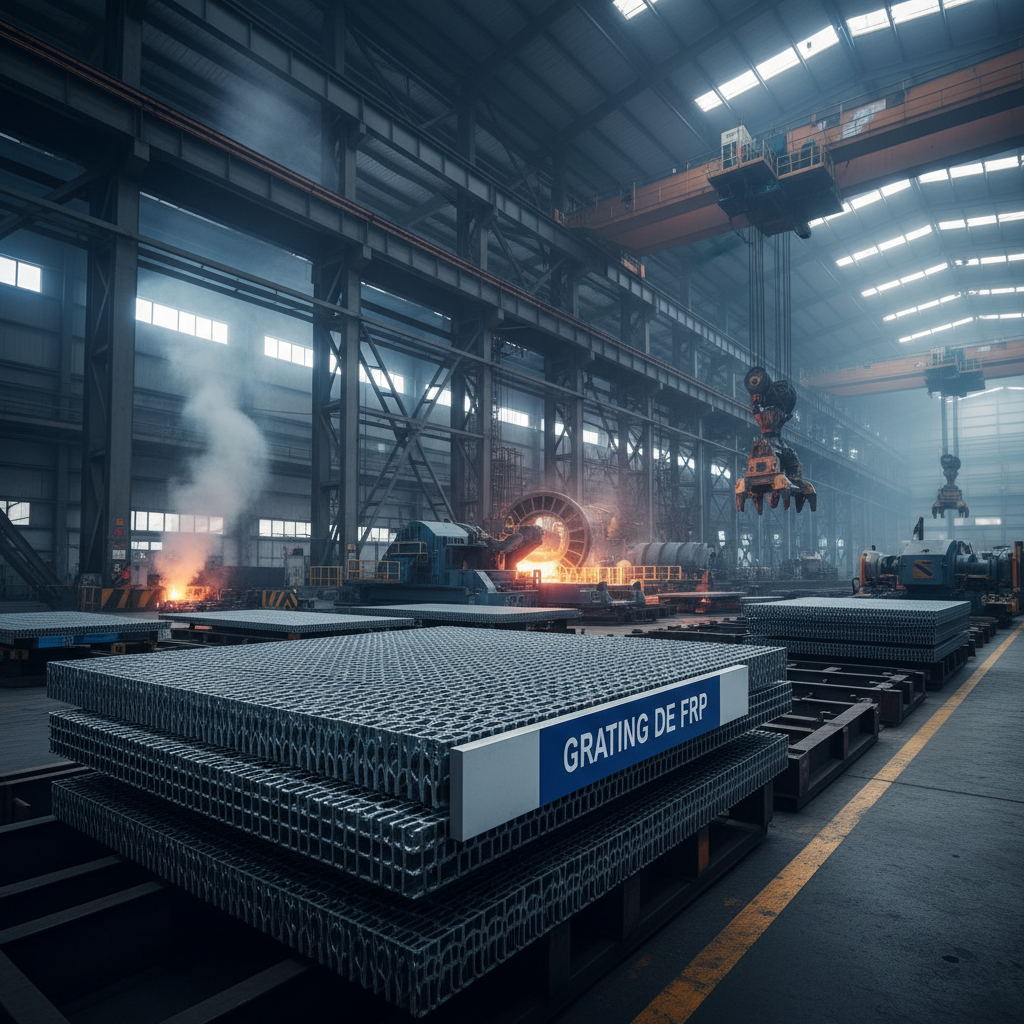
The manufacturing process of frp protruded grating ensures consistent quality and precise dimensions. Reinforcing fibers, typically glass fiber, carbon fiber, or basalt fiber, are continuously pulled through a resin bath and then formed into the desired grating profile. This continuous pultrusion process creates a product with uniform mechanical properties and dimensional accuracy.

Defining frp protruded grating

frp protruded grating is a type of composite material manufactured through a pultrusion process. This process involves pulling reinforcing fibers – such as fiberglass, carbon fiber, or basalt fiber – through a resin bath, typically polyester, vinyl ester, or epoxy. The saturated fibers are then shaped into a continuous grating profile and cured, resulting in a structurally sound and highly durable product.

Unlike traditional grating materials, frp protruded grating is non-conductive, non-magnetic, and lightweight, making it ideal for applications where these characteristics are critical. It’s a modern solution addressing the shortcomings of steel, aluminum, and wood, which are susceptible to corrosion, decay, and require frequent maintenance.

Its connection to modern industry stems from the need for materials that can withstand harsh environments, reduce lifecycle costs, and enhance safety. In humanitarian needs, frp protruded grating finds applications in temporary shelters, portable bridges, and sanitation facilities, providing a rapidly deployable and sustainable solution.

Key Factors of frp protruded grating

Corrosion Resistance: frp protruded grating excels in environments where corrosion is a significant concern. Unlike steel, it does not rust or degrade when exposed to salt water, chemicals, or harsh weather, reducing maintenance and replacement costs.

High Strength-to-Weight Ratio: frp protruded grating offers comparable or even superior strength to steel, but with significantly less weight. This lightness simplifies installation, reduces structural support requirements, and lowers transportation costs.

Design Flexibility: The pultrusion process allows for the creation of a wide range of grating profiles, mesh sizes, and thicknesses. This versatility enables engineers to tailor the grating to specific application requirements.

Non-Conductivity: The non-conductive nature of frp protruded grating makes it safe for use in environments where electrical hazards are present, such as power plants and chemical facilities.

Low Maintenance: The inherent durability and corrosion resistance of frp protruded grating minimize the need for ongoing maintenance, reducing lifecycle costs and downtime.

Fire Retardancy: While not inherently fireproof, frp protruded grating can be manufactured with fire-retardant resins, enhancing its safety in fire-sensitive applications.

Applications of frp protruded grating

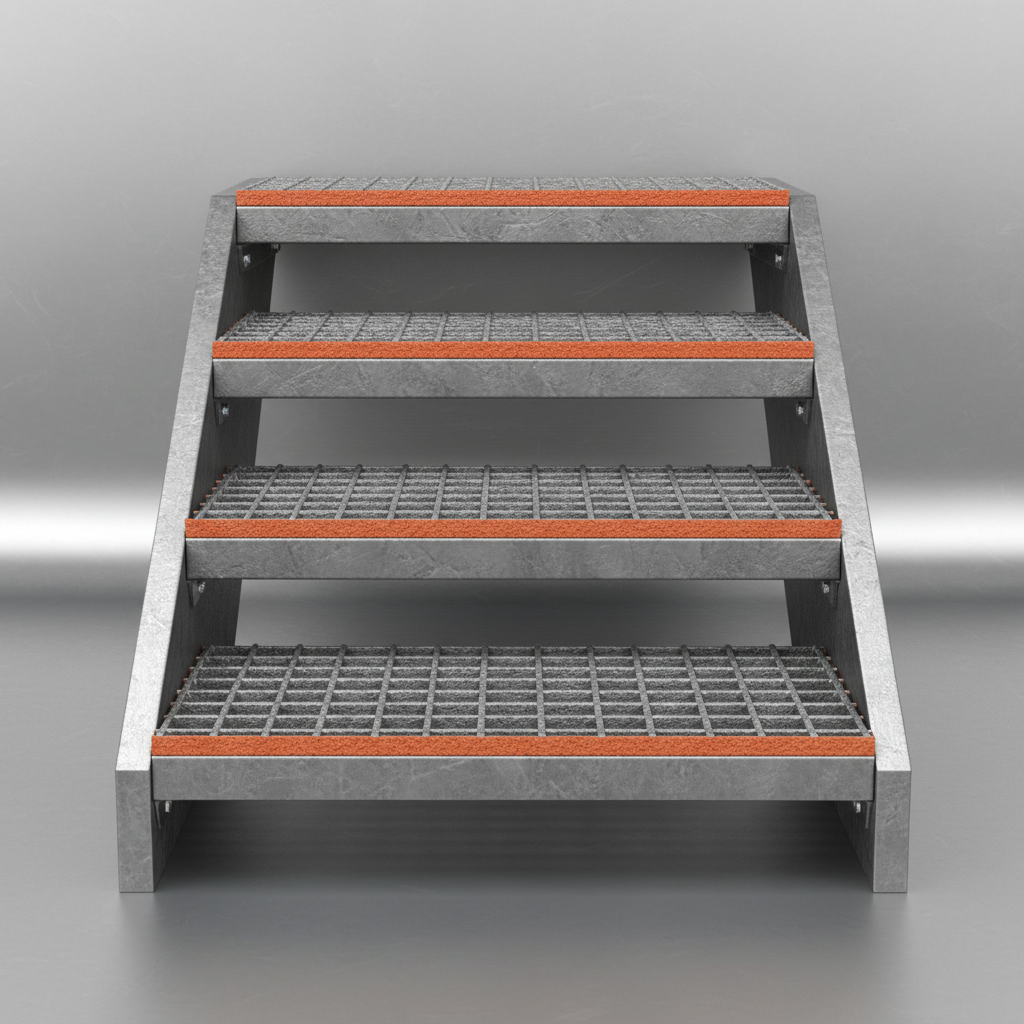
frp protruded grating finds extensive use in industrial facilities, including chemical plants, oil and gas refineries, and wastewater treatment plants, providing safe and durable walking surfaces and platforms. Its resistance to corrosive chemicals and harsh environments makes it an ideal choice for these demanding applications.

frp protruded grating Applications by Industry


Advantages of frp protruded grating

The primary advantage of frp protruded grating lies in its exceptional durability and resistance to corrosion, significantly reducing lifecycle costs compared to traditional materials like steel. This translates to less frequent replacements and lower maintenance expenses.

Furthermore, its lightweight nature simplifies installation and reduces the structural support required, leading to cost savings in construction projects. The non-conductive properties of frp protruded grating enhance safety in hazardous environments, protecting workers from electrical shocks. frp protruded grating is a modern choice.

Global Usage of frp protruded grating

The use of frp protruded grating is widespread globally, with significant adoption in North America, Europe, and Asia-Pacific. North America remains a major market due to stringent safety regulations and aging infrastructure that requires replacement.

In Europe, the focus on sustainable infrastructure and environmental protection drives the demand for corrosion-resistant materials like frp protruded grating. Asia-Pacific is experiencing rapid growth in infrastructure development, creating a substantial market for frp composites. In remote industrial zones and offshore platforms, its lightweight and corrosion-resistant properties are especially valuable.

The demand is also growing in emerging economies as they invest in modernizing their infrastructure and prioritizing safety. Companies like frp protruded grating suppliers are playing a key role in meeting this demand.

Future Trends in frp protruded grating

The future of frp protruded grating is intertwined with advancements in materials science and manufacturing technologies. Research and development are focused on utilizing bio-based resins and recycled fibers to enhance the sustainability of frp composites.

Automation and digital technologies, such as robotic pultrusion and real-time monitoring systems, are improving production efficiency and quality control. The integration of sensors into frp protruded grating structures will enable smart infrastructure applications, providing data on structural health and performance.

Comparative Analysis of Key frp protruded grating Features

Material Composition Corrosion Resistance (1-10) Strength-to-Weight Ratio (1-10) Lifecycle Cost (1-10, 1=Highest)
Fiberglass/Polyester 9 7 4
Carbon Fiber/Epoxy 10 10 2
Basalt Fiber/Vinyl Ester 8 6 3
Steel (Coated) 4 8 7
Aluminum 6 5 6
Wood (Treated) 3 4 8

FAQS

What are the main advantages of frp protruded grating over traditional steel grating?

frp protruded grating offers significant advantages over steel, primarily in corrosion resistance. Unlike steel, it doesn’t rust, reducing maintenance and replacement costs. It’s also lighter, making installation easier and potentially reducing structural support needs. Additionally, it's non-conductive, enhancing safety in electrical environments. While initially more expensive, the lower lifecycle cost often makes it a more economical choice overall.

Can frp protruded grating be used in extremely cold temperatures?

Yes, frp protruded grating performs well in extremely cold temperatures. Unlike some metals which can become brittle, frp maintains its structural integrity and flexibility. However, the specific resin system used in the manufacturing process can influence performance; vinyl ester and epoxy resins generally exhibit superior low-temperature performance compared to polyester resins.

How does the cost of frp protruded grating compare to steel?

The initial material cost of frp protruded grating is typically higher than steel. However, when considering the total cost of ownership, frp often proves more economical. This is due to its superior corrosion resistance, which significantly reduces maintenance, repair, and replacement expenses over the lifespan of the product. Reduced installation costs due to its lighter weight can also contribute to overall savings.

What are the fire resistance properties of frp protruded grating?

frp protruded grating is inherently combustible, but fire-retardant resins can be incorporated into the manufacturing process to enhance its fire resistance. The level of fire retardancy can be tailored to meet specific application requirements and industry standards. It’s essential to consult the manufacturer's specifications and relevant building codes to determine the appropriate fire rating for a given application.

Is frp protruded grating environmentally friendly?

frp protruded grating offers several environmental benefits. Its long lifespan reduces the need for frequent replacements, conserving resources and minimizing waste. Some manufacturers are incorporating recycled fibers and bio-based resins into their products, further enhancing their sustainability. The corrosion resistance also eliminates the need for environmentally harmful coatings often used on steel.

What types of resins are used in frp protruded grating manufacturing?

Common resin systems used in frp protruded grating include polyester, vinyl ester, and epoxy. Polyester resins are the most cost-effective option and suitable for many general applications. Vinyl ester resins offer improved corrosion resistance and mechanical properties. Epoxy resins provide the highest performance characteristics, including superior strength, stiffness, and resistance to harsh chemicals.

Conclusion

frp protruded grating represents a significant advancement in structural materials, offering a compelling combination of durability, corrosion resistance, and design flexibility. Its applications span a wide range of industries, from industrial facilities and marine environments to infrastructure projects and wastewater treatment plants. By reducing lifecycle costs, enhancing safety, and minimizing environmental impact, frp protruded grating is poised to become an increasingly important material in the construction and engineering sectors.

Looking ahead, continued innovation in materials science and manufacturing techniques will further enhance the performance and sustainability of frp protruded grating. The development of bio-based resins and the integration of smart technologies will unlock new possibilities for its application, contributing to a more resilient and efficient built environment. Explore the potential of frp protruded grating today.

Jasper Thornton

Jasper Thornton

Jasper Thornton is a Quality Control Supervisor at ZJ Composites, responsible for ensuring all products meet stringent standards. With a meticulous approach and over 7 years of experience in manufacturing, Jasper oversees the inspection processes for FRP/GRP products, from raw materials to finished goods. He leads a team of skilled
Previous Exploring the Advantages of FRP Grating for Modern Infrastructure Solutions
Next Expert Insights on Cutting FRP Grating Installation and Material Selection