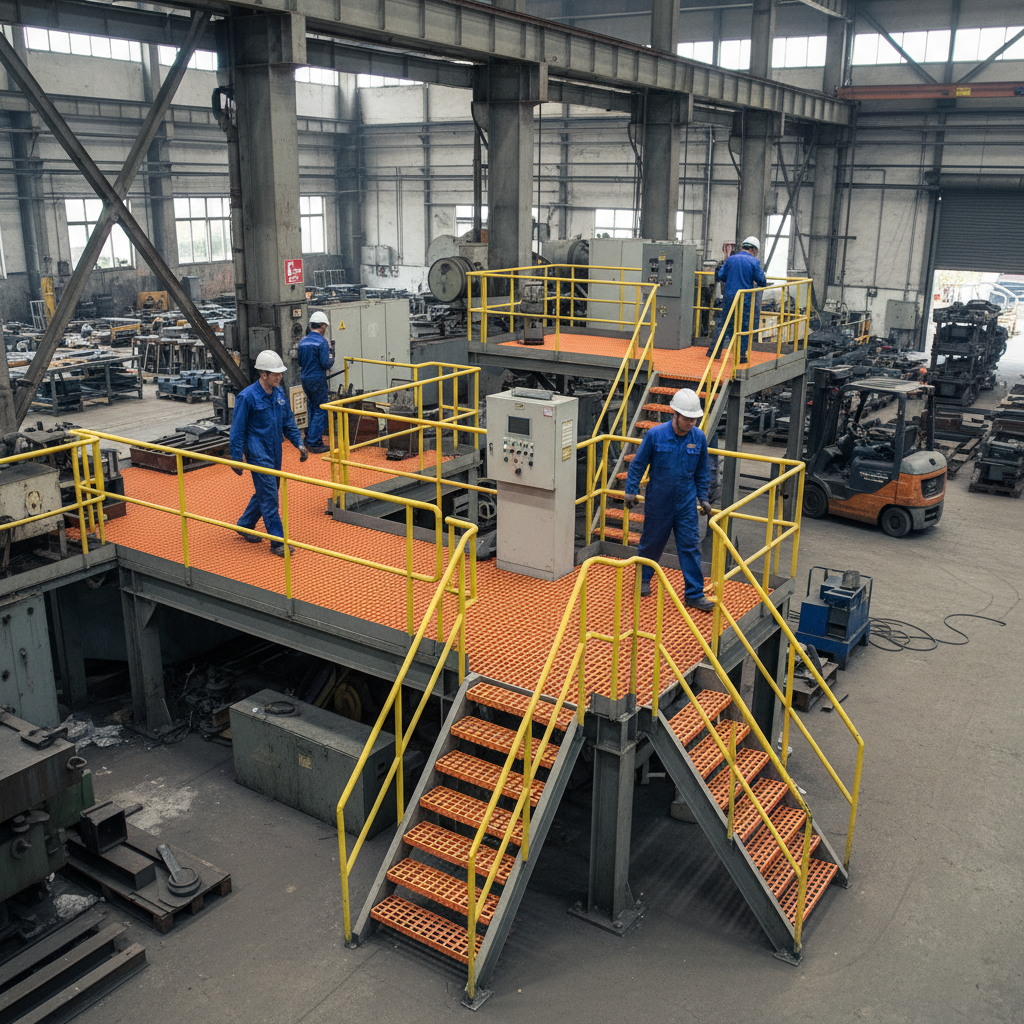
The global demand for durable and safe infrastructure is ever-increasing, driving innovation in materials science. frp walkway manufacturers are at the forefront of this movement, providing solutions that address the challenges of corrosion, weight, and longevity in diverse environments. This expertise is crucial for industries ranging from oil and gas to water treatment, and increasingly, public infrastructure projects seeking cost-effective and sustainable options.
Traditional materials like steel and concrete often require significant maintenance and replacement, leading to high lifecycle costs and operational disruptions. frp walkway manufacturers offer a compelling alternative, utilizing Fiber Reinforced Polymer (FRP) composites to create lightweight, high-strength structures that resist corrosion and require minimal upkeep. This translates to long-term savings and enhanced safety for workers and the environment.
Understanding the nuances of FRP walkway systems – their design, fabrication, and installation – is becoming increasingly important for engineers, project managers, and asset owners alike. As demand continues to grow, the ability to select the right frp walkway manufacturer and material for a specific application is paramount to ensuring a successful and long-lasting infrastructure investment.
The Core Principles of frp walkway manufacturer
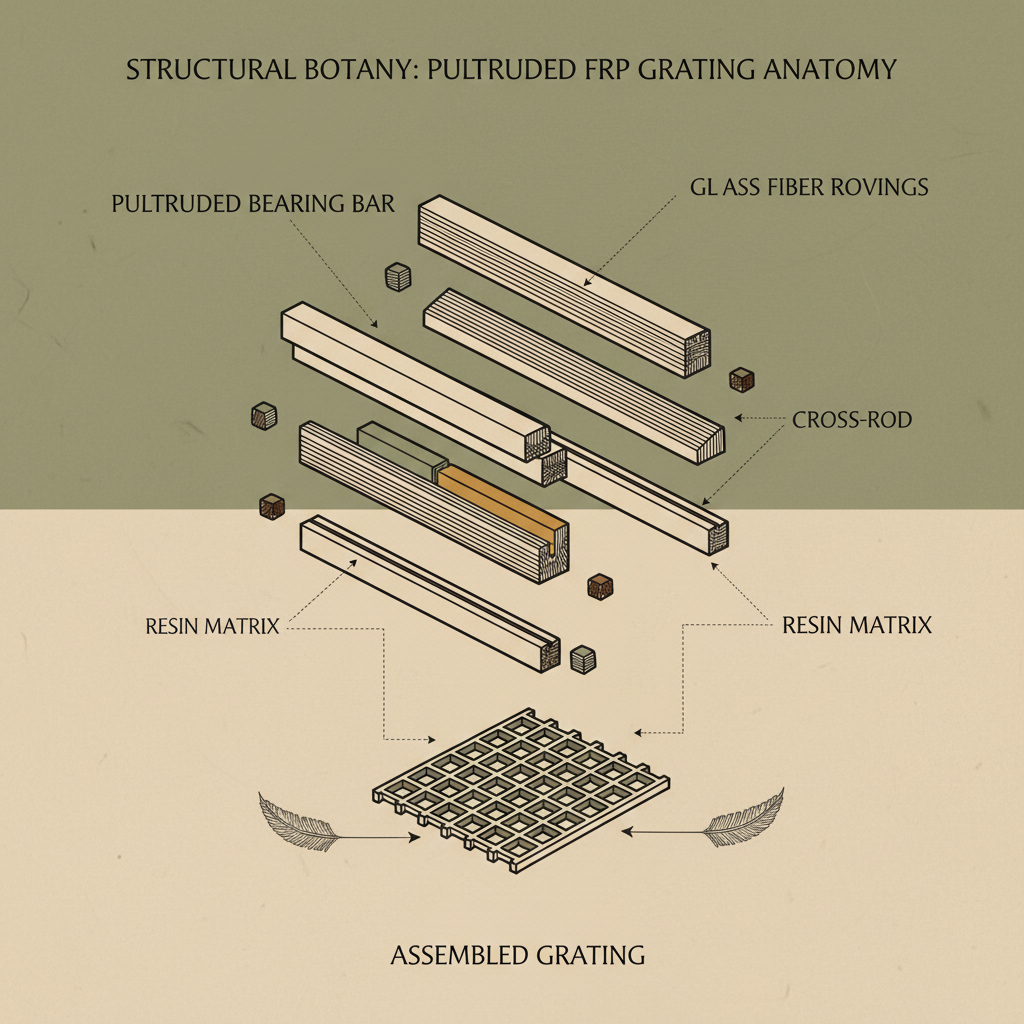
At its core, frp walkway manufacturer involves the precise combination of reinforcing fibers – typically glass, carbon, or aramid – with a polymer matrix, such as polyester, vinyl ester, or epoxy resin. This process creates a composite material with exceptional strength-to-weight ratio, corrosion resistance, and design flexibility. The manufacturing process itself is highly adaptable, allowing for the creation of walkways tailored to specific project requirements.
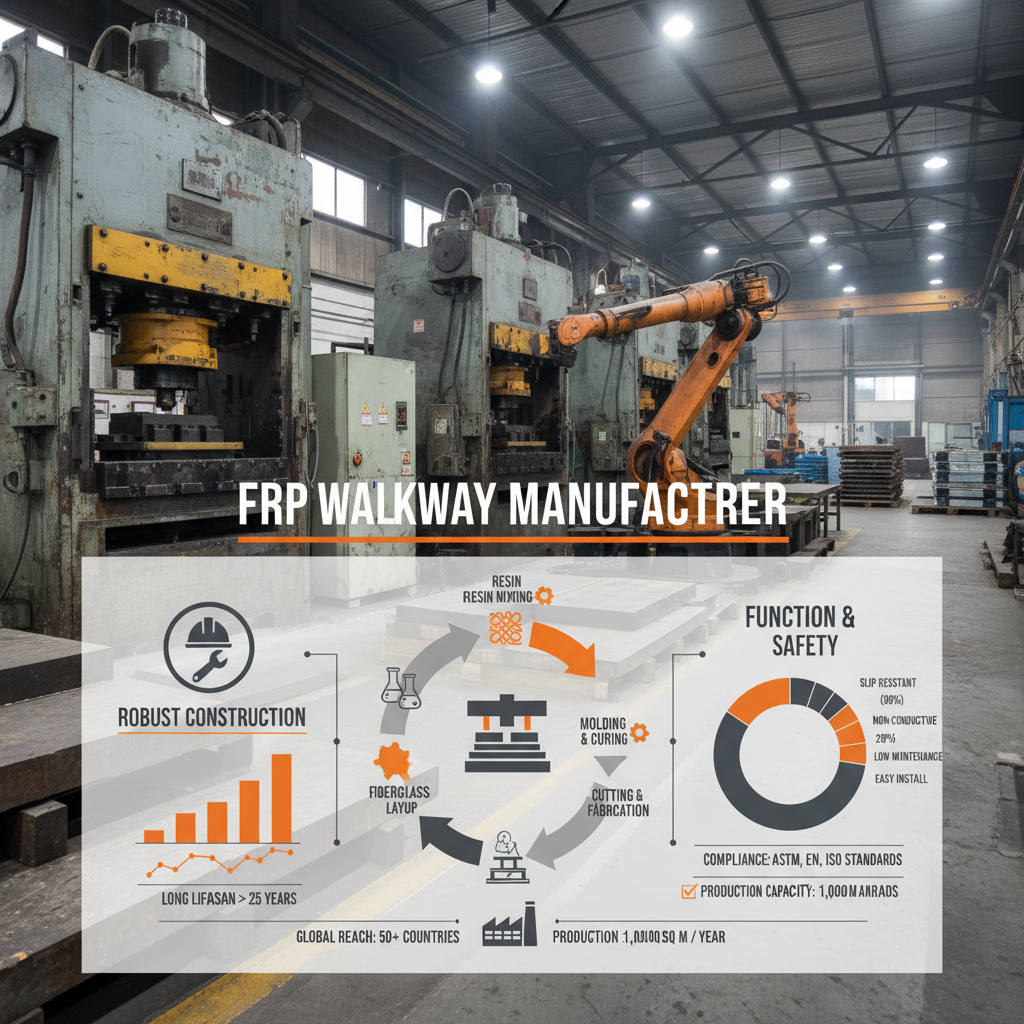
Effective frp walkway manufacturer extends beyond material selection to encompass rigorous quality control measures, adherence to industry standards (like ASTM and ISO), and a deep understanding of structural engineering principles. A reputable manufacturer will prioritize both the initial fabrication process and the long-term performance of the walkway, ensuring a safe and reliable solution.
Defining FRP Walkway Manufacturing
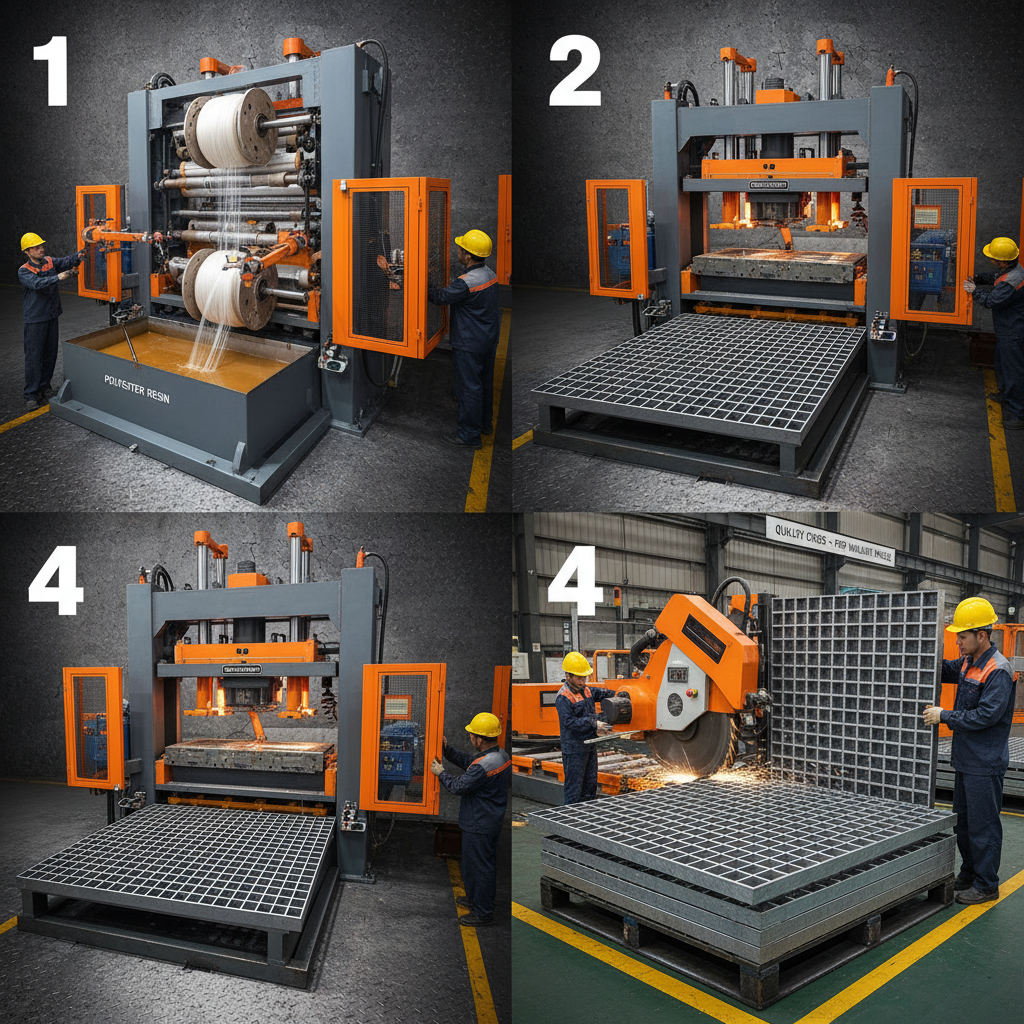
FRP walkway manufacturing isn't a singular process but encompasses several techniques tailored to the walkway's design and intended application. Pultrusion, molding (open, closed, and spray-up), and resin transfer molding (RTM) are common methods employed by frp walkway manufacturers. Each technique offers unique advantages in terms of production speed, cost-effectiveness, and geometric complexity.
A key distinction lies in the level of automation and the control over fiber orientation. Pultrusion, for example, is ideal for producing long, consistent profiles, while molding allows for more intricate shapes. Understanding these manufacturing nuances is crucial for selecting a manufacturer capable of delivering the desired walkway characteristics.
The process also includes meticulous surface preparation, resin mixing and application, fiber placement, curing, and finishing. Post-production inspections and testing are vital to ensure the walkway meets specified load-bearing capabilities, chemical resistance, and safety standards.
Key Characteristics of FRP Walkways
Durability is arguably the most significant characteristic of FRP walkways. Unlike traditional materials, FRP is impervious to corrosion from saltwater, chemicals, and harsh weather conditions. This translates to a significantly longer service life and reduced maintenance costs, making them ideal for offshore platforms, chemical plants, and wastewater treatment facilities. frp walkway manufacturers specialize in formulating resins that can withstand even the most aggressive environments.
Another defining characteristic is the lightweight nature of FRP. Weighing significantly less than steel or concrete, FRP walkways simplify installation, reduce transportation costs, and minimize the load on supporting structures. This is particularly advantageous in retrofitting projects or locations with limited load capacity.
Furthermore, FRP offers excellent design flexibility. frp walkway manufacturers can easily customize walkways to specific dimensions, shapes, and load requirements. They can also incorporate safety features such as non-slip surfaces, handrails, and integrated cable management systems.
Global Applications of frp walkway manufacturer
The applications of FRP walkways are incredibly diverse, spanning across numerous industries worldwide. In the oil and gas sector, they provide safe and reliable access to offshore platforms and processing facilities. The chemical processing industry utilizes FRP walkways due to their resistance to corrosive chemicals.
Water and wastewater treatment plants benefit from FRP's durability in harsh environments. Moreover, FRP walkways are increasingly employed in infrastructure projects, such as pedestrian bridges and coastal boardwalks, where longevity and low maintenance are critical. In remote industrial zones and harsh environments where regular maintenance is difficult or costly, FRP walkways offer a substantial advantage.
Comparative Analysis of frp walkway manufacturer Methods
Advantages and Long-Term Value Proposition
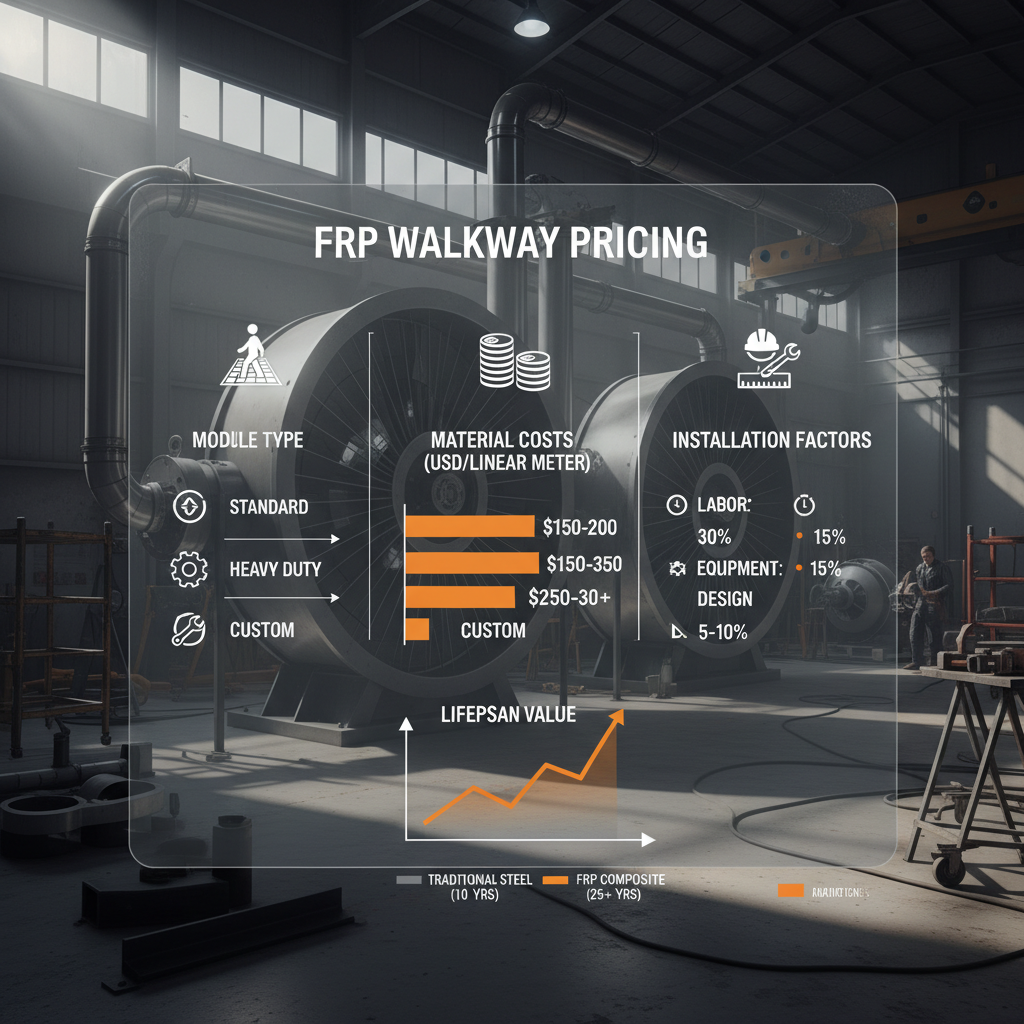
The advantages of choosing an frp walkway manufacturer extend far beyond initial cost savings. The reduced maintenance requirements translate into lower lifecycle costs and minimized operational disruptions. The inherent safety features, such as non-slip surfaces and resistance to electrical conductivity, enhance worker protection and reduce the risk of accidents.
From a sustainability perspective, FRP walkways represent a responsible choice. Their long service life reduces the need for frequent replacements, conserving resources and minimizing waste. Furthermore, the lightweight nature of FRP reduces transportation emissions and simplifies installation processes.
Future Trends and Innovations in FRP Walkways
Ongoing research and development are driving exciting innovations in FRP walkway technology. The integration of smart sensors into FRP walkways is gaining traction, allowing for real-time monitoring of structural health and early detection of potential issues. This proactive approach to maintenance can further extend the lifespan of the walkway and optimize performance.
Developments in bio-based resins are also promising, offering more sustainable alternatives to traditional petroleum-based polymers. Automation and advanced manufacturing techniques are also streamlining the production process, reducing costs, and improving quality control.
Challenges and Mitigation Strategies for frp walkway manufacturer
Despite the numerous benefits, some challenges remain in the widespread adoption of FRP walkways. The initial cost can sometimes be higher than traditional materials, although this is often offset by long-term savings. Proper installation is crucial to ensure optimal performance, and requires specialized expertise.
To address these challenges, frp walkway manufacturers are focusing on developing more cost-effective materials and providing comprehensive installation training programs. Standardization of design guidelines and quality control procedures is also essential to build confidence in the industry.
Furthermore, educating engineers and project managers about the unique properties and benefits of FRP is critical to promoting its wider acceptance and utilization.
Summary of Key Considerations for Selecting an frp walkway manufacturer
| Manufacturing Process |
Material Quality & Certifications |
Design & Customization Capabilities |
Installation Support & Training |
| Pultrusion, Molding, RTM – assess suitability for project needs. |
ISO 9001, ASTM compliance, material testing reports. |
Ability to accommodate unique dimensions, load requirements, and features. |
On-site support, detailed installation manuals, and technician training. |
| Evaluate process control & quality assurance measures. |
Verify resin and fiber specifications. |
3D modeling and design verification. |
Remote support & troubleshooting. |
| Consider production capacity and lead times. |
Corrosion resistance testing. |
Integration of safety features (non-slip surfaces, handrails). |
Post-installation inspection services. |
| Assess waste management practices. |
Long-term performance data & warranties. |
Compliance with relevant industry standards. |
Availability of spare parts & maintenance programs. |
| Automation level and precision. |
Fiber volume fraction & resin distribution. |
Ability to handle complex geometries. |
Accessibility of technical documentation. |
| Environmental impact of the process. |
UV resistance and weathering properties. |
Value-added services (e.g., surface coating). |
Responsiveness to inquiries and support requests. |
FAQS
FRP walkways offer several key advantages over steel, including significantly higher corrosion resistance, a much lighter weight, and reduced maintenance requirements. Steel is susceptible to rust and degradation, requiring regular painting and repairs. FRP eliminates these issues, resulting in lower lifecycle costs and increased safety. frp walkway manufacturers can tailor FRP to withstand even the most corrosive environments.
Installation of FRP walkways is generally faster and easier due to their lightweight nature. Less heavy machinery is required, and fewer personnel are typically needed. However, specialized tools and techniques are often necessary for cutting, drilling, and assembling FRP components. It is crucial to follow the frp walkway manufacturer’s installation guidelines to ensure proper structural integrity and performance.
The lifespan of an FRP walkway can exceed 50 years, depending on the application and environmental conditions. Factors that affect lifespan include the quality of the materials used, the design of the walkway, the installation process, and the level of maintenance. Exposure to UV radiation, extreme temperatures, and abrasive substances can also impact longevity.
Yes, FRP walkways can be designed and manufactured to withstand high-traffic loads. The load-bearing capacity depends on the thickness of the FRP profile, the fiber reinforcement type, and the support structure. Reputable frp walkway manufacturers will conduct thorough structural analysis to ensure the walkway can safely handle the anticipated traffic volume.
FRP walkways are extensively used in the oil and gas industry for offshore platforms, onshore processing facilities, and pipeline access. They provide safe, non-corrosive walking surfaces for personnel and equipment. FRP is especially valuable in saltwater environments where steel corrosion is a significant concern. frp walkway manufacturers specializing in this sector often adhere to stringent industry standards.
FRP offers several environmental benefits. Its long service life reduces the need for frequent replacements, conserving resources and minimizing waste. The lightweight nature of FRP lowers transportation emissions. While traditional FRP resins are petroleum-based, research is ongoing to develop bio-based alternatives, further enhancing its sustainability. Responsible frp walkway manufacturers also prioritize minimizing waste during the production process.
Conclusion
In conclusion, frp walkway manufacturer offers a compelling solution for a wide range of infrastructure challenges. From its exceptional durability and corrosion resistance to its lightweight nature and design flexibility, FRP provides significant advantages over traditional materials. By selecting a reputable manufacturer and adhering to proper installation practices, organizations can realize long-term cost savings, enhanced safety, and a reduced environmental footprint.
Looking ahead, continued innovation in materials science and manufacturing techniques will further expand the applications of FRP walkways. As sustainability concerns grow and infrastructure demands increase, the role of FRP as a vital building material will only become more prominent. To explore customized FRP walkway solutions and discuss your project requirements, visit our website today: www.zjcomposites.com.