
loading...
- No. 9, Xingyuan South Street, Dongwaihuan Road, Zaoqiang County, Hengshui, Hebei, China
- admin@zjcomposites.com
- +86 15097380338
- Welcome to visit our website!

SMC Panel Tanks: Durable & Modular Sectional Water Storage
Introduction to Advanced Water Storage Solutions
In the rapidly evolving landscape of B2B infrastructure and industrial operations, efficient and hygienic water storage solutions are paramount. Traditional tanks often present challenges related to corrosion, maintenance, and installation complexities. This is where the smc panel tank emerges as a superior alternative, engineered to address modern industrial demands with unparalleled durability and performance. These tanks, often referred to as sectional tanks due to their modular design, offer distinct advantages over conventional steel or concrete structures, particularly in terms of longevity, sanitation, and ease of deployment. The global market for FRP tanks is projected to grow significantly, driven by increasing demand from the chemical, water and wastewater, and oil & gas sectors, where the unique properties of SMC materials offer critical operational benefits.
Our focus here is to delve into the intricate technical aspects, market trends, and practical applications that position the smc panel tank as a cornerstone for future-proof water storage infrastructure, emphasizing its value proposition for B2B decision-makers and engineering professionals seeking robust, long-lasting solutions.
Technical Specifications and Advantages of SMC Panel Tanks
A smc panel tank is constructed from Sheet Molding Compound (SMC), a thermoset composite material primarily composed of polyester resin, glass fibers, fillers, and various additives. This material is hot-pressed to form individual panels, which are then assembled on-site to create tanks of varying capacities. The inherent properties of SMC confer exceptional resistance to corrosion, UV radiation, and microbial growth, making these tanks ideal for storing potable water and a wide range of industrial liquids.
Key Technical Advantages:
- Corrosion Resistance: Unlike steel tanks, SMC does not rust or corrode, even in highly aggressive chemical environments or coastal areas. This significantly reduces maintenance costs and extends the tank's operational lifespan.
- Hygienic Properties: The smooth, non-porous surface of SMC panels prevents bacterial adhesion and algal growth, ensuring the stored water remains clean and safe, especially critical for potable water applications. Compliance with NSF/ANSI 61 and WRAS standards is a common benchmark.
- High Strength-to-Weight Ratio: SMC offers impressive structural integrity while being significantly lighter than steel or concrete, simplifying transportation and installation processes. This also contributes to superior seismic performance.
- Thermal Insulation: SMC material possesses inherent thermal insulation properties, which helps maintain the water temperature and reduces condensation, leading to energy savings in regulated temperature applications.
- Modular Design: The sectional nature of these tanks allows for flexible sizing and configurations, accommodating diverse site constraints and capacity requirements. Expansion or relocation is also considerably simpler.
- Durability: Designed for a service life often exceeding 25-30 years, smc panel tank systems offer a long-term, reliable investment with minimal degradation over time.
Typical Product Specifications:
| Parameter | Specification | Details/Standard |
|---|---|---|
| Material Composition | SMC (Sheet Molding Compound) - Isophthalic polyester resin, fiberglass, calcium carbonate, additives | Food-grade, UV-stabilized |
| Panel Dimensions | 1m x 1m, 1m x 0.5m, 0.5m x 0.5m (custom available) | Modular for flexible sizing |
| Panel Thickness | 5mm to 18mm (variable by tank height/pressure) | Engineered for structural integrity |
| Operating Temperature Range | -5°C to +50°C (standard) | Custom solutions for extended ranges |
| Water Quality Standards | NSF/ANSI 61, WRAS, AS/NZS 4020, FDA (EU 10/2011) | Certified for potable water |
| Design Life | 25+ years | Subject to proper installation and maintenance |
| UV Resistance | Excellent | Stabilized for outdoor exposure |
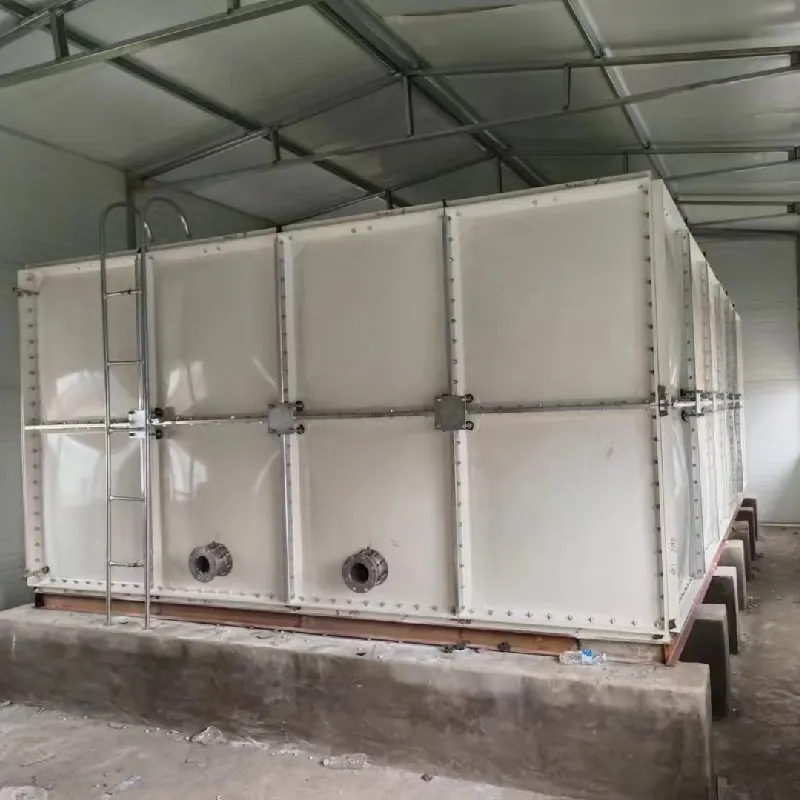
Fig 1: Illustrative SMC Panel Tank Installation
These specifications underscore the robust engineering and material science behind the smc panel tank, ensuring reliable performance in demanding environments.
Manufacturing Process of SMC Panel Tanks
The production of a smc panel tank is a highly controlled and precise process, primarily leveraging advanced composite manufacturing techniques to ensure product consistency and superior performance. Unlike metal fabrication that might involve casting or extensive CNC machining, SMC panel production relies on compression molding.
Detailed Process Flow:
- SMC Material Preparation:
This initial stage involves compounding the raw materials for the Sheet Molding Compound. Unsaturated polyester resin (often isophthalic for improved chemical resistance), chopped glass fibers (typically 1-2 inches in length for reinforcement), fillers (like calcium carbonate to reduce cost and shrinkage), catalysts, release agents, and pigments are precisely mixed. This mixture is then impregnated onto carrier films to form a sheet, which is then rolled up and allowed to mature, ensuring proper viscosity and tackiness for the subsequent molding process.
- Hot Press Compression Molding:
The matured SMC sheet is cut to size and placed into heated steel molds. These molds are precisely designed to form the various panel types (bottom, side, roof, internal baffle panels). High hydraulic pressure (typically 100-200 kg/cm²) is applied, and the molds are heated to specific temperatures (130-160°C). This process causes the resin to flow and completely fill the mold cavity, consolidating the material while the heat initiates the polymerization (curing) of the resin. This results in a dense, uniform, and void-free panel.
- Curing and Demolding:
The panels are held under heat and pressure for a specific duration, allowing the thermoset resin to fully cure and achieve its final mechanical properties. Once cured, the panels are demolded, still hot, and allowed to cool. This critical step ensures dimensional stability and prevents warpage.
- Panel Trimming and Finishing:
After cooling, excess flash material is trimmed from the edges of the panels. Holes for bolts, internal stay rods, and accessories are precisely drilled using automated or semi-automated machinery to ensure accurate alignment during assembly. Some panels may undergo additional surface treatments for specific applications, though the inherent smooth surface is usually sufficient for hygiene.
- Quality Control and Testing:
Each panel undergoes rigorous quality checks. This includes visual inspection for defects, dimensional checks, and material property tests (e.g., tensile strength, flexural strength, Barcol hardness, water absorption) in accordance with international standards such as ISO 9001, ANSI/AWWA D120, and Japanese Industrial Standards (JIS). Panels designed for potable water are specifically tested for compliance with NSF/ANSI 61, WRAS, and FDA requirements to ensure non-toxicity and suitability for human consumption. This meticulous testing guarantees the long service life, often exceeding 25 years, and reliable performance of the assembled smc panel tank.
- Accessory Preparation and Packaging:
Alongside panel production, all necessary accessories—internal and external support structures (hot-dip galvanized or stainless steel), bolts, nuts, washers, sealing materials (EPDM rubber), ladders, vents, and level indicators—are prepared and quality-checked. Panels and accessories are then carefully packed for transport to the installation site, ready for modular assembly.
This controlled manufacturing process is fundamental to delivering the superior quality and consistent performance expected from advanced smc panel tank systems, ensuring their suitability for demanding industrial applications.
Application Scenarios and Target Industries
The versatility and robust characteristics of the smc panel tank make it an indispensable asset across a broad spectrum of industries requiring reliable and hygienic liquid storage. Its modular nature allows for precise scaling to meet diverse capacity needs, from small commercial installations to large-scale industrial reservoirs.
Key Application Scenarios & Industries:
- Water Supply & Drainage: This is arguably the largest application area. smc panel tank systems are extensively used for potable water storage in municipal supply networks, residential complexes, schools, hospitals, and commercial buildings. They are also vital for storing non-potable water for irrigation, general service, and fire suppression systems. Their resistance to algae and bacterial growth ensures water quality in these critical applications.
- Petrochemical Industry: While primarily for water, specialized SMC tanks can be designed for diluted chemical storage, process water, and industrial effluent. The corrosion resistance of FRP is a significant advantage in environments exposed to various chemicals.
- Metallurgy and Mining: Used for storing process water, cooling water, and general utility water in smelting plants and mining operations where robust, corrosion-resistant solutions are essential for longevity in harsh conditions.
- Food & Beverage Sector: Absolute hygiene is non-negotiable here. SMC tanks meeting FDA and other food-grade standards are ideal for storing purified water, ingredients, and CIP (Clean-in-Place) solutions, preventing contamination and ensuring product integrity.
- Agriculture: For irrigation water storage, livestock watering, and even certain liquid fertilizers, the durability and low maintenance of sectional tanks are highly beneficial.
- HVAC Systems: Often employed as buffer tanks for chilled water or condenser water in large-scale air conditioning and heating systems in commercial and industrial facilities. Their thermal insulation properties contribute to energy efficiency.
- Emergency Water Storage: Their rapid deployment and reliable long-term storage capabilities make them excellent choices for disaster preparedness and emergency water reserves.
In all these scenarios, the technical advantages translate directly into operational benefits: energy saving through reduced heating/cooling demand due to insulation, significant corrosion resistance leading to extended asset life and lower replacement costs, and rapid, flexible deployment for projects with tight timelines or evolving needs. The comprehensive utility and inherent reliability of the smc panel tank underscore its critical role in modern industrial and public utility infrastructure.
Vendor Comparison and Customized Solutions
Selecting the right supplier for a smc panel tank is a critical decision that impacts long-term reliability, cost-effectiveness, and compliance. While the basic concept of sectional tanks is similar across manufacturers, significant differences exist in material quality, manufacturing precision, certifications, and after-sales support. Understanding these nuances is key for B2B procurement professionals.
Key Considerations for Vendor Comparison:
| Attribute | High-Quality Vendor | Standard Vendor |
|---|---|---|
| Material Quality | Premium food-grade isophthalic resin, high-performance chopped strand mat, UV inhibitors. Certified raw materials. | General-purpose resin, lower-grade fiberglass, potentially less UV stability. Cost-driven material selection. |
| Manufacturing Precision | Automated hot press molding, strict dimensional tolerances (e.g., ±1mm), consistent panel thickness. | Manual molding, wider dimensional variations, inconsistent panel thickness, potential for internal voids. |
| Certifications & Compliance | NSF/ANSI 61, WRAS, ISO 9001, AS/NZS 4020, CE. Regular third-party audits. | Basic ISO 9001, self-declared compliance, limited specific product certifications. |
| Structural Design & Integrity | FEA-validated designs, optimized internal/external bracing, robust sealing systems (EPDM). | Standard designs, potentially less robust bracing, simpler or lower-quality sealing. |
| Customization Options | Extensive design flexibility, varying panel sizes, custom access points, specialized linings, thermal insulation. | Limited customization, standard designs and accessories. |
| Lead Time & Logistics | Reliable production schedules, efficient logistics, global shipping experience. | Variable lead times, potential shipping delays, less robust packaging. |
| After-Sales Support | Comprehensive warranty, technical support, spare parts availability, installation guidance. | Limited warranty, minimal technical support, spare parts may be difficult to source. |
Customized Solutions:
One of the prime advantages of sectional tanks is their inherent flexibility. Reputable manufacturers offer extensive customization to meet unique project specifications:
- Size and Shape: Tanks can be designed in virtually any rectangular or square dimension, ranging from a few cubic meters to thousands. The modular panels allow for adaptation to confined spaces or irregular footprints.
- Panel Configuration: Options include insulated panels for thermal stability, anti-algae panels, or panels with specific chemical resistance for non-potable applications.
- Accessories: Customization extends to internal and external ladders, inspection hatches, float switches, level indicators, anti-vortex fittings, seismic bracing, and ventilation systems.
- Specialized Linings: While SMC itself is robust, specific applications might require additional internal coatings or linings for aggressive media or extreme temperatures.
The smc panel tank price is directly influenced by these customization levels, tank capacity, material specifications, and the chosen manufacturer's quality standards. Investing in a highly customized, certified solution from a reputable vendor ensures optimal performance and a lower total cost of ownership over the tank's extensive lifespan.
Real-world Application Case Studies and Customer Experience
The practical advantages of smc panel tank systems are best illustrated through their successful deployment in diverse and demanding real-world scenarios. These case studies highlight the tangible benefits and robust performance that our clients experience.
Case Study 1: Municipal Potable Water Storage for a New Urban Development
A rapidly expanding city required a new potable water reservoir for a master-planned community of 50,000 residents. The key challenges were a tight construction timeline, strict adherence to water quality standards, and limited on-site access. An smc panel tank with a capacity of 5,000 cubic meters was selected. The modular design allowed for rapid on-site assembly, significantly reducing construction time compared to traditional concrete reservoirs. Compliance with NSF/ANSI 61 was a non-negotiable requirement, which the chosen SMC panels fully met. Customer feedback highlighted the ease of installation and the confirmed water purity after commissioning. The project was completed two months ahead of schedule, demonstrating the efficiency and reliability of modular sectional tanks for large-scale municipal infrastructure.
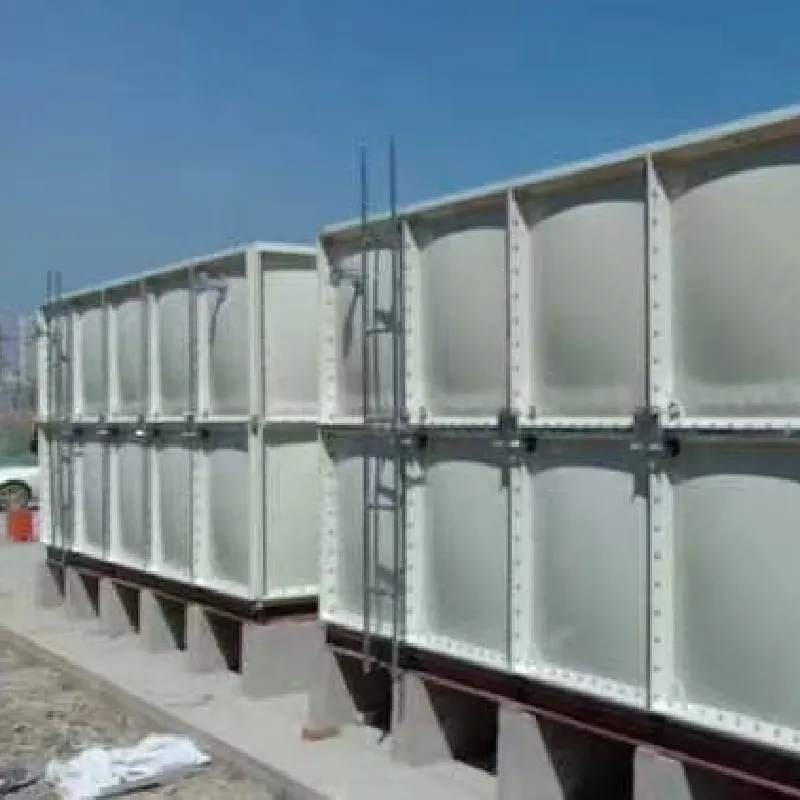
Fig 2: Assembly of SMC Panel Tank for Water Treatment Facilities
Case Study 2: Industrial Process Water for a Chemical Manufacturing Plant
A specialty chemical manufacturer needed to replace aging steel tanks used for process cooling water. The environment was corrosive, and the tanks were exposed to high humidity and occasional chemical splashes. Corrosion of the previous steel tanks led to frequent maintenance and short lifespans. Two 1,500 cubic meter sectional tanks made from chemical-resistant SMC were installed. The project managers noted a dramatic reduction in maintenance requirements and zero signs of corrosion after five years of operation, a stark contrast to their previous experience. The thermal insulation properties of the SMC also contributed to stable cooling water temperatures, leading to improved process efficiency. This case exemplifies the superior corrosion resistance and long-term economic benefits for industrial applications.
Case Study 3: Fire Suppression Water Reserve for a Commercial High-Rise
A new 40-story commercial building in a seismic zone required a dedicated fire suppression water reserve. Space was at a premium on the rooftop, demanding a solution with minimal footprint and high structural integrity. A custom-designed, rectangular smc panel tank with a 2,000 cubic meter capacity was chosen. Its lightweight nature reduced structural loading on the building, and its seismic resistance properties provided critical safety assurance. The modular assembly allowed the tank to be built in sections on the rooftop, circumventing crane limitations for a single large unit. The building management team praised the efficient installation and the robust, leak-free performance during hydrostatic testing, ensuring compliance with local fire safety codes and providing a reliable emergency water supply.
These case studies underscore the adaptability, efficiency, and reliability of SMC panel tanks, providing robust solutions across diverse industrial and public sector needs while exceeding customer expectations in performance and longevity.
Authoritativeness and Trustworthiness: Our Commitment
Our commitment to delivering high-quality smc panel tank solutions is underpinned by stringent adherence to international standards, comprehensive certifications, and transparent operational practices. We understand that trustworthiness and authoritativeness are paramount for B2B partners, influencing project success and long-term collaboration.
Certifications and Quality Assurance:
Our products are manufactured under strict quality management systems and are typically certified by leading global bodies:
- ISO 9001: Certification for Quality Management Systems, ensuring consistent product quality and continuous improvement.
- NSF/ANSI 61: Certified for potable water components, guaranteeing that our tanks do not leach harmful substances into drinking water.
- WRAS (Water Regulations Advisory Scheme): Approval for products that come into contact with public water supplies in the UK, signifying compliance with rigorous water quality standards.
- CE Marking: Demonstrates conformity with health, safety, and environmental protection standards for products sold within the European Economic Area.
- AS/NZS 4020: Certification for testing products for use in contact with drinking water in Australia and New Zealand.
These certifications are not just labels; they represent a fundamental dedication to engineering excellence and public safety, validated by independent authoritative bodies. Our manufacturing facilities employ advanced testing protocols, including hydrostatic pressure tests, material composition analysis, and accelerated aging tests to validate the longevity and integrity of every panel.
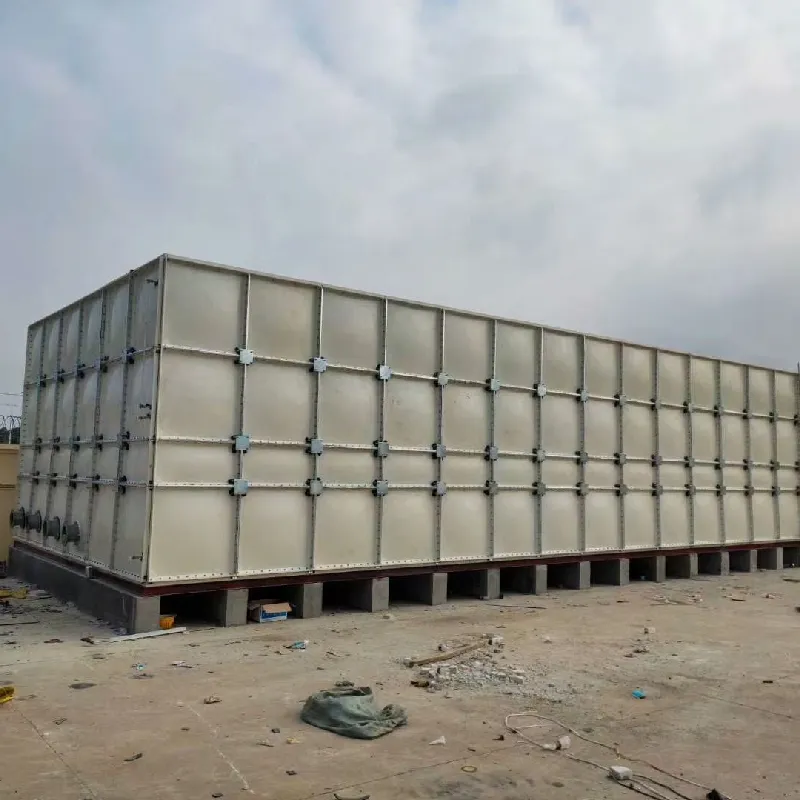
Fig 3: Interior View of a Finished SMC Panel Tank
Frequently Asked Questions (FAQ):
- Q: What is the typical lead time for an SMC panel tank?
- A: Lead times vary based on tank size, customization, and current production schedules. Generally, for standard configurations, production can take 2-4 weeks, with shipping times additional depending on destination. We provide accurate lead time estimates upon project quotation.
- Q: What is the warranty commitment for your SMC tanks?
- A: We offer a standard 10-year warranty against manufacturing defects and material failure for our smc panel tank products, subject to proper installation and maintenance as per our guidelines. Extended warranties may be available for specific projects.
- Q: How does installation work for these sectional tanks?
- A: Our tanks are designed for modular assembly on-site. We provide comprehensive installation manuals and can offer supervision or full installation services globally, ensuring proper construction and sealing for optimal performance. The panels are bolted together, and joints are sealed with high-grade EPDM gaskets.
- Q: What kind of customer support do you offer?
- A: Our dedicated customer support team provides technical assistance, design consultation, spare parts availability, and post-installation support. We are committed to ensuring the long-term satisfaction and operational efficiency of our clients.
Fulfillment Details:
From initial consultation to final commissioning, our fulfillment process is designed for clarity and efficiency. We work closely with clients to define requirements, provide detailed engineering drawings, manage production, oversee quality control, and coordinate logistics. Our global supply chain capabilities ensure timely delivery to project sites worldwide, whether it's for a single sectional tank or a large-scale multi-tank system.
Our longstanding relationships with key industry partners and a proven track record of successful project deliveries speak to our authoritativeness and the trust placed in us by a diverse clientele.
Conclusion
The smc panel tank stands as a testament to advanced material science and engineering, offering a compelling solution for modern water storage challenges. Its superior corrosion resistance, hygienic properties, modular flexibility, and extended service life significantly outweigh the initial smc panel tank price, delivering a substantially lower total cost of ownership. For B2B decision-makers and engineers, investing in these high-performance sectional tanks means securing a reliable, compliant, and sustainable infrastructure asset that supports operational efficiency and safeguards public health.
As industries continue to prioritize durability, safety, and environmental responsibility, the adoption of SMC panel technology is poised for further growth, solidifying its position as the preferred choice for critical liquid storage applications globally.
References
- Plastics Industry Association. "Composites for Infrastructure." plasticsindustry.org
- National Sanitation Foundation (NSF) International. "NSF/ANSI 61: Drinking Water System Components – Health Effects." nsf.org
- Water Regulations Advisory Scheme (WRAS). "About WRAS." wras.co.uk
- International Organization for Standardization. "ISO 9001: Quality management systems – Requirements." iso.org
- U.S. Food and Drug Administration (FDA). "Compliance Policy Guides - Food and Cosmetics." fda.gov
- American Water Works Association (AWWA). "AWWA D120: Thermosetting Fiberglass-Reinforced Plastic Tanks." awwa.org
-
High Quality Fiberglass Rods for Electric Fence Insulation GuideNewsApr.16,2026
-
Benefits and Guide of Installing a White Fiberglass FenceNewsApr.09,2026
-
Choosing the Right Fibreglass Fence for Property Enhancement and LongevityNewsApr.07,2026
-
Comprehensive Guide to Durable Fiberglass Fence Rods and Their ApplicationsNewsMar.31,2026
-
Comprehensive Guide to Durable Fiberglass Fence Post Solutions for Various ApplicationsNewsMar.28,2026
-
Comprehensive Guide to Fiberglass Fencing Benefits and ApplicationsNewsMar.26,2026
-
Comprehensive Guide to Choosing the Right Safety Guard System for Industrial ProtectionNewsMar.24,2026