
loading...
- No. 9, Xingyuan South Street, Dongwaihuan Road, Zaoqiang County, Hengshui, Hebei, China
- admin@zjcomposites.com
- +86 15097380338
- Welcome to visit our website!

Durable Mini Mesh Grating | GRP & FRP Anti-Slip Solutions
Understanding Mini Mesh Grating: A Critical Component for Industrial Safety and Efficiency
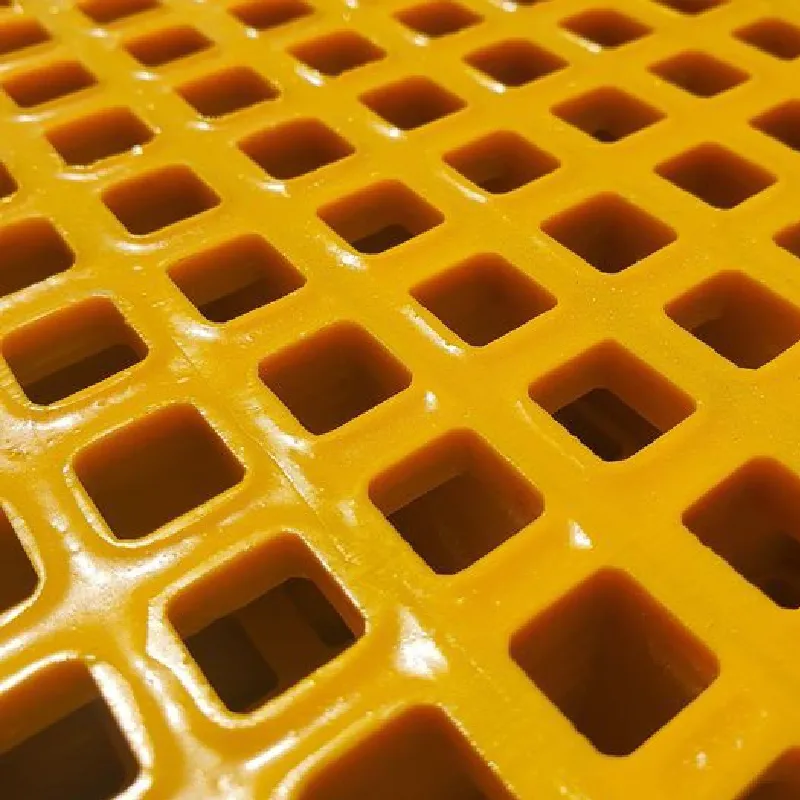
In demanding industrial environments, the selection of appropriate flooring and structural elements is paramount for operational safety, longevity, and cost-effectiveness. Among the advanced material solutions available today, mini mesh grating has emerged as a superior choice, particularly in applications where conventional materials falter. This specialized form of Fiber Reinforced Polymer (FRP) grating offers a distinct advantage with its smaller open mesh area, preventing the passage of small tools, debris, and reducing the risk of personnel injury from dropped objects or snagged heels, while maintaining excellent load-bearing capabilities.
The industrial landscape is continuously evolving, with an increasing emphasis on sustainable, high-performance materials. Traditional steel gratings, while robust, often succumb to corrosion, require frequent maintenance, and pose safety risks due to their larger openings. The shift towards advanced composites like mini mesh grating, often referred to as grp mini mesh grating or frp mini mesh, is a testament to the industry's drive for enhanced safety, reduced lifecycle costs, and improved environmental performance. Market analyses indicate a steady growth in the global FRP grating market, projected to reach over $1 billion by 2028, driven by expanding applications in chemical processing, wastewater treatment, and offshore industries where corrosion resistance and lightweight properties are non-negotiable. This growth underscores the increasing recognition of FRP solutions, and particularly mini mesh variants, as indispensable components for modern industrial infrastructure.
The Advanced Manufacturing Process of FRP Mini Mesh Grating
The production of high-quality frp mini mesh involves a meticulously controlled manufacturing process that ensures structural integrity, consistent performance, and adherence to stringent quality standards. This process leverages the inherent strengths of composite materials to create a product superior to traditional alternatives.
Materials Selection: The Foundation of Performance
- Resin Systems: The choice of resin dictates the grating's chemical resistance, fire retardancy, and UV stability. Common resins include:
- Isophthalic Polyester: Excellent for general industrial and chemical applications.
- Vinyl Ester: Offers superior resistance to a wider range of aggressive chemicals, including strong acids and alkalis.
- Phenolic: Known for exceptional fire retardancy and low smoke emission, critical in offshore and transit applications.
- Reinforcement Fibers: E-glass fiberglass rovings and mats are typically used, providing high tensile strength and stiffness to the composite structure.
- Additives: UV inhibitors, fire retardant agents, and pigments are incorporated to enhance durability, safety, and aesthetic appeal.
Manufacturing Process: Molded FRP Grating (Typical for Mini Mesh)
- Mold Preparation: Precision-engineered molds, designed for the specific mesh configuration of mini mesh grating, are cleaned and coated with a release agent to ensure easy demolding and a smooth finish.
- Fiber Layup: Continuous layers of fiberglass rovings and mats are strategically placed into the mold, forming a grid pattern. This step is crucial for achieving the desired strength and bidirectional load-bearing capabilities.
- Resin Application: A precisely formulated liquid resin mixture, including catalysts and other additives, is poured over the fiberglass layers. The resin impregnates the fibers, creating a chemically bonded matrix.
- Curing: The filled mold undergoes a controlled exothermic reaction, often with heat application, to cure the resin. This polymerization process transforms the liquid resin into a solid, rigid composite structure.
- Demolding: Once fully cured, the hardened grating panel is carefully removed from the mold.
- Post-Processing and Finishing: Edges are trimmed, and a grit surface (e.g., silicon carbide) may be applied for enhanced slip resistance, if not already incorporated into the mold.
Quality Control and Testing Standards
To ensure product reliability and compliance, grp mini mesh grating undergoes rigorous testing. Key standards include:
- ASTM Standards: Particularly ASTM E-84 for flame spread and smoke development, ASTM D-638 for tensile properties, ASTM D-790 for flexural properties, and ASTM D-256 for impact strength.
- ISO 9001: Certification for quality management systems ensures consistent manufacturing processes and product quality.
- ANSI Standards: Relevant for general safety and structural integrity in specific applications.
The typical service life of properly installed and maintained FRP grating can exceed 20-30 years, significantly outperforming metallic alternatives in corrosive environments. This extended lifespan contributes to substantial long-term cost savings in maintenance and replacement. Target industries benefiting from these advantages include petrochemical, offshore oil & gas, metallurgy, mining, water supply & drainage, and food processing, where corrosion resistance and safety are paramount.
Technical Specifications and Performance Parameters of Mini Mesh Grating
The technical prowess of frp mini mesh is defined by a comprehensive set of parameters that dictate its suitability for diverse industrial applications. Understanding these specifications is crucial for engineers and procurement specialists to ensure optimal performance and safety.
Typical Product Specification Table: Smaller Open Mesh Area FRP Mini Mesh Grating
| Parameter | Metric (Typical Values) | Description / ASTM Standard |
|---|---|---|
| Mesh Size (Open Area) | 19x19 mm, 25x25 mm, 30x10 mm (approx.) | Smaller openings compared to standard gratings (38x38 mm) to prevent tool drop. |
| Panel Thickness | 13 mm, 20 mm, 25 mm, 30 mm, 38 mm | Determines load capacity and stiffness. |
| Standard Panel Size | 1220x3660 mm, 1220x2440 mm | Common manufacturing dimensions, customizable. |
| Load Capacity (Uniform Load) | Up to 20 kPa (for 38mm thick, 1.2m span) | Varies significantly with mesh size, thickness, and span. Tested per ASTM E-108. |
| Deflection (Max Permissible) | L/200 to L/360 (per relevant codes) | Critical for pedestrian comfort and structural integrity. |
| Corrosion Resistance | Excellent (depends on resin type) | Resistant to acids, alkalis, salts, and various industrial chemicals. |
| Fire Retardancy | Class 1, ASTM E-84 (Flame Spread Index < 25) | Meets stringent safety requirements for industrial facilities. |
| Slip Resistance | High (grit surface option) | Enhances safety, especially in wet or oily conditions. Coefficient of friction testable. |
| Weight | ~18-25 kg/m² (for 38mm thick) | Significantly lighter than steel, simplifying installation and reducing structural loads. |
These parameters, along with detailed engineering calculations, form the basis for designing safe and efficient walkways, platforms, and trench covers. The smaller mesh configuration of mini mesh grating specifically addresses concerns regarding object penetration and heel entrapment, enhancing safety without compromising structural integrity.
Technical Advantages and Application Scenarios of Mini Mesh Grating
The adoption of mini mesh grating is driven by a compelling array of technical advantages that translate directly into operational benefits and cost savings across various industrial sectors.
Key Technical Advantages:
- Superior Corrosion Resistance: Unlike metallic gratings that rust and degrade in harsh chemical environments, grp mini mesh grating, thanks to its composite resin matrix (e.g., Isophthalic or Vinyl Ester), offers exceptional resistance to a broad spectrum of acids, alkalis, salts, and solvents. This ensures extended service life and minimal maintenance in aggressive conditions.
- Enhanced Safety Features: The smaller mesh openings (e.g., 19x19mm or 25x25mm) significantly reduce the risk of small tools, nuts, or bolts falling through to lower levels, protecting equipment and personnel. It also prevents heel entrapment, improving pedestrian safety. Optional grit surfaces provide outstanding slip resistance, crucial in wet or oily industrial settings.
- High Strength-to-Weight Ratio: Despite being considerably lighter than steel (often 1/4 to 1/3 the weight), frp mini mesh delivers comparable or superior load-bearing capabilities. This facilitates easier and faster installation, reduces the need for heavy lifting equipment, and lowers structural support requirements for sub-structures, leading to energy saving in overall project execution.
- Fire Retardancy: Many FRP grating products are engineered with fire-retardant resins, meeting stringent fire safety codes (e.g., ASTM E-84 Class 1 with Flame Spread Index < 25). This is critical for enclosed spaces or areas with fire hazards.
- Electrically Non-Conductive: FRP is inherently non-conductive, making it ideal for applications near electrical equipment or in environments where stray currents pose a risk. It eliminates the need for grounding.
- Low Thermal Conductivity: FRP does not conduct heat readily, remaining cooler to the touch in hot environments and providing insulation, which can contribute to worker comfort and energy efficiency.
- Impact Resistance: FRP grating has excellent impact energy absorption characteristics, resisting permanent deformation from dropped objects unlike brittle metallic gratings.
- UV Resistance & Color Stability: With UV inhibitors integrated into the resin, FRP gratings maintain their structural and aesthetic integrity even with prolonged outdoor exposure, resisting fading and degradation.
Typical Application Scenarios and Case Studies:
The versatility and robust performance of mini mesh grating make it suitable for a wide array of demanding industrial applications:
- Chemical Processing Plants: Ideal for walkways, platforms, trench covers, and sumps where exposure to highly corrosive acids, alkalis, and solvents would rapidly degrade steel. For example, in a phosphoric acid production facility, FRP mini mesh platforms replaced corroded steel, eliminating frequent replacements and ensuring continuous operation.
- Water and Wastewater Treatment Plants: Used extensively for access platforms, clarifier walkways, screening areas, and filter media support. The smaller mesh prevents debris accumulation and ensures safe access over open tanks and channels filled with corrosive effluents. A large municipal wastewater treatment plant installed grp mini mesh grating on all access walkways, significantly reducing slip-and-fall incidents and eliminating rust contamination in treated water.
- Offshore Oil & Gas Platforms: Critical for helidecks, mezzanines, gangways, and equipment platforms. Its lightweight nature reduces structural load on offshore rigs, and its non-conductive, fire-retardant properties enhance safety in explosive environments. A major oil company reported substantial maintenance cost reductions after retrofitting older platforms with frp mini mesh, citing its resilience to saltwater corrosion.
- Food and Beverage Facilities: Perfect for flooring in wash-down areas, processing lines, and cold storage. The material is easy to clean, non-absorbent, and resistant to food acids and cleaning agents, preventing bacterial growth. A dairy processing plant utilized mini mesh in their production areas, enhancing hygiene and worker safety through improved drainage and slip resistance.
- Power Generation: Used in cooling towers, substations, and general plant access. Its non-conductive nature is invaluable around electrical equipment, and its corrosion resistance is beneficial in areas exposed to steam and aggressive cooling water chemicals.
- Architectural and Commercial: Increasing adoption in high-traffic areas requiring enhanced safety and aesthetics, such as pedestrian bridges, pool surrounds, and commercial drainage systems.
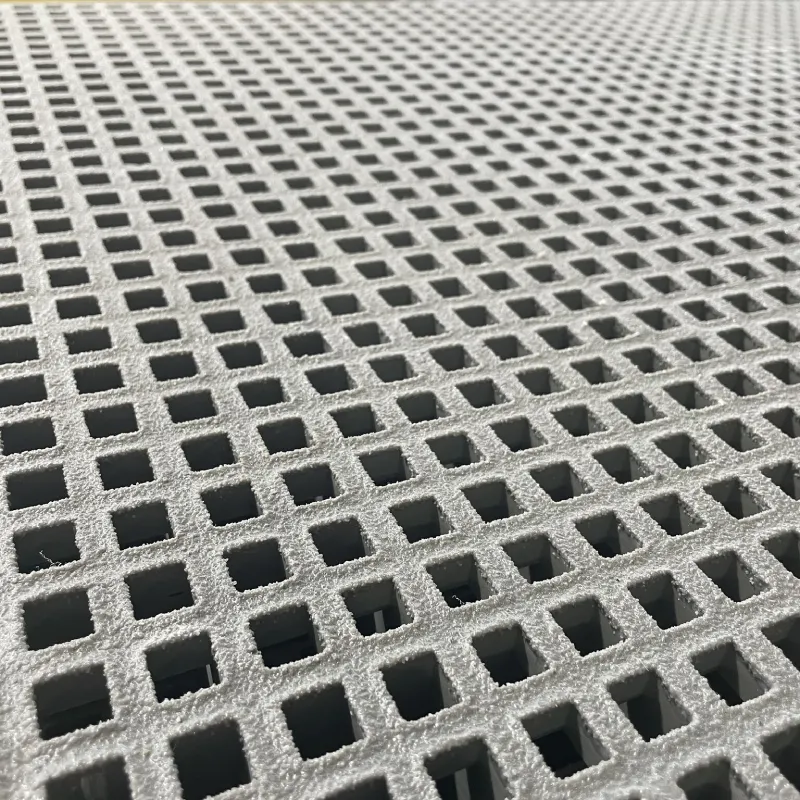
These case studies illustrate the practical benefits of mini mesh grating in addressing specific industry challenges, consistently delivering on safety, durability, and operational efficiency.
Customized Solutions for FRP Mini Mesh Grating
While standard frp mini mesh panels are readily available, many complex industrial projects require tailor-made solutions to perfectly integrate with existing infrastructure or meet unique operational demands. Reputable manufacturers offer extensive customization capabilities, ensuring that the grating precisely fits the application's specific requirements.
Key Areas of Customization:
- Resin System Selection: Tailoring the resin type (e.g., Orthophthalic, Isophthalic, Vinyl Ester, Phenolic) to match the exact chemical exposure, temperature, and fire rating requirements of the client's environment.
- Panel Dimensions and Thickness: Cutting panels to exact specifications, including intricate shapes, curves, and cut-outs for pipes, columns, or machinery. This minimizes on-site fabrication and waste. Different thicknesses can be specified to meet varying load requirements and span distances.
- Surface Finish: Offering various surface treatments, from meniscus (smooth, anti-slip) to integral grit surfaces (highly abrasive, for maximum slip resistance), or even conductive coatings for specialized applications.
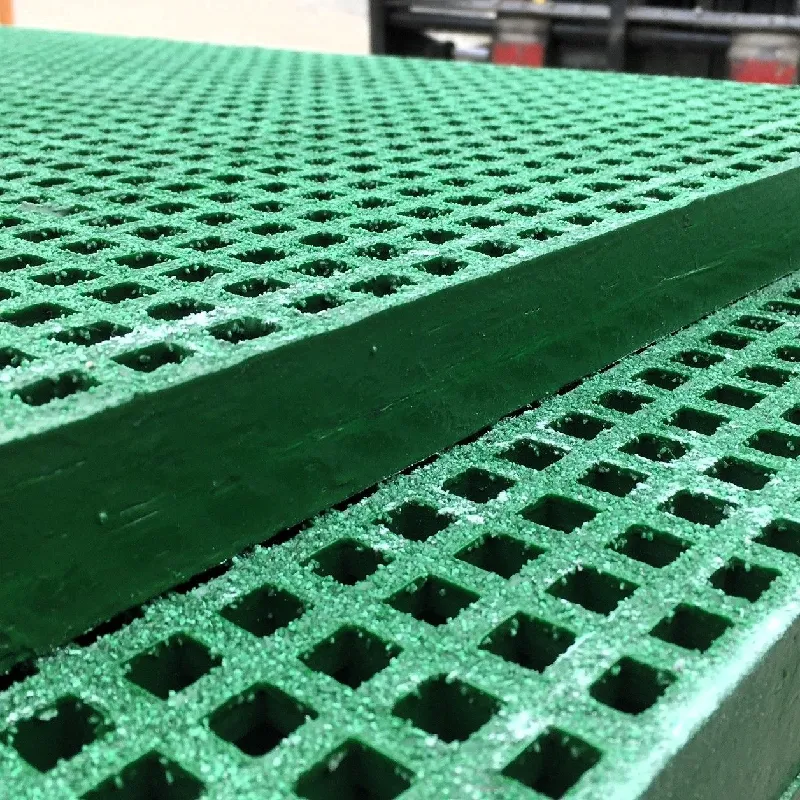
- Color Options: Manufacturing grp mini mesh grating in a specific color to meet aesthetic requirements, corporate branding, or safety coding standards (e.g., yellow for caution areas, green for safety zones).
- Special Additives: Incorporating additional additives for enhanced UV resistance, electrical conductivity (carbon-filled), or specific antimicrobial properties for hygiene-critical environments.
- Fabrication Services: Providing comprehensive fabrication services, including stairs, platforms, ladders, and custom enclosures, all designed and manufactured to precise client specifications. This can include pre-drilled holes for fasteners and pre-assembled sections.
Engaging with a vendor that offers robust engineering support for customized solutions ensures that the final mini mesh grating product not only meets but exceeds project expectations, optimizing both performance and total cost of ownership.
Vendor Comparison: Selecting the Right Partner for FRP Grating Solutions
Choosing the right supplier for grp mini mesh grating is a strategic decision that impacts project timelines, product quality, and long-term operational costs. A thorough evaluation of potential vendors based on several key criteria is essential.
FRP Grating Vendor Comparison Criteria:
| Criterion | Importance | Considerations for Evaluation |
|---|---|---|
| Product Quality & Consistency | High | Certifications (ISO 9001), raw material sourcing, manufacturing process control, adherence to ASTM standards. |
| Technical Expertise & Engineering Support | High | Ability to provide load calculations, custom designs, CAD drawings, and on-site technical assistance. Experienced engineering team. |
| Customization Capabilities | Medium to High | Flexibility in resin types, mesh sizes, panel dimensions, colors, and specialized fabrication services. |
| Lead Time & Fulfillment | High | Reliability in meeting delivery schedules for both standard and custom orders. Production capacity. |
| Cost-Effectiveness (TCO) | High | Initial purchase price vs. long-term savings from reduced maintenance, extended service life, and easy installation. |
| After-Sales Support & Warranty | High | Responsive customer service, clear warranty terms, support for installation and troubleshooting. |
| Industry Experience & Reputation | High | Years in business, client testimonials, completed projects, and market standing. |
An ideal vendor not only supplies high-quality mini mesh grating but also acts as a knowledgeable partner, offering insights and support throughout the project lifecycle. Established manufacturers with decades of experience in composite solutions often possess the requisite expertise and reliability.
Frequently Asked Questions (FAQ) about FRP Mini Mesh Grating
Q1: What is the primary advantage of frp mini mesh over standard FRP grating?
The main advantage lies in its smaller open mesh area. This feature significantly reduces the risk of small tools, nuts, or bolts falling through to lower levels and also minimizes the possibility of heel entrapment, making it exceptionally safe for pedestrian traffic and preventing debris accumulation. It maintains excellent load-bearing capacity despite the reduced open area.
Q2: Is grp mini mesh grating suitable for highly corrosive environments?
Absolutely. Depending on the resin system used (e.g., Isophthalic Polyester for general chemical resistance, Vinyl Ester for aggressive acids and alkalis, or Phenolic for fire safety), FRP mini mesh is engineered to withstand severe corrosive conditions, outperforming metallic gratings by a significant margin. Manufacturers provide chemical resistance guides to help select the appropriate resin for specific applications.
Q3: How is mini mesh grating installed?
FRP grating is typically installed using standard fastening clips, which secure the panels to support structures. Due to its lightweight nature, it is easier to handle and cut on-site using common power tools with appropriate safety measures (e.g., dust masks for fiberglass dust). Custom-fabricated panels further simplify installation by requiring minimal on-site adjustments.
Q4: What maintenance does mini mesh grating require?
FRP mini mesh requires minimal maintenance. It does not rust, paint, or weld, eliminating many typical grating maintenance tasks. Routine cleaning with high-pressure water or mild detergents is usually sufficient to remove dirt and debris. Periodic inspection for any physical damage or loose fasteners is recommended, though such occurrences are rare due to the material's durability.
Q5: Can FRP mini mesh be used outdoors?
Yes, it is highly suitable for outdoor applications. Manufacturers incorporate UV inhibitors into the resin system, providing excellent resistance to degradation from sunlight exposure. This ensures long-term color stability and structural integrity in exterior environments, unlike many plastics or untreated composites.
Commitment to Trust: Lead Time, Warranty, and Customer Support
Trust is foundational in B2B partnerships. A reliable supplier demonstrates this through transparent operational details, robust product assurances, and dedicated customer service. For mini mesh grating solutions, these commitments are particularly vital.
Lead Time and Fulfillment:
Typical lead times for standard frp mini mesh panels are generally 2-4 weeks, depending on order volume and current production schedules. For highly customized solutions, involving detailed engineering and specific resin formulations, lead times may extend to 4-8 weeks. Reputable suppliers provide clear communication at every stage, from order confirmation to shipment tracking, ensuring predictable project timelines.
Warranty Commitments:
High-quality grp mini mesh grating products typically come with a comprehensive warranty of 5 to 10 years against manufacturing defects and premature material degradation under normal operating conditions. This warranty period reflects the confidence of manufacturers in the durability and longevity of their FRP composite solutions, providing clients with peace of mind and protection for their investment.
Customer Support and After-Sales Service:
Exceptional customer support is a hallmark of a trusted vendor. This includes:
- Technical Assistance: Providing expert guidance on product selection, load calculations, chemical resistance, and specific application challenges.
- Installation Support: Offering detailed installation guides, best practice recommendations, and, when necessary, on-site assistance or training for complex projects.
- Responsive Service: A dedicated contact for inquiries, problem-solving, and ongoing support throughout the lifespan of the installed grating.
- Documentation: Providing comprehensive product data sheets, safety data sheets, and certification documents to ensure compliance and traceability.
These commitments collectively underscore a vendor's reliability and dedication to fostering long-term, successful partnerships, reinforcing the value proposition of choosing high-quality FRP composite solutions.
Conclusion: The Indispensable Role of Mini Mesh Grating in Modern Industry
In conclusion, mini mesh grating represents a significant advancement in industrial flooring and structural components. Its unique combination of exceptional corrosion resistance, high strength-to-weight ratio, superior safety features, and minimal maintenance requirements positions it as an indispensable material for a vast array of demanding applications. From the petrochemical industry's aggressive chemical environments to the stringent hygiene standards of food processing plants, frp mini mesh consistently outperforms traditional materials, delivering long-term value, enhancing operational safety, and contributing to sustainable infrastructure development.
As industries continue to prioritize safety, efficiency, and longevity, the demand for advanced composite solutions like grp mini mesh grating will only grow. By understanding its technical specifications, appreciating its manufacturing precision, and leveraging customized solutions from trusted vendors, B2B decision-makers can make informed choices that drive innovation and ensure optimal performance for their critical infrastructure needs.
References:
- ASTM International Standards Website (www.astm.org)
- ISO Official Website (www.iso.org)
- Composites Industry Magazine Archives (e.g., CompositesWorld.com)
- Market Research Reports on Fiber Reinforced Polymer (FRP) Grating
-
High Quality Fiberglass Rods for Electric Fence Insulation GuideNewsApr.16,2026
-
Benefits and Guide of Installing a White Fiberglass FenceNewsApr.09,2026
-
Choosing the Right Fibreglass Fence for Property Enhancement and LongevityNewsApr.07,2026
-
Comprehensive Guide to Durable Fiberglass Fence Rods and Their ApplicationsNewsMar.31,2026
-
Comprehensive Guide to Durable Fiberglass Fence Post Solutions for Various ApplicationsNewsMar.28,2026
-
Comprehensive Guide to Fiberglass Fencing Benefits and ApplicationsNewsMar.26,2026
-
Comprehensive Guide to Choosing the Right Safety Guard System for Industrial ProtectionNewsMar.24,2026