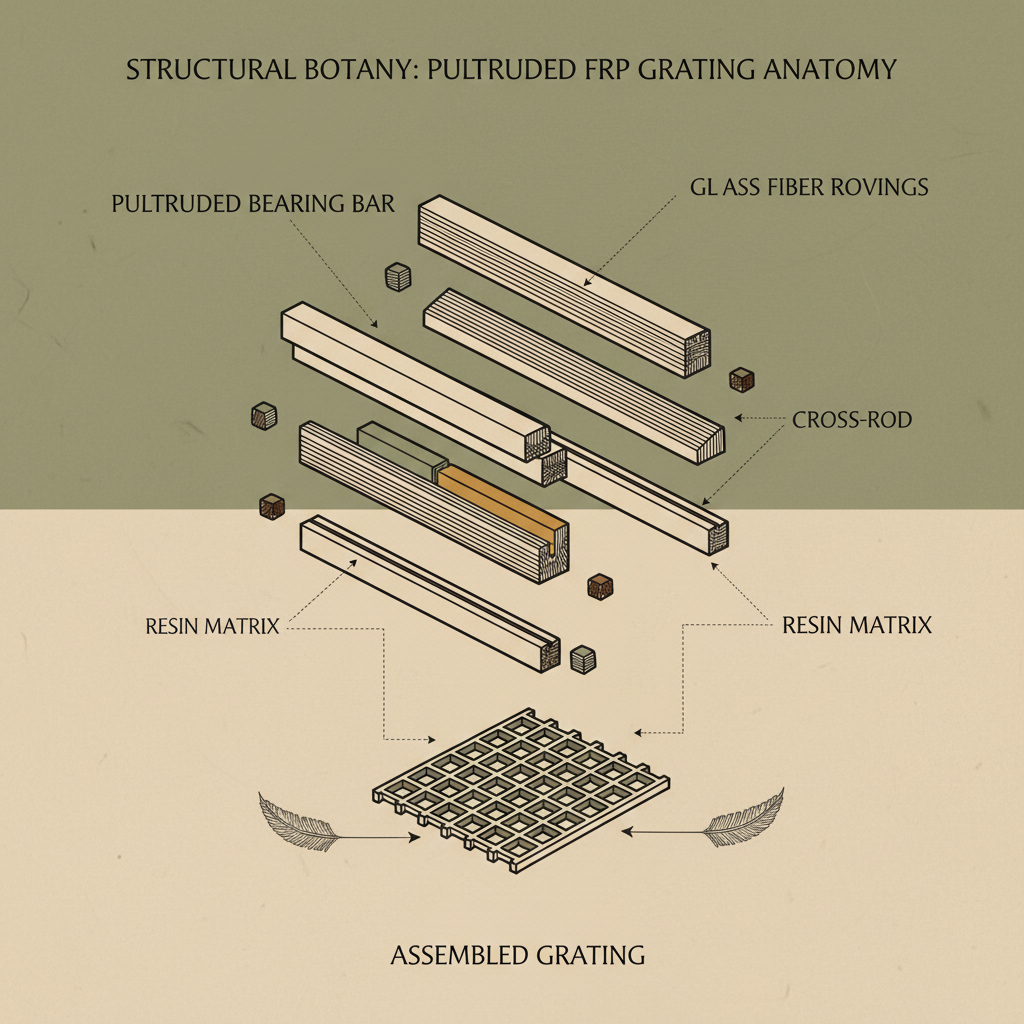
grp open mesh grating is a versatile and increasingly important material in modern construction and industrial applications. Its lightweight nature, combined with its exceptional strength and corrosion resistance, makes it an ideal solution for a wide range of projects. Understanding its properties and applications is crucial for engineers, architects, and project managers seeking durable, safe, and cost-effective alternatives to traditional materials.
The demand for grp open mesh grating is driven by growing infrastructure needs, particularly in industries like oil and gas, wastewater treatment, and marine environments. Its non-conductive properties and ease of installation further enhance its appeal, reducing project timelines and maintenance costs. Globally, its adoption is steadily increasing, supported by stricter safety regulations and a focus on sustainable building practices.
Furthermore, the inherent benefits of grp open mesh grating extend beyond purely functional advantages. Its open design allows for efficient drainage and airflow, contributing to improved worker safety and environmental sustainability. As industries continue to prioritize these factors, the role of grp open mesh grating is poised to become even more prominent in the years to come.
Introduction to grp open mesh grating
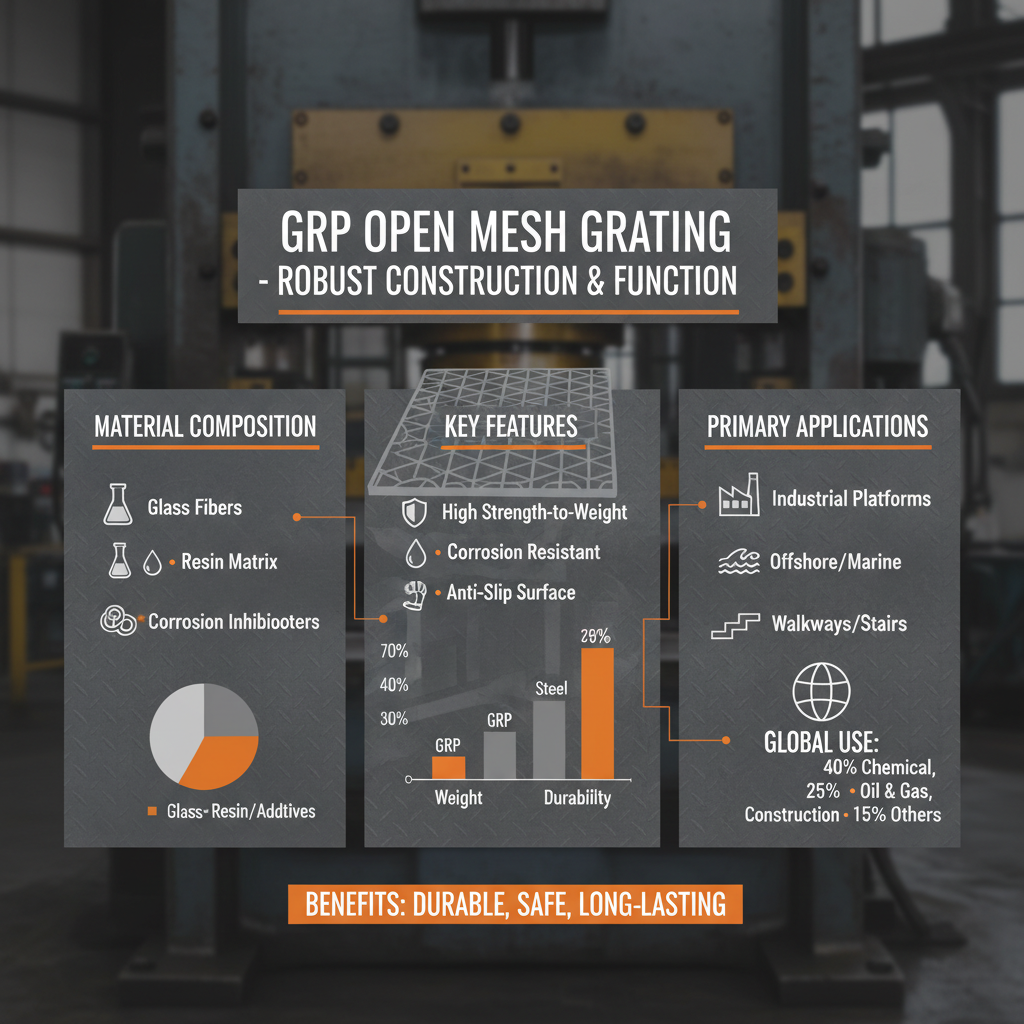
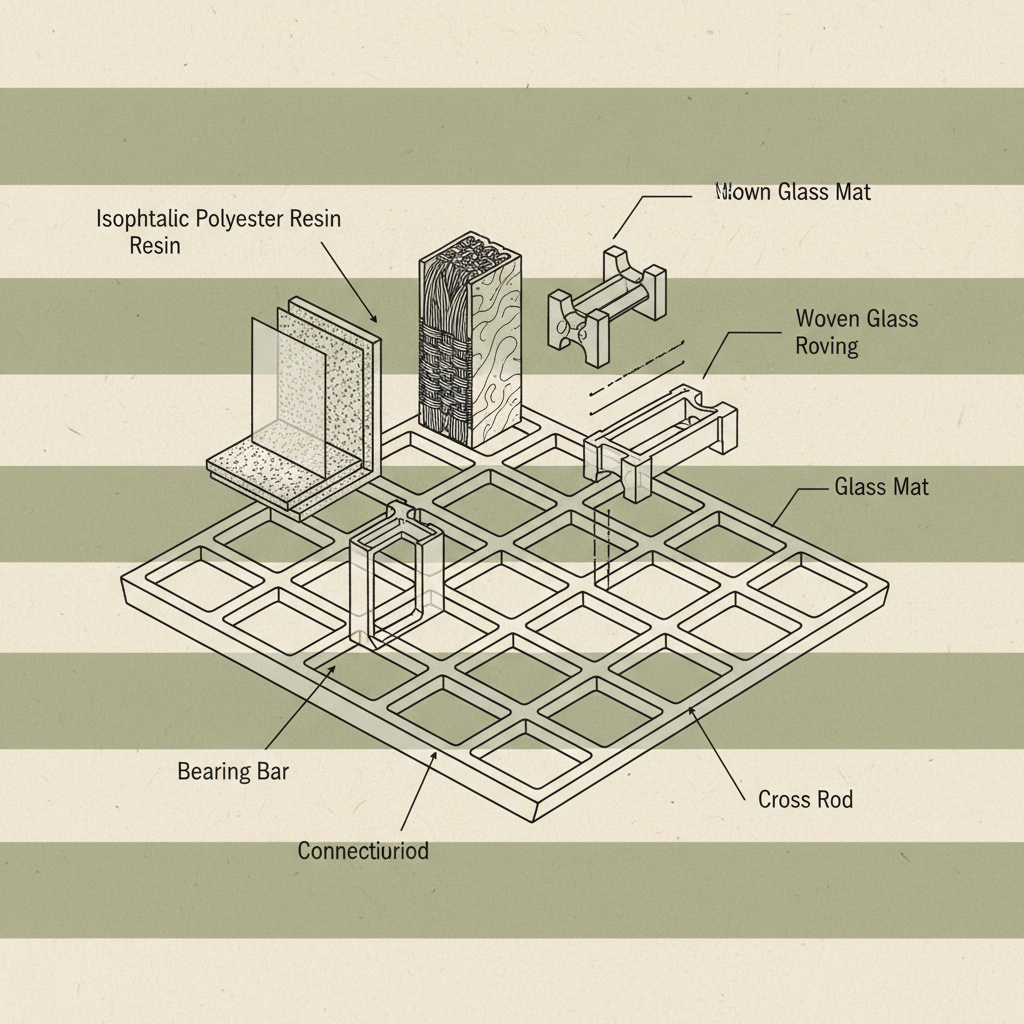
grp open mesh grating is a composite material constructed from glass fibers reinforced with a polymer matrix, typically a polyester or vinyl ester resin. This construction yields a product that boasts an exceptional strength-to-weight ratio, making it significantly lighter than traditional steel grating without sacrificing structural integrity.
Its inherent corrosion resistance eliminates the need for protective coatings, reducing long-term maintenance costs and enhancing its lifespan, particularly in harsh environments. The open grid design provides excellent drainage and airflow, further contributing to its safety and functionality.
Defining grp open mesh grating
grp open mesh grating is essentially a prefabricated structural component. It consists of an interconnected network of glass fiber reinforced polymer (grp) bars, molded into a rigid, open grid pattern. This pattern provides structural support while allowing for the passage of liquids, gases, and light.
Unlike traditional steel grating, grp open mesh grating is non-conductive, making it safe for use in environments where electrical hazards are present. It is also non-magnetic, which is critical in certain applications such as MRI suites and naval vessels.
The material is integral to modern industry and humanitarian efforts, offering a durable and reliable solution for walkways, platforms, stair treads, and other structural applications, particularly where corrosion or safety are paramount concerns.
Core Characteristics of grp open mesh grating
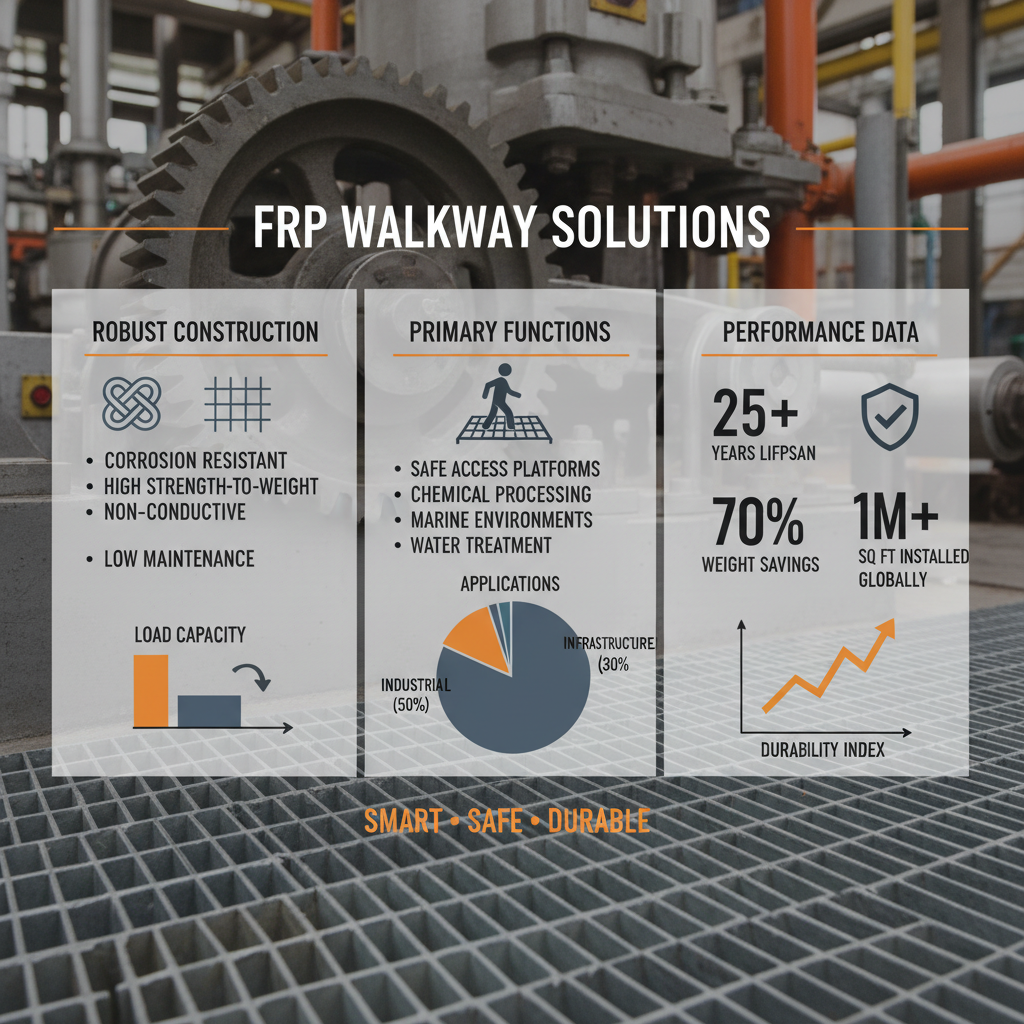
Durability is a defining characteristic of grp open mesh grating. The composite material resists corrosion from a wide range of chemicals, salt water, and harsh weather conditions, ensuring a long service life with minimal maintenance. This robustness significantly reduces lifecycle costs.
Strength-to-weight ratio is another key advantage. grp open mesh grating is remarkably lightweight compared to steel, making it easier to handle and install, and reducing the load on supporting structures. This is particularly important in retrofit projects or areas with limited load-bearing capacity.
Safety is intrinsically linked to the design of grp open mesh grating. The open grid structure allows for excellent drainage, minimizing slip hazards, and the non-conductive nature of the material eliminates the risk of electrical shock. Moreover, it can be manufactured with a textured surface for increased traction.
Key Applications of grp open mesh grating
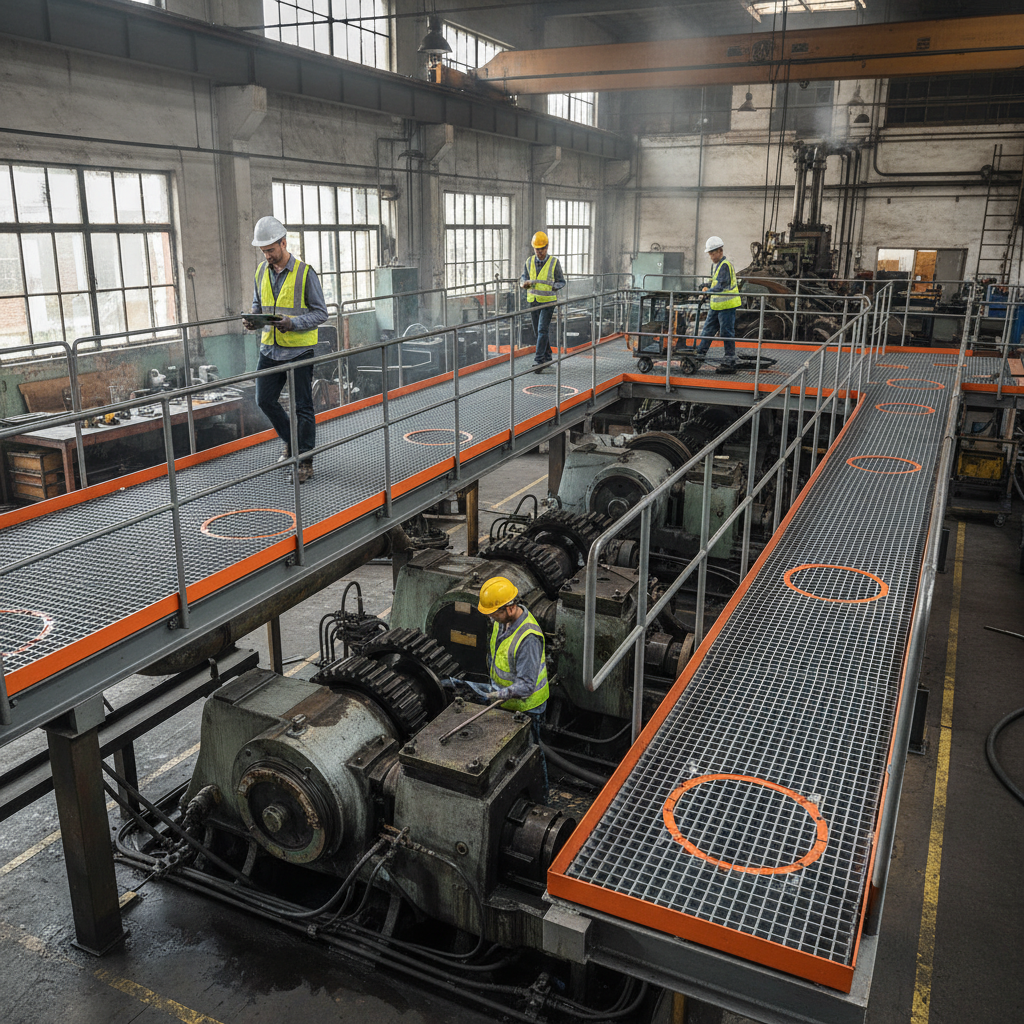
grp open mesh grating finds extensive use in wastewater treatment plants, providing safe and corrosion-resistant walkways and platforms over tanks and channels. Its ability to withstand harsh chemical environments is invaluable in this sector.
The oil and gas industry utilizes grp open mesh grating extensively in offshore platforms and refineries, where corrosion is a major concern. Its non-conductive properties are also crucial in preventing sparks that could ignite flammable materials.
In marine environments, grp open mesh grating is employed in docks, piers, and boat ramps, offering a durable and low-maintenance alternative to traditional materials, resistant to saltwater corrosion. Remote industrial zones, where regular maintenance is difficult or costly, benefit greatly from its longevity.
grp open mesh grating Application Ratings
Advantages and Long-Term Value
The primary advantage of grp open mesh grating lies in its long-term cost savings. While the initial investment may be slightly higher than traditional steel grating, the elimination of corrosion-related maintenance and replacement costs results in significant savings over the product’s lifespan.
From a sustainability perspective, grp open mesh grating offers a reduced environmental footprint. Its lightweight nature lowers transportation costs and its long lifespan minimizes waste. The elimination of the need for protective coatings also reduces the use of volatile organic compounds (VOCs).
Future Trends in grp open mesh grating Technology
Ongoing research focuses on enhancing the strength and durability of grp open mesh grating through the incorporation of advanced resin systems and fiber reinforcements. Nanomaterials are being explored to further improve its mechanical properties and resistance to UV degradation.
Smart grp open mesh grating, embedded with sensors to monitor structural integrity and detect potential issues, is an emerging trend. This technology will enable predictive maintenance and enhance safety by providing real-time data on the condition of the grating.
Increased focus on sustainable manufacturing processes, utilizing recycled materials and reducing energy consumption, will further enhance the environmental benefits of grp open mesh grating.
Challenges and Solutions for grp open mesh grating Implementation
One of the main challenges associated with grp open mesh grating is the higher initial cost compared to steel. However, this can be offset by considering the lifecycle cost benefits and reduced maintenance requirements. Value engineering and optimized design can also help mitigate this issue.
Proper installation is critical to ensure the long-term performance of grp open mesh grating. Using qualified installers and following manufacturer's recommendations is essential. Training programs and certification schemes can help address this challenge.
Concerns about the fire resistance of grp open mesh grating can be addressed by utilizing fire-retardant resins and incorporating flame-retardant additives. Compliance with relevant fire safety standards is also crucial.
A Comparative Analysis of grp open mesh grating Implementation Factors
| Implementation Factor |
Initial Cost |
Installation Complexity |
Long-Term Maintenance |
| Wastewater Treatment Plant |
7/10 |
6/10 |
2/10 |
| Offshore Oil Rig |
8/10 |
7/10 |
1/10 |
| Coastal Pier |
6/10 |
5/10 |
3/10 |
| Chemical Processing Facility |
7/10 |
6/10 |
2/10 |
| Power Generation Plant |
6/10 |
5/10 |
4/10 |
| Industrial Walkway |
5/10 |
4/10 |
3/10 |
FAQS
grp open mesh grating offers significant advantages over steel, including corrosion resistance, a lighter weight, non-conductivity, and reduced maintenance requirements. This translates to lower lifecycle costs and enhanced safety, particularly in harsh environments. Steel requires regular painting and maintenance to prevent corrosion, while grp open mesh grating is inherently corrosion-resistant, eliminating these costs and downtime.
grp open mesh grating generally performs well in a wide range of temperatures. However, prolonged exposure to extremely high temperatures can affect the resin matrix. Selecting a resin system specifically designed for high-temperature applications is crucial. Lower temperatures generally do not pose a significant threat to its structural integrity, although extreme cold can increase brittleness.
Yes, grp open mesh grating can be engineered to handle significant load-bearing capacities. The load capacity depends on factors such as the resin system, glass fiber content, grid spacing, and panel thickness. Properly designed and installed grp open mesh grating can safely support heavy equipment, pedestrian traffic, and vehicular loads.
The expected lifespan of a grp open mesh grating installation is typically 20-30 years or more, depending on the application and environmental conditions. Its inherent corrosion resistance and minimal maintenance requirements contribute to its longevity. Regular inspections can help identify any potential issues and ensure continued performance.
grp open mesh grating is typically installed using fasteners, adhesives, or a combination of both. Proper installation requires careful attention to detail and adherence to manufacturer's recommendations. Safety precautions include wearing appropriate personal protective equipment (PPE), such as gloves, safety glasses, and respirators, and following safe work practices.
grp open mesh grating offers several environmental benefits. Its long lifespan reduces the need for frequent replacements, minimizing waste. The elimination of corrosion-related coatings reduces VOC emissions. Furthermore, some manufacturers are incorporating recycled materials into their grp open mesh grating products, further enhancing its sustainability.
Conclusion
grp open mesh grating offers a compelling combination of durability, safety, and cost-effectiveness, making it an increasingly attractive alternative to traditional materials in a wide range of applications. Its inherent corrosion resistance, lightweight nature, and ease of installation contribute to significant long-term savings and reduced environmental impact. Understanding its benefits and proper implementation techniques is vital for maximizing its value.
As industries continue to prioritize safety, sustainability, and lifecycle cost management, the demand for grp open mesh grating is expected to grow. Continued innovation in materials science and manufacturing processes will further enhance its performance and expand its applications. To learn more about how grp open mesh grating can benefit your project, visit our website: grp open mesh grating.