
loading...
- No. 9, Xingyuan South Street, Dongwaihuan Road, Zaoqiang County, Hengshui, Hebei, China
- admin@zjcomposites.com
- +86 15097380338
- Welcome to visit our website!

Comprehensive Guide to Industrial Guarding Systems for Enhanced Safety
Understanding Guarding Systems: A Comprehensive Guide
In the realm of industrial safety and machinery operation, a robust guarding system is paramount. These systems are designed to protect personnel from hazards associated with moving parts, flying debris, and other potential dangers. This article provides an in-depth look at guarding systems, their types, benefits, implementation, and the importance of selecting the right system for your specific needs. Properly implemented guarding systems aren't just about compliance; they represent a commitment to worker well-being and operational efficiency.
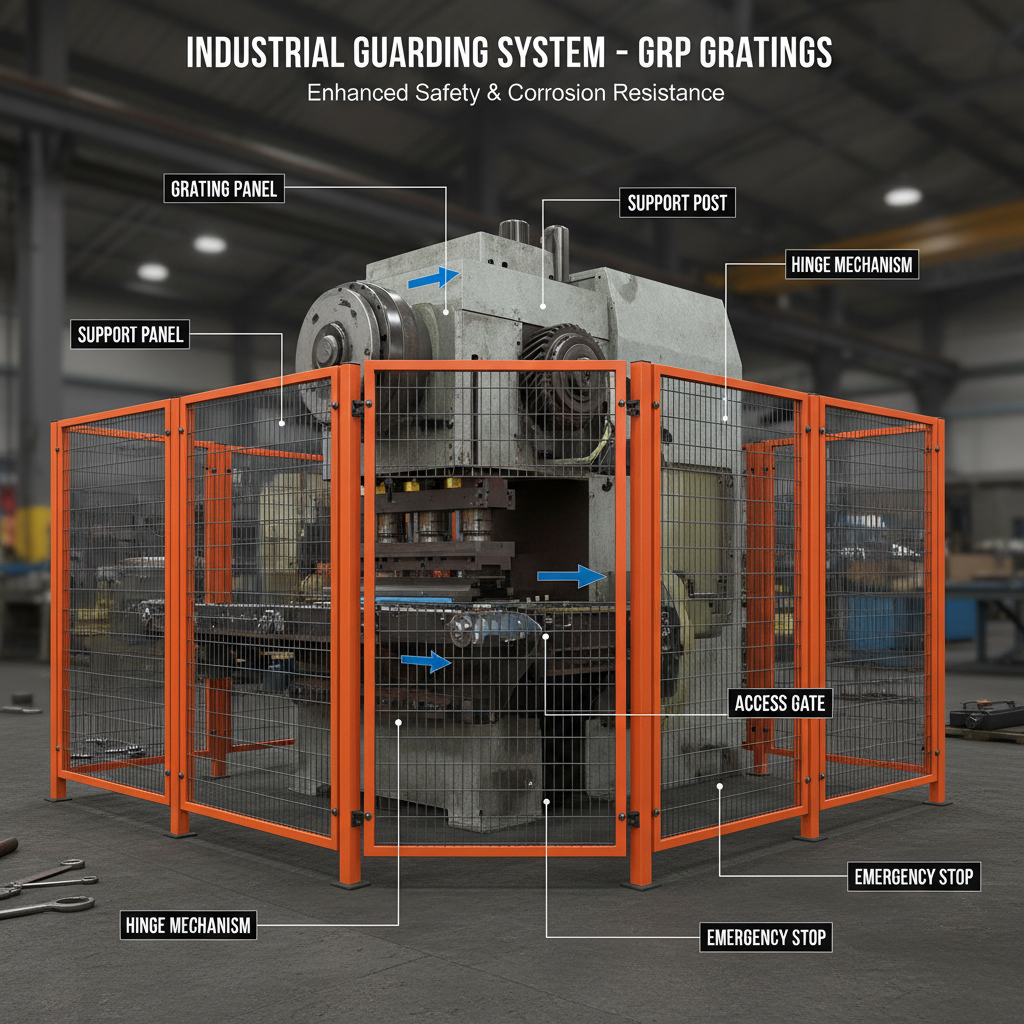
What Exactly is a Guarding System?
A guarding system encompasses all the physical barriers and safety mechanisms employed to prevent contact with hazardous machine parts. These systems are critical for complying with safety regulations, such as those set by OSHA (Occupational Safety and Health Administration) in the United States, and similar bodies globally. The primary goal is to minimize the risk of injuries like amputations, burns, and eye damage. Effective guarding systems not only protect workers but also can reduce machine downtime and maintenance costs by preventing damage to equipment.
Key Takeaway: A well-designed guarding system is a proactive safety measure that prevents accidents before they happen, safeguarding both personnel and equipment.
Types of Machine Guarding Systems
There are several types of guarding systems, each suited for different applications and hazards. Common types include: Fixed guards, which are permanently attached to the machine; Interlocked guards, which shut down the machine if removed; Adjustable guards, allowing for flexibility; and Self-adjusting guards, automatically adapting to machine movements. Light curtains and pressure-sensitive mats are also used as presence-sensing devices, stopping the machine when an intrusion is detected. The choice of guarding system depends on factors like the nature of the hazard, the machine's operation, and the work environment.
Guard Types at a Glance:
• Fixed Guards: Simple, reliable, and cost-effective.
• Interlocked Guards: High level of safety, prevents operation without guard in place.
• Light Curtains: Detect hand or body intrusion.
• Pressure-Sensitive Mats: Stop machine when pressure is applied.
Comparing Guarding System Effectiveness
The effectiveness of a guarding system directly impacts workplace safety. Here's a comparison of common guard types based on key factors:
Implementing an Effective Guarding System: Key Considerations
Implementing a successful guarding system involves a thorough risk assessment, proper guard selection, and ongoing maintenance. Begin by identifying all potential hazards associated with your machinery. Ensure guards are securely mounted and cannot be easily bypassed. Regular inspections and employee training are crucial to ensure the system remains effective. Consider ergonomic factors to ensure guards don’t impede operator efficiency or create new hazards.
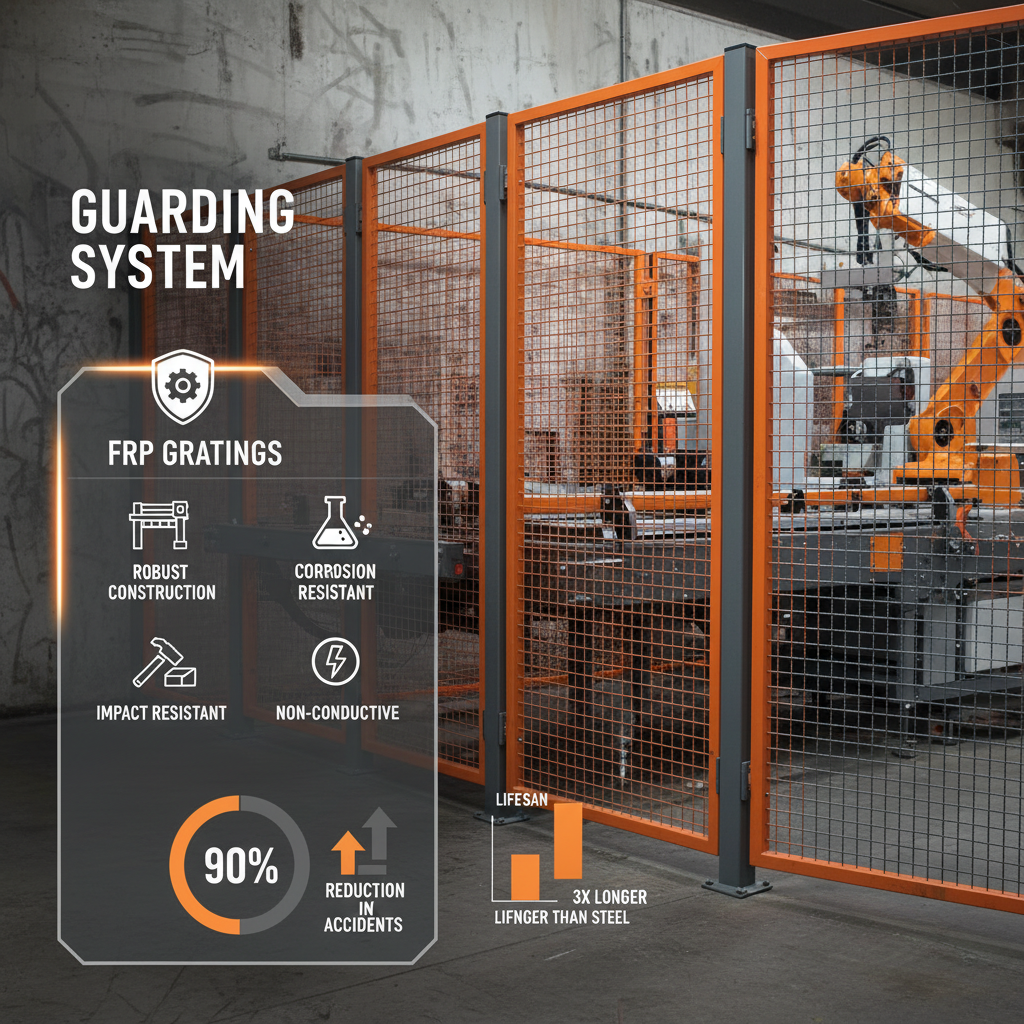
The Role of Material Selection in Guarding Systems
The material used to construct a guarding system is critically important. Materials must be durable, resistant to wear and tear, and capable of withstanding the potential impact of flying debris. ZJ Composites specializes in providing high-performance composite materials ideal for guarding applications. Composites offer a superior strength-to-weight ratio, corrosion resistance, and can be molded into complex shapes, making them a versatile and effective choice for various guarding needs. Selecting the right material directly impacts the longevity and reliability of the system.
Conclusion: Prioritizing Safety with Comprehensive Guarding
Investing in a comprehensive guarding system is a vital step towards creating a safer and more productive work environment. By carefully assessing hazards, selecting the appropriate guard types and materials, and implementing a robust maintenance program, you can significantly reduce the risk of workplace injuries and ensure compliance with safety regulations. Prioritizing safety is not just a legal obligation; it's an ethical imperative and a smart business decision.
Frequently Asked Questions (FAQs)
What are the legal requirements for machine guarding?
Legal requirements for machine guarding vary by country and region. In the United States, OSHA's Machine Guarding Standard (29 CFR 1910.212) outlines specific requirements for guarding various types of machinery. These regulations cover hazard identification, risk assessment, and the implementation of appropriate guarding measures. It’s crucial for employers to stay informed about and comply with all applicable safety standards to avoid penalties and, more importantly, to protect their employees. Resources like OSHA's website provide detailed guidance on these requirements.
How often should machine guards be inspected?
Machine guards should be inspected regularly, ideally as part of a routine preventative maintenance program. A formal inspection should be conducted at least annually, but more frequent inspections are recommended for high-use machinery or those operating in harsh environments. Inspections should verify that guards are securely in place, undamaged, and functioning correctly. Any deficiencies should be addressed immediately to maintain the effectiveness of the guarding system.
What training should employees receive regarding machine guarding?
Employees who operate or work near machinery must receive comprehensive training on the hazards associated with the equipment and the proper use of guarding systems. This training should cover hazard identification, safe operating procedures, the function and limitations of the guards, and procedures for reporting damage or malfunctions. Refresher training should be provided periodically to reinforce safety practices and ensure employees remain aware of potential risks.
-
High Quality Fiberglass Rods for Electric Fence Insulation GuideNewsApr.16,2026
-
Benefits and Guide of Installing a White Fiberglass FenceNewsApr.09,2026
-
Choosing the Right Fibreglass Fence for Property Enhancement and LongevityNewsApr.07,2026
-
Comprehensive Guide to Durable Fiberglass Fence Rods and Their ApplicationsNewsMar.31,2026
-
Comprehensive Guide to Durable Fiberglass Fence Post Solutions for Various ApplicationsNewsMar.28,2026
-
Comprehensive Guide to Fiberglass Fencing Benefits and ApplicationsNewsMar.26,2026
-
Comprehensive Guide to Choosing the Right Safety Guard System for Industrial ProtectionNewsMar.24,2026