0%

Table of Contents

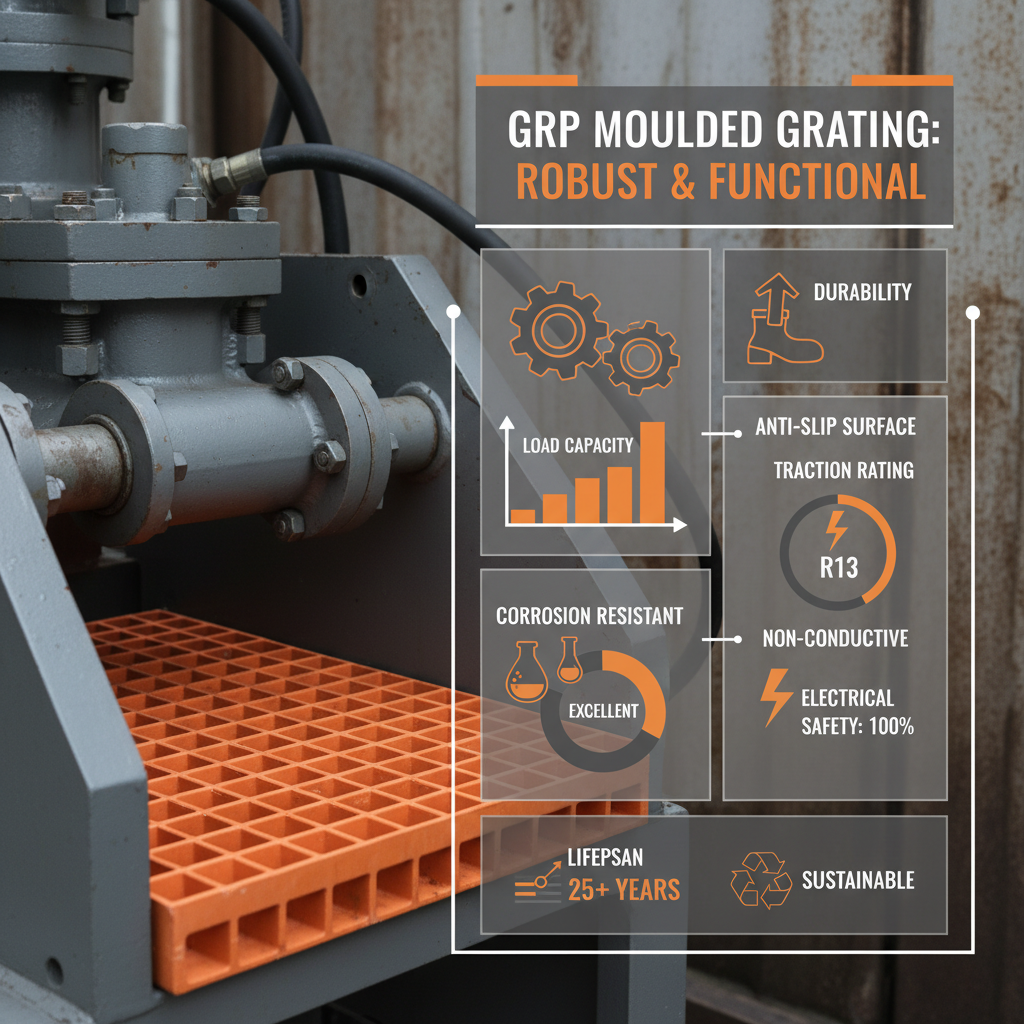
Look, honestly, things are moving fast. Everyone’s chasing lightweight, high-strength materials. It's all about reducing weight and boosting efficiency, you know? Especially in construction and infrastructure. You see more and more talk about composites, and gfrp grating is definitely at the forefront. It’s not just hype, though. Been seeing it pop up everywhere from chemical plants to walkways… even amusement park rides. A lot of folks are finally realizing the long-term cost savings outweigh the initial investment. But it’s not a magic bullet. There are nuances.

Have you noticed how everyone thinks they can just design something strong? That’s where things get tricky. So many designs look great on paper, but fall apart when you actually try to build them. The biggest pitfall? Ignoring the installation process. You can have the most amazing grating, but if it’s a pain to install, nobody’s going to use it right. Or they'll modify it in ways you never anticipated. Which, trust me, leads to headaches.

And don’t even get me started on material consistency. You think fiberglass is fiberglass, right? Wrong. It's all about the resin system, the fiber type, the manufacturing process… It makes a huge difference. The good stuff, the really good stuff, has a bit of a sweet, almost chemical smell when you cut it. Sounds weird, I know, but you get used to it. And it feels… stiffer. Not brittle, but solid. Cheap stuff smells like burning plastic and feels flimsy. That’s a red flag, believe me.
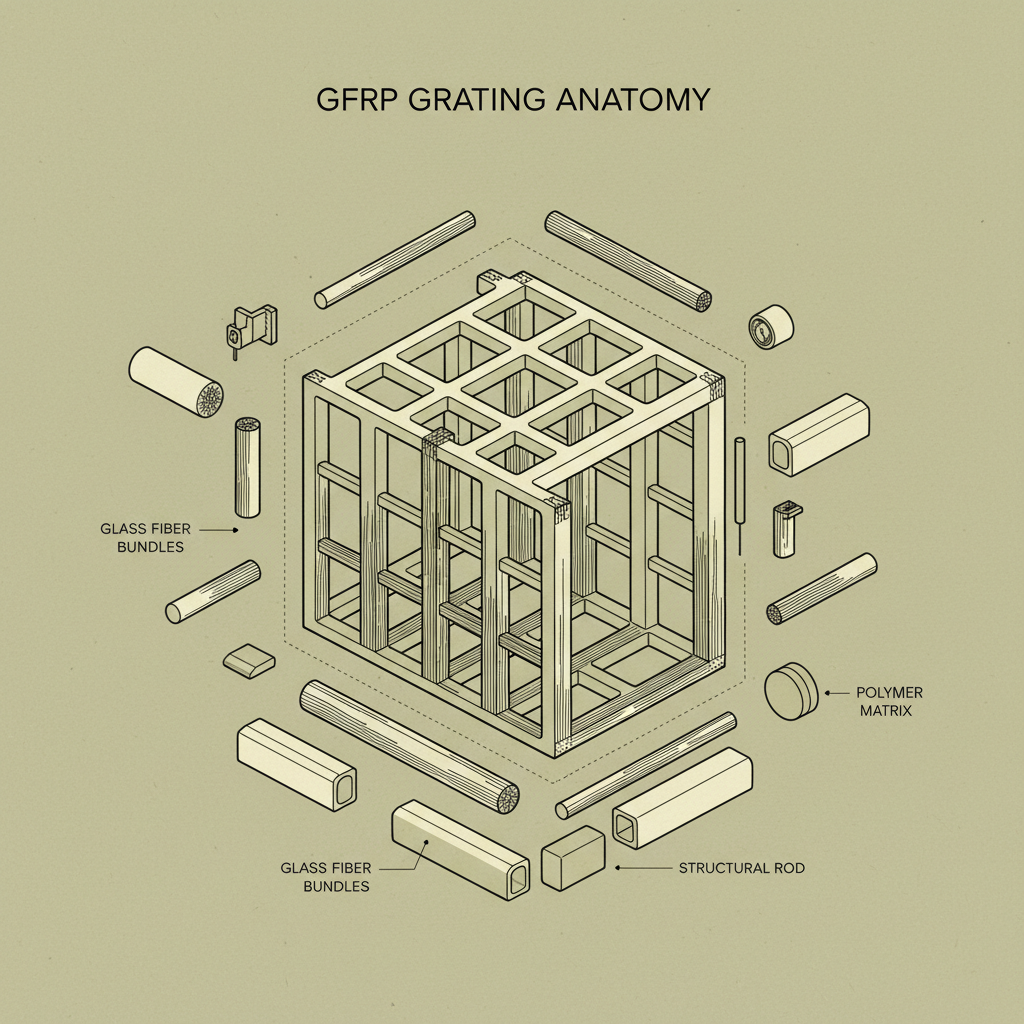
Exploring the Advantages and Challenges of Gfrp Grating Applications

Industry Trends and Design Pitfalls

Exploring the Advantages and Challenges of Gfrp Grating Applications

Honestly, the biggest trend is corrosion resistance. Saltwater, chemicals, harsh environments… concrete and steel just don’t cut it anymore. People are tired of replacing stuff every few years. gfrp grating just holds up so much better. But what I’ve found is a lot of engineers design these things assuming perfect conditions. They don't factor in the day-to-day abuse a grating actually takes. Stuff gets dropped on it, people drag things across it… it’s a rough life for a piece of grating.

Strangely, I've seen more failures due to improper fastening than material failure itself. Choosing the right bolt, the right washer, the right installation torque… it's crucial. And it's often overlooked.

Materials Deep Dive: Resin, Fiber and Feel

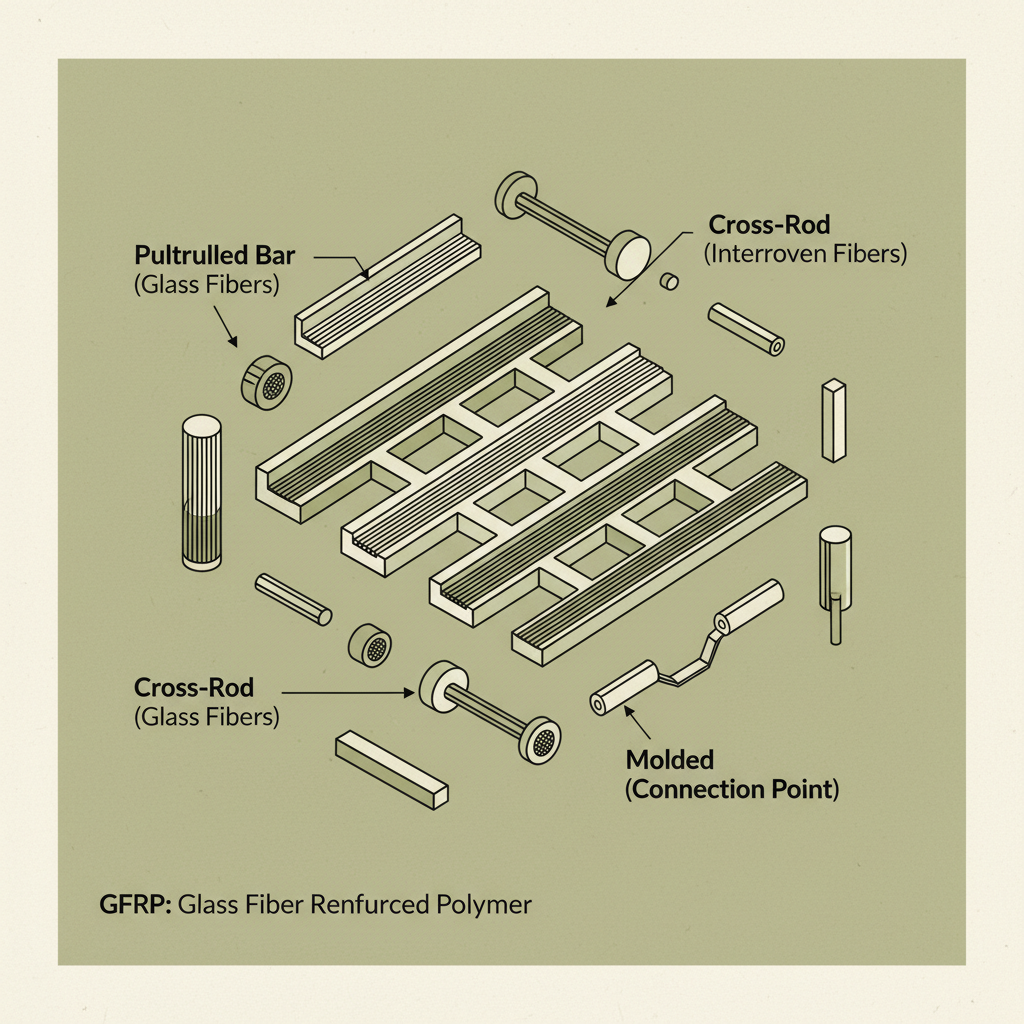
Okay, so the resin is the glue that holds everything together. Usually, it’s polyester, vinyl ester, or epoxy. Epoxy is the strongest and most chemical resistant, but it’s also the most expensive. Vinyl ester is a good middle ground. Polyester is the cheapest, but it doesn’t hold up as well long-term. Fiberglass is the most common reinforcement, but you can also use carbon fiber for extra strength and stiffness. Carbon fiber is expensive, though. Like, really expensive.

The weave of the fiberglass also matters. A woven roving is stronger in both directions, but it’s harder to mold. A chopped strand mat is easier to mold, but it’s not as strong. And the resin-to-fiber ratio is critical. Too much resin, and it’s weak and brittle. Too little resin, and it’s… well, it falls apart.

I encountered this at a factory in Ningbo last time. They were using a cheap polyester resin and a low-quality fiberglass mat. The grating looked okay at first, but it started to delaminate within a few months. Absolute nightmare.

Real-World Testing and Performance

Look, lab tests are fine, but they don't tell the whole story. I’ve seen gratings pass all the lab tests and still fail miserably in the field. What you need is real-world testing. Load tests with actual equipment, exposure to real-world chemicals, impact tests with real-world objects… you get the idea.

We once did a test where we subjected a piece of gfrp grating to a constant stream of hydrochloric acid for six months. It barely even flinched. Tried the same thing with a steel grating, and it was rusted to oblivion within a week. That convinced a lot of people.

Another thing we do is drop tests. We literally drop heavy objects onto the grating to see how it holds up. Sounds barbaric, but it’s effective. And it gives you a good idea of the impact resistance. Later… Forget it, I won’t mention how many times I’ve seen engineers wince during those tests.

Application Scenarios and User Behavior

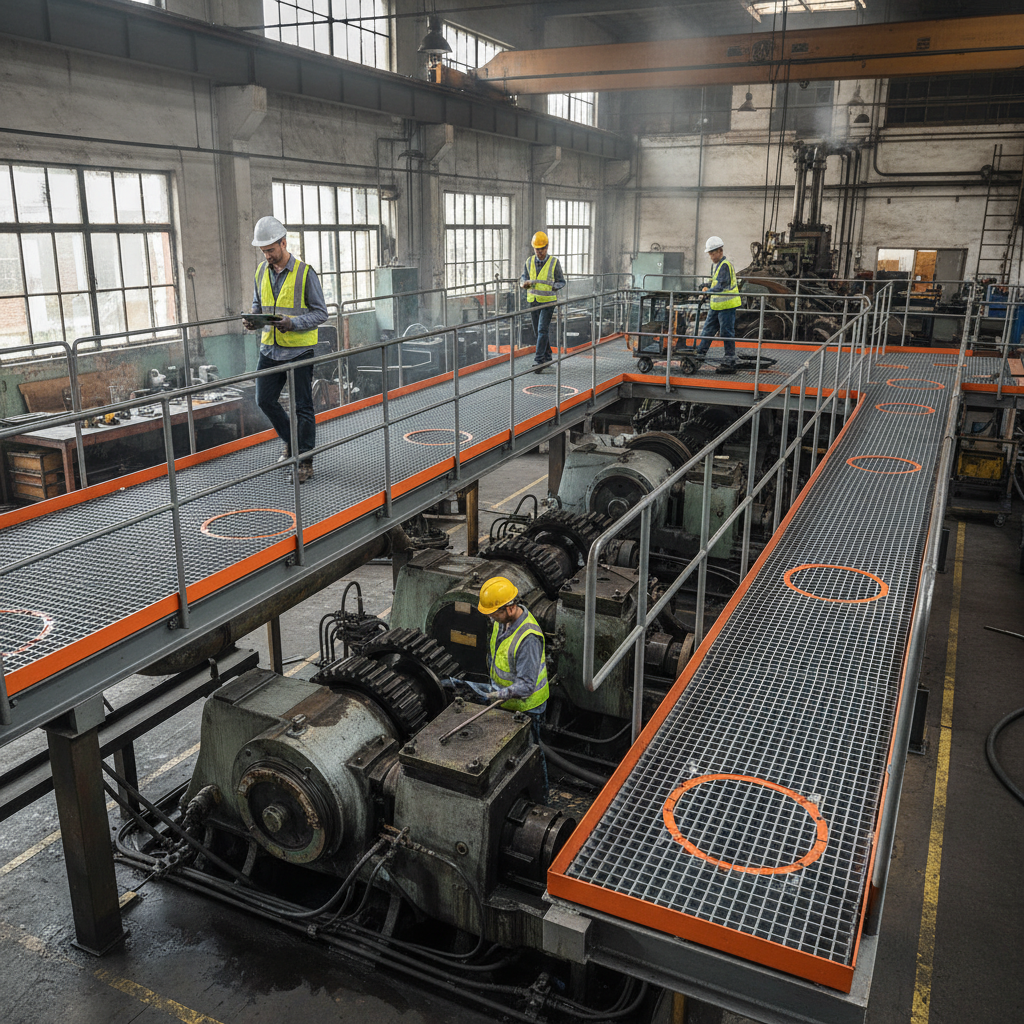
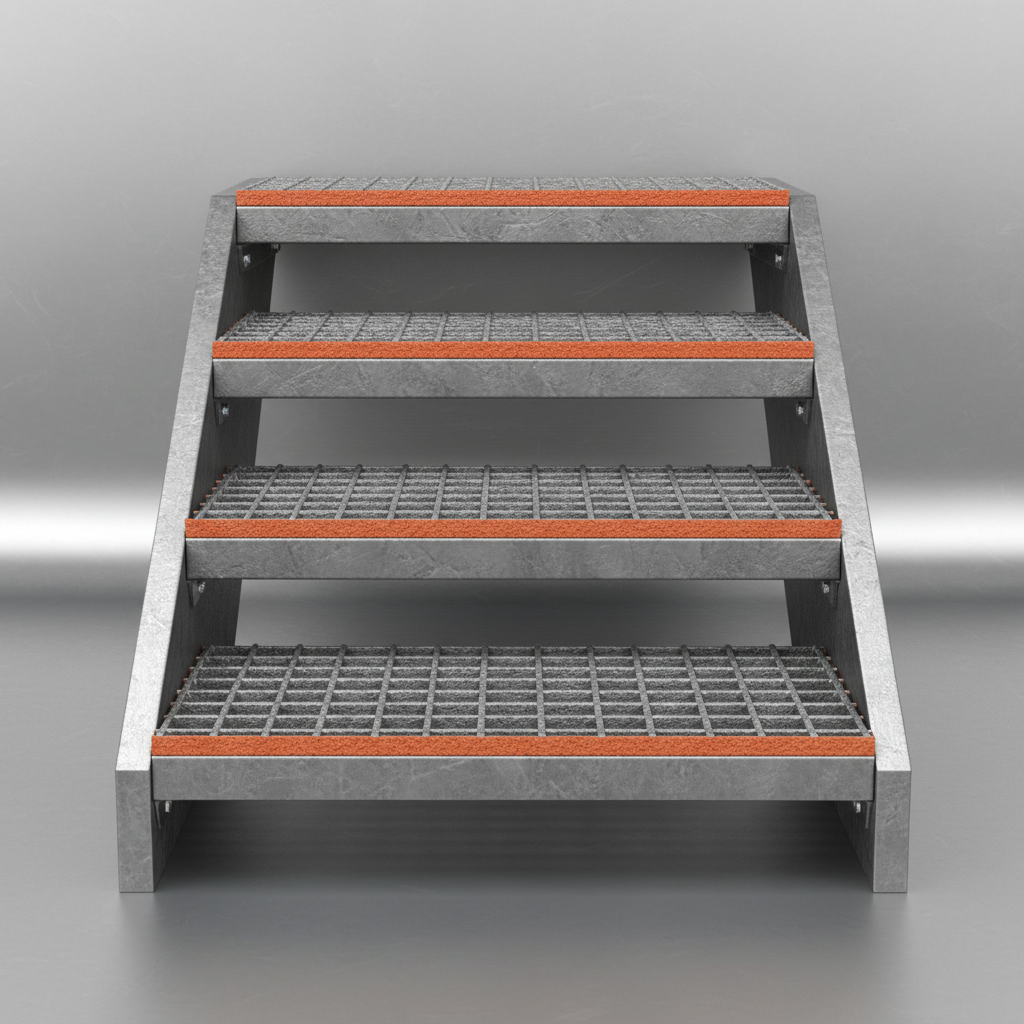
You see this stuff everywhere. Chemical processing plants, wastewater treatment facilities, oil and gas platforms… anywhere there’s corrosion. Walkways, platforms, stair treads, even entire bridges. They're using it in amusement parks, too – roller coaster supports, ride platforms. It’s lightweight, so it reduces the load on the structure.

But here's the thing. People don't always use it as intended. I've seen guys weld directly onto gfrp grating. Which, obviously, is a terrible idea. Or they'll try to modify it on-site without understanding the consequences. You have to provide clear instructions and training.

Advantages, Disadvantages and Customization

The advantages are obvious: lightweight, corrosion resistant, non-magnetic, low maintenance. It’s a good thing. The disadvantages? It’s more expensive upfront than steel. And it can be brittle, so it’s not ideal for applications where there’s a lot of impact.

But you can customize it! We did a project where a client needed a grating with a specific mesh size to prevent small objects from falling through. We were able to adjust the manufacturing process to achieve exactly what they needed. You can also change the color, add anti-slip surfaces, even embed sensors into the grating for monitoring purposes.

gfrp Grating Performance Metrics


Case Study: The Shenzhen Smart Home Dilemma

Last month, that small boss in Shenzhen who makes smart home devices insisted on changing the interface to for his gfrp grating access covers. Said it was “more modern.” I tried to explain that standard bolts were cheaper, easier to source, and perfectly adequate, but he wouldn’t listen. He wanted . So, we had to redesign the entire mounting system, source custom bolts, and deal with a huge delay. The result? The covers looked slightly more sleek, but the cost went up by 20%. He wasn't happy.

It just goes to show you, sometimes the simplest solution is the best. Don't overcomplicate things.

Anyway, I think he still doesn’t understand the value of a good fastener.

Performance Comparison

So, how does it stack up against the competition? Here’s a quick and dirty comparison, straight from my notebook. Don’t judge the handwriting.

It's all relative, of course. Depends on the application, the environment, the budget… you name it.

But, at the end of the day, it’s about finding the right material for the job.

Key Performance Indicators for Gfrp Grating vs Alternatives

Material Type Corrosion Resistance (1-10) Strength-to-Weight Ratio Initial Cost (USD/sq ft)
Steel (Galvanized) 4 Medium $5 - $10
Aluminum 7 High $10 - $15
Stainless Steel 9 Medium $20 - $30
gfrp (Polyester) 8 Very High $15 - $25
gfrp (Vinyl Ester) 9 Very High $20 - $30
gfrp (Epoxy) 10 Very High $30 - $40

FAQS

What's the lifespan of gfrp grating in a marine environment?

In a truly harsh marine environment, with constant saltwater exposure and UV radiation, you’re looking at 20-25 years, easily. That's significantly longer than steel or aluminum. Of course, it depends on the resin system. Epoxy will always outperform polyester in this scenario. Proper installation and maintenance – cleaning, occasional inspections – are key to maximizing lifespan, though.

Is gfrp grating slippery when wet?

It can be, yes. That’s why it's crucial to specify an anti-slip surface. There are a few options: a grit-embedded surface, a molded-in pattern, or even a coating. We usually recommend a grit-embedded surface, as it provides the best traction, even when covered in ice or snow. Don’t skip this step!

Can gfrp grating be easily cut and modified on-site?

Yes, but you need the right tools. A standard wood saw won't cut it. You’ll need a diamond blade or a carbide-tipped saw. And always wear a dust mask! Fiberglass dust is irritating. Also, cutting into the grating can compromise its structural integrity, so be careful not to remove too much material. Pre-fabricated modifications are always preferred.

What's the fire resistance rating of gfrp grating?

That’s a good question. Gfrp itself is not inherently fire-resistant. It will burn, but it doesn't usually contribute to the spread of flames. The fire resistance rating depends on the resin system and any fire-retardant additives. We can provide grating that meets specific fire codes and standards, but it’s important to specify that upfront.

How does the weight of gfrp grating compare to steel?

That's one of its biggest advantages. Gfrp is significantly lighter than steel – typically around 70-80% lighter. This reduces installation costs, simplifies handling, and can lower the overall structural load. It makes it easier to work with, for sure, especially in challenging locations.

What is the impact resistance like? Can it handle heavy loads?

Impact resistance is a concern. While strong in tension, gfrp can be brittle. It can handle static loads very well, but sudden impacts can cause damage. It’s essential to select the right grating for the application and consider factors like mesh size and thickness. For high-impact areas, you might need to reinforce it or opt for a different material altogether.

Conclusion

So, there you have it. gfrp grating isn’t a perfect solution, but it’s a really good one in a lot of situations. It’s lighter, stronger, and more corrosion-resistant than traditional materials. It’s customizable, relatively easy to install (if you do it right), and can save you a lot of money in the long run. It’s a complex material, and you have to understand its limitations, but the benefits are often worth the effort.

Ultimately, whether this thing works or not, the worker will know the moment he tightens the screw. They'll feel the quality, they'll see how it fits, and they'll know if it's going to last. And that’s the best test of all. Visit our website at www.zjcomposites.com to learn more.

Marcus Ryland

Marcus Ryland

Marcus Ryland is the Regional Sales Manager for the Eastern US at ZJ Composites. Having spent 8 years in technical sales, Marcus excels at translating complex product benefits into clear value for clients. He’s passionate about showcasing the advantages of ZJ Composites' fiberglass pressure vessels and water tanks, particularly their
Previous Expert Insights on Cutting FRP Grating Installation and Material Selection
Next Understanding Heavy Duty FRP Grating Applications and Design Considerations