The demand for robust and reliable decking solutions is paramount across diverse industries, from marine environments to industrial walkways. Increasingly, businesses and infrastructure projects are turning to advanced materials offering superior performance and longevity. A key focus within this landscape is ensuring a deck safe environment, minimizing risk and maximizing operational efficiency. This is particularly critical where exposure to corrosive elements, heavy loads, and extreme weather conditions is prevalent. Understanding the principles behind a truly deck safe system is no longer a luxury, but a necessity for sustainable and responsible development.
The global need for durable and safe infrastructure is continuously growing, driven by increasing industrial activity, aging infrastructure requiring replacement, and a heightened awareness of workplace safety standards. According to the UN, sustainable infrastructure is vital for achieving the Sustainable Development Goals, particularly Goal 9 (Industry, Innovation, and Infrastructure). The cost of accidents and infrastructure failures is substantial, not only in terms of financial losses but also in terms of human lives and environmental impact. Solutions centered around a deck safe approach are therefore gaining prominence as organizations prioritize risk mitigation and long-term value.
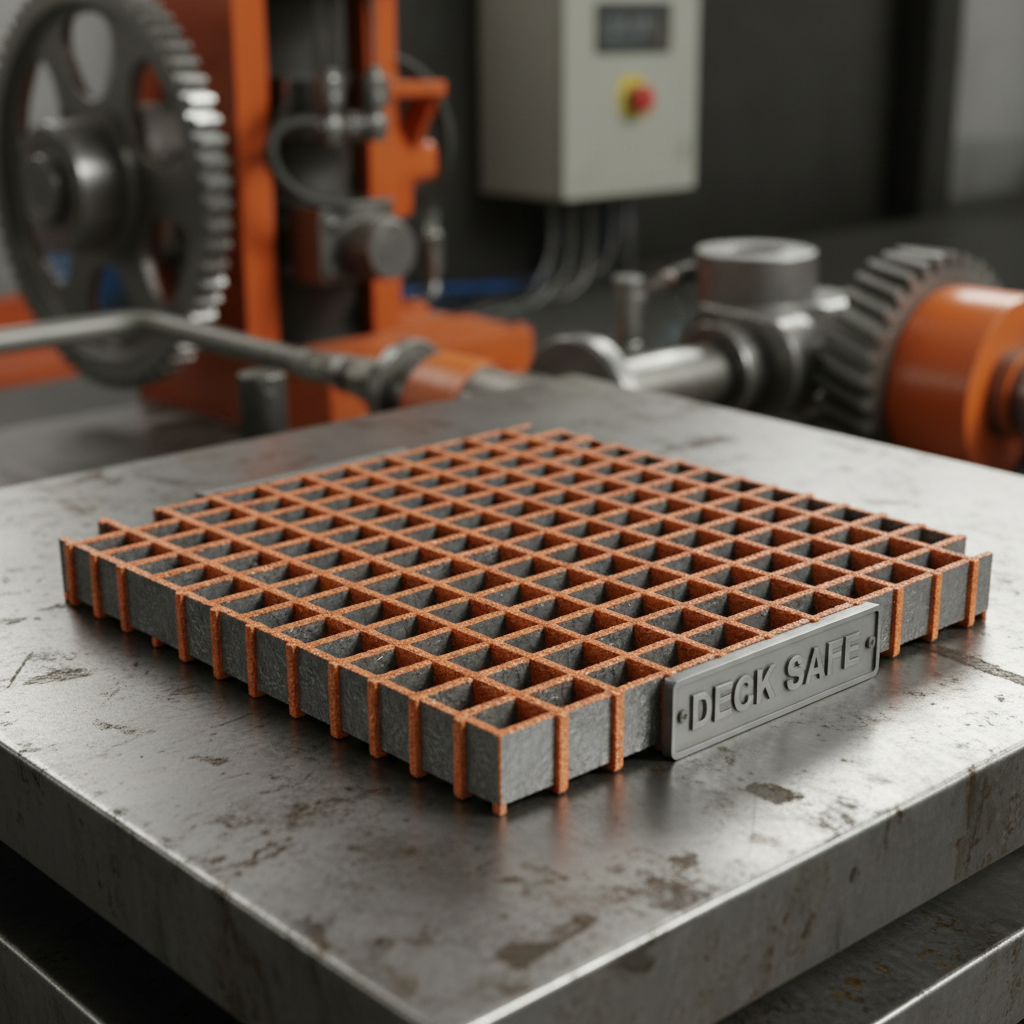
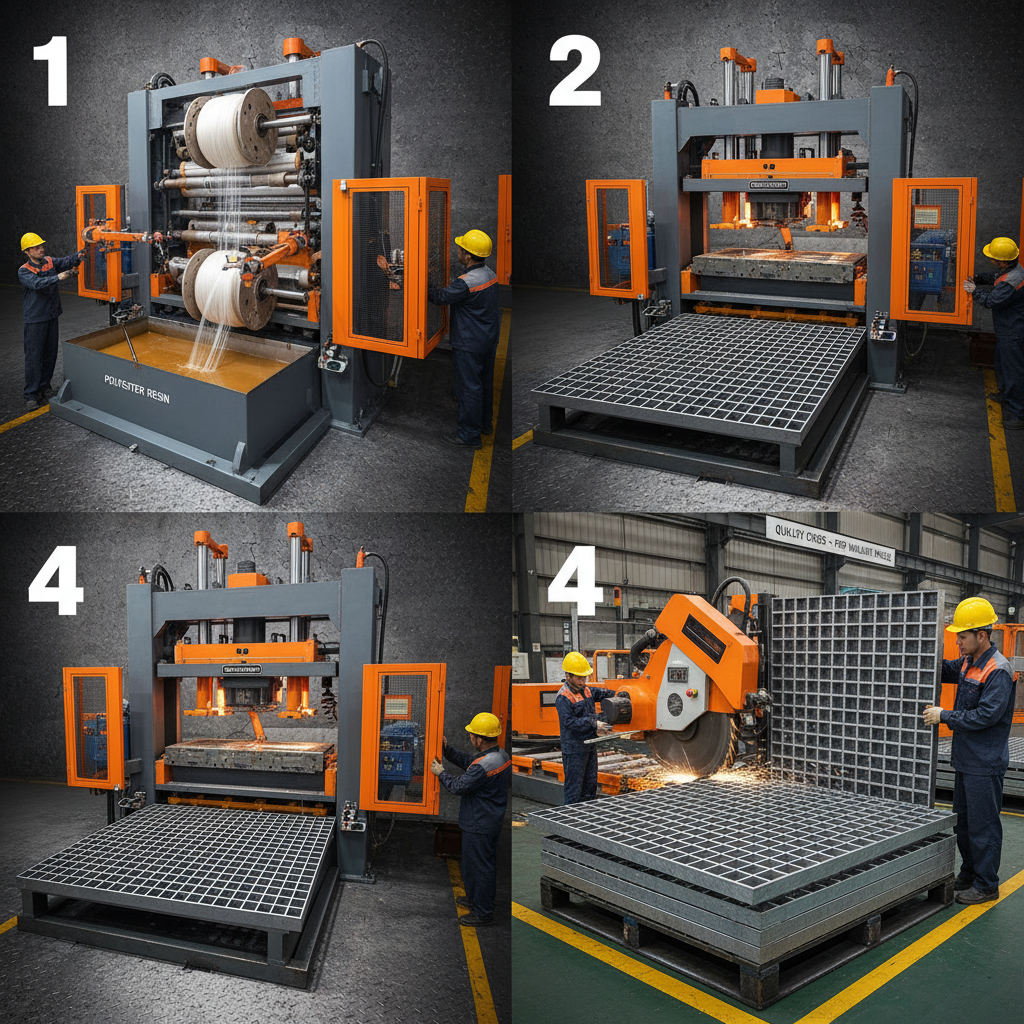
The increasing demand is also fueled by the limitations of traditional materials like steel and wood. Steel is susceptible to corrosion, requiring frequent maintenance and eventual replacement. Wood, while renewable, is prone to rot, decay, and fire hazards. Fiber-reinforced polymer (FRP) gratings and decking, specifically glass steel products, offer a compelling alternative – lightweight, corrosion-resistant, and requiring minimal maintenance. These properties make them ideally suited to create a deck safe environment in challenging applications.
The Significance of Deck Safe Solutions
Ensuring a deck safe environment is paramount across numerous industries. This isn’t merely about compliance with safety regulations; it's a strategic investment in operational continuity and employee well-being. Industries such as oil and gas, chemical processing, and wastewater treatment face particularly high risks of corrosion and structural failure, demanding materials capable of withstanding harsh conditions. A deck safe approach minimizes the likelihood of accidents, reduces maintenance downtime, and extends the lifespan of critical infrastructure.
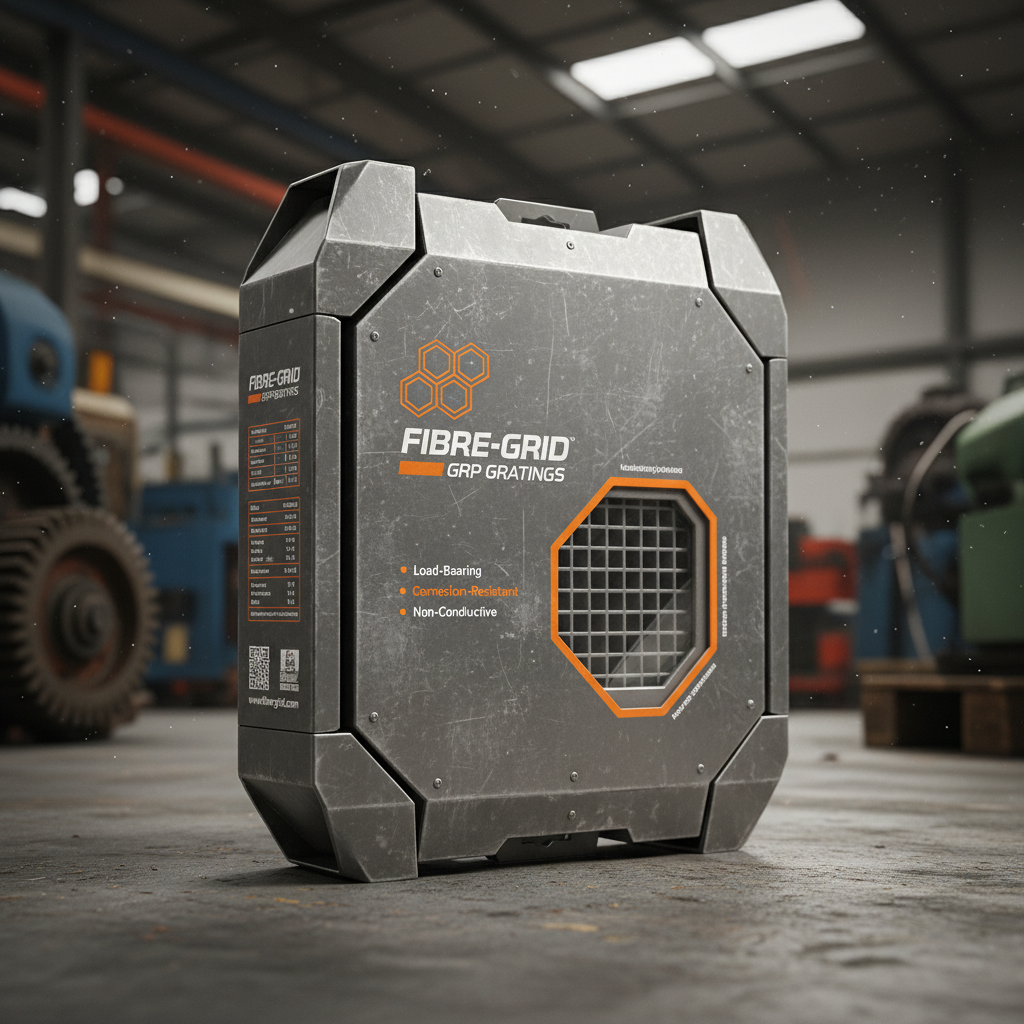
The selection of appropriate decking materials directly influences the safety and efficiency of operations. Traditional materials often fall short in environments exposed to corrosive chemicals, saltwater, or extreme temperatures. Fiberglass reinforced plastic (FRP) grating and decking, offer a superior alternative, providing exceptional resistance to corrosion, high strength-to-weight ratios, and non-conductive properties. This makes them ideal for applications where electrical safety and minimizing weight are critical factors.
Defining Deck Safe: A Comprehensive Overview
A deck safe environment is characterized by the implementation of materials and designs that minimize the risk of slips, trips, and falls, prevent structural failures, and protect personnel from hazardous conditions. This encompasses a range of factors, including the material's resistance to corrosion, its load-bearing capacity, its slip resistance, and its fire retardancy. The goal is to create a working surface that is both durable and secure, ensuring the safety of individuals and the integrity of the infrastructure.
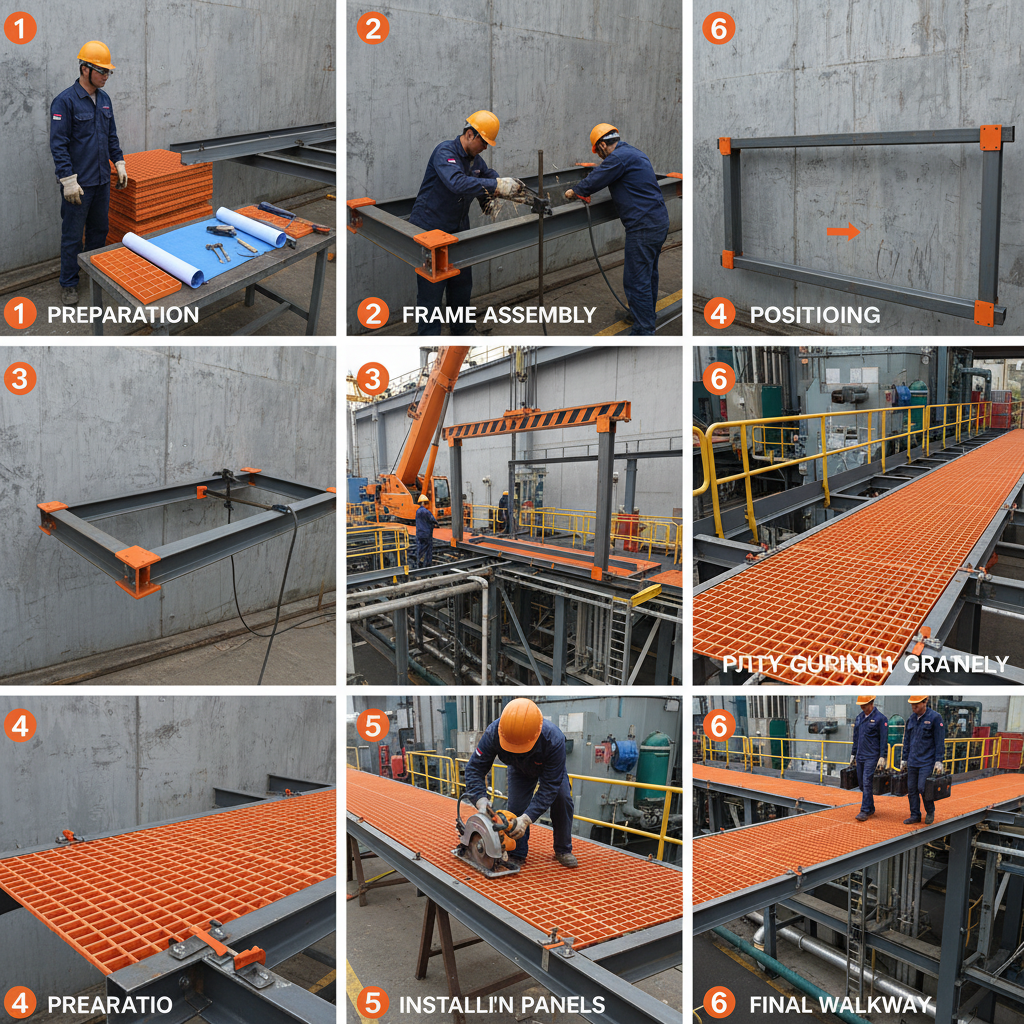
The concept extends beyond simply selecting the right material; it requires a holistic approach to design and installation. Proper drainage, secure fastening systems, and regular inspections are all essential components of a deck safe system. Consideration must also be given to the specific environmental conditions and the types of loads the decking will be subjected to. This comprehensive approach aligns with modern industry standards and best practices for safety management.
In today's industrial landscape, a deck safe solution is not just about avoiding immediate hazards but also about long-term sustainability and responsible asset management. Investing in durable, low-maintenance materials reduces the lifecycle costs of infrastructure and minimizes the environmental impact associated with frequent repairs and replacements.
Core Components of a Deck Safe System
Several key components contribute to a robust and deck safe system. Firstly, material selection is crucial, with FRP gratings and decking offering superior corrosion resistance and strength-to-weight ratios compared to traditional materials. Secondly, proper design and engineering are essential to ensure the decking can withstand anticipated loads and environmental conditions.
Thirdly, secure fastening systems are vital for maintaining the integrity of the decking structure. Corrosion-resistant fasteners and properly designed connection points are essential to prevent loosening or failure. Fourthly, slip resistance is a critical safety factor, and textured surfaces or coatings can be used to enhance traction.
Finally, regular inspections and maintenance are necessary to identify and address any potential issues before they escalate. This includes checking for corrosion, cracks, or loose fasteners and performing necessary repairs or replacements. These elements combined ensure a consistently deck safe environment.
Global Applications of Deck Safe Materials
The applications of deck safe materials are incredibly diverse, spanning numerous industries and geographical locations. In the oil and gas sector, FRP gratings are widely used on offshore platforms and refineries to provide safe walking surfaces in corrosive environments. In the chemical processing industry, they are utilized in walkways, platforms, and containment areas where resistance to harsh chemicals is paramount.
Wastewater treatment plants rely on deck safe solutions for walkways, grating, and covers to withstand constant exposure to corrosive wastewater and moisture. Similarly, the marine industry utilizes FRP decking for docks, piers, and boat ramps, capitalizing on its resistance to saltwater and its low maintenance requirements. In post-disaster relief operations, lightweight and rapidly deployable FRP structures are used to create temporary walkways and shelters.
Comparative Analysis of Deck Safe Methods
Advantages and Long-Term Value Proposition
Investing in a deck safe system offers a multitude of advantages, extending far beyond immediate safety improvements. Reduced maintenance costs are a significant benefit, as FRP materials require minimal upkeep compared to traditional materials like steel. This translates into lower lifecycle costs and reduced downtime for repairs and replacements.
Enhanced durability and resistance to corrosion ensure a longer service life, minimizing the need for frequent replacements. The lightweight nature of FRP materials simplifies installation and reduces transportation costs. Furthermore, the non-conductive properties of FRP enhance electrical safety, reducing the risk of shocks and arc flash hazards.
Future Trends in Deck Safe Technology
The future of deck safe technology is being shaped by several emerging trends. The development of advanced composite materials with enhanced strength and durability is ongoing. Smart grating systems incorporating sensors to monitor structural integrity and detect potential hazards are gaining traction. Digital twin technology is being used to create virtual models of infrastructure, enabling predictive maintenance and optimizing performance.
Integration with Building Information Modeling (BIM) is streamlining the design and construction process, ensuring seamless integration of deck safe solutions into larger infrastructure projects. Sustainability is also a key driver, with a growing focus on developing eco-friendly FRP materials and reducing the environmental impact of manufacturing processes.
Challenges and Innovative Solutions
Despite the numerous advantages, implementing a deck safe system can present certain challenges. Initial material costs can sometimes be higher than traditional materials, although this is often offset by lower lifecycle costs. Ensuring proper installation and adherence to industry standards is crucial to maintaining structural integrity.
Innovative solutions are addressing these challenges. Value engineering and optimization of designs can help reduce material costs. Training programs and certification courses are improving installation quality. And the development of standardized testing methods and quality control procedures are ensuring the reliability and performance of FRP materials.
Summary of Factors Affecting Deck Safe Implementation
| Challenge Category |
Potential Impact on Deck Safe |
Mitigation Strategy |
Severity Level (1-5) |
| Initial Cost |
Higher upfront investment. |
Lifecycle cost analysis, value engineering. |
3 |
| Installation Expertise |
Improper installation compromising safety. |
Certified installer training, quality control. |
4 |
| Material Compatibility |
Incompatibility with existing infrastructure. |
Thorough material assessment, compatibility testing. |
2 |
| Environmental Factors |
UV exposure, temperature fluctuations. |
UV-resistant coatings, material selection. |
3 |
| Regulatory Compliance |
Meeting local safety standards. |
Consult with regulatory bodies, certified materials. |
4 |
| Long-Term Monitoring |
Detecting potential structural issues. |
Regular inspections, sensor integration. |
2 |
FAQS
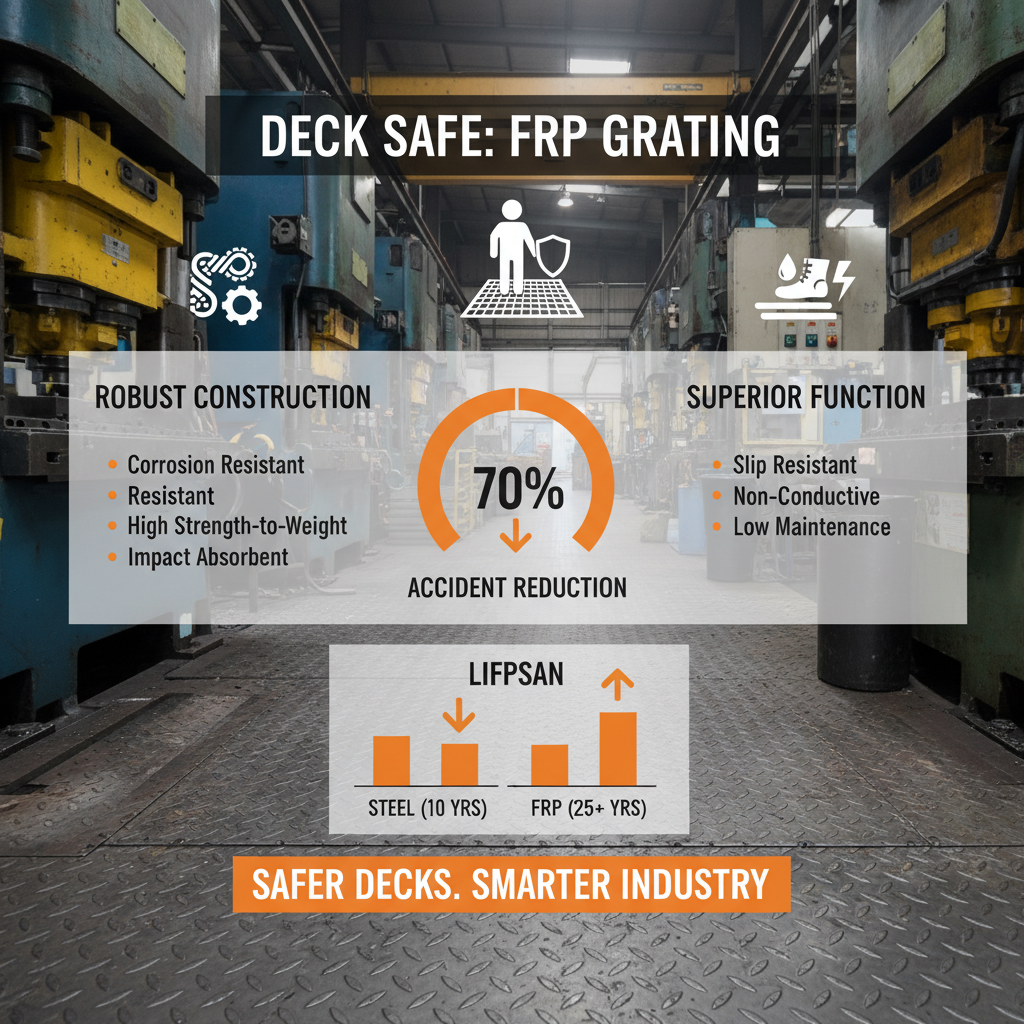
FRP grating offers significant advantages over steel, including superior corrosion resistance, a higher strength-to-weight ratio (reducing installation costs and structural load), and non-conductivity, making it safer in environments with electrical hazards. Unlike steel, FRP doesn't require painting or welding, further reducing maintenance costs and downtime. This contributes to a more consistently deck safe environment.
Slip and fall accidents are a major cause of workplace injuries. FRP decking can be manufactured with textured surfaces, coatings, or molded-in grit to significantly enhance slip resistance, even in wet or oily conditions. This reduces the risk of accidents and contributes directly to a deck safe working environment. Regular cleaning and maintenance are still important to maintain optimal grip.
In highly corrosive environments, a properly installed and maintained FRP deck system can have a lifespan of 25-50 years, significantly longer than steel. The lifespan will vary depending on the specific chemical exposure, UV radiation levels, and maintenance practices. Regularly scheduled inspections are crucial to identify and address any potential issues, maximizing the longevity of the system and ensuring continued deck safe operation.
FRP decking’s corrosion resistance eliminates the need for regular painting, welding repairs, and component replacements that are common with steel. This significantly reduces maintenance costs over the lifespan of the system. The lightweight nature of FRP also simplifies installation and repairs, minimizing downtime and labor expenses, making it a cost-effective solution for a deck safe infrastructure.
Yes, several industry standards and regulations govern the use of FRP decking, including those set by ASTM, ISO, and OSHA. Compliance with these standards is crucial to ensure the safety and reliability of the system. Manufacturers and installers should be knowledgeable about these regulations and provide documentation to verify compliance. Prioritizing adherence to these standards directly contributes to a deck safe operation.
Factors to consider include the load-bearing capacity, corrosion resistance, slip resistance, fire retardancy, and UV resistance. The specific chemical environment, temperature range, and potential for impact should also be assessed. Working with a qualified FRP supplier can ensure that the correct grating is selected for the intended application, guaranteeing a deck safe and long-lasting solution.
Conclusion
In conclusion, prioritizing a deck safe environment is a strategic imperative for industries operating in challenging conditions. The benefits extend beyond immediate safety improvements, encompassing reduced lifecycle costs, enhanced durability, and minimized environmental impact. Investing in advanced materials like FRP gratings and decking represents a commitment to long-term sustainability and responsible asset management.
Looking ahead, continuous innovation in composite materials, sensor technology, and digital modeling will further enhance the capabilities of deck safe solutions. By embracing these advancements and adhering to industry best practices, organizations can create safer, more efficient, and more sustainable infrastructure for years to come. Visit our website at www.zjcomposites.com to learn more about our comprehensive range of FRP products and services.