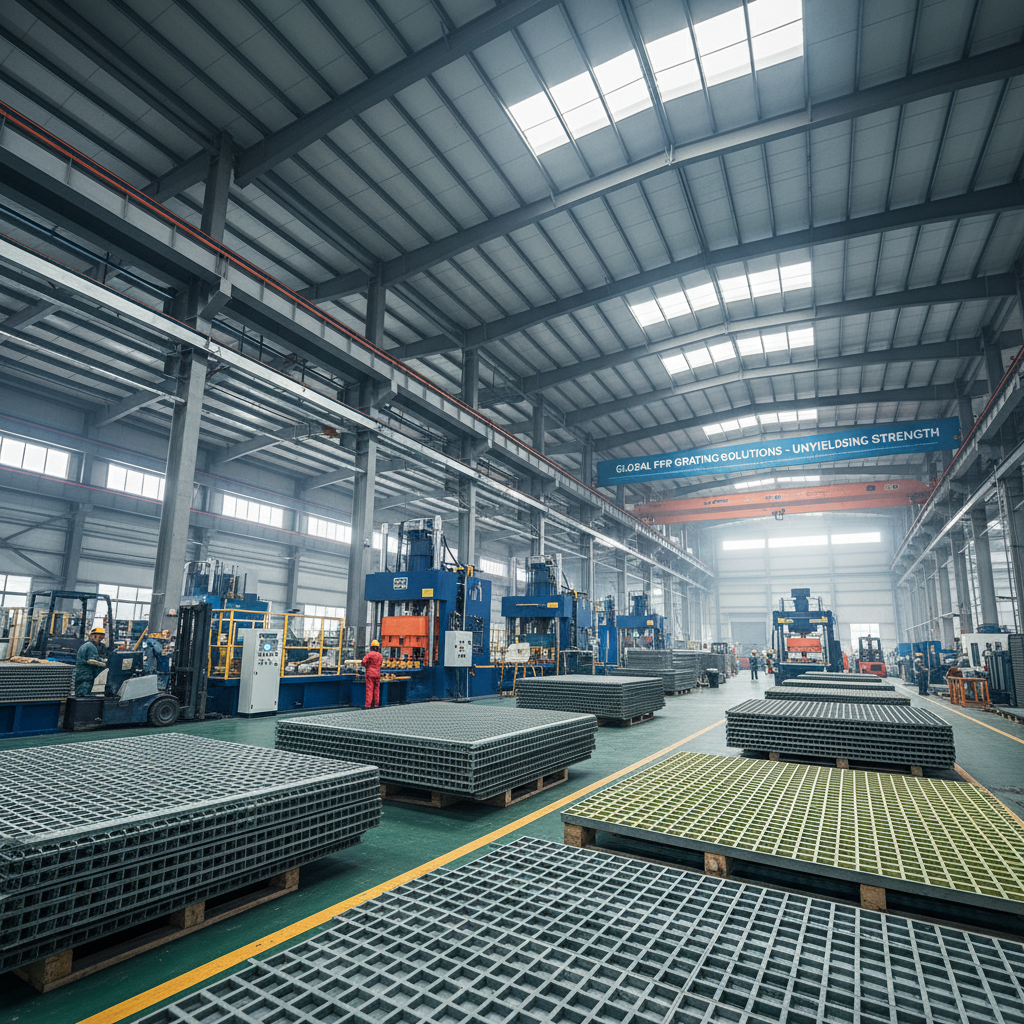
Honestly, these days everyone's talking about lightweight, high-strength materials. It’s not just hype; you see it on every construction site. Used to be, if you needed something strong, you went with steel. Simple. But steel is…well, steel. Heavy, rusts, pain to work with. Now everyone’s asking about frp mesh grating. Feels strange, right? Like a plastic thing holding up a whole building. But it does. And it’s becoming more and more common. It’s not perfect, mind you.
I’ve spent the last fifteen years running around factories, and I’ve seen a lot of materials come and go. The key thing with frp mesh grating is understanding it’s not a direct steel replacement. You can’t just swap dimensions and expect the same results. That's where a lot of folks get tripped up. The design has to account for the different way it handles load. You have to think about deflection, creep… it’s more complex.
And it’s not all just about strength. It’s about corrosion resistance. Have you noticed how quickly things rust near the coast? Salt air is brutal. FRP just laughs at it. That’s a huge win for infrastructure projects, especially.
The Rising Tide of FRP Mesh Grating
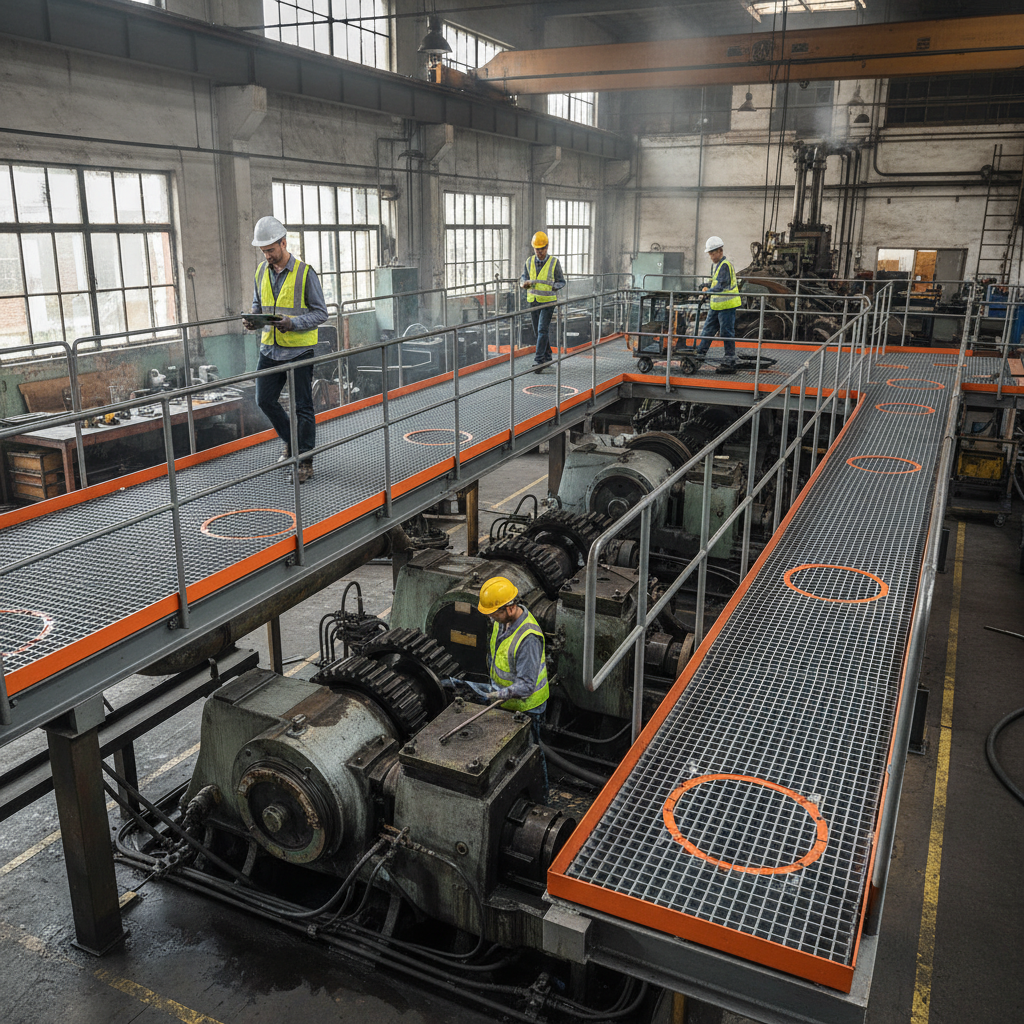
I encountered a project at a wastewater treatment plant last time, they switched to frp mesh grating for all the walkways. Turns out, the maintenance costs just plummeted. No more painting, no more replacing rusted sections. That’s a big deal, especially for facilities that are constantly exposed to harsh chemicals.
You see it popping up everywhere now – offshore platforms, chemical plants, even some bridges. It’s driven by lifecycle cost, to be honest. Upfront, it’s often more expensive than steel, but over the long haul? It pays for itself. It’s just… different. You have to adjust your thinking.
The Devil’s in the Design Details
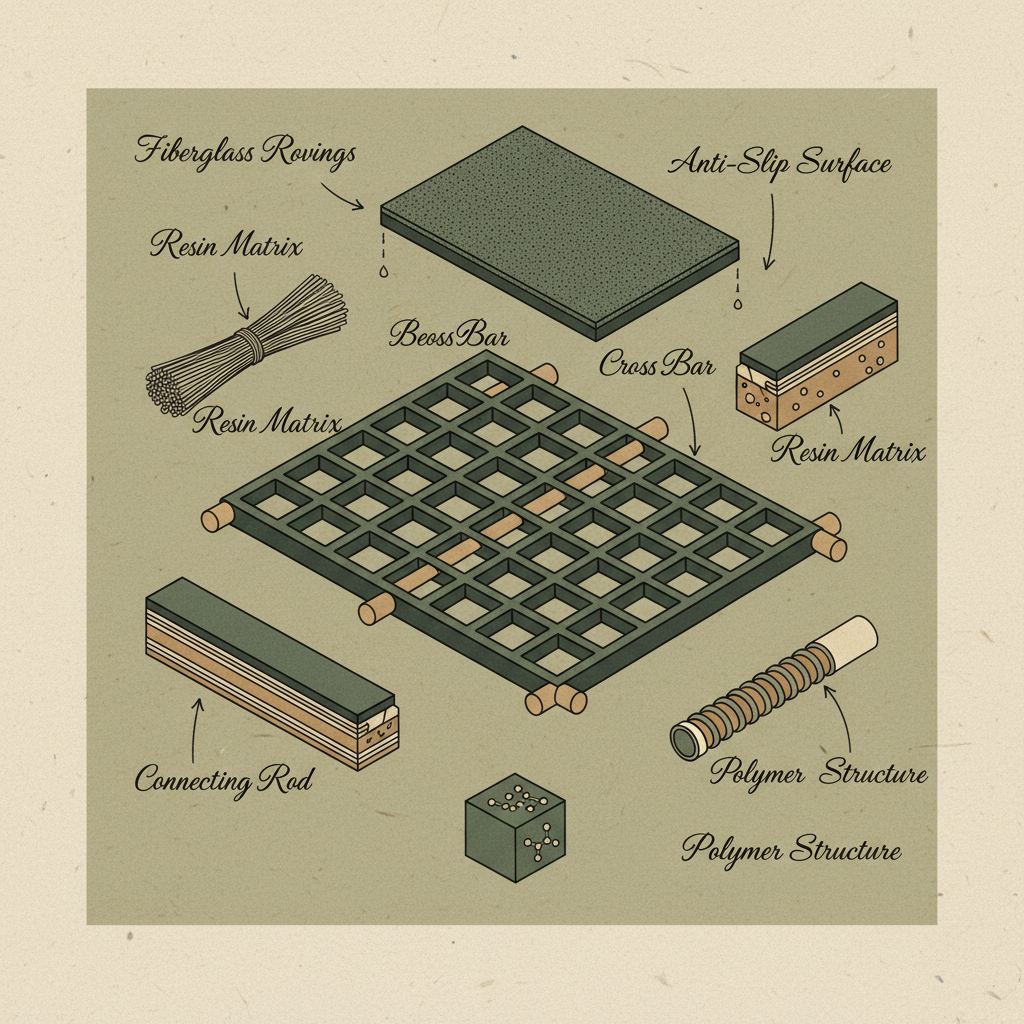
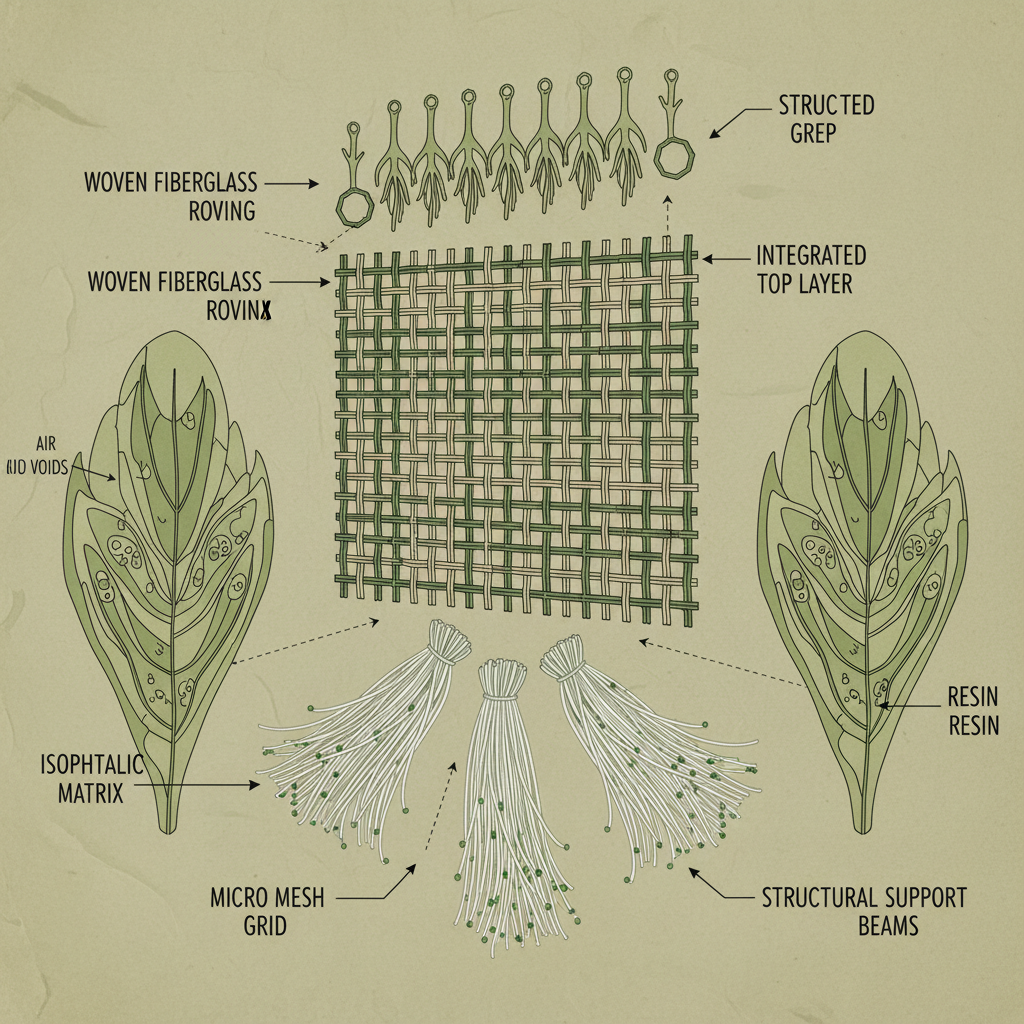
Strangely enough, a lot of engineers I’ve talked to initially underestimate the importance of the resin matrix. They focus on the fiberglass reinforcement and forget that the resin is what holds everything together. Different resins have different properties – some are more resistant to UV, others to chemicals. It’s not a one-size-fits-all situation. You have to pick the right resin for the environment.
And then there’s the grid spacing. Too wide, and you get deflection. Too narrow, and you increase material costs. It’s a balancing act. I’ve seen guys just copy steel grating designs and try to build them out of FRP. It rarely works. You have to recalculate everything.
Also, pay attention to the surface. Some FRP grating can be slippery when wet. Adding a grit surface makes a huge difference, but it adds cost. You gotta weigh those factors.
Materials and the Hands-On Feel
The raw materials… they smell different. Fiberglass has that kind of… dusty, slightly chemical odor. It gets everywhere. You’ll be finding glass fibers in your clothes for weeks. The resins… some smell sweet, some have a really pungent odor. You learn to recognize them.
Working with the stuff… it’s not like working with steel. You can’t weld it, obviously. You have to use adhesives or mechanical fasteners. And you have to be careful not to over-tighten the fasteners, or you’ll crush the grating. It’s more delicate than it looks. Later... Forget it, I won't mention it.
The quality of the fiberglass matters. Some suppliers use cheaper glass fibers that are more prone to breakage. You can usually tell by the feel – a good fiberglass strand will be strong and flexible. A bad one will feel brittle and snap easily.
Real-World Testing: Beyond the Lab
Labs are fine and dandy, but they don’t tell you what happens when a forklift driver accidentally runs over a section of grating. I've seen it happen. Multiple times. I care more about what happens when a worker drops a tool on it, or when it's exposed to months of brutal sun and rain.
The best testing is done on-site, by observing how it performs under real-world conditions. We've installed it in test beds, loaded it with varying weights, and monitored deflection over time. We even exposed sections to different chemicals to see how they hold up. That's the stuff that really matters.
frp mesh grating Performance Indicators
How They Actually Use It
What I've noticed is people don’t always use it as intended. Sometimes they try to span distances that are too wide, or they overload it. They think, "It's plastic, it's flexible, it can handle anything." It can't. It needs to be properly supported.
I've also seen folks using it for applications it's not designed for, like building temporary ramps or platforms. It’s tempting, I get it. But it’s not a substitute for proper scaffolding.
The Good, the Bad, and the Customizable
The advantages are clear: lightweight, corrosion resistant, low maintenance. But the disadvantages… well, it's more expensive upfront, and it's not as forgiving as steel. You have to be more careful with installation. It’s also not as easily repaired. If a section gets damaged, you usually have to replace the whole panel.
But here's the thing about customization. Last month, a small boss in Shenzhen who makes smart home devices insisted on changing the interface to . The result was a nightmare. He wanted it for aesthetic reasons, but the load-bearing capacity dropped significantly. It looked nice, but it wasn't safe. We had to redesign the whole thing. Anyway, I think customization is good, as long as it's done with a full understanding of the engineering implications.
A Shenzhen Story and Material Comparison
To be honest, the biggest benefit is the non-conductive property. I was at a power substation once, and they’d completely switched to FRP for all the walkways. Huge safety improvement. No more worrying about grounding issues. That's a big plus.
And it's getting more competitive. More manufacturers are entering the market, which is driving down prices. That's good news for everyone. But quality varies. You really have to vet your suppliers.
Here's a rough breakdown of how it stacks up against other materials, based on what I've seen:
frp mesh grating Material Comparison: A Field Notebook View
| Material |
Weight (Relative) |
Corrosion Resistance (1-10) |
Cost (Relative) |
| Steel |
High |
3 |
Low |
| Aluminum |
Medium |
7 |
Medium |
| Stainless Steel |
High |
9 |
High |
| Wood |
Low |
2 |
Very Low |
| frp mesh grating |
Low |
10 |
Medium-High |
| Cast Iron |
Very High |
4 |
Medium |
FAQS
Honestly, it’s underestimating the importance of proper support. Folks are used to steel, which can handle a bit of bending. FRP is different. You need to follow the manufacturer’s recommendations for span lengths and support structures. I’ve seen too many installations where they tried to save money on supports and the grating ended up deflecting badly. It's not worth the risk. They also sometimes forget to consider thermal expansion.
That’s a good question. FRP can become more brittle in extremely cold weather. It doesn't necessarily mean it will shatter, but it loses some of its impact resistance. You need to select a resin system that’s specifically designed for cold temperatures. We've tested different resins down to -40°C and found some perform much better than others. The type of fiberglass also plays a role.
It’s not difficult, but you need the right tools. A standard hacksaw will work, but it’s slow and messy. A diamond blade saw is much cleaner and faster. And you need to wear a dust mask – fiberglass dust is not good for your lungs! You also have to be careful not to delaminate the material. Avoid using too much pressure or creating excessive heat.
That’s a big concern for a lot of projects. FRP itself is combustible. However, you can use fire-retardant resins to improve its fire resistance. The level of fire resistance will depend on the specific resin system and the amount of fire retardant added. It’s important to check the fire rating of the FRP grating before using it in a fire-sensitive application.
You can, but you have to use a paint or coating that’s specifically designed for FRP. Standard paints won’t adhere properly. The coating needs to be flexible enough to accommodate the thermal expansion and contraction of the FRP. We usually recommend using a polyurethane coating.
That depends on the environment, but a properly installed FRP grating system can easily last 20-30 years, often longer. That's a big advantage over steel, which requires regular maintenance and repainting. The key is to choose the right materials for the application and to follow the manufacturer’s installation instructions.
Conclusion
So, yeah, frp mesh grating isn't a magical solution. It’s got its quirks and limitations. But it’s a game-changer in certain applications. It’s lighter, stronger, more corrosion-resistant than a lot of traditional materials, and it can save you money in the long run. It requires a bit more upfront planning and attention to detail, but it’s worth it.
Ultimately, whether this thing works or not, the worker will know the moment he tightens the screw. If it feels right, it is right. They'll feel it. And if they don’t, well, that’s when you get a phone call. Check out more at frp mesh grating.