In the demanding environments of modern industrial infrastructure, the choice of flooring and walkway materials can dictate the longevity of a facility and the safety of its personnel. fiberglass grating has emerged as a revolutionary alternative to traditional steel and aluminum, offering a unique blend of high strength-to-weight ratios and unmatched chemical resistance. As industries pivot toward materials that reduce maintenance overhead, understanding the technical advantages of composite grating becomes essential for engineers and procurement specialists alike.
Global industrial standards are shifting toward sustainability and durability, particularly in sectors like chemical processing, wastewater treatment, and marine engineering. The integration of fiberglass grating addresses the critical failure points of metallic systems—namely corrosion and oxidation—which often lead to costly structural replacements and hazardous working conditions. By leveraging advanced pultrusion technology, these composite structures provide a stable, slip-resistant surface that withstands the most aggressive environments on earth.
Beyond simple utility, the adoption of fiberglass composites represents a broader move toward "smart" material selection that prioritizes Life Cycle Cost (LCC) over initial purchase price. Whether utilized in heavy-duty industrial platforms or lightweight pedestrian walkways, fiberglass grating ensures operational continuity. This comprehensive guide explores the technical specifications, global applications, and future innovations that make FRP (Fiber Reinforced Polymer) the gold standard for modern grating solutions.
Global Relevance and Industry Context of Fiberglass Grating
On a global scale, the industrialization of emerging economies and the upgrading of aging infrastructure in developed nations have placed a premium on materials that can survive extreme conditions. According to ISO quality standards and industry trends in non-metallic mineral products, the transition from carbon steel to fiberglass grating is driven by the necessity to eliminate the "corrosion cycle." In coastal regions or chemical plants, metallic gratings often require repainting or total replacement every 3-5 years, creating significant operational downtime.
The global relevance of composite materials is further amplified by the push for safer workplace environments. The non-conductive and non-magnetic properties of FRP make it indispensable in electrical substations and sensitive electronic environments where sparking or magnetic interference could lead to catastrophic failure. By solving the problem of material degradation, fiberglass solutions allow organizations to shift their focus from reactive maintenance to proactive growth.
Defining the Engineering Behind Fiberglass Grating
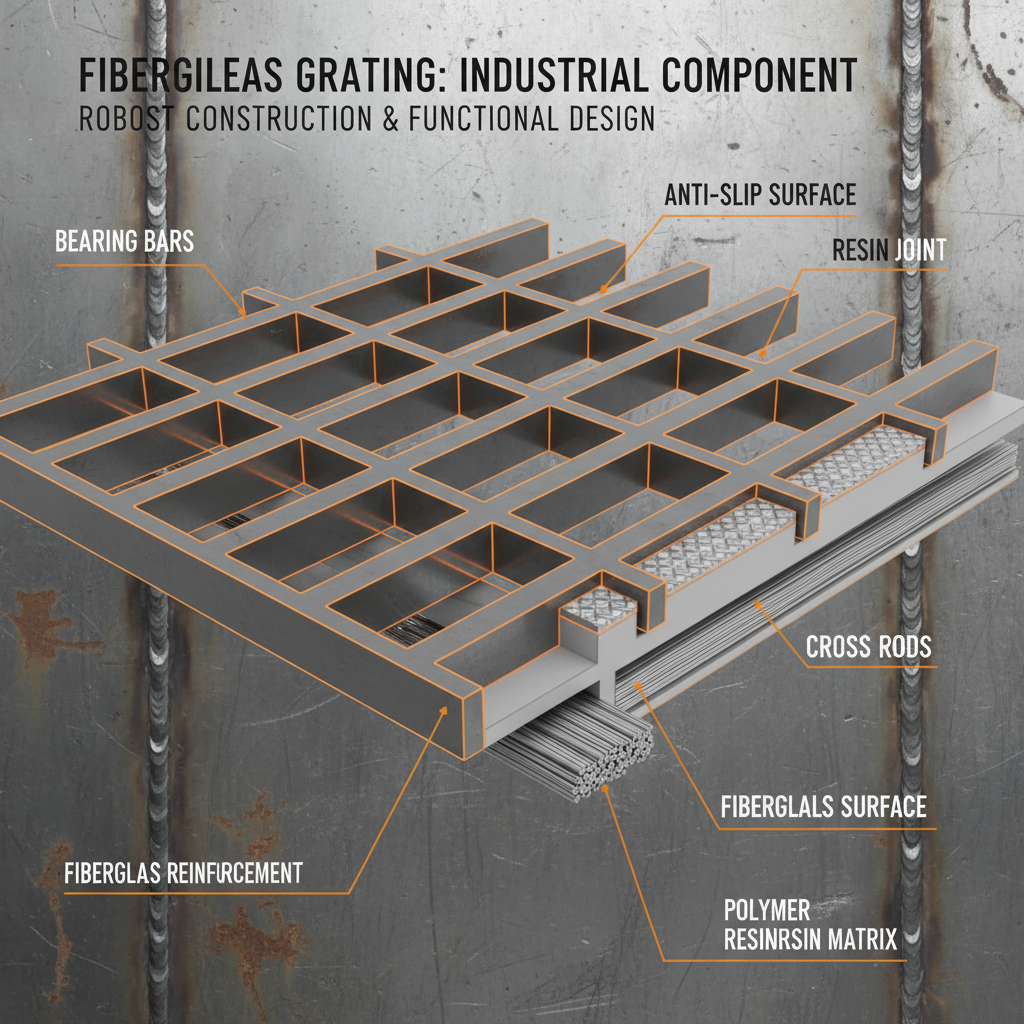
At its core, fiberglass grating is a composite material consisting of a high-strength glass fiber reinforcement embedded within a polymer resin matrix. The "fiberglass" provides the tensile strength and structural rigidity, while the resin—typically polyester, vinyl ester, or epoxy—acts as the protective binder that shields the fibers from environmental attack and binds the structure together.
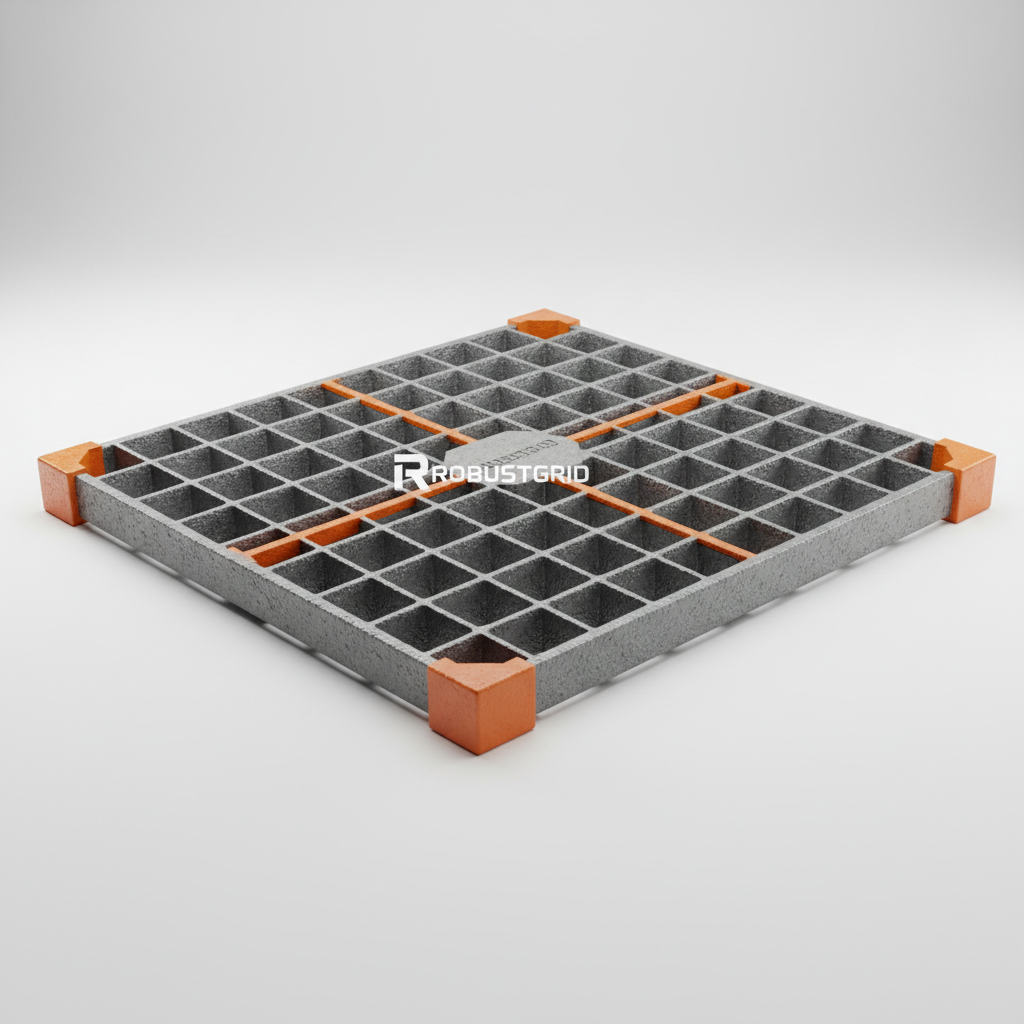
Unlike traditional casting, the most common form of these products is created through a process called pultrusion. In this method, glass fibers are pulled through a resin bath and then through a heated die, which cures the resin and shapes the material into a precise grid. This continuous process ensures that the fibers are perfectly aligned, maximizing the load-bearing capacity of the grating across its entire length.
Connecting this to modern humanitarian and industrial needs, the lightness of the material allows for rapid deployment in remote areas. Whether it is creating temporary walkways for disaster relief in flood-prone zones or building permanent platforms in offshore oil rigs, the balance of lightweight handling and heavy-duty performance makes it a cornerstone of modern civil and industrial engineering.
Core Components and Performance Factors
The durability of fiberglass grating is primarily determined by its resin chemistry. For standard applications, orthophthalic polyester is sufficient; however, for environments involving high concentrations of acids or alkalis, vinyl ester resins are employed. This chemical tailoring ensures that the grating does not warp, swell, or degrade when exposed to caustic substances.
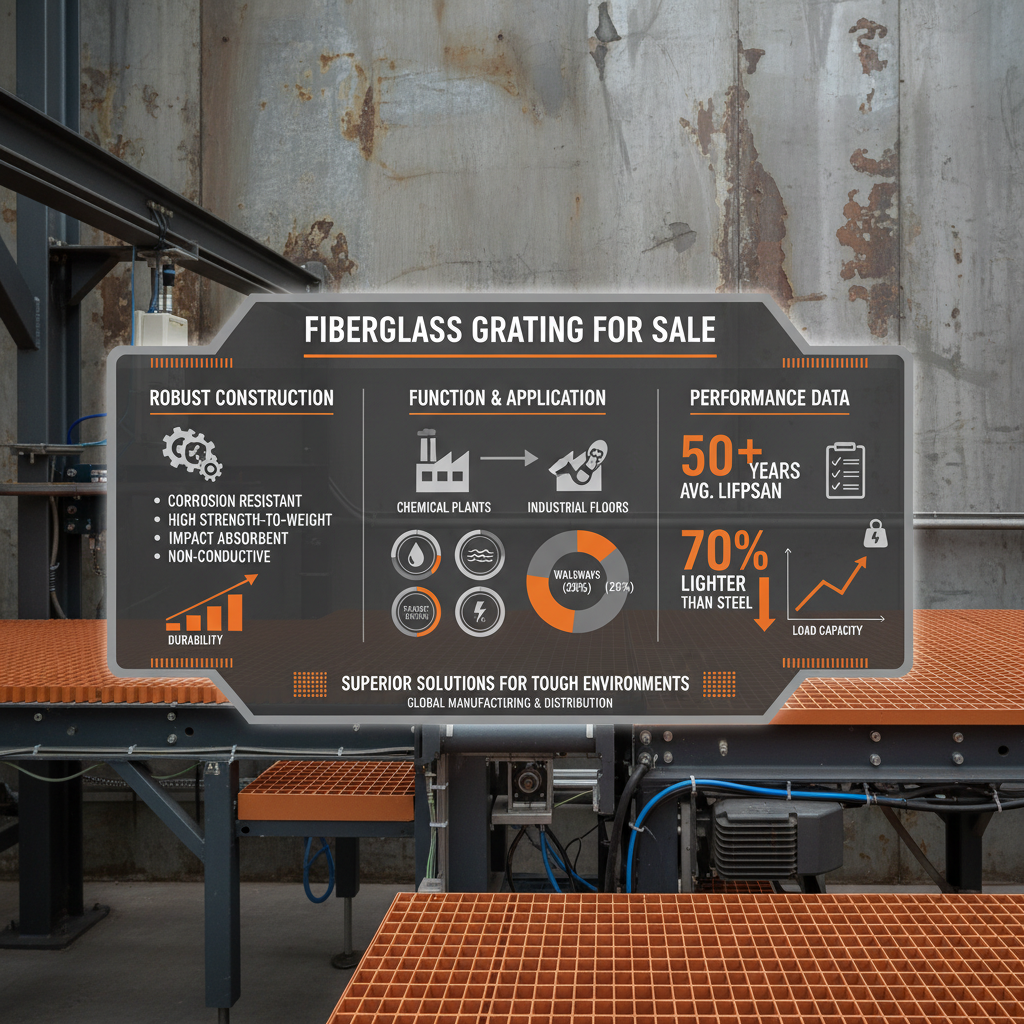
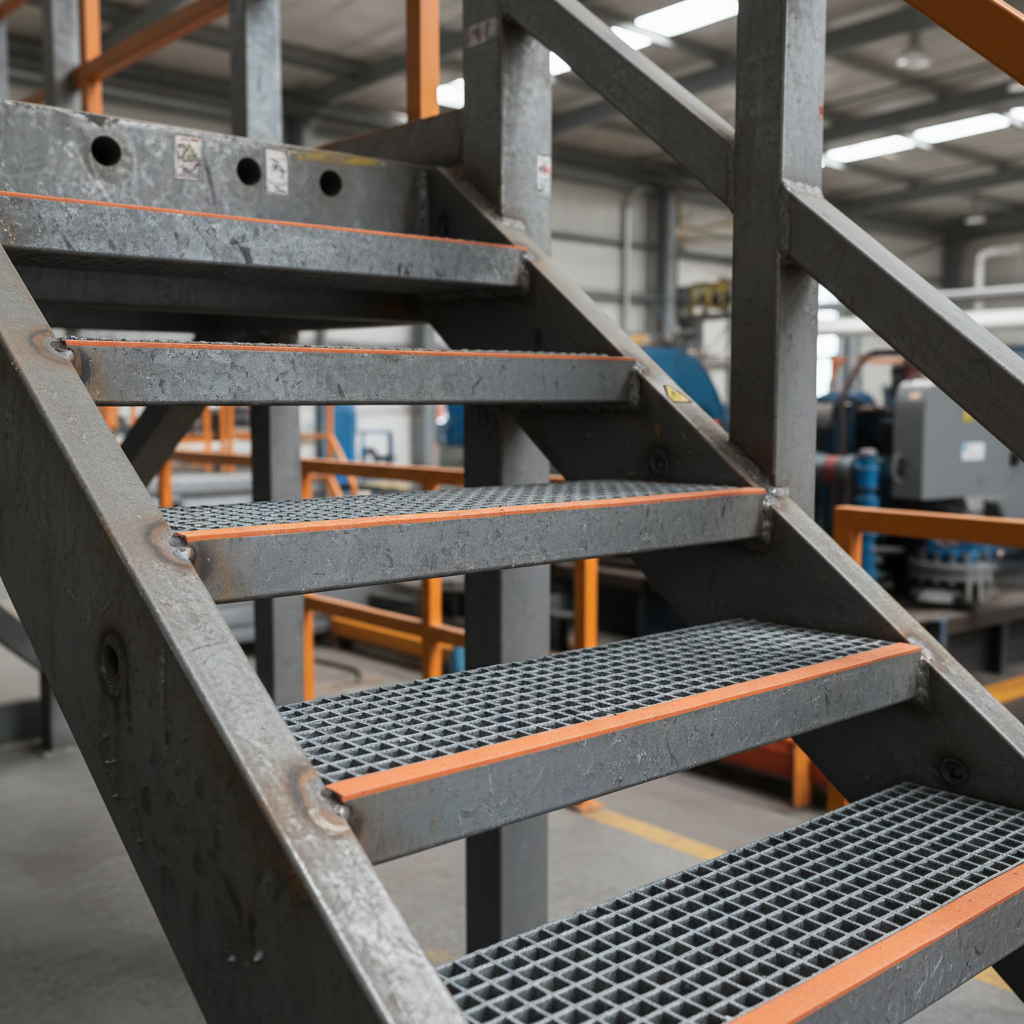
Another critical factor is the "gritted surface" or "concave" profile used for slip resistance. Safety is paramount in industrial zones where oil, water, or chemicals are frequently spilled. By integrating an abrasive grit into the top layer of the fiberglass grating, manufacturers can provide a high-traction surface that exceeds OSHA safety requirements, reducing the risk of workplace injuries.
Scalability and installation efficiency are also core advantages. Because fiberglass grating is significantly lighter than steel, it requires less heavy machinery for installation and reduces the dead load on the supporting structure. This allows engineers to design more slender support beams, further reducing the overall cost of the project.
Global Applications and Specialized Use Cases
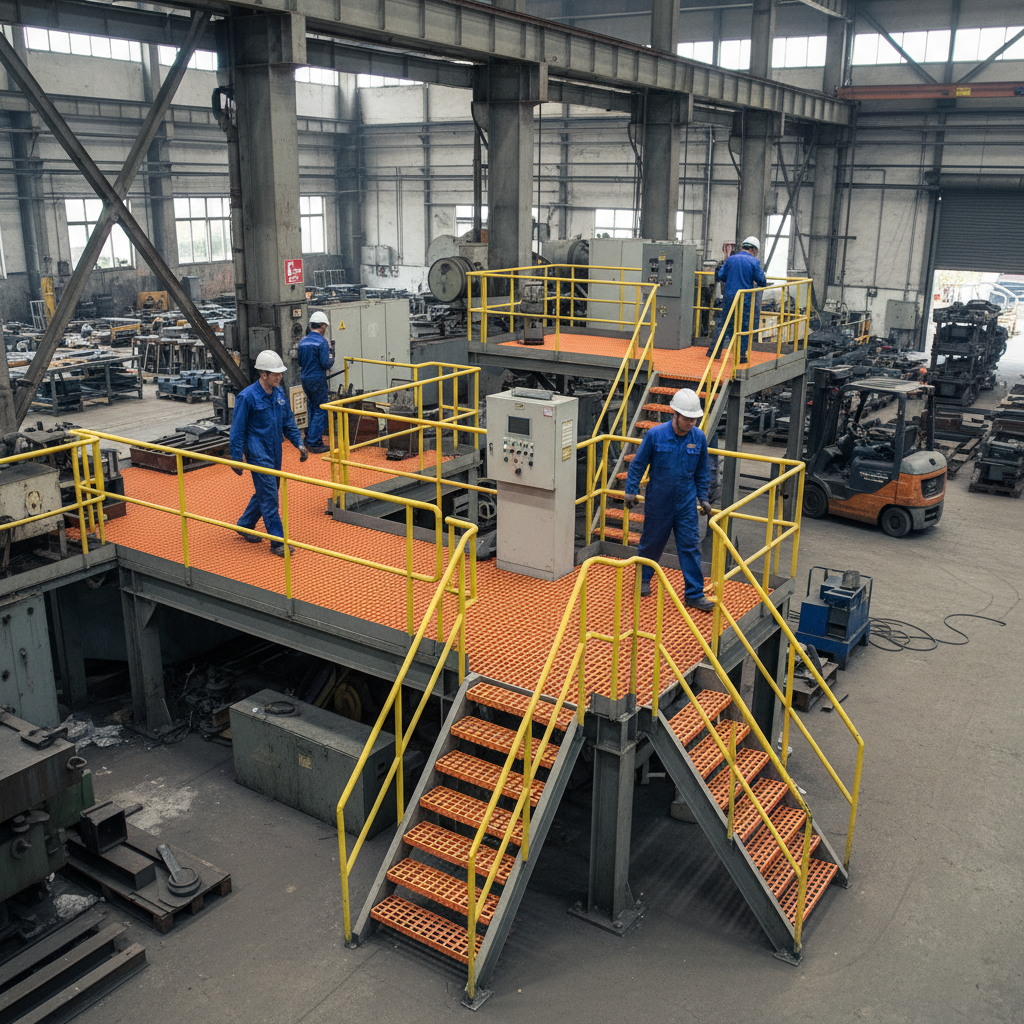
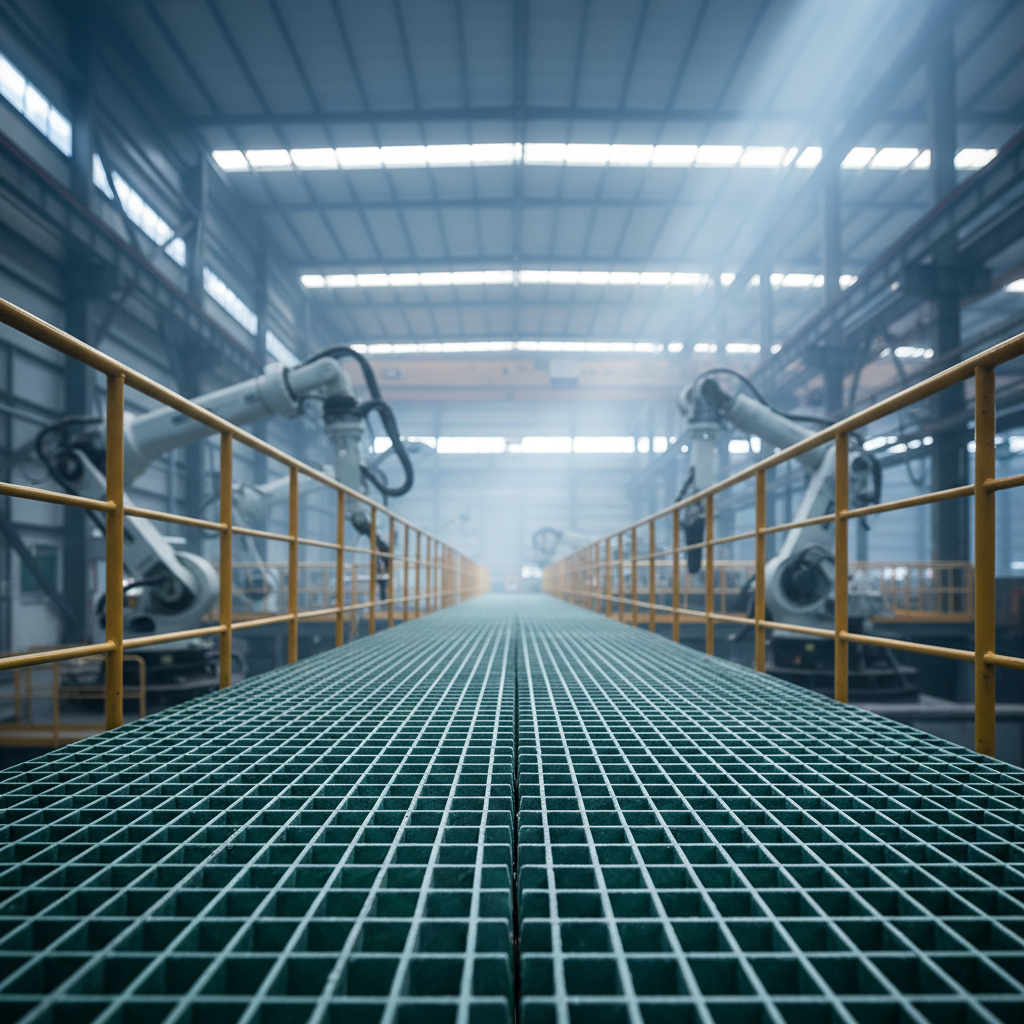
The versatility of fiberglass grating allows it to be deployed across a vast array of sectors. In the water treatment industry, it is the preferred choice for walkways around aeration tanks and chemical dosing stations where chlorine and other oxidizers would destroy metal in months. In the maritime sector, it is used for decking on ships and piers, where saltwater corrosion is a constant threat.
Real-world examples include its use in remote mining zones in Australia and South America, where the ease of transport allows for quick installation of catwalks in rugged terrain. Additionally, in post-disaster relief operations, composite grating is used to create temporary, stable flooring in muddy or unstable environments, providing dignity and safety to displaced populations by keeping walkways clean and dry.
Performance Comparison of Fiberglass Grating Types
Long-Term Value and Economic Advantages
When analyzing the value proposition of fiberglass grating, the focus must shift from the "sticker price" to the Total Cost of Ownership (TCO). While the initial procurement cost might be slightly higher than basic galvanized steel in some markets, the elimination of painting, scraping, and corrosion-related replacements creates a massive financial advantage over a 10-to-20-year horizon.
Beyond the ledger, there is an emotional and social value rooted in safety and trust. A facility that utilizes high-quality composite grating signals a commitment to employee wellbeing. The reduction in slip-and-fall accidents and the psychological comfort of walking on a structurally sound, non-corroded surface foster a culture of safety and innovation within the industrial workforce.
Future Innovations in Composite Grating Technology
The future of fiberglass grating is being shaped by the integration of "smart" materials and green chemistry. We are seeing the rise of bio-based resins that reduce the carbon footprint of the manufacturing process without sacrificing the structural integrity of the final product. This aligns with global ESG (Environmental, Social, and Governance) goals to reduce VOC emissions during production.
Digital transformation is also playing a role through the use of BIM (Building Information Modeling) and AI-driven load simulation. Engineers can now precisely calculate the minimum required thickness and reinforcement density for fiberglass grating in a specific project, eliminating material waste and optimizing weight. This precision engineering ensures that every panel is fit-for-purpose.
Furthermore, the development of hybrid composites—incorporating carbon fibers into specific high-stress areas of the fiberglass grid—is pushing the boundaries of load capacity. This allows FRP to enter markets previously dominated by heavy structural steel, such as heavy-load industrial flooring and high-span bridge decking, further expanding the utility of composite materials.
Overcoming Technical Challenges in Installation
Despite its many advantages, the installation of fiberglass grating requires a different approach than steel. One common challenge is the "span-to-deflection" ratio; because FRP is more flexible than steel, panels may exhibit more "bounce" if not supported correctly. The solution lies in precise engineering calculations and the use of intermediate support beams to maintain a rigid feel.
Another limitation is the cutting and drilling process, which can create fine glass dust. To overcome this, professional installers use vacuum-integrated cutting tools and specialized PPE to ensure a clean and safe work environment. By following these best practices, the perceived difficulties of working with composites are easily mitigated.
Finally, the choice of fastening systems is crucial. Using stainless steel or FRP clips prevents the "galvanic corrosion" that can occur when dissimilar metals meet. By pairing fiberglass grating with high-grade non-corrosive fasteners, the entire system achieves a seamless, lifelong immunity to the elements.
Technical Analysis and Comparison of Fiberglass Grating Specifications
| Material Grade |
Chemical Resistance |
Load Capacity |
Lifespan (Years) |
| Standard Polyester |
Moderate |
Medium |
10-15 |
| Vinyl Ester (Chemical) |
Excellent |
High |
20-30 |
| Epoxy High-Strength |
Very High |
Very High |
30+ |
| Molded FRP |
High |
Low-Medium |
15-20 |
| Pultruded FRP |
High |
Excellent |
25-35 |
| Fire-Retardant Grade |
Moderate |
High |
20-25 |
FAQS
While the initial purchase price of fiberglass grating can be higher, the Total Cost of Ownership is significantly lower. Steel requires regular painting, zinc coating, and eventual replacement due to rust. FRP is virtually maintenance-free and lasts 2-3 times longer in corrosive environments, eliminating the need for costly shutdowns and labor-intensive upkeep.
Yes, provided the correct grade and support span are selected. Pultruded fiberglass grating is specifically designed for high load-bearing capacities. By adjusting the bar spacing and increasing the thickness of the panels, FRP can be engineered to support forklifts and light vehicles, though a structural engineer should always verify the specific span requirements.
Absolutely. Most industrial-grade fiberglass grating comes with an integrated grit top or a concave surface profile. These features provide superior traction even when the surface is covered in oil, grease, or water, making it far safer than smooth metal plates and helping facilities comply with strict safety regulations.
Molded grating is created in a press and is generally more isotropic (uniform strength in all directions) but has lower overall strength. Pultruded grating is pulled through a die, creating unidirectional strength that is much higher in the longitudinal direction, making it the preferred choice for structural walkways and heavy-duty platforms.
High-quality fiberglass grating is manufactured with UV inhibitors integrated into the resin matrix. This prevents the material from "fiber blooming" (where glass fibers become exposed) and protects it from becoming brittle under direct sunlight, ensuring the structural integrity remains intact for decades of outdoor use.
FRP is easy to work with using standard power tools. You can cut it with a circular saw (using a carbide-tipped blade) and drill it with standard drill bits. The key is to use appropriate safety gear, such as a mask and goggles, to protect against glass dust and to use FRP or stainless steel clips for secure fastening.
Conclusion
In summary, fiberglass grating represents a critical leap forward in industrial material science. By combining the strength of glass fibers with the chemical resilience of advanced polymers, it solves the age-old problem of corrosion while enhancing workplace safety through superior slip resistance and non-conductive properties. From the reduction of life-cycle costs to the ability to withstand the most aggressive chemical environments, the technical and economic arguments for adopting FRP are undeniable.
Looking forward, as the global industry moves toward more sustainable and "intelligent" infrastructure, the role of composite materials will only expand. We encourage engineers and facility managers to move beyond the legacy of steel and embrace the longevity and efficiency of composites. For those seeking to optimize their facility's safety and durability, the transition to fiberglass is not just an upgrade—it is a strategic investment in the future of operational excellence. Visit our website: www.zjcomposites.com