
loading...
- No. 9, Xingyuan South Street, Dongwaihuan Road, Zaoqiang County, Hengshui, Hebei, China
- admin@zjcomposites.com
- +86 15097380338
- Welcome to visit our website!

GRP Platform Steps Design Implementation and Maintenance Guide
GRP Platform Steps: A Comprehensive Guide to Design & Implementation
Fiber Reinforced Polymer (FRP), commonly known as Glass Reinforced Plastic (GRP), platforms are increasingly popular across various industries for their durability, corrosion resistance, and lightweight properties. Choosing the right GRP platform solution involves understanding the essential steps in design, fabrication, and installation. This article details these GRP platform steps, ensuring a safe and efficient implementation. Properly designed and installed GRP platforms offer a long-term, cost-effective solution for access and working areas.
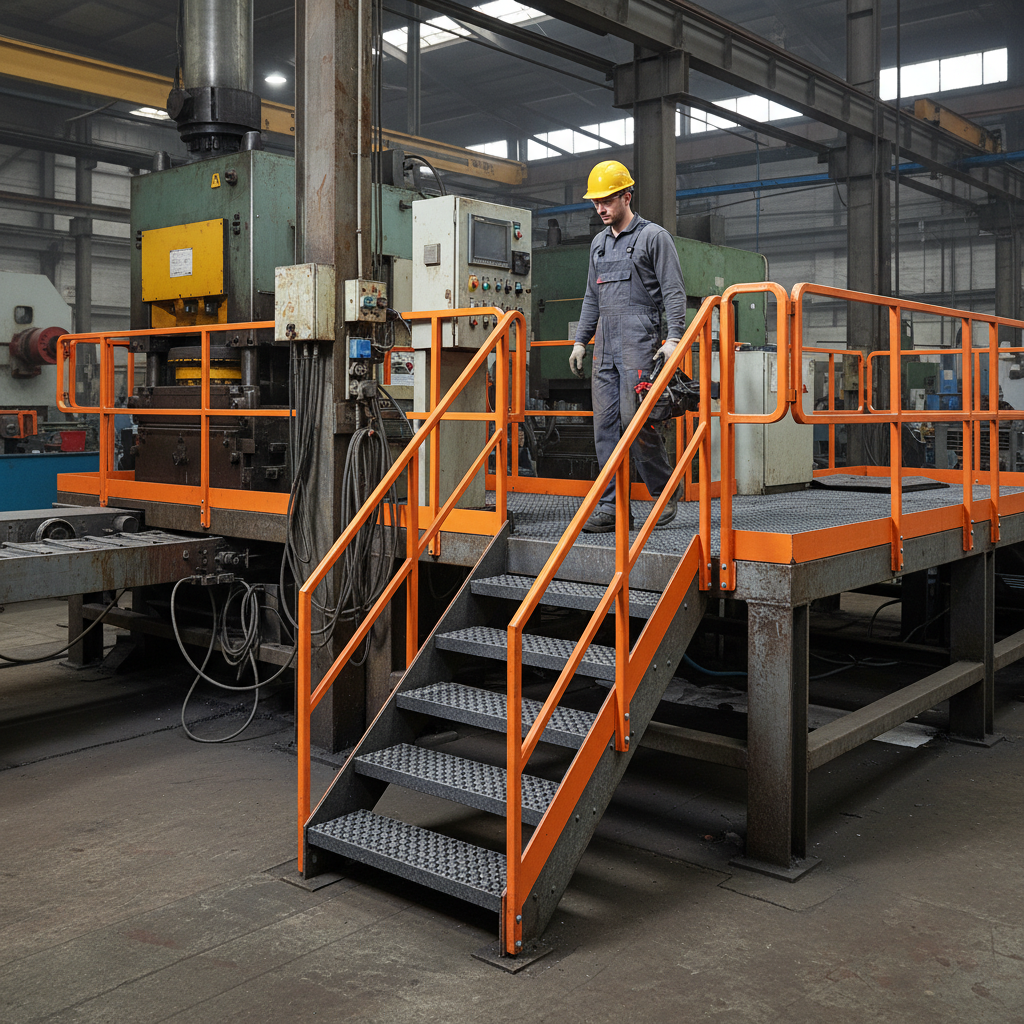
Step 1: Defining Platform Requirements
The initial stage involves a thorough assessment of the platform's intended use. Consider factors such as load capacity (static and dynamic), environmental conditions (temperature, humidity, exposure to chemicals), and accessibility requirements. Accurate load calculations are paramount for ensuring structural integrity. Determine the dimensions of the platform, the number of access points, and any specific features like handrails or toe boards. Detailed specifications should be documented, serving as a blueprint for the subsequent phases. The GRP platform's longevity is directly tied to meeting these initial requirements.
Key Considerations: Accurate load calculations, environmental conditions, accessibility, and specific feature requirements are crucial for effective planning.
Step 2: Material Selection and Design
GRP offers a range of resin and reinforcement options. Selecting the appropriate combination is critical based on the platform’s environment and load requirements. Polyester resins are cost-effective, while vinyl ester and epoxy resins offer superior chemical resistance and strength. Reinforcements like fiberglass, carbon fiber, and aramid fibers contribute to the platform’s structural properties. Finite Element Analysis (FEA) software is commonly used to optimize the design for weight, strength, and deflection. The design should incorporate safety factors to account for unforeseen stresses. ZJ Composites specializes in tailored GRP platform design to meet specific customer needs.
Material Selection Guidelines:
• Polyester Resins: Cost-effective, general-purpose applications.
• Vinyl Ester Resins: Enhanced chemical resistance.
• Epoxy Resins: High strength and superior corrosion protection.
• Fiberglass: Common reinforcement, good strength-to-weight ratio.
Step 3: Fabrication Process
GRP platforms can be fabricated using various techniques, including hand lay-up, spray-up, pultrusion, and resin transfer molding (RTM). The choice of method depends on the platform's complexity, production volume, and desired quality. Hand lay-up is suitable for small-scale production and complex shapes. Spray-up is faster and more efficient for larger areas. Pultrusion creates constant-profile shapes, ideal for structural members. RTM produces high-quality, consistent parts with excellent surface finish. Quality control measures should be implemented throughout the fabrication process to ensure adherence to design specifications. The fabrication process significantly influences the final GRP platform's performance.
GRP Platform Materials: A Comparison
Choosing the right materials for your GRP platform is crucial for ensuring its longevity and performance. Here's a comparison of common materials used in GRP platform construction:
Step 4: Installation and Assembly
Proper installation is critical for ensuring the platform’s safety and performance. Follow the manufacturer’s instructions carefully. Ensure the foundation is level and capable of supporting the platform’s weight. Securely anchor the platform to the foundation using appropriate fasteners. Install handrails, toe boards, and any other safety features according to safety regulations. A qualified team should oversee the installation process to ensure proper execution.
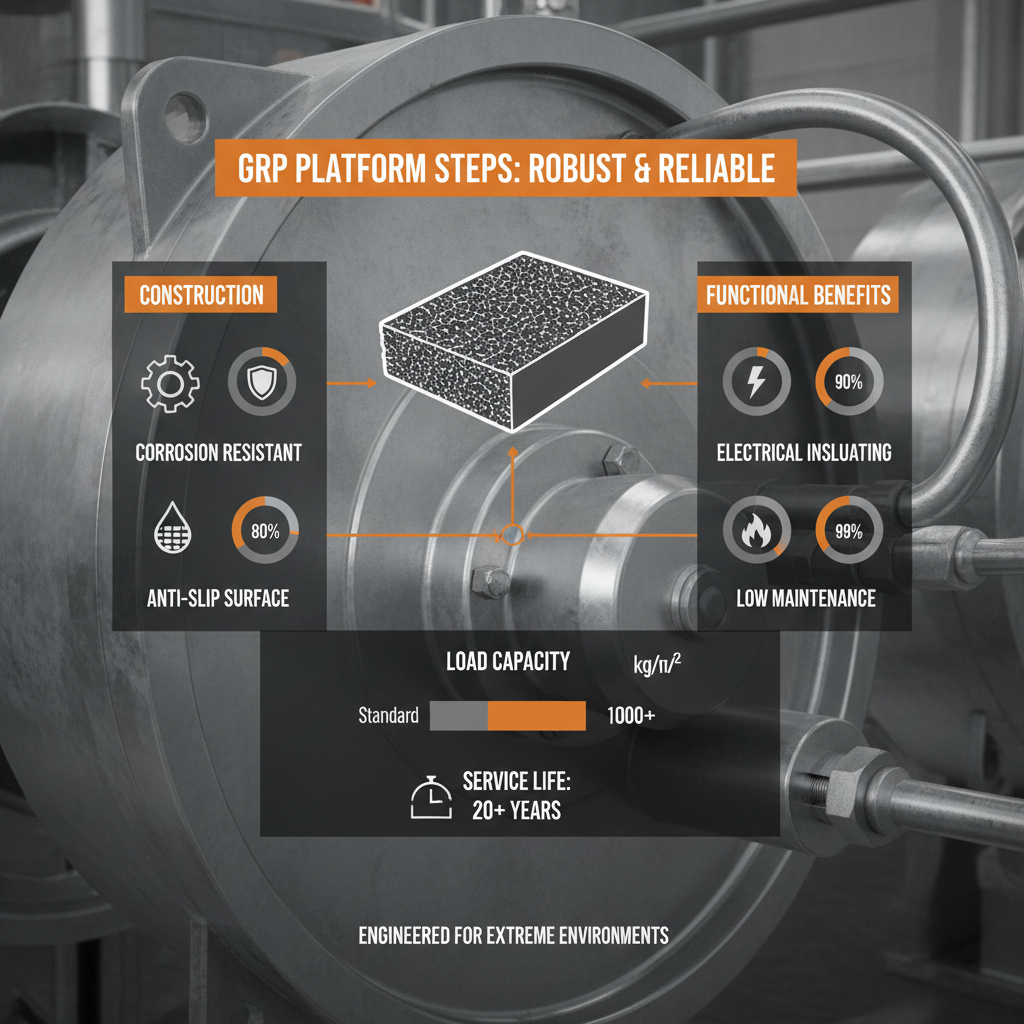
Step 5: Inspection and Maintenance
Regular inspections are essential for identifying any potential issues before they escalate. Check for cracks, delamination, corrosion, and loose fasteners. Conduct load testing periodically to verify the platform’s structural integrity. Implement a preventive maintenance program that includes cleaning, repair, and replacement of damaged components. Proper maintenance extends the lifespan of the GRP platform and ensures continued safe operation.
Conclusion: Ensuring Long-Term Reliability with GRP Platforms
Following these GRP platform steps ensures a safe, durable, and cost-effective solution for a wide range of applications. From meticulous planning and material selection to expert installation and ongoing maintenance, each phase is vital. ZJ Composites is dedicated to providing high-quality GRP platforms and expert support for all your needs. Don’t compromise on safety – invest in a reliable GRP platform solution.
Frequently Asked Questions (FAQs)
What are the primary benefits of using GRP platforms over traditional materials like steel?
GRP platforms offer several advantages over steel, including significantly reduced weight, excellent corrosion resistance, and lower maintenance costs. Steel is prone to rust and requires regular painting and repairs, while GRP is inert to many chemicals and environmental factors. The lighter weight of GRP also simplifies installation and reduces the need for heavy lifting equipment. Moreover, GRP is non-conductive, providing an added safety benefit in certain applications.
How do I determine the appropriate load capacity for my GRP platform?
Determining the load capacity requires a careful assessment of the intended use. Consider both static loads (the weight of personnel and equipment) and dynamic loads (impacts or vibrations). Consult with a structural engineer to perform load calculations based on the platform’s dimensions, material properties, and safety factors. Ensure the design meets or exceeds relevant safety standards and regulations. Accurately calculating the load capacity is crucial for ensuring the platform’s structural integrity and preventing failure.
What maintenance is required for a GRP platform?
GRP platforms require minimal maintenance compared to traditional materials. However, regular inspections are essential to identify any potential issues. Check for cracks, delamination, corrosion, and loose fasteners. Clean the platform periodically to remove dirt, debris, and corrosive substances. Repair any damage promptly to prevent it from spreading. A preventive maintenance program will extend the lifespan of the platform and ensure continued safe operation.
Can GRP platforms be used in corrosive environments?
Yes, GRP platforms are highly resistant to corrosion and are well-suited for use in harsh environments, such as chemical plants, wastewater treatment facilities, and offshore platforms. Selecting the appropriate resin system is crucial for maximizing corrosion resistance. Vinyl ester and epoxy resins offer superior protection against a wide range of chemicals. Proper material selection and design will ensure the platform’s long-term durability in corrosive environments.
-
High Quality Fiberglass Rods for Electric Fence Insulation GuideNewsApr.16,2026
-
Benefits and Guide of Installing a White Fiberglass FenceNewsApr.09,2026
-
Choosing the Right Fibreglass Fence for Property Enhancement and LongevityNewsApr.07,2026
-
Comprehensive Guide to Durable Fiberglass Fence Rods and Their ApplicationsNewsMar.31,2026
-
Comprehensive Guide to Durable Fiberglass Fence Post Solutions for Various ApplicationsNewsMar.28,2026
-
Comprehensive Guide to Fiberglass Fencing Benefits and ApplicationsNewsMar.26,2026
-
Comprehensive Guide to Choosing the Right Safety Guard System for Industrial ProtectionNewsMar.24,2026