
loading...
- No. 9, Xingyuan South Street, Dongwaihuan Road, Zaoqiang County, Hengshui, Hebei, China
- admin@zjcomposites.com
- +86 15097380338
- Welcome to visit our website!

Durable Fiberglass Grating for Industrial and Commercial Applications
The Versatility of Fiberglass Grating in Modern Applications
Fiberglass grating is an innovative material that has gained popularity across various industries for its durability, lightweight nature, and resistance to corrosion. Composed of a matrix of fiberglass reinforced with resin, this type of grating offers several advantages over traditional materials like steel and wood.
One of the primary benefits of fiberglass grating is its high strength-to-weight ratio. This makes it an ideal solution for applications where weight is a critical factor. For instance, in the marine industry, fiberglass grating is commonly used on ships and offshore platforms, where reducing weight can enhance fuel efficiency and overall performance.
Corrosion resistance is another significant advantage of fiberglass grating. Traditional materials often succumb to rust and degradation when exposed to harsh environments, especially in chemical processing plants or wastewater treatment facilities. Fiberglass grating, on the other hand, is impervious to a wide range of chemicals, making it an excellent choice for industries that deal with caustic substances.
fiberglass grating
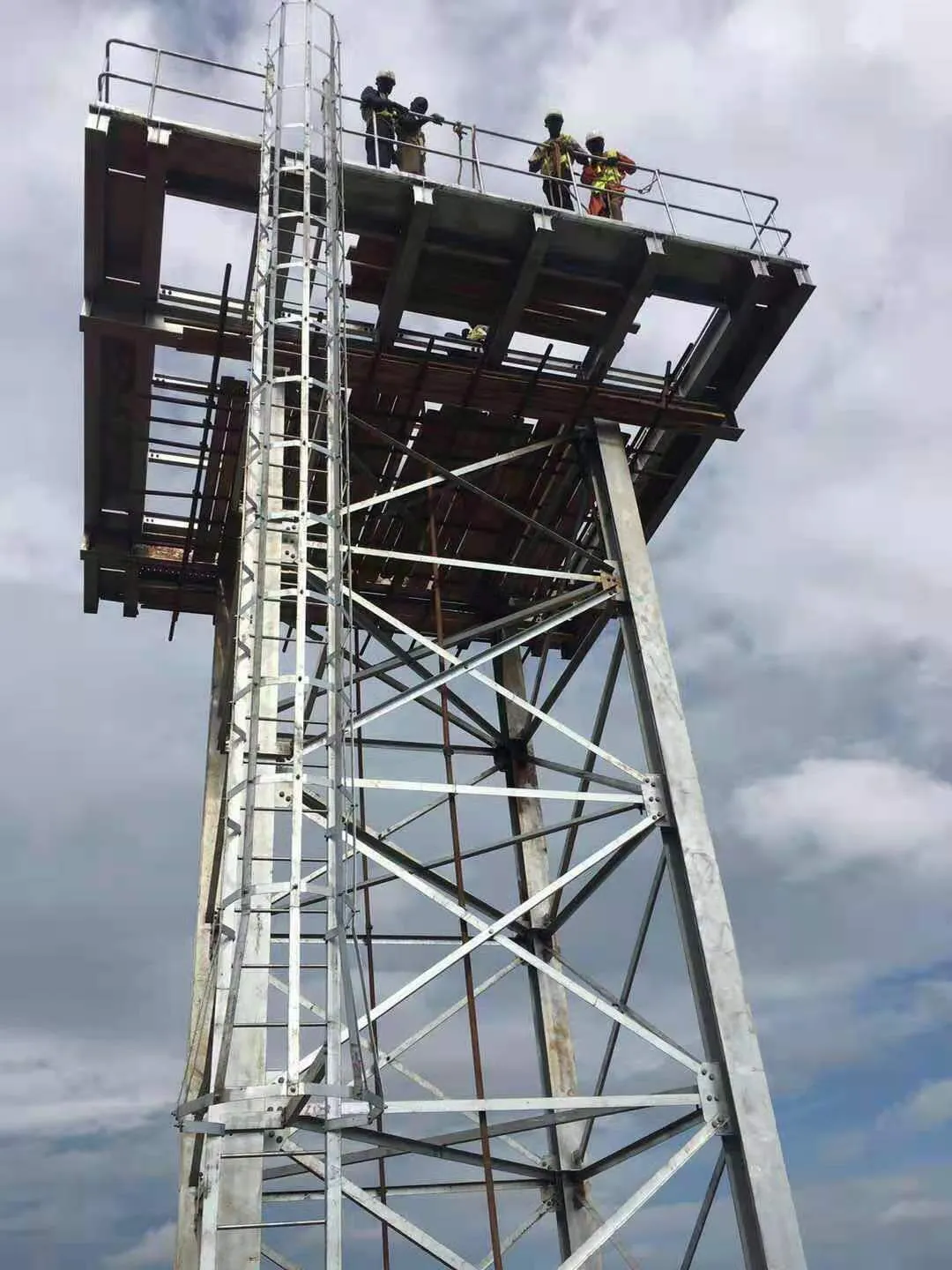
Safety is also a paramount concern in many applications. Fiberglass grating is designed with slip-resistant surfaces, which can help prevent accidents in areas prone to spills or inclement weather. Its open-grid design allows for excellent drainage, reducing the risk of water accumulation that could lead to slippery conditions.
Additionally, fiberglass grating is incredibly versatile in terms of design. It can be manufactured in various shapes and sizes, making it suitable for numerous applications, from flooring in industrial settings to walkways and stair treads in commercial buildings. Custom fabrication options further enhance its adaptability, allowing it to meet specific project requirements.
Moreover, fiberglass grating is low maintenance compared to traditional materials. It does not require painting or regular treatment, which can save time and cost in long-term maintenance schedules. Its longevity ensures that once installed, it will provide reliable performance for many years.
In conclusion, fiberglass grating stands out as a superior alternative to conventional materials in diverse applications due to its unique properties. Its strength, lightweight nature, corrosion resistance, safety features, and low maintenance requirements make it a preferred choice for engineers and builders. As industries continue to seek efficient and durable solutions, the role of fiberglass grating is likely to expand, paving the way for more innovative applications in the future.
-
“Innovative FRP channels Manhole Covers Improve Wastewater Systems”NewsMay.14,2026
-
High-Quality Yellow FRP Grating in Full Production for Global OrdersNewsMay.12,2026
-
"Factory Update: New Batch of FRP Rod in ProductionNewsMay.08,2026
-
Neatly Packaged and Stacked: FRP Rectangular Tubes Ready for DispatchNewsMay.06,2026
-
Neatly Loaded FRP Profiles (Rectangular, Square & Angle) Draw Customer Praise Before DispatchNewsFeb.19,2024
-
High Quality Fiberglass Rods for Electric Fence Insulation GuideNewsApr.16,2026
-
Benefits and Guide of Installing a White Fiberglass FenceNewsApr.09,2026
FRP Grating
FRP grating is a composite material panel made from fiberglass roving as reinforcement and unsaturated polyester resin (including orthophthalic, isophthalic, vinyl ester types, etc.) as the matrix. It is manufactured using a unique molding or pultrusion process. The finished product features with regularly distributed rectangular or square openings. It is an ideal replacement for traditional metal gratings in corrosive environments.
Key Features & Color Characteristics
⁕ Color Characteristics: As a protective color, green is visually soothing, reduces eye fatigue, and blends harmoniously with landscaping, municipal, and environmental protection facilities. Moreover, this color offers good UV resistance, and with special formulations, outdoor fading can be delayed.
⁕ Overall Advantages: Lightweight yet high strength (density only 1/4 of steel), corrosion-resistant (resists acids, alkalis, and organic solvents), flame-retardant, insulating, and non-magnetic.
III. Structural Details & Dimensions
FRP grating features an "I-beam" or flat profile. Surface treatments include:
⁕ Concave anti-slip surface (meniscus surface) : Standard anti-slip surface with good self-cleaning properties.
⁕ Grit-coated surface: Covered with silica sand for enhanced anti-slip performance, ideal for ramps or wet conditions.
⁕ Solid cover plate: A flat surface for applications requiring a closed, solid cover.
Common Specifications Table:
Type (Thickness) | Mesh Size (Opening) | Approx. Thickness | Standard Panel Size (LxW) | Recommended Application |
25mm | 38x38 mm or 40x40 mm | 25 mm | 1.22x3.66 m / 1x4 m | Tree grate pads, light walkways |
30mm | 38x38 mm or 40x40 mm | 30 mm | 1.22x3.66 m / 1x4 m | General industrial platforms, trench covers |
38mm | 38x38 mm | 38 mm | 1.22x3.66 m / 1x4 m | Car washes, heavy-duty operating platforms |
50mm | 50x50 mm | 50 mm | 1.22x3.66 m | Heavy vehicle passageways |
Note: Custom sizes are available upon request. Standard panels can also be cut to specific length
Performance Advantages
1.Excellent Corrosion Resistance: FRP is naturally resistant to acids, alkalis, salts, and various organic solvents. Depending on the environment, you can choose orthophthalic resin (general corrosion resistance), isophthalic resin (food-grade/higher corrosion resistance), or vinyl ester resin (strong acid/alkali environments).
2.Lightweight & High Strength: With a density of approximately 1.8–2.0 g/cm³, its strength far exceeds ordinary plastics and wood, and in some aspects even surpasses steel. This makes handling and installation very easy without the need for heavy lifting equipment.
3.Safe & Anti-Slip: The special meniscus-shaped grooves or grit-coated surface greatly reduce the risk of slipping in wet conditions. Additionally, it offers excellent electrical insulation (no breakdown at 10kV), ensuring operational safety.
4.Aging Resistance & Durability: Under normal use, the product is designed to last 20–50 years. For outdoor applications, UV inhibitors can be added to slow down aging and maintain color stability.
5.Easy to Fabricate: Can be cut on-site using standard woodworking saws or diamond blades, and easily drilled. No sparks are generated during installation, making it suitable for fire-sensitive or explosion-proof areas.
Application Areas
⁕ Municipal & Landscaping: Used as tree grates (tree protection covers) along streets – aesthetically pleasing, allows water and air permeability, with load capacity exceeding 500kg.
⁕ Environmental & Water Treatment: Walkways in sewage treatment plants, trench covers, acid/alkali basin enclosures.
⁕ Industrial Sector: Operating platforms in chemical plants, oil drilling platforms, insulated flooring in power engineering.
⁕ Commercial Facilities: Heavy-duty drainage gratings in car washes, anti-slip flooring in farms and animal husbandry, cold storage flooring.
⁕ Marine Engineering: Offshore exploration platforms, ship decks (resists salt spray corrosion).
Installation Notes
⁕ Support: The edges of the grating must have supports underneath. Typical support spacing is 30–45 cm (12–18 inches), depending on the grating thickness.
⁕ Fastening: Use grating clips, C-clamps, or M-shaped stainless steel fasteners to secure the grating and prevent movement.
⁕ Sealing Edges: Any cut edges must be sealed with the same resin material to maintain structural integrity and corrosion resistance.
-
“Innovative FRP channels Manhole Covers Improve Wastewater Systems”NewsMay.14,2026
-
High-Quality Yellow FRP Grating in Full Production for Global OrdersNewsMay.12,2026
-
"Factory Update: New Batch of FRP Rod in ProductionNewsMay.08,2026
-
Neatly Packaged and Stacked: FRP Rectangular Tubes Ready for DispatchNewsMay.06,2026
-
Neatly Loaded FRP Profiles (Rectangular, Square & Angle) Draw Customer Praise Before DispatchNewsFeb.19,2024
-
High Quality Fiberglass Rods for Electric Fence Insulation GuideNewsApr.16,2026
-
Benefits and Guide of Installing a White Fiberglass FenceNewsApr.09,2026